
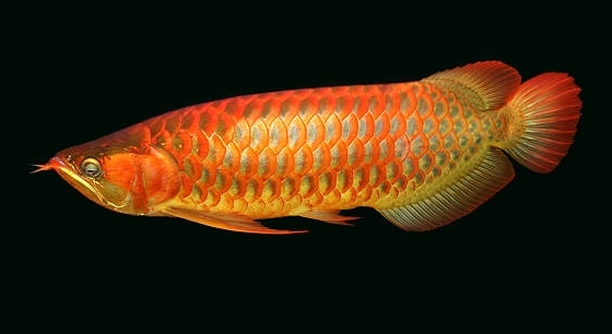
Is your arowana staying still, ignoring food, or not reacting to movement the way it usually does? Watching such behavior can be worrying for any fish owner.
The main reason your arowana is not responding is often related to stress, poor water conditions, or illness. Inadequate tank maintenance, low oxygen levels, or sudden environmental changes can significantly impact its behavior, making it lethargic or unresponsive.
Understanding the underlying causes can help you restore your arowana’s natural energy and ensure it thrives in a stable, healthy aquatic environment.
Common Reasons Your Arowana Is Not Responding
Arowanas are highly sensitive fish that react quickly to their environment. When they stop responding, it usually signals that something is wrong within their tank or health. Stress is one of the most common causes, often triggered by sudden movements, bright lighting, or a cramped tank. Poor water quality, such as high ammonia or nitrite levels, can also affect their behavior. Low oxygen, incorrect temperature, or improper pH balance may further contribute to their lethargy. Additionally, internal parasites or infections can weaken them, making them less active. Each of these issues can disrupt their comfort and normal routine, leaving them withdrawn.
Sometimes, arowanas may appear unresponsive after being newly introduced to a tank. This is a natural adjustment period, and they need time to adapt to their surroundings and regain confidence.
Monitoring these early signs helps you take the right steps before the problem becomes serious.
How to Help Your Arowana Recover
Begin by testing the water parameters using a reliable test kit. Check ammonia, nitrite, nitrate, and pH levels, ensuring they fall within safe ranges for arowanas. Maintain the temperature between 75°F and 82°F, as fluctuations can easily stress your fish.
Next, perform a partial water change of about 25–30% to refresh the environment without shocking your arowana. Use a good-quality dechlorinator and ensure proper filtration to keep the water clean. Increase oxygen by adjusting the water flow or adding an air stone. Observe your fish’s appetite and movement daily, noting any changes in color or body posture. If you suspect illness, consider adding aquarium salt or consulting a vet experienced with tropical fish. Feed a balanced diet, avoiding overfeeding, as uneaten food pollutes the tank. Creating a calm setting with minimal noise and stable lighting helps your arowana regain its strength and natural responsiveness over time.
Signs of Stress in Your Arowana
When an arowana is stressed, it often swims erratically, hides for long periods, or refuses to eat. Its colors may fade, and it can develop clamped fins or a dull appearance, indicating discomfort and anxiety within its environment.
Another sign of stress is when the fish constantly hits the tank glass or stays near the surface gasping for air. These actions suggest oxygen deficiency or fear caused by external disturbances. Flicking or rubbing its body against surfaces can also indicate irritation or the presence of parasites. Watch for unusual behavior, such as sudden aggression or long periods of inactivity, as these changes are rarely random. Identifying these signs early prevents the stress from progressing into illness, giving your arowana a better chance to recover naturally.
Providing a calm, stable environment is key to helping your fish relax. Keep lighting consistent, avoid tapping on the tank, and ensure proper filtration. Balanced feeding and clean water will help your arowana rebuild energy and confidence.
Preventing Future Issues
Maintaining consistency in care is essential for keeping your arowana healthy. Regularly check water quality, temperature, and filtration to prevent sudden changes that could affect its behavior or health. Routine monitoring ensures stability, which is vital for this sensitive species.
Feed your arowana high-quality food such as pellets, shrimp, or small fish, avoiding overfeeding to keep the water clean. Conduct weekly partial water changes, and always treat tap water with a dechlorinator. Avoid overcrowding the tank and use a tight-fitting lid to prevent jumping. Provide enough space for free swimming, as confinement leads to stress. When introducing new tankmates or decorations, do so gradually to avoid startling your fish. Proper care and attention create a stable, comfortable environment that allows your arowana to remain responsive, active, and healthy for years.
When to Seek Professional Help
If your arowana remains unresponsive despite clean water, proper diet, and a calm environment, professional help is necessary. Persistent inactivity, visible sores, or abnormal swimming can indicate bacterial or parasitic infections that require veterinary diagnosis and treatment.
A qualified aquatic veterinarian can perform tests to detect internal issues and prescribe appropriate medication. Avoid using random treatments, as incorrect dosages may worsen the condition. Early intervention from a professional not only helps your arowana recover faster but also prevents potential complications that could affect its long-term health.
Importance of Observation
Observing your arowana daily is one of the most effective ways to prevent serious problems. Subtle behavior changes, such as reduced appetite, slower swimming, or color dullness, are often early signs of stress or illness. By noticing these cues, you can act quickly to restore balance before conditions worsen.
Final Thoughts Before Moving Forward
Small adjustments in care can make a significant difference in your arowana’s behavior. Consistent attention, clean water, and proper nutrition ensure a responsive and thriving fish.
FAQ
Why is my arowana not eating?
An arowana may refuse food due to stress, poor water quality, illness, or sudden changes in its environment. If the tank water is dirty, temperatures are fluctuating, or the fish is adjusting to a new tank, appetite loss is common. Illnesses or parasites can also affect feeding behavior. Offering a variety of high-quality foods like pellets, shrimp, or small fish in small amounts often encourages eating. Maintaining stable tank conditions and observing your fish for other signs of distress can help determine the underlying cause.
How often should I test the water?
Water testing is critical for maintaining arowana health. Testing once or twice a week is ideal, focusing on ammonia, nitrite, nitrate, and pH levels. Consistent monitoring allows you to catch imbalances before they stress your fish. Sudden changes in these parameters can cause lethargy or unresponsiveness, so frequent checks help maintain stability. Keeping a log of readings over time also helps identify patterns or recurring issues that may need corrective measures. Proper filtration, partial water changes, and careful observation complement regular testing to keep your arowana healthy and active.
Can tank size affect responsiveness?
Yes, tank size significantly influences an arowana’s behavior. A tank that is too small restricts movement and causes stress, which can make the fish unresponsive. Arowanas need enough space to swim freely, typically at least 250 gallons for adults. Overcrowding with other fish can lead to territorial disputes and increased stress levels. Providing ample room, proper hiding spots, and minimal disturbances ensures that your arowana can display natural behavior, stay active, and respond to its surroundings. A well-sized tank with stable water conditions promotes both mental and physical well-being.
What are signs of illness in arowanas?
Visible signs include faded colors, clamped fins, sores, bloating, or abnormal swimming. Behavior changes such as staying near the surface, hiding excessively, or refusing food can also indicate health issues. Rapid gill movement or gasping may signal low oxygen or respiratory problems. Observing your arowana closely daily helps catch early symptoms. Prompt action, such as improving water quality or consulting a veterinarian, can prevent minor issues from becoming serious. Monitoring both physical appearance and behavior ensures your fish receives timely care and reduces the risk of long-term complications.
Is water temperature important for responsiveness?
Yes, temperature plays a crucial role in arowana activity. These tropical fish thrive in 75–82°F (24–28°C). Temperatures outside this range can slow metabolism, reduce appetite, and make the fish lethargic or unresponsive. Sudden changes in temperature are particularly stressful and can weaken immunity. Using a reliable heater and thermometer to maintain stable conditions is essential. Gradual adjustments are safer if a correction is needed. Stable temperature, combined with clean water and proper feeding, helps your arowana remain healthy, alert, and active, ensuring it continues responding naturally to its environment.
Can stress from tank mates affect my arowana?
Yes, incompatible or aggressive tank mates can stress your arowana. Territorial disputes or constant chasing can cause hiding, loss of appetite, or lethargy. Avoid placing small, fast, or aggressive fish in the same tank. Choosing compatible companions and observing interactions reduces stress and encourages normal behavior. Even subtle harassment can make an arowana unresponsive over time. A calm, balanced tank environment with proper space and structure helps your fish feel secure, allowing it to swim freely, eat regularly, and react to its surroundings naturally.
How long does it take for an arowana to recover?
Recovery depends on the cause of unresponsiveness. If water quality, stress, or minor illness is addressed promptly, improvement can be seen within a few days to a week. Severe infections or chronic stress may take weeks and require veterinary intervention. Consistent care, stable conditions, and proper nutrition are critical for full recovery. Patience is essential, as pushing changes too quickly can worsen stress. Observing gradual improvements in swimming, feeding, and coloration indicates that your arowana is regaining health and responsiveness, allowing you to adjust care routines as needed.
Can diet impact responsiveness?
Yes, a balanced diet supports energy levels and overall health. Arowanas require high-protein foods like pellets, live or frozen shrimp, and small fish. Nutritional deficiencies can lead to lethargy, weakened immunity, and unresponsiveness. Overfeeding can pollute water, indirectly stressing the fish. Feeding smaller, frequent portions ensures your arowana gets sufficient nutrients without compromising water quality. Consistently providing quality food, combined with stable tank conditions, helps maintain natural activity and responsiveness. Observing which foods your fish prefers can also indicate health, as sudden changes in appetite may signal an underlying issue.
How can I prevent future unresponsiveness?
Maintaining stable water conditions, appropriate tank size, compatible tank mates, and a balanced diet are key preventive measures. Regular observation helps detect early signs of stress or illness. Consistency in lighting, feeding schedules, and temperature creates a secure environment. Preventive care reduces the likelihood of your arowana becoming unresponsive and promotes long-term health, ensuring it remains active and alert.
This FAQ section addresses the most common causes and solutions, giving clear steps to maintain a responsive and healthy arowana.
Final Thoughts
Keeping an arowana healthy and responsive requires careful attention to its environment and daily care. These fish are sensitive to changes in water quality, temperature, and tank setup, and even small disturbances can affect their behavior. Observing your arowana closely helps you notice early signs of stress or illness, such as hiding, loss of appetite, or unusual swimming patterns. Acting promptly when these signs appear can prevent minor issues from turning into more serious problems. Regular maintenance, including testing water parameters, performing partial water changes, and keeping the tank clean, creates a stable environment where your arowana can thrive. Even simple adjustments, like ensuring the tank is not overcrowded or that lighting remains consistent, can make a noticeable difference in your fish’s behavior.
Nutrition also plays a major role in maintaining a responsive arowana. A diet rich in protein, including high-quality pellets, shrimp, and small fish, supports energy levels, immune function, and overall vitality. Feeding small, consistent portions helps prevent water pollution and reduces stress on your fish. Overfeeding or offering inappropriate foods can cause digestive issues, weaken immunity, and contribute to lethargy. Paying attention to your arowana’s preferences and appetite allows you to identify potential health issues early. Pairing proper nutrition with a clean, well-maintained tank ensures your arowana remains active, alert, and capable of responding to its surroundings in a natural way.
Patience and consistency are essential when caring for an arowana. Recovery from stress, poor water conditions, or illness can take time, and sudden changes can worsen the situation. Establishing a routine with stable water parameters, appropriate feeding, and a calm environment helps your fish adjust and regain its natural behavior. Monitoring interactions with tank mates, maintaining proper tank size, and minimizing sudden disturbances also contribute to a secure and comfortable habitat. By combining observation, consistent care, and attention to diet and water quality, you create an environment where your arowana can flourish. A responsive and healthy arowana reflects the effort and care you put into maintaining its home, allowing it to thrive for years while reducing the risk of stress and unresponsiveness.

Hello,
If you enjoy the content that we create, please consider saying a "Thank You!" by leaving a tip.
Every little bit helps us continue crafting quality advice that supports the health, happiness, and well-being of pets around the world, for pets of all shapes, sizes, and species.
We really appreciate the kindness and support that you show us!