
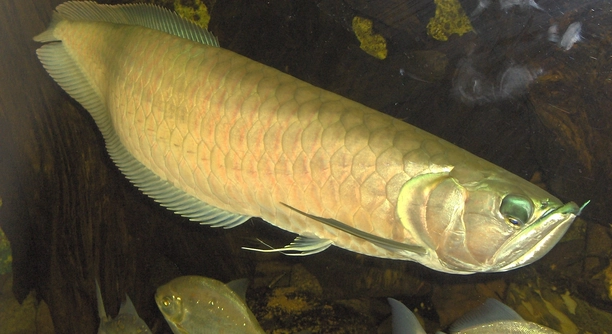
Is your arowana showing signs of stress, like loss of appetite or dull coloration? Stress can affect its overall health and even shorten its lifespan if not managed properly.
The best ways to reduce stress in arowanas include maintaining stable water parameters, providing ample swimming space, minimizing sudden movements, ensuring proper nutrition, and keeping tank mates compatible. A calm, consistent environment significantly supports their well-being and longevity.
Creating a peaceful habitat helps your arowana thrive, allowing it to display its vibrant colors and natural behavior with ease.
Maintain Stable Water Conditions
Keeping your arowana’s water clean and stable is the most effective way to reduce stress. These fish are sensitive to changes in temperature, pH, and ammonia levels. Frequent testing ensures that the tank remains within safe parameters. A stable temperature between 75°F and 82°F, combined with proper filtration, keeps your arowana comfortable and prevents sudden fluctuations that can cause anxiety. Regular water changes—about 25% weekly—help eliminate waste buildup and maintain clarity. Adding an air stone or maintaining good oxygen levels also contributes to a calmer environment. Each small adjustment supports long-term balance and minimizes stress-related behavior.
Clean water alone can make a noticeable difference in your arowana’s mood and appetite. When their environment feels safe and predictable, they swim more confidently and respond better to feeding routines.
Monitoring water parameters consistently keeps your arowana’s immune system strong. Avoid overfeeding or overcrowding, as this leads to spikes in ammonia and nitrates. Keep filters well-maintained, and replace parts as needed to ensure proper function. Arowanas thrive best in an environment that mimics their natural habitat. Using driftwood or live plants can stabilize pH while providing visual comfort. By ensuring your tank remains balanced and steady, you create a safe space that promotes both relaxation and vibrant coloration in your arowana.
Provide Ample Swimming Space
Arowanas are large, active fish that require plenty of space to move freely. Cramped tanks restrict their natural movement and increase aggression. Choosing the right tank size is essential to support both their physical health and peace of mind.
A minimum tank size of 250 gallons is ideal for adult arowanas. The length of the tank should allow them to turn easily without hitting the glass, as collisions can cause injuries and stress. Arowanas prefer horizontal swimming space, so wider tanks are better than taller ones. Keep decorations minimal and smooth-edged to prevent damage to their scales or fins. Overcrowding can quickly raise stress levels, so avoid keeping too many fish together. If you want tank mates, choose calm species that won’t challenge your arowana. Providing open water, stable lighting, and soft filtration flow encourages them to swim gracefully, promoting calmness and better overall health.
Minimize Sudden Movements and Loud Noises
Arowanas can easily become startled by sudden actions or loud sounds around their tank. Quick movements or vibrations may cause them to jump or injure themselves. Keeping the environment calm helps them feel secure and maintain steady, stress-free behavior.
When cleaning the tank or feeding your arowana, move slowly and predictably. Avoid tapping on the glass or rearranging decorations too often, as these disruptions can raise their stress levels. Placing the aquarium in a low-traffic area also helps prevent unnecessary disturbances. Consistency is key—establishing a quiet, stable routine allows your arowana to feel at ease in its surroundings. Over time, this familiarity builds trust, making the fish more relaxed and comfortable around you.
If your home tends to be noisy, consider using a background or covering the sides of the tank to reduce visual and auditory stress. Gentle lighting and soft filtration sounds create a soothing environment. Arowanas thrive in peaceful conditions, and limiting exposure to chaos helps prevent injury or illness caused by constant tension. Paying attention to small details like these can greatly improve their overall well-being and longevity.
Ensure Proper Nutrition
Feeding your arowana a balanced diet is essential for maintaining its health and reducing stress. Inconsistent feeding schedules or poor nutrition can weaken its immune system and make it more vulnerable to disease or irritability.
Arowanas benefit most from a varied diet that includes live or frozen foods such as shrimp, insects, and small fish, complemented by high-quality pellets. Avoid overfeeding, as uneaten food quickly pollutes the tank and increases ammonia levels. Feed smaller portions twice a day to keep digestion smooth and steady. Nutritional balance supports healthy coloration, energy, and growth. Adding vitamin supplements occasionally can further boost immunity. Observing how your arowana eats also helps detect early signs of stress—loss of appetite often signals discomfort. By maintaining a reliable feeding schedule and offering nutritious foods, you create both a physically healthy and emotionally stable environment for your arowana.
Keep Tank Mates Compatible
Arowanas are territorial and can become aggressive if kept with unsuitable tank mates. Choosing calm, similarly sized fish prevents fights and stress. Avoid smaller fish that can be mistaken for prey or overly active species that may irritate your arowana.
Compatible tank mates include silver dollars, clown loaches, and large catfish species. These fish generally coexist peacefully without challenging dominance. Monitoring interactions regularly ensures harmony and prevents injuries. Maintaining proper space and balanced feeding schedules further reduces competition, keeping your arowana relaxed and stress-free in a shared environment.
Maintain Consistent Lighting and Routine
Arowanas feel more secure with a steady lighting cycle and predictable routine. Sudden light changes can startle them, causing erratic swimming or hiding. Use timers for lighting and feed them at consistent times each day. Regularity helps establish comfort, reducing anxiety and encouraging healthy behavior.
Handle with Care
Avoid unnecessary handling, as physical contact can frighten or harm your arowana. If moving is required, use a large, soft net and minimize time outside water. Gentle handling reduces physical injuries and helps maintain the fish’s calm temperament and trust in its environment.
FAQ
How can I tell if my arowana is stressed?
A stressed arowana often displays behavioral and physical signs that are easy to notice once you observe carefully. Common indicators include loss of appetite, faded coloration, frequent hiding, or erratic swimming patterns. Some may also stay near the surface or bottom of the tank for long periods instead of swimming freely. You might notice clamped fins, excessive jumping, or aggression toward tank mates. These are all signals that something in the environment is unsettling them. Consistent monitoring helps identify stress early so you can correct the cause before it leads to illness or injury.
What are the most common causes of stress in arowanas?
Stress in arowanas typically arises from poor water conditions, overcrowding, unsuitable tank mates, or abrupt changes in temperature or lighting. Vibrations, loud noises, and sudden movements can also frighten them. Overhandling or frequently rearranging decorations adds unnecessary tension. Nutritional deficiencies or irregular feeding schedules further worsen their mood and energy levels. By maintaining stable conditions, avoiding chaos around the aquarium, and offering a balanced diet, you can prevent most stress triggers. A calm and predictable environment supports long-term health and natural behavior, making your arowana more active and vibrant.
Can stress affect my arowana’s color and appetite?
Yes, stress can cause noticeable fading in your arowana’s colors and a sudden decrease in appetite. When stressed, their immune system weakens, and they focus more on survival than eating or displaying bright hues. A loss of appetite lasting more than a few days may indicate ongoing discomfort or poor water quality. Addressing these issues quickly—by checking temperature, ammonia, and pH—helps them regain strength. Once the environment feels stable again, their color and appetite usually return to normal. A calm arowana with proper nutrition will exhibit more vivid, healthy coloration over time.
How often should I test the water to reduce stress?
Testing your aquarium water once a week is ideal for maintaining stable conditions. Parameters such as ammonia, nitrite, nitrate, and pH should remain within safe ranges specific to arowanas. Sudden changes, even minor ones, can cause anxiety and health problems. Using a reliable test kit allows you to identify issues early before they impact your fish. Consistency is key—set a fixed day each week for testing and water changes. Keeping the environment balanced not only reduces stress but also helps prevent common diseases like fin rot or clouded eyes.
What kind of lighting setup helps reduce arowana stress?
Soft, consistent lighting is best for arowanas. Avoid overly bright or flashing lights, as these can cause nervous behavior. Use timers to maintain a predictable light cycle of about 8 to 10 hours daily. This helps them differentiate between day and night, supporting their natural rhythm. Sudden shifts from darkness to bright light should be avoided—gradual transitions prevent shock. If the tank is placed near a window, monitor sunlight exposure to prevent overheating or glare. Balanced lighting promotes relaxation, improves color vibrancy, and encourages healthy swimming patterns in your arowana.
Can tank decorations help reduce arowana stress?
Yes, but they must be used carefully. Decorations that mimic natural habitats, such as driftwood or large smooth rocks, create a sense of security. Avoid sharp or pointed ornaments that can injure your fish. Open swimming space is just as important as shelter, so avoid overcrowding the tank with too many decorations. Live plants can stabilize pH and make the environment more visually calming, though ensure they don’t restrict movement. The goal is to design a tank that feels open yet protective. This balance helps your arowana stay comfortable and stress-free.
Is it normal for arowanas to jump when stressed?
Yes, jumping is a common stress response in arowanas. It often happens when they feel startled or confined. Covering the tank securely is essential to prevent injuries or escape. Jumping can also occur if water conditions are poor or oxygen levels are low. Ensuring a well-oxygenated, spacious tank minimizes this behavior. Observe when the jumping occurs—it often reveals the cause. For example, sudden noises or light changes might trigger it. Once stability and calmness return, this behavior usually fades, and your arowana resumes its normal, graceful swimming.
How can I calm my arowana quickly after it gets stressed?
If your arowana becomes visibly stressed, the first step is to reduce all movement and noise near the tank. Dim the lights slightly to create a more soothing environment. Check water quality to ensure no sudden changes have occurred. Avoid feeding until the fish appears calmer, as forcing food may worsen the stress. Ensure proper oxygen flow and keep tank mates peaceful. Over the next few hours, maintain stillness and consistency. Arowanas usually recover well when the environment remains stable and predictable, regaining their normal activity once they feel safe again.
Can frequent handling make my arowana anxious?
Absolutely. Arowanas are not comfortable with frequent physical contact and should only be handled when necessary, such as during tank cleaning or medical care. Handling can remove their protective slime coat, increasing the risk of infection and stress. When you must move them, do so gently using a wide, soft net. Keep handling time as short as possible. The less physical interference they experience, the more relaxed and trusting they remain. Maintaining minimal disturbance ensures they continue to thrive and display natural, confident behavior in their environment.
How long does it take for a stressed arowana to recover?
Recovery time depends on the severity and cause of the stress. Minor stress from small disturbances can fade within a few hours if the environment stabilizes. However, prolonged exposure to poor conditions or aggression from tank mates may take several days or even weeks to reverse. Consistent care, stable parameters, and proper nutrition speed up recovery. Observing gradual improvements in color, movement, and appetite indicates healing. With patience and steady attention, most arowanas return to their normal, calm state, ready to thrive once again in their peaceful aquatic home.
Final Thoughts
Caring for an arowana requires patience, consistency, and attention to detail. These majestic fish are highly intelligent and sensitive to changes in their environment, which makes stability essential for their overall well-being. From maintaining balanced water conditions to providing enough swimming space, every aspect of their care directly affects their comfort and stress levels. Arowanas thrive in calm environments where temperature, pH, and oxygen levels remain steady. Simple routines such as regular water testing, gentle cleaning, and proper feeding habits can make a remarkable difference in how they behave. When cared for correctly, arowanas not only grow beautifully but also exhibit confidence and grace in their movements. Their health and vibrant colors reflect the effort put into creating a suitable and peaceful habitat.
Reducing stress is one of the most important goals for any arowana owner. Stress doesn’t always show immediately, but it can gradually weaken their immune system and affect their appetite or coloration. Small changes, like adjusting lighting or preventing loud disturbances, can greatly improve their comfort. Keeping compatible tank mates and maintaining open swimming space encourages a natural flow of behavior. Watching an arowana glide smoothly through a balanced, well-maintained tank is both rewarding and calming. It serves as a reminder that peaceful surroundings lead to healthier, happier fish. Avoiding sudden changes and unnecessary handling ensures they remain trusting and relaxed. Over time, these practices become part of a natural routine that keeps both the fish and the aquarist in harmony.
Owning an arowana is not just about having an impressive fish—it’s about providing an environment where it can live stress-free and express its natural beauty. Consistent care builds familiarity and reduces anxiety, creating a bond between you and your fish that grows with time. Every action, whether adjusting water conditions or feeding them with care, contributes to a balanced and stable aquarium life. When stress is minimized, your arowana will reward you with vibrant color, strong health, and graceful movement. Taking the time to understand their needs is what truly defines responsible fishkeeping. In the end, a calm and happy arowana is a reflection of your dedication, patience, and ability to create a space where nature thrives in harmony and peace.

Hello,
If you enjoy the content that we create, please consider saying a "Thank You!" by leaving a tip.
Every little bit helps us continue crafting quality advice that supports the health, happiness, and well-being of pets around the world, for pets of all shapes, sizes, and species.
We really appreciate the kindness and support that you show us!