
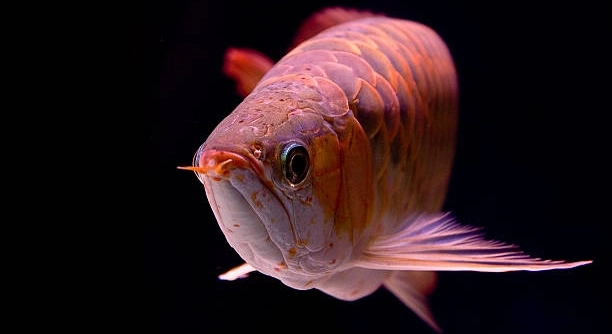
Have you ever noticed your arowana swimming less actively or its water looking cloudy? Keeping an arowana’s tank clean is essential for its health and happiness. Many fish owners struggle to maintain the right water conditions consistently.
Arowana water should generally be changed once a week, replacing about 25–30% of the tank’s water each time. Regular partial water changes help maintain proper pH, remove toxins, and support the fish’s overall well-being.
Maintaining a healthy aquatic environment takes small but consistent effort, ensuring your arowana remains vibrant and stress-free over time.
Understanding the Importance of Water Quality
Keeping your arowana’s water clean is more than just a routine chore. Dirty water can stress your fish and make it prone to diseases. Over time, uneaten food, fish waste, and algae build-up release harmful chemicals into the water. Maintaining proper water quality ensures your arowana grows healthy and displays its natural colors. I’ve noticed that when water changes are skipped, even for a few weeks, the fish becomes less active and seems unhappy. Regular water testing helps track ammonia, nitrite, and nitrate levels, keeping them in safe ranges. Using a good filtration system alongside consistent water changes reduces risks significantly. Even small partial water changes can make a noticeable difference in the clarity and smell of the tank. This is why many experienced arowana owners stick to a strict weekly schedule. By paying attention to water quality, your fish can thrive in a stable and safe environment.
Proper water maintenance prevents health issues and promotes long-term growth for arowanas, ensuring a balanced and safe tank environment.
Neglecting water changes can quickly lead to problems that are harder to fix later. Consistent care keeps your fish active, healthy, and vibrant in its habitat.
How to Perform Water Changes Effectively
A partial water change is usually enough to maintain good conditions without stressing the fish. Removing too much water at once can shock an arowana.
When performing a water change, start by removing 25–30% of the tank water with a siphon. Avoid disturbing the substrate too much, as this can release debris and toxins. Replace the water with dechlorinated water at the same temperature as the tank to prevent stress. It helps to clean the filter occasionally but not all at once, since the beneficial bacteria are essential for breaking down waste. Testing water before and after the change ensures pH and ammonia levels remain stable. Over time, you’ll notice the water stays clearer and the fish behaves more actively. Keeping a simple schedule, like the same day each week, makes it easier to maintain consistency. Water changes may seem repetitive, but they are one of the most effective ways to protect your arowana’s health and enhance its natural beauty in the aquarium.
Signs Your Arowana Needs a Water Change
Cloudy water, a strong odor, or unusual fish behavior often indicates it’s time for a water change. I’ve seen my arowana become less active when water wasn’t changed on schedule, showing how sensitive they are to their environment.
Yellowing water or visible debris signals a build-up of waste products. High ammonia or nitrate levels can stress your fish, causing loss of appetite or erratic swimming. It’s important to monitor these signs daily. Even if the tank looks clean, chemical imbalances may still be present. Using test kits regularly gives peace of mind, ensuring that your arowana is swimming in a healthy environment. Partial water changes remove toxins and help maintain proper water chemistry, keeping your fish active and healthy.
Changes in behavior can be subtle at first. An arowana may hide more often or swim near the surface looking for oxygen. Acting early prevents illness and keeps your fish vibrant. Regular observation helps you notice these small differences and adjust care routines before problems escalate.
Tools and Supplies Needed for Water Changes
A siphon, bucket, and dechlorinator are essential for safe water changes. I keep these tools ready at all times to avoid last-minute stress.
A reliable siphon helps remove water efficiently while vacuuming the substrate. Buckets should be used only for aquarium water to avoid contamination. Dechlorinator is necessary because tap water contains chemicals harmful to fish. A thermometer ensures the new water matches the tank temperature, preventing shock. Having a test kit on hand allows you to check ammonia, nitrite, and nitrate levels before and after changes. Over time, these tools become part of a simple routine that makes maintenance faster and less stressful for both you and the arowana. Proper preparation ensures every water change benefits the fish without complications.
Frequency of Water Changes
Weekly water changes keep an arowana healthy and the tank stable. I noticed my fish became more active once I kept a consistent schedule, showing how important timing is for their well-being.
Some owners prefer smaller changes twice a week, especially for heavily stocked tanks. This method helps maintain cleaner water without stressing the fish with large replacements at once.
Water Temperature Considerations
Maintaining the correct water temperature is vital during changes. A sudden difference can shock your arowana, leading to stress or illness. Always match the new water to the tank’s temperature before adding it. Using a thermometer ensures consistency. Over time, this practice makes water changes safer and keeps your fish active and healthy, reducing the risk of disease. Arowanas thrive best in stable temperatures, so even small variations can affect appetite and energy levels. Paying attention to temperature during changes supports overall health and longevity in the aquarium environment.
Common Mistakes to Avoid
Skipping partial water changes can quickly degrade water quality, leading to stress and health issues for your fish.
Overcleaning filters at once removes beneficial bacteria, disrupting the tank’s natural balance and making water changes less effective.
FAQ
How often should I change all the water in my arowana tank?
Complete water changes are not recommended frequently because they can shock your arowana. I stick to partial water changes, replacing 25–30% weekly. Full water changes are usually only necessary during major tank cleanings or when water parameters are extremely unbalanced. Even then, I do it gradually, spreading the replacement over a few hours to avoid stressing my fish. Partial changes maintain stability while removing waste, keeping the water chemistry balanced. Over time, this approach has kept my arowana healthy and active without sudden fluctuations.
Can I use tap water for water changes?
Yes, but it must be treated first. Tap water contains chlorine and chloramine, which are toxic to fish. I always use a water conditioner or dechlorinator before adding it to the tank. Testing the water for pH and temperature before use ensures it matches the tank’s environment. Cold or chemically untreated water can cause stress, illness, or even death. Over the years, using conditioned tap water has been the safest and most convenient method for my weekly changes.
What happens if I don’t change the water regularly?
Neglecting water changes leads to toxic buildup from ammonia, nitrites, and nitrates. I’ve seen cloudy water and lethargic fish when changes were skipped. High toxin levels can cause disease, stress, poor appetite, and stunted growth. Even small amounts of uneaten food or decaying plants can quickly alter water chemistry. Over time, these conditions weaken your arowana’s immune system, making it more prone to infections. Regular partial water changes remove these harmful substances, keeping the tank balanced and the fish lively.
How do I know the right temperature for water changes?
Arowanas prefer water between 75–82°F (24–28°C). I always use a thermometer to check both the tank and new water. Adding water that’s too cold or hot shocks the fish and can affect their appetite and behavior. Gradually adjusting water temperature during changes helps maintain a stable environment. Consistency in temperature also supports proper metabolism and growth. Over time, this small step has made a noticeable difference in my fish’s overall activity and color vibrancy.
Can water changes prevent diseases?
Yes, they reduce the risk of infections. I noticed that when I kept up with weekly water changes, my arowana rarely showed signs of fin rot or fungal infections. Clean water lowers stress and prevents harmful bacteria and parasites from multiplying. Even if the fish appears healthy, maintaining good water quality is the best preventive measure. By removing excess waste and toxins, water changes help maintain a stable immune system and minimize potential outbreaks.
Is it safe to change water when the arowana is stressed?
It’s better to avoid major water changes when the fish is stressed or ill. I usually wait until the arowana has calmed down to prevent additional shock. Minor partial changes are still okay if the water quality is poor, but large replacements can worsen stress. Ensuring the new water matches the tank’s temperature and parameters reduces the risk. Consistency and gentleness make water changes safer and more effective, keeping the fish healthy without adding extra stress.
How much water should I change at a time?
About 25–30% is ideal for weekly maintenance. I sometimes do slightly smaller changes for sensitive or newly introduced arowanas. This amount is enough to remove toxins while maintaining beneficial bacteria in the tank. Sudden large changes can upset the fish and alter the chemical balance. Partial water changes strike the right balance between cleanliness and stability, which has been crucial in keeping my arowana active and stress-free.
Are there signs that water changes are working?
Yes. Clear water, active swimming, and a healthy appetite indicate the tank is stable. I also notice brighter coloration and fewer algae blooms after consistent water changes. Using a test kit to measure ammonia, nitrites, and nitrates confirms improvements in water chemistry. When these signs appear, it’s a reminder that regular maintenance is effective. Over time, consistent care ensures a long, healthy life for your arowana and a pleasant, clean tank environment.
How do I make water changes easier?
I keep a siphon, bucket, and water conditioner ready at all times. Organizing tools and doing small partial changes weekly reduces stress for both me and the fish. Pre-treating water and keeping a consistent schedule makes the process faster and less disruptive. Over the years, this routine has made water maintenance manageable and efficient, keeping my arowana healthy without hassle.
Can overchanging water harm my arowana?
Yes, too frequent or large water changes can disturb beneficial bacteria and shock the fish. I’ve learned that partial, weekly changes are enough to maintain balance without stressing my arowana. Sudden shifts in water chemistry or temperature can cause disease or appetite loss. Maintaining a consistent, moderate schedule ensures the tank stays clean while supporting the fish’s health naturally.
Final Thoughts
Maintaining an arowana tank requires consistency and attention to detail. Water changes are one of the most important parts of keeping your fish healthy. Over time, I realized that even small, regular efforts made a big difference in the tank’s overall environment. Partial water changes, done weekly, help remove waste, toxins, and debris that build up naturally. These changes also help maintain stable pH and chemical balance in the tank, which is crucial for the fish’s health. Arowanas are sensitive to their environment, and even slight fluctuations in water quality or temperature can cause stress or illness. By following a simple routine, I was able to keep my fish active, colorful, and stress-free, showing how effective consistent maintenance can be.
Having the right tools and knowing how to use them makes water changes easier and less time-consuming. A siphon, a bucket reserved only for the tank, a thermometer, and a water conditioner are essential supplies. I keep everything organized so that water changes become a simple part of my weekly routine. Matching the temperature of new water to the tank and using dechlorinated water prevents shock and protects the beneficial bacteria that maintain the tank’s ecosystem. Observing your fish regularly helps detect early signs of stress, illness, or changes in behavior. Clear water, active swimming, and a healthy appetite are indicators that your tank is in good condition. These small steps have made a noticeable difference in my arowana’s health and longevity, proving that careful maintenance is more effective than sporadic or rushed efforts.
Consistency and attention to water quality are key to keeping arowanas healthy over the long term. Even though water changes may feel repetitive, they are vital for preventing diseases and supporting growth. Neglecting this routine can lead to water contamination, stress, and long-term health problems. I’ve learned that sticking to a schedule, using the right tools, and observing the fish closely are the best ways to ensure a stable and safe environment. Proper water maintenance supports not only the physical health of the arowana but also its behavior and appearance. Over time, these habits build a healthy and enjoyable aquarium for both the fish and the owner. By prioritizing water quality, consistency, and careful observation, you can maintain a thriving tank and enjoy a vibrant, active arowana for many years.

Hello,
If you enjoy the content that we create, please consider saying a "Thank You!" by leaving a tip.
Every little bit helps us continue crafting quality advice that supports the health, happiness, and well-being of pets around the world, for pets of all shapes, sizes, and species.
We really appreciate the kindness and support that you show us!