
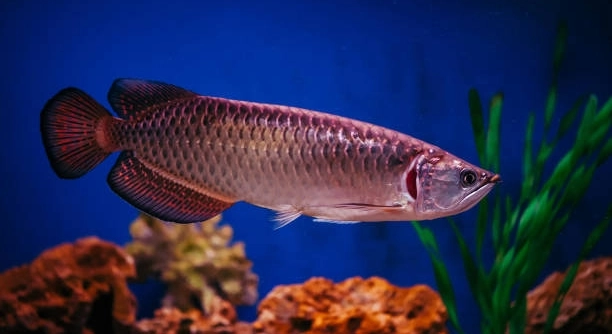
Have you ever noticed arowanas gliding gracefully in aquariums and wondered about their life in captivity? These fish are admired for their elegance and strength, making them popular choices for home aquariums. Observing their behavior can be fascinating.
Arowanas in captivity typically live between 10 to 15 years, though with ideal care, some can reach up to 20 years. Lifespan depends on water quality, diet, tank size, and overall maintenance practices.
Understanding how to properly care for your arowana can improve its longevity and overall well-being. Small adjustments in daily routine can make a significant difference in maintaining a healthy fish.
Factors Affecting Arowana Lifespan
Arowanas are delicate fish, and their lifespan in captivity depends on several key factors. Water quality is critical; keeping ammonia, nitrite, and nitrate levels low can prevent stress and illness. Temperature stability also matters, as sudden changes can weaken their immune systems. Diet plays a major role, too. Feeding arowanas a balanced diet with live or frozen foods ensures they get the nutrients necessary for growth and vitality. Tank size is equally important—overcrowding can lead to aggression, stunted growth, and increased disease risk. Regular maintenance, such as cleaning filters and changing water, supports a healthy environment. Even the placement of the tank in a quiet area can reduce stress levels. Observing your fish daily helps you notice early signs of illness or distress. By paying attention to these factors, you can significantly influence how long your arowana lives and maintains its health.
Water quality, diet, and tank size are the most immediate factors that influence how long an arowana will live.
Small adjustments, like consistent feeding schedules and careful monitoring of water parameters, can dramatically improve your arowana’s life. These daily practices are simple but highly effective.
Common Health Issues in Captivity
Arowanas may develop health issues if conditions are not ideal, but most problems can be prevented with proper care.
One common concern is swim bladder disease, which affects buoyancy and can be caused by improper diet or sudden temperature changes. Another issue is fin rot, usually triggered by poor water quality. Parasites and bacterial infections are also risks, especially in overcrowded or poorly maintained tanks. Stress from aggressive tank mates or inadequate space can weaken the immune system, making fish more prone to illness. Regular observation, proper filtration, and maintaining consistent water conditions help minimize these risks. Treating problems early increases the chance of recovery and reduces long-term effects. Preventive measures, like quarantining new fish before introducing them to the main tank, also play a vital role. By understanding common health issues, you can create a safer environment, reduce stress, and extend your arowana’s lifespan while keeping it active and vibrant.
Feeding Your Arowana
A balanced diet keeps arowanas healthy and supports their growth. Feeding a mix of live, frozen, and pellet foods ensures they get proper nutrition. Avoid overfeeding, as it can lead to water pollution and digestive issues.
Feeding live foods like small fish, insects, or shrimp provides protein that encourages growth and vibrant coloration. Frozen foods are convenient and reduce the risk of introducing diseases. Pellets can be used to supplement their diet, offering essential vitamins and minerals. It’s important to feed them in portions they can consume within a few minutes. Rotating food types keeps them interested and ensures they receive a variety of nutrients. Overfeeding or poor-quality food can lead to obesity, bloating, or organ problems, so careful planning is essential.
Consistency in feeding schedules also benefits arowanas. Feeding at the same time daily helps regulate metabolism and digestion. Observing how much your fish eats will allow you to adjust portions as needed. Using high-quality foods and avoiding fillers or artificial additives supports long-term health and strengthens the immune system. A well-fed arowana is more active, shows brighter colors, and develops stronger muscles. With proper feeding habits, your arowana can thrive and live closer to its full lifespan potential.
Tank Setup and Maintenance
Arowanas need spacious tanks with clean, well-filtered water. Proper decorations provide hiding spots but avoid overcrowding.
Tank size directly affects their health. Arowanas grow large, often exceeding two feet, so a tank of at least 250 gallons is recommended for adults. Strong filtration is essential because these fish produce a significant amount of waste. Regular water changes help maintain stable water parameters and reduce toxins. Substrate choice matters; sand or smooth gravel prevents injury. Decorations like driftwood or rocks should be positioned carefully to avoid sharp edges. Lighting should mimic a natural day-night cycle, supporting natural behavior. Proper aeration ensures oxygen levels remain adequate, preventing stress and improving overall health. Monitoring water temperature and pH consistently keeps the environment stable, which is crucial for longevity.
Maintenance also involves routine checks of equipment and water quality. Filters should be cleaned regularly, and water tested for ammonia, nitrite, and nitrate levels. Removing uneaten food and debris prevents bacterial growth. Observing your fish during these routines helps detect early signs of disease or stress. Maintaining consistency in tank care reduces mortality risk and supports growth. A well-maintained tank encourages natural swimming patterns, enhances coloration, and strengthens immunity. Paying attention to these details ensures your arowana can thrive in captivity for many years, providing a healthy and visually appealing aquatic environment.
Water Quality Essentials
Clean water is crucial for arowanas. Regular testing for ammonia, nitrites, nitrates, and pH keeps their environment safe. Maintaining stable temperature and oxygen levels reduces stress and prevents disease.
Filtration and partial water changes are key. Removing debris and uneaten food helps prevent harmful bacteria growth. Using a reliable water conditioner ensures safe water free from chlorine and heavy metals. Monitoring water hardness and pH stability supports natural bodily functions. Consistency in water maintenance allows your arowana to remain active, healthy, and less prone to illnesses, ultimately supporting a longer lifespan in captivity.
Common Behavioral Traits
Arowanas are naturally territorial and active swimmers. They often patrol the top areas of the tank and may jump if startled.
Observing their behavior can help detect health or stress issues early. Aggressive tendencies may appear toward other tank mates, requiring careful tank management.
Signs of Aging
As arowanas age, their activity levels may decline, and color intensity can fade.
Monitoring these changes ensures timely adjustments in care and diet to maintain comfort and health.
FAQ
How long do arowanas live in captivity?
Arowanas generally live between 10 to 15 years in captivity, though some can reach 20 years with optimal care. Lifespan depends on tank conditions, water quality, diet, and overall maintenance. Consistent attention to these factors ensures a healthier, longer life.
What is the best diet for arowanas?
Arowanas need a balanced diet including live, frozen, and pellet foods. Live foods like small fish, insects, or shrimp provide protein for growth and strong muscles. Frozen foods are safer and convenient, while high-quality pellets offer essential vitamins and minerals. Avoid overfeeding to prevent water pollution and health issues. Rotating food types keeps them interested and nourished.
What size tank does an arowana need?
Adult arowanas require at least a 250-gallon tank due to their large size and active swimming habits. Juveniles can start in smaller tanks but will need frequent upgrades. Proper tank size reduces stress, prevents aggression, and supports natural swimming behavior. Adequate space is essential for overall health and growth.
How often should I change the water?
Partial water changes of 20–30% weekly are recommended. This helps remove waste, reduce nitrate buildup, and maintain stable water parameters. Consistent changes prevent disease, promote healthy growth, and keep the tank environment suitable for your arowana’s long-term well-being.
What are common health problems in captivity?
Swim bladder disease, fin rot, and bacterial infections are common issues. Poor water quality, sudden temperature changes, and overcrowding increase risk. Observing behavior, maintaining proper filtration, and quarantining new fish can prevent problems. Early treatment is essential to reduce long-term health effects.
Can arowanas live with other fish?
Arowanas are territorial and may become aggressive toward tank mates, especially smaller fish. Carefully selecting compatible species and providing enough space minimizes conflicts. Monitoring interactions and adjusting tank setup can help create a more harmonious environment while reducing stress.
How can I prevent arowanas from jumping?
Arowanas are natural jumpers. Covering the tank with a secure lid and minimizing sudden disturbances helps prevent injuries. Proper tank size and water depth also reduce the likelihood of jumping while keeping the fish active and healthy.
How do I know my arowana is stressed?
Signs of stress include reduced appetite, rapid gill movement, erratic swimming, or hiding. Stress can result from poor water quality, aggressive tank mates, or sudden changes in the environment. Addressing these issues quickly helps maintain health and longevity.
What temperature is ideal for arowanas?
A stable temperature between 75°F and 82°F supports metabolism, digestion, and immunity. Avoid sudden fluctuations, as they can stress the fish and increase vulnerability to disease. Using a reliable heater and thermometer ensures consistency.
Do arowanas require special lighting?
Moderate lighting that mimics natural day-night cycles is sufficient. Proper lighting enhances coloration and encourages natural behavior. Avoid bright, direct lights that can cause stress or algae growth. A regular schedule promotes overall health and activity.
How often should I feed my arowana?
Juvenile arowanas should be fed twice daily, while adults can be fed once a day or every other day. Portion control is important—feed only what they can consume in a few minutes. Consistent feeding schedules support digestion and overall vitality.
Is tank decoration important?
Yes, but it should not overcrowd the tank. Smooth rocks, driftwood, and minimal hiding spots help create a stimulating yet safe environment. Avoid sharp objects that can injure your arowana. Proper decorations reduce stress and encourage natural swimming patterns.
Can arowanas change color with age?
Color intensity may fade as arowanas age or due to stress, poor diet, or inadequate lighting. A balanced diet, stable water, and proper lighting help maintain vibrant colors. Monitoring health ensures the fish remains visually striking throughout its life.
How do I quarantine new fish?
Quarantine new fish for 2–4 weeks in a separate tank to prevent disease transmission. Observe for signs of illness, treat if necessary, and ensure water parameters match the main tank. This simple step protects your arowana from potential infections.
Are arowanas hardy fish?
They are moderately hardy but sensitive to poor water quality and sudden changes. Proper tank maintenance, diet, and careful observation help them thrive. With consistent care, arowanas can live long, healthy lives in captivity.
Arowanas are remarkable fish that can bring beauty and activity to any well-maintained aquarium. Their long lifespan in captivity is possible, but it requires careful attention to their needs. Maintaining clean water, monitoring temperature, and providing enough space are essential steps that directly affect their health. These fish are naturally active swimmers, and they need room to move freely. A tank that is too small or overcrowded can stress them and shorten their lifespan. Paying attention to water parameters, including ammonia, nitrite, nitrate levels, and pH, ensures a stable environment. Even minor fluctuations can affect their health over time. Regular water changes and proper filtration help maintain a consistent habitat, making daily observation important to notice any changes in behavior or signs of illness early.
Diet plays a critical role in how long arowanas live and how well they thrive. Providing a variety of foods ensures they get all the necessary nutrients for growth, coloration, and strong immune systems. Live foods, frozen options, and high-quality pellets each contribute different benefits. Overfeeding or giving low-quality foods can cause digestive problems and water pollution, which then affects the fish’s overall health. Consistent feeding schedules support proper metabolism and help prevent stress. Observing their eating habits and adjusting portions when necessary ensures the fish remain healthy and active. Arowanas may also show changes in behavior as they age, and diet adjustments can help address their changing needs. Careful attention to feeding habits makes a noticeable difference in their wellbeing.
Proper tank setup, careful monitoring, and attention to common health concerns all combine to create an environment where arowanas can thrive. These fish may face health challenges such as swim bladder issues, fin rot, or bacterial infections, but many problems can be prevented with good practices. Understanding their natural behaviors, like territorial tendencies and jumping, helps in creating a safe habitat. Decorations, tank mates, and lighting should be chosen carefully to reduce stress. Paying attention to these details allows your arowana to live closer to its full lifespan potential, remaining active, healthy, and visually vibrant. Small daily efforts, including cleaning, feeding, and observation, add up over time. By maintaining consistency in care and creating a stable, nurturing environment, you can enjoy the beauty and presence of an arowana for many years. Arowanas are not only a long-term commitment but also a rewarding addition to a home aquarium when their needs are consistently met.

Hello,
If you enjoy the content that we create, please consider saying a "Thank You!" by leaving a tip.
Every little bit helps us continue crafting quality advice that supports the health, happiness, and well-being of pets around the world, for pets of all shapes, sizes, and species.
We really appreciate the kindness and support that you show us!