
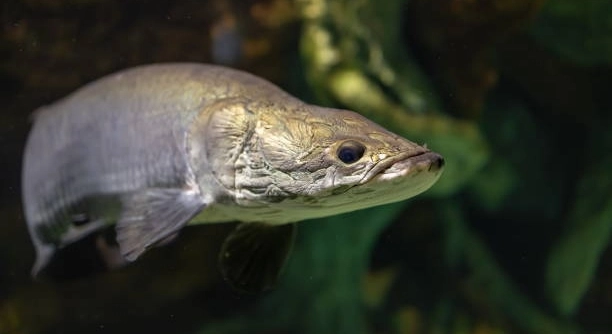
Are your Arowana acting more aggressive than usual, snapping at tankmates or showing signs of stress? Many fish owners face this challenge when trying to maintain a peaceful aquarium environment for their prized Arowana.
Aggressive behavior in Arowanas is often linked to territorial instincts, improper tank conditions, or dietary imbalances. Stress, overcrowding, and environmental changes can also provoke hostility, making it essential to monitor their habitat closely to ensure proper health and social balance.
Learning the causes behind your Arowana’s aggression can help prevent injuries and stress. Understanding these factors will allow you to maintain a calmer and healthier aquatic environment.
Overcrowded Tank
When I first noticed my Arowana acting out, I realized the tank was much too small for its size. Overcrowding can make these fish feel trapped, causing constant stress and territorial aggression. Arowanas need plenty of space to swim freely and establish their territory without feeling threatened. Keeping multiple large fish together without sufficient room often leads to constant chasing, fin nipping, and even injuries. In addition, limited space can disrupt water quality, which further agitates your fish. A spacious tank with proper hiding spots and open swimming areas can reduce aggression significantly. Observing your fish carefully will help you spot the early signs of tension, such as rapid gill movement, darting, or persistent chasing. It’s essential to balance the number of fish with the tank size, as even healthy and well-fed Arowanas may act aggressively if they feel confined. Small changes can make a big difference in calming their behavior.
Overcrowding triggers stress and fights. Giving your Arowana enough room and hiding spots lowers aggression and creates a peaceful environment for all fish.
Providing a larger tank, rearranging décor, and separating overly aggressive individuals can improve harmony. Overcrowding is one of the main reasons your Arowana may lash out repeatedly, even if feeding and water conditions are correct. By giving them more space, you allow them to swim naturally, claim personal territory, and reduce stress levels. Stress from cramped conditions can weaken the immune system, making them more prone to illness. Additionally, overcrowding increases competition for food, causing your fish to act aggressively to secure resources. Simple adjustments like increasing tank size, spacing decorations, or adding barriers between fish can significantly improve behavior. Watching interactions over time helps identify which fish need more space or separation. A calm environment encourages natural behavior, reduces injuries, and promotes long-term health, making your Arowana more predictable and easier to care for.
Poor Water Quality
Dirty water can quickly lead to irritability in Arowanas. High ammonia or nitrite levels make them restless and aggressive, so keeping water clean is essential.
Neglecting water changes or filtration causes stress, which can escalate fights and chasing among your fish.
Consistently testing water parameters and performing regular maintenance ensures a healthy environment. Sudden changes in temperature, pH, or chemical balance can also trigger aggression. I learned that frequent partial water changes, proper filtration, and monitoring temperature kept my Arowana calmer and less likely to attack tankmates. Uneaten food should be removed promptly to prevent spikes in ammonia. Adding aeration or circulation helps maintain oxygen levels, reducing agitation. Even minor water fluctuations can cause stress, so keeping conditions stable helps your fish feel secure. Using a water test kit regularly allows you to catch issues before aggression begins. Healthy water supports normal behavior, appetite, and growth, reducing incidents of chasing or territorial displays. Consistent care keeps the tank peaceful and ensures your Arowana thrives for years.
Territorial Behavior
Arowanas are naturally territorial and may attack anything they see as a threat. Aggression often increases when new fish are introduced or when they feel their space is being invaded.
I noticed my Arowana became aggressive when I added a smaller fish to the tank. Territorial instincts can make even calm fish chase, nip, or corner other tankmates. They establish a “personal zone” and protect it vigorously. Rearranging décor or adding visual barriers can help break established territories and reduce confrontations. Sometimes separating fish temporarily allows them to acclimate without constant stress. Observing interactions carefully helps determine which individuals need space, and making adjustments can prevent injuries and stress. Territorial behavior is normal, but managing the environment helps maintain peace.
Over time, creating separate zones within the tank and avoiding overcrowding helped my Arowana feel secure. Giving each fish a defined space lowers aggression and prevents constant chasing.
Inadequate Diet
A poor diet can lead to irritability and increased aggression in Arowanas. Lack of nutrients or irregular feeding schedules often triggers restless and aggressive behavior.
When I first noticed my Arowana acting out, I realized I wasn’t providing enough variety. Feeding only pellets or low-quality food caused it to hunt aggressively, even within the tank. A balanced diet with protein-rich foods like fish, shrimp, or insects is essential. Consistent feeding times also help reduce stress. Overfeeding should be avoided, as it can lead to water quality issues, which worsen aggression. Supplementing with vitamins supports health, growth, and behavior regulation.
Providing the right diet made a noticeable difference in my Arowana’s behavior. It became calmer, less prone to chasing other fish, and more responsive during feeding. Ensuring a nutrient-rich, varied diet supports their energy needs, reduces stress, and limits aggressive tendencies. Regular observation and adjustment of feeding habits keep behavior predictable. A well-fed Arowana is generally less defensive of its territory and interacts more peacefully with tankmates, creating a calmer tank environment.
Stress from Handling
Frequent handling or tapping on the glass can make Arowanas anxious and aggressive. They may lash out toward other fish or even the tank walls.
I noticed my fish became more defensive after repeated netting and disturbances. Stress triggers sudden aggression and can affect overall health.
Lack of Hiding Spots
Arowanas need places to retreat when they feel threatened. Without hiding spots, they feel exposed and may act aggressively toward tankmates. Providing caves, plants, or decorations reduces tension and allows them to establish a safe zone, calming behavior significantly.
Breeding Instincts
During breeding periods, Arowanas display heightened aggression. Males guard territory and may attack any intruders, including other fish. This behavior is natural and often temporary but requires careful observation.
Why is my Arowana attacking other fish suddenly?
Sudden aggression is usually linked to changes in the tank environment or social dynamics. I once added a new fish, and my Arowana immediately became territorial. Even small changes, like moving décor or altering water flow, can trigger aggressive displays. Stress, hunger, and overcrowding all increase the likelihood of attacks. Observing the fish closely helps identify patterns, and adjusting the environment often calms them. Separating fish temporarily or creating more space can prevent injury and reduce overall tension.
How can I reduce my Arowana’s aggression?
Providing enough swimming space, hiding spots, and a proper diet made a noticeable difference for me. Avoid overcrowding, maintain clean water, and establish a feeding routine. Rearranging decorations or using visual barriers allows fish to claim personal zones without constant confrontation. Adding enrichment like floating logs or broad-leafed plants helps them feel secure. Careful monitoring of interactions ensures aggressive behavior does not escalate. Gradual introductions of new tankmates are essential. Over time, these adjustments reduce territorial disputes and promote calmer interactions, keeping all fish healthier and less stressed.
Is aggressive behavior normal in Arowanas?
Yes, aggression is natural. Arowanas are territorial, predatory fish, and they may chase, nip, or corner other fish to protect their space. I noticed that even healthy, well-fed Arowanas will show signs of aggression if their environment is too small or they feel threatened. Breeding periods also trigger higher aggression in males, which is temporary but intense. Understanding that aggression is instinctual helps manage expectations and allows proper tank management. Environmental adjustments, proper diet, and careful observation help reduce unnecessary conflicts while respecting their natural behavior.
Can stress make my Arowana more aggressive?
Stress is a major factor in aggressive behavior. Frequent handling, tapping on the tank, poor water quality, and sudden changes in temperature or pH can make them defensive. I learned that minimizing disturbances and keeping water stable reduced fights in my tank. Stress also weakens their immune system, making them more susceptible to disease. Providing stable conditions, hiding spots, and consistent feeding routines helps reduce anxiety. When stress is controlled, aggression decreases significantly, and the fish are calmer around tankmates and during routine maintenance.
What role does diet play in aggression?
A poor or inconsistent diet can increase irritability. I noticed my Arowana became restless when I fed only pellets. A balanced diet of high-protein foods, occasional live or frozen prey, and vitamin supplements helped calm it down. Overfeeding should be avoided, as it affects water quality and triggers competition. Feeding at regular times and monitoring portions keeps them satisfied and less likely to chase other fish. Proper nutrition supports energy needs, growth, and overall health, which naturally reduces aggressive tendencies.
Should I separate aggressive Arowanas from the tank?
Sometimes separation is necessary, especially if injuries occur. I had to use a divider when one Arowana became too territorial. Temporary separation allows fish to calm down and reduces stress. For long-term solutions, consider increasing tank size or providing more hiding spaces. Dividers can also help during breeding periods, preventing damage to both the pair and other tankmates. Monitoring behavior and making timely adjustments prevent long-term harm and ensure a healthier, calmer environment.
How can I tell if aggression is due to breeding?
During breeding periods, males guard territory and become unusually aggressive. I noticed chasing and defensive behavior increased for several weeks. They may attack other fish, especially potential threats to their spawning area. Recognizing this pattern helps differentiate normal breeding aggression from other issues. Creating temporary separations or additional space during breeding reduces injuries while allowing natural behaviors to continue safely.
Can environmental enrichment help reduce aggression?
Yes, adding decorations, plants, or structures provides hiding spots and breaks up sightlines. My Arowana became noticeably calmer after adding broad-leafed plants and floating logs. Enrichment allows fish to establish zones, reduces stress, and minimizes constant chasing. Rotating decorations occasionally keeps the environment stimulating while still maintaining personal spaces. This simple adjustment significantly lowers aggression and supports a healthier tank dynamic overall.
Is water quality linked to aggression?
Poor water quality is a major contributor to irritability. Ammonia, nitrites, and sudden pH changes make Arowanas stressed and defensive. I saw immediate improvement after consistent water testing and partial water changes. Clean, stable water supports calm behavior, prevents disease, and improves appetite. Proper filtration and monitoring are essential, as aggression often worsens when water conditions decline. Maintaining a stable environment allows Arowanas to behave normally and reduces conflicts with tankmates.
Can multiple factors combine to increase aggression?
Yes, aggression is often the result of several overlapping issues. In my experience, a crowded tank with poor water quality and inconsistent feeding created a very hostile environment. Each factor alone may not trigger extreme behavior, but together they can cause constant stress and fights. Addressing space, diet, water quality, and enrichment together produces the best results. Careful observation and incremental changes help manage multiple causes simultaneously, ensuring a calmer, healthier aquarium for all fish.
How long does it take to calm an aggressive Arowana?
Improvement can take days to weeks depending on the cause. I saw noticeable changes within a week after adjusting space, diet, and hiding spots, but full behavior normalization took a few weeks. Patience is key, as sudden changes can increase stress. Consistent maintenance and monitoring create a predictable, safe environment, allowing aggressive tendencies to subside naturally. Incremental improvements in tank conditions gradually restore calm behavior while supporting overall health.
Arowanas are naturally beautiful and impressive fish, but their aggressive behavior can be challenging for many aquarium owners. Understanding the reasons behind this behavior is the first step to managing it effectively. Aggression is often linked to environmental factors, such as overcrowding, poor water quality, or lack of hiding spaces. Territorial instincts also play a major role, especially when other fish are present. Even well-fed and healthy Arowanas may display aggressive tendencies if they feel their space is being threatened. By carefully observing their behavior and making thoughtful adjustments to their habitat, it is possible to create a calmer and safer tank environment.
Diet and feeding routines also have a significant impact on behavior. A balanced diet with high-quality protein, occasional live or frozen food, and essential vitamins supports both health and temperament. Irregular feeding or insufficient nutrition can lead to restlessness and increased aggression. I noticed that when my Arowana’s diet was improved and feeding times became consistent, aggressive incidents reduced noticeably. Overfeeding should be avoided, as it can deteriorate water quality and further stress the fish. Maintaining a clean, stable environment with consistent feeding routines not only encourages calmer behavior but also promotes long-term health and growth.
Managing aggression is also about patience and observation. Some behaviors, like breeding-related aggression or territorial disputes, are natural and may not disappear entirely. Temporary separation, adding hiding spots, and increasing tank size are practical strategies to reduce tension. Changes in tank décor or enrichment can provide safe spaces for Arowanas to feel secure. Monitoring water quality, temperature, and other environmental factors ensures that stress does not accumulate. Over time, these small but consistent adjustments can lead to a noticeable improvement in behavior. While Arowanas may always have moments of assertiveness, understanding their needs and responding thoughtfully allows for a harmonious and healthy tank. A calm, well-maintained environment benefits not only the fish but also the experience of caring for them.

Hello,
If you enjoy the content that we create, please consider saying a "Thank You!" by leaving a tip.
Every little bit helps us continue crafting quality advice that supports the health, happiness, and well-being of pets around the world, for pets of all shapes, sizes, and species.
We really appreciate the kindness and support that you show us!