
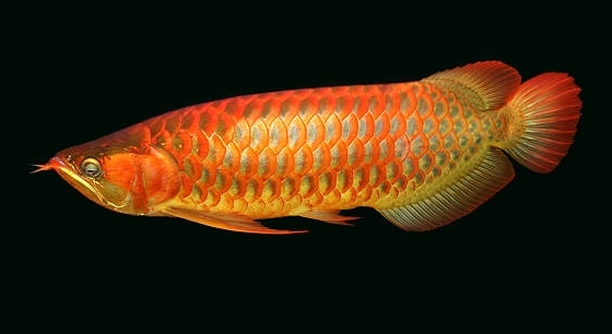
Have you noticed your arowana gliding through the tank in unusual ways, sometimes appearing upside down? Watching them move can be fascinating, and these graceful fish often show surprising behaviors that catch the eye of any fish keeper.
Arowana swim upside down mainly due to swim bladder issues or stress, which affect their buoyancy and balance. This behavior can also result from water quality problems, dietary imbalances, or underlying health conditions that need attention.
Observing this behavior is important, as it can reveal signs of health or environmental changes affecting your fish’s well-being.
Common Causes of Upside-Down Swimming
Many arowana owners notice their fish flipping or swimming oddly, which can be alarming at first. One frequent reason is a problem with the swim bladder, a small internal organ that helps the fish control buoyancy. When this organ is not functioning properly, the fish struggles to maintain balance and may tip upside down or float unevenly. Poor water conditions also play a significant role. High ammonia or nitrite levels, or extreme pH changes, can stress the fish, leading to irregular swimming patterns. Nutrition is another factor; overfeeding or a diet lacking essential nutrients can affect buoyancy and overall health. Sometimes, infections or parasites cause inflammation or weakness, making it harder for the arowana to swim normally. Regular observation, water testing, and a balanced diet help prevent these issues, keeping the fish stable and active in the tank environment.
Upside-down swimming is usually a sign that something in the tank or diet needs adjustment to restore normal behavior.
Monitoring water quality, providing a varied diet, and checking for infections can significantly improve your arowana’s swimming posture and general health, reducing stress and promoting longevity in captivity.
Preventing and Addressing the Behavior
Early detection is key. Observing your arowana daily helps identify changes before they worsen. Regular water changes, proper filtration, and stable temperatures create a safe environment that reduces stress and health problems.
If your fish shows persistent upside-down swimming, it’s important to examine diet and feeding habits carefully. Avoid overfeeding and provide nutrient-rich foods suitable for arowana. Supplements may help if a nutritional deficiency is suspected. Addressing water quality is equally crucial; consistent testing for ammonia, nitrites, nitrates, and pH ensures the tank stays within safe parameters. For swim bladder issues caused by infection or internal problems, consulting an aquatic veterinarian is recommended. Sometimes treatments like antibiotics or temperature adjustments are necessary. With careful observation and proactive care, arowanas often regain normal swimming behavior, maintaining their graceful presence. Patience and consistent maintenance are essential for long-term health and reducing upside-down episodes.
Tank Environment Considerations
Maintaining a stable tank environment is critical for arowanas. Sudden changes in temperature, pH, or water hardness can stress the fish, causing abnormal swimming. Proper filtration and regular water changes help maintain balance and prevent upside-down swimming.
Arowanas are sensitive to water quality. High ammonia, nitrites, or nitrate levels can interfere with buoyancy and overall health. Strong water currents may also challenge their balance, especially in smaller tanks. Positioning decorations and plants carefully allows free movement without causing collisions. Keeping the tank at a consistent temperature reduces stress, and testing water parameters weekly ensures any issues are caught early. This routine helps maintain normal swimming patterns.
Lighting and tank size also affect behavior. Dim or uneven lighting can make arowanas feel insecure, while cramped tanks restrict movement, increasing the likelihood of upside-down swimming. Adequate space, consistent light cycles, and careful placement of structures promote comfort, stability, and natural swimming behaviors for a healthy fish.
Diet and Nutrition
Providing a balanced diet prevents many health-related swimming problems. Arowanas require protein-rich foods like fish, shrimp, and insects. Overfeeding or feeding low-quality food can lead to swim bladder stress and abnormal behavior.
Supplements and variety are important. Rotating between live, frozen, and pellet foods ensures proper nutrition and reduces digestive issues. Foods high in fat or indigestible items can cause bloating, affecting buoyancy. Avoid sudden dietary changes, as they may trigger stress or digestive upset. Observing how your fish eats and adjusting portions helps maintain optimal weight and reduces upside-down swimming incidents.
Hydration and feeding schedules matter too. Small, frequent meals are better than occasional large feedings. Overfeeding once or twice a week can still disrupt the swim bladder and make the fish float improperly. Including fiber-rich foods like vegetables or occasional plant matter aids digestion. Monitoring growth and appetite allows adjustments before minor problems become persistent, keeping your arowana healthy, balanced, and swimming naturally.
Recognizing Early Warning Signs
Upside-down swimming is often accompanied by other signs like loss of appetite, lethargy, or unusual floating. Noticing these behaviors early can prevent serious health issues and help your arowana recover faster.
Physical changes such as bloating, fins clamping, or irregular gill movement often indicate swim bladder or digestive problems. Monitoring these signs alongside swimming patterns allows timely intervention and reduces the risk of long-term complications.
Importance of Regular Check-Ups
Regular health checks, including observation and water testing, are essential for arowanas. Consistent monitoring helps detect early problems with swim bladder, diet, or water quality before they become severe. Keeping a log of behavior, feeding habits, and tank conditions supports long-term health and stability.
Common Misconceptions
Upside-down swimming is sometimes thought to be normal or harmless. Many assume arowanas occasionally float this way without consequence, but repeated incidents usually point to underlying issues that need attention.
FAQ
Why does my arowana suddenly swim upside down?
A sudden change in swimming behavior is usually linked to stress, water quality issues, or swim bladder problems. Rapid fluctuations in temperature, pH, or ammonia levels can disorient your fish. Diet changes or overeating can also cause bloating, making it difficult for your arowana to maintain proper balance. Observing the fish closely and checking tank conditions can help identify the cause quickly.
Can upside-down swimming harm my arowana permanently?
If the underlying problem is ignored, repeated upside-down swimming can lead to long-term issues. Swim bladder dysfunction, digestive problems, or persistent stress may affect growth and mobility. Early detection and corrective care, including proper diet, clean water, and veterinary advice if needed, usually allow full recovery.
How can I tell if it’s a swim bladder issue?
Swim bladder problems often present as consistent difficulty in maintaining orientation, floating to the top, or sinking to the bottom. The fish may tilt or roll when swimming. Bloating, changes in appetite, and slow or labored swimming often accompany this condition. Observing these signs alongside water quality and diet helps confirm the diagnosis.
Does water quality really affect swimming behavior?
Absolutely. Arowanas are sensitive to ammonia, nitrite, and nitrate levels. Even minor changes in pH or temperature can stress them. Stress affects buoyancy and coordination, leading to upside-down swimming. Maintaining stable conditions with regular water testing and consistent filtration is critical for healthy, normal movement.
Can diet fix upside-down swimming?
Diet plays a major role in preventing swim bladder and digestive issues. Overfeeding or providing fatty or indigestible foods can cause bloating, affecting buoyancy. Offering balanced meals, incorporating live, frozen, and pellet foods, and feeding small, frequent portions can prevent or correct abnormal swimming behavior.
Should I isolate my arowana if it swims upside down?
Isolation isn’t always necessary unless the fish shows severe stress or illness. However, separating it can reduce competition for food and limit aggressive encounters, allowing easier monitoring. Ensure the isolated tank matches water parameters to prevent additional stress while recovery takes place.
Are tank decorations a factor?
Yes, tank layout influences swimming comfort. Large or sharp decorations can obstruct movement, especially in smaller tanks. Overcrowded spaces make it harder for arowanas to maintain balance and may trigger upside-down swimming. Keeping open swimming areas and safe hiding spots promotes natural behavior.
How long does it take for an arowana to recover?
Recovery depends on the cause. Minor digestive or water stress issues may resolve in days with proper care. Swim bladder infections or serious internal problems can take weeks and may require veterinary treatment. Consistency in water quality, diet, and observation accelerates improvement.
Can stress alone cause upside-down swimming?
Yes, stress is a common trigger. Aggressive tank mates, sudden changes in environment, or inadequate space can disturb balance and lead to abnormal swimming. Reducing stressors, maintaining routine care, and providing a stable environment help restore normal swimming behavior over time.
When should I consult a veterinarian?
If upside-down swimming persists despite proper care, or is accompanied by bloating, loss of appetite, or unusual discoloration, it’s time to seek veterinary advice. A professional can diagnose swim bladder infections, internal issues, or other health problems and recommend effective treatment to prevent long-term damage.
This FAQ covers the most common concerns regarding upside-down swimming in arowanas, addressing causes, prevention, and recovery strategies to help maintain your fish’s health and well-being.
Final Thoughts
Upside-down swimming in arowanas is often alarming, but it is usually a sign that something in their environment, diet, or health needs attention. These fish are sensitive creatures, and even small changes in water quality or tank conditions can affect their buoyancy and balance. Observing your arowana daily allows you to notice unusual behaviors early. Small signs, such as tilting, slow movement, or changes in appetite, are often the first indicators that something is off. Addressing these signs promptly can prevent more serious problems from developing. Regular monitoring of tank temperature, pH, ammonia, nitrites, and nitrates is essential for maintaining a healthy environment. This also ensures that your fish remains comfortable and able to swim naturally.
Proper nutrition is another key factor in preventing upside-down swimming. Overfeeding or feeding inappropriate foods can lead to bloating and swim bladder issues. A balanced diet that includes protein-rich foods like shrimp, fish, and insects, along with occasional vegetables, helps maintain digestive health and buoyancy. Feeding smaller, more frequent meals instead of one large meal reduces the risk of digestive problems and ensures that the fish remains energetic and stable in the water. Paying attention to portion size and food quality can make a noticeable difference in your arowana’s swimming behavior. Supplements may be helpful if your fish is not getting all necessary nutrients, but these should be used carefully and only when needed.
Creating a stable and stress-free tank environment is equally important. Overcrowded tanks, sharp or poorly placed decorations, and sudden changes in water conditions can trigger abnormal swimming patterns. Ensuring adequate swimming space, consistent lighting, and a peaceful tank setup helps your arowana feel secure and balanced. When swim bladder or other health issues occur, consulting an aquatic veterinarian can provide solutions that home care alone may not resolve. With consistent observation, proper care, and attention to diet and water quality, most arowanas can recover from upside-down swimming and continue to thrive. Prioritizing these aspects ensures long-term health, stability, and natural swimming behavior, giving your arowana the best chance to remain active and healthy in your tank.

Hello,
If you enjoy the content that we create, please consider saying a "Thank You!" by leaving a tip.
Every little bit helps us continue crafting quality advice that supports the health, happiness, and well-being of pets around the world, for pets of all shapes, sizes, and species.
We really appreciate the kindness and support that you show us!