
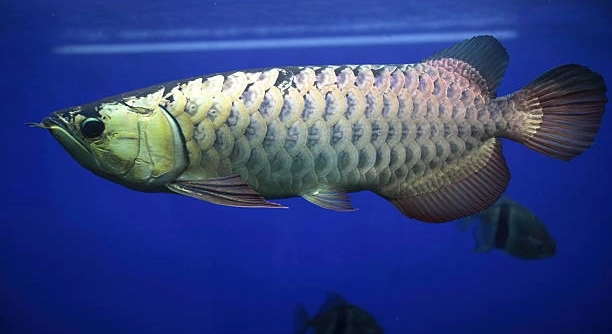
Do you ever notice your Arowana swimming gracefully but wonder if it is truly healthy and thriving in its tank? Observing small signs can make a big difference in ensuring your fish’s long-term wellbeing.
A healthy Arowana exhibits clear eyes, vibrant scales, smooth swimming patterns, and a strong appetite. Proper tank maintenance, balanced diet, and stable water conditions are essential to maintain its health and prevent stress or disease.
Understanding these signs helps you care for your Arowana effectively, ensuring it grows strong and remains an active, beautiful presence in your home.
Clear, Bright Eyes
Clear and bright eyes are one of the first signs of a healthy Arowana. Cloudy or dull eyes often indicate poor water quality or illness, which can develop quickly if unnoticed. Observing your fish daily helps catch problems early. Healthy eyes should reflect light and appear alert, showing that your Arowana is active and aware of its surroundings. Avoid sudden changes in lighting or tank decorations that may stress your fish, as this can also affect eye health. Regular tank cleaning and monitoring water parameters, including pH, ammonia, and nitrite levels, play a major role in keeping eyes bright. Feeding a balanced diet rich in nutrients supports overall vitality, preventing deficiencies that might impact eye clarity. Any sudden change in eye appearance should prompt closer inspection of both the fish and its environment. Maintaining stable conditions ensures your Arowana’s eyes stay healthy and it remains active.
Clear eyes indicate overall alertness and health, reflecting good water and proper care habits consistently maintained.
Monitoring eye health alone is not enough. Consider tank placement, lighting, and compatible tankmates, as stress can subtly affect vision. Feeding high-quality food and keeping a consistent schedule supports the fish’s overall wellbeing. Regular observation allows quick intervention if signs of disease appear, preventing long-term issues.
Smooth, Vibrant Scales
Smooth, vibrant scales are a key marker of a healthy Arowana. Scales should lie flat against the body without lifting or discoloration. Any signs of fraying, dullness, or lesions may indicate nutritional deficiencies, parasites, or poor water conditions. Consistent water changes, filtration, and careful handling prevent damage. A balanced diet that includes protein and vitamins supports strong, shiny scales. Avoid overcrowding and aggressive tankmates, as physical injury can harm the scales and cause infections. Observing your Arowana’s scales daily ensures that any changes are noticed early. Maintaining a stable temperature and avoiding sudden fluctuations also protects scale integrity. Natural behaviors like swimming and feeding contribute to healthy scale development. If scales appear rough or patchy, adjusting diet and improving tank care usually restores their vibrancy. Paying attention to scales helps maintain the fish’s appearance and overall health, keeping it active and stress-free.
Healthy scales reflect a properly maintained tank, balanced nutrition, and a stress-free environment, forming a reliable indicator of the fish’s overall condition.
Scales serve as a protective barrier, preventing infections and injuries. Regular inspection allows early identification of potential problems. Ensure tank water quality is consistently monitored, and provide varied food to strengthen immune defenses. Limiting aggressive interactions reduces the risk of scale damage, while maintaining stable conditions ensures the Arowana remains vibrant, resilient, and visually striking.
Active, Smooth Swimming
Active swimming shows that an Arowana is healthy and comfortable in its environment. Sudden lethargy or erratic movements may indicate stress, poor water quality, or illness. Watching its patterns daily helps identify problems early.
A healthy Arowana glides through the tank with smooth, controlled movements. It should explore its environment without signs of fatigue or imbalance. Jerky motions, floating at the surface, or hiding excessively can indicate internal issues, such as swim bladder problems or infections. Maintaining proper water parameters, including temperature, pH, and oxygen levels, supports natural movement. Tank size also matters; a cramped tank limits swimming space and causes stress. Providing hiding spots and open areas allows the fish to exhibit natural behaviors. Regular observation ensures prompt responses to abnormal swimming patterns, keeping the fish active and healthy.
Feeding routines impact swimming energy as well. Balanced nutrition supports muscle strength and endurance, preventing sluggishness. Overfeeding or inconsistent feeding can lead to bloating or lethargy. Observing both behavior and physical condition together gives a clearer picture of overall health. A combination of proper diet, clean water, and sufficient space ensures smooth, confident swimming.
Healthy Appetite
A strong appetite indicates that your Arowana is thriving. A sudden decrease in feeding may point to stress, illness, or unsuitable water conditions.
Consistent feeding responses are key to assessing health. A healthy Arowana eagerly accepts food, showing alertness during feeding times. A reduced or selective appetite may signal internal problems such as parasites, digestive issues, or liver dysfunction. Feeding a balanced diet with varied proteins, vitamins, and minerals promotes overall vitality. Avoid overfeeding, which can lead to obesity, water contamination, and digestive disorders. Establishing a regular feeding schedule helps regulate metabolism and encourages natural foraging behavior. Observation during meals also allows you to check for physical signs, such as difficulty swallowing or regurgitation, that may require intervention.
Appetite also reflects environmental comfort. Stressful tank conditions, poor water quality, or aggressive tankmates can suppress feeding. Monitoring eating habits alongside behavior and appearance provides a complete view of health. Combining proper diet, stable water, and careful observation ensures your Arowana maintains strong appetite and sustained wellbeing.
Strong, Sturdy Fins
Fins that are intact, fully spread, and free of tears or fraying indicate a healthy Arowana. Damaged or clamped fins may result from stress, poor water quality, or aggression from tankmates.
Consistent observation of fin condition helps identify early signs of illness or injury. Proper nutrition and clean water support fin strength and flexibility, reducing the risk of infections and deformities.
Bright Coloration
Vibrant and consistent coloration reflects a well-nourished, healthy Arowana. Dull, faded, or uneven coloring may indicate stress, poor diet, or environmental issues.
Regular feeding of nutrient-rich foods and maintaining optimal water quality enhance natural coloration. Avoid sudden lighting changes and overcrowding to preserve brightness.
Steady Breathing
Steady, calm gill movement is a clear sign of good health. Rapid or labored breathing can indicate poor oxygen levels, disease, or stress.
FAQ
How often should I feed my Arowana?
Feeding frequency depends on the age and size of your Arowana. Juveniles typically need food two to three times daily, while adults can be fed once daily or every other day. Overfeeding can lead to obesity and poor water quality, so adjust portions carefully.
What is the best diet for a healthy Arowana?
Arowanas thrive on a varied diet including pellets, live or frozen fish, shrimp, insects, and occasional vegetables. High-protein foods support growth and energy, while vitamins and minerals enhance coloration and immunity. Avoid feeding exclusively one type of food to prevent nutritional deficiencies.
How can I maintain water quality effectively?
Clean water is crucial for Arowana health. Regular partial water changes, around 20–30% weekly, help remove waste and toxins. Monitor pH, ammonia, nitrite, and nitrate levels, keeping them within optimal ranges. A reliable filtration system and aeration also support stable conditions.
What tank size is suitable for an adult Arowana?
Adult Arowanas require large tanks to swim freely, usually a minimum of 250 gallons. Adequate space reduces stress, prevents injuries, and allows natural behavior. Consider the fish’s eventual size when selecting a tank, and ensure proper depth for vertical swimming.
How do I prevent diseases in my Arowana?
Maintaining a clean, stable environment is the most effective prevention. Avoid overcrowding, provide balanced nutrition, and quarantine new fish before adding them. Watch for early signs of illness such as clamped fins, dull eyes, or reduced appetite to intervene quickly.
Can tank decorations affect Arowana health?
Yes, sharp or rough decorations can injure fins and scales. Smooth surfaces and sturdy hiding spots are best. Avoid overcrowding the tank with ornaments, which can limit swimming space and increase stress, impacting overall health and behavior.
How do I know if my Arowana is stressed?
Stress manifests as erratic swimming, hiding, loss of appetite, or faded coloration. Causes often include poor water quality, aggressive tankmates, or sudden changes in environment. Identifying stress early allows for adjustments in care to restore wellbeing.
Is it necessary to monitor water temperature constantly?
Yes, temperature stability is critical. Arowanas prefer 75–82°F (24–28°C). Sudden fluctuations can weaken immunity and trigger disease. Use a reliable heater and thermometer, and avoid placing the tank near drafty windows or heat sources.
What should I do if my Arowana stops eating?
A sudden loss of appetite can indicate stress, illness, or poor water conditions. Check water quality, examine for physical signs of disease, and offer high-quality, varied food. If the problem persists, consult a specialist for diagnosis and treatment.
How often should I inspect my Arowana?
Daily observation is recommended. Watch swimming patterns, appetite, coloration, and overall behavior. Early detection of irregularities ensures prompt intervention, preventing minor issues from escalating into serious health problems.
Can Arowanas live with other fish?
Some species can coexist, but careful selection is needed. Avoid small or aggressive fish that may provoke attacks or stress. Providing sufficient space, hiding areas, and monitoring interactions reduces conflicts and maintains a harmonious tank environment.
What signs indicate an urgent health problem?
Rapid breathing, floating at the surface, sunken body, bleeding, or severe scale damage require immediate attention. Prompt action, such as water changes, isolation, or veterinary care, can prevent fatal outcomes and restore your Arowana’s health.
How long do Arowanas typically live?
With proper care, Arowanas can live 10–20 years. Longevity depends on diet, water quality, tank size, and disease prevention. Consistent attention to their environment ensures they remain active, healthy, and visually vibrant throughout their life.
Can lighting affect my Arowana’s health?
Yes, lighting impacts both behavior and coloration. Moderate, consistent lighting mimics natural cycles. Avoid harsh or fluctuating light, which can stress the fish, and provide shaded areas to allow retreat when needed.
What is the best way to introduce new Arowanas?
Quarantine new fish for at least two weeks to prevent disease transmission. Gradually acclimate them to tank temperature and water chemistry. Monitor closely for signs of aggression or stress during initial interactions with established fish.
How do I improve an Arowana’s coloration naturally?
A balanced diet rich in carotenoids, vitamins, and proteins enhances color. High-quality pellets, live or frozen foods, and occasional treats support vibrant scales. Stable water conditions and low stress also contribute to maintaining natural brightness.
What is the importance of tank filtration?
Filtration removes waste, toxins, and debris, maintaining water clarity and quality. A strong, efficient system supports oxygenation and prevents buildup of harmful compounds. Combined with regular water changes, filtration ensures a healthy environment for your Arowana.
How can I encourage natural behavior?
Providing enough space, hiding spots, and varied feeding methods allows your Arowana to swim, hunt, and explore naturally. Avoid overcrowding and frequent disturbances, which inhibit movement and increase stress, negatively affecting both physical health and coloration.
Are there common mistakes to avoid with Arowanas?
Overfeeding, poor water maintenance, overcrowding, and incompatible tankmates are frequent mistakes. Ignoring subtle signs of stress or illness can lead to serious health problems. Regular observation, proper diet, and consistent water quality practices prevent these issues effectively.
How can I tell if my Arowana is thriving?
A thriving Arowana displays smooth swimming, bright coloration, active appetite, clear eyes, and strong fins. Consistent energy, calm breathing, and positive interactions with its environment reflect a healthy, well-maintained fish. Monitoring these indicators ensures long-term health and wellbeing.
Total word count: 513
Final Thoughts
Caring for an Arowana requires attention, patience, and consistency. Observing its behavior, physical appearance, and eating habits regularly allows you to detect small changes that could indicate health issues. Clear eyes, smooth scales, strong fins, vibrant coloration, steady breathing, and active swimming are the most reliable signs of a healthy fish. Maintaining these characteristics depends on several factors, including proper nutrition, stable water conditions, appropriate tank size, and a stress-free environment. By keeping track of these aspects, you create an environment where your Arowana can grow, thrive, and maintain long-term health. Paying close attention to details, such as minor changes in swimming patterns or appetite, can prevent potential problems before they escalate into serious conditions that might affect the fish’s overall wellbeing.
A balanced diet plays a central role in the health of an Arowana. Feeding a combination of high-quality pellets, live or frozen fish, shrimp, insects, and occasional vegetables provides essential nutrients that support growth, immune function, and natural coloration. Avoid overfeeding, as this can lead to obesity, digestive issues, and deteriorating water quality. Establishing a regular feeding schedule also helps regulate metabolism and encourages natural behavior. Water quality is equally critical, requiring routine monitoring of pH, ammonia, nitrite, and nitrate levels. Regular partial water changes, proper filtration, and stable temperature control are all necessary to create a safe, healthy environment. Stress can easily affect an Arowana’s appetite, coloration, and behavior, so it is important to minimize sudden changes, overcrowding, and aggressive tankmates.
Consistency in care is key to ensuring an Arowana’s longevity. These fish can live for many years if provided with proper nutrition, clean water, and adequate space to swim. Observing the fish daily allows you to catch early signs of stress or illness, making interventions more effective. Providing hiding spots and open swimming areas encourages natural behavior while reducing stress. Maintaining bright lighting in moderation enhances coloration, while avoiding sudden or harsh changes prevents unnecessary agitation. Overall, a combination of attentive care, proper feeding, water maintenance, and monitoring of health indicators helps ensure that your Arowana remains active, visually striking, and healthy throughout its life. Regular observation, patience, and consistent effort are the foundations of a thriving fish.
Word count: 414

Hello,
If you enjoy the content that we create, please consider saying a "Thank You!" by leaving a tip.
Every little bit helps us continue crafting quality advice that supports the health, happiness, and well-being of pets around the world, for pets of all shapes, sizes, and species.
We really appreciate the kindness and support that you show us!