
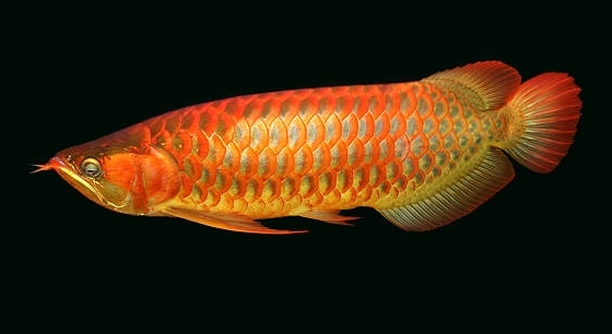
Are you considering adding an arowana to your home aquarium but are unsure where to start? Creating the right environment is essential for your fish’s health and long-term well-being, making careful planning important.
The ideal arowana environment requires a spacious tank with stable water parameters, proper filtration, and adequate lighting. Maintaining consistent temperature, pH levels, and regular cleaning routines ensures the fish’s growth, reduces stress, and promotes overall health and longevity.
Setting up your tank correctly can prevent many common health problems and make your arowana thrive in a safe, comfortable home environment.
Choosing the Right Tank
Selecting a tank for an arowana is the first step in creating a suitable environment. These fish grow large, often exceeding two feet, so a small tank will quickly become inadequate. A tank of at least 250 gallons is recommended for a single adult arowana. The tank should be long and wide, allowing ample swimming space and reducing stress from cramped conditions. High-quality filtration is essential to handle the waste produced by these fish. Consider a combination of mechanical, chemical, and biological filtration to maintain water clarity and stability. Heavy decorations or sharp objects should be avoided as arowanas are strong and can injure themselves. Smooth surfaces and sturdy tank covers prevent accidents, as these fish are known to jump. Regular maintenance, including water changes of 20-30% weekly, will help keep the environment healthy. Proper tank size and setup are the foundation for a thriving arowana.
A large, secure tank reduces stress and provides the necessary space for swimming and growth.
Choosing the right tank involves more than just size. Lighting should mimic natural day and night cycles, with soft lighting preferred to avoid stressing the fish. Arowanas thrive in slightly dim conditions, and floating plants can help diffuse bright light. Temperature must be carefully monitored, typically maintained between 75°F and 82°F, using a reliable heater. Water parameters are equally important; pH should stay around 6.5 to 7.5, and hardness should remain moderate. Proper circulation ensures oxygenation and prevents stagnant areas. Substrate choice matters as well; sand or smooth gravel reduces risk of injury. Overcrowding must be avoided, as it increases aggression and stress. Monitoring the tank environment consistently helps prevent common issues and supports long-term health. With attention to these details, the tank becomes a safe, stable space for your arowana.
Water Quality and Maintenance
Maintaining clean water is vital for an arowana’s health.
Regular water testing and changes prevent toxin buildup and ensure stable parameters. A combination of filtration and careful monitoring keeps the environment safe.
Water quality affects every aspect of an arowana’s life, from appetite to immune system function. Ammonia, nitrite, and nitrate levels must be closely monitored, as spikes can quickly become dangerous. Performing partial water changes weekly helps maintain balance, while avoiding sudden shifts that stress the fish. Dechlorinated water is essential, and using conditioners to remove harmful chemicals supports long-term health. Temperature and pH should be checked frequently, as even minor fluctuations can trigger illness or reduce activity. Cleaning the filter regularly ensures efficiency without disrupting beneficial bacteria. Observing the fish for signs of stress, such as lethargy or clamped fins, provides early warning for potential water issues. With consistent attention, the arowana can thrive in a clean, stable environment that mirrors its natural habitat.
Diet and Feeding
Arowanas need a varied diet to stay healthy. Offering a mix of live, frozen, and pellet foods ensures proper nutrition and supports growth. Overfeeding can harm water quality and cause health issues.
Feeding should occur once or twice daily, depending on the fish’s size and age. Younger arowanas require more frequent meals to support rapid growth, while adults can thrive on smaller portions. Live foods such as small fish, shrimp, or insects provide protein and stimulate natural hunting behaviors. Frozen options like krill or bloodworms offer convenience without compromising nutrition. High-quality pellets can serve as a staple diet, fortified with essential vitamins and minerals. Avoid feeding food that is too large, as this can cause choking or digestive problems. Rotating different food types helps prevent nutrient deficiencies and keeps the arowana active and alert.
Observing how your arowana eats is important. Signs of poor appetite or selective eating can indicate health issues or stress. Maintaining a feeding schedule and monitoring portion sizes supports long-term health. Providing occasional treats encourages natural foraging behaviors, enhancing mental stimulation. A consistent, balanced diet is critical for vibrant colors, strong immunity, and overall vitality, ensuring the fish thrives in a stable environment.
Tank Decorations and Layout
Decorations must be safe and non-abrasive for arowanas. Avoid sharp or unstable items that could injure the fish.
Floating plants, driftwood, and smooth rocks help create hiding spaces and reduce stress. The layout should leave plenty of open swimming space.
The arrangement of the tank influences both behavior and health. Arowanas are strong swimmers and require clear pathways to move freely, so decorations should be minimal but purposeful. Driftwood can provide structure and mimic natural habitats, while floating plants help soften light and provide cover. Avoid overcrowding the tank with ornaments, as this increases the risk of injury and stress. Smooth substrates and surfaces reduce the chance of cuts or scratches. Position equipment such as heaters, filters, and pumps carefully to maintain consistent water flow and temperature. Regularly rearranging decorations can help stimulate the fish, but changes should be gradual to prevent anxiety. A well-considered layout balances aesthetics with functionality, promoting safety, activity, and comfort for your arowana.
Lighting and Temperature
Consistent lighting supports an arowana’s natural rhythm. Use a soft, adjustable light to prevent stress and mimic day-night cycles. Avoid sudden changes that may startle the fish.
Temperature should remain between 75°F and 82°F. A reliable heater and thermometer help maintain stable conditions, essential for metabolism and health.
Tank Mates
Choose compatible tank mates carefully, as arowanas can be aggressive. Avoid small fish that may be seen as prey. Medium to large species with similar temperaments are best.
Monitoring Health
Regular observation helps detect illness early. Look for changes in appetite, swimming behavior, or appearance. Prompt action can prevent serious problems.
FAQ
How often should I feed my arowana?
Feeding frequency depends on the age and size of your fish. Juvenile arowanas need two to three smaller meals daily to support rapid growth. Adult arowanas do well with one to two meals per day. Overfeeding can cause water quality issues and health problems, so monitor portion sizes carefully. Using a variety of foods—pellets, frozen, and occasional live items—ensures balanced nutrition and keeps the fish active and healthy.
What water parameters are ideal for arowanas?
Arowanas prefer slightly acidic to neutral water, with a pH between 6.5 and 7.5. Water temperature should remain consistent between 75°F and 82°F. Ammonia and nitrite must always stay at zero, while nitrate should remain below 40 ppm. Regular testing and partial water changes help maintain these parameters, preventing stress and illness. Proper filtration and aeration support water stability and clarity.
Can arowanas be kept with other fish?
Yes, but tank mates must be chosen carefully. Arowanas are predatory and may eat smaller fish. Compatible companions are medium to large species with peaceful or equally assertive temperaments. Avoid aggressive or tiny species. Always observe interactions, as arowanas can show territorial behavior, especially in confined spaces. A well-planned tank layout with open swimming areas helps reduce conflict.
How large should my tank be?
A single adult arowana requires a minimum of 250 gallons, ideally longer and wider to allow free swimming. Smaller tanks lead to stress, stunted growth, and aggression. A large tank also allows proper filtration, heating, and circulation, all of which are essential for maintaining water quality.
What should I feed my arowana?
A varied diet ensures proper nutrition. Pellets fortified with vitamins serve as a staple, while frozen or live foods like shrimp, small fish, or insects provide protein and stimulate natural hunting behaviors. Avoid overfeeding and rotating food types to prevent nutrient deficiencies and maintain appetite. Occasional treats can encourage mental stimulation and natural foraging instincts.
How often should I change the water?
Partial water changes of 20-30% weekly are recommended to maintain water quality. Avoid changing too much at once, as sudden shifts in temperature or pH can stress the fish. Dechlorinated water should be used, and filtration media should be cleaned or replaced periodically without disrupting beneficial bacteria.
How do I prevent disease in my arowana?
Maintaining stable water conditions, providing a balanced diet, and avoiding overcrowding are key to preventing illness. Quarantine new fish before introducing them to the main tank. Observe your arowana daily for unusual behavior, discoloration, or spots. Early detection allows treatment before problems become severe.
Do arowanas need lighting?
Yes, consistent lighting helps regulate their natural day-night cycle. Soft, adjustable lighting reduces stress. Floating plants can diffuse bright light and create a more comfortable environment. Avoid sudden changes in light intensity, which can startle the fish. Proper lighting also enhances the fish’s natural colors and activity levels.
Can I keep more than one arowana together?
Multiple arowanas can be kept in a very large tank with ample space, but aggression may still occur. Juveniles may tolerate each other initially, but adults often become territorial. Provide separate hiding spots and open swimming areas to reduce conflict. Careful monitoring is essential to prevent injuries.
What signs indicate my arowana is stressed?
Stress can appear as reduced appetite, clamped fins, erratic swimming, or hiding. Stress often results from poor water quality, insufficient space, or aggressive tank mates. Immediate action, such as testing water, adjusting temperature, or rearranging tank decorations, helps restore a healthy environment.
How do I maintain arowana growth and health?
Provide a spacious tank, stable water parameters, proper filtration, and a varied diet. Regular observation and maintenance prevent health issues and encourage proper growth. Attention to environmental and nutritional needs supports vibrant colors, strong immunity, and long-term well-being.
Creating the ideal environment for an arowana requires careful attention to several factors that influence its health and well-being. Tank size is one of the most important considerations, as these fish grow large and need ample swimming space. A minimum of 250 gallons is recommended for a single adult, with a long and wide tank being the best choice. Proper filtration and water circulation are equally important to maintain clean and stable water conditions. Regular partial water changes help remove waste and prevent the buildup of harmful toxins, while consistent temperature and pH levels reduce stress and support normal metabolic functions. By planning the tank layout carefully and avoiding overcrowding, the fish can move freely and display natural behavior, which contributes to its overall health and longevity.
Diet and feeding practices are another crucial component of creating the right environment. A balanced diet that includes high-quality pellets, live foods, and frozen options ensures proper nutrition and supports growth. Overfeeding should be avoided, as it can lead to water quality issues and health complications. Observing the fish during feeding allows you to notice any changes in appetite or behavior, which can be early indicators of health problems. Feeding routines should be consistent, and portions adjusted according to the age and size of the arowana. Offering occasional treats can stimulate natural foraging instincts and keep the fish engaged. A varied diet also contributes to vibrant colors, strong immunity, and overall vitality, making arowanas more active and visually appealing.
Maintaining a safe and comfortable habitat goes beyond tank size and diet. Decorations should be minimal, smooth, and sturdy, providing hiding spaces while avoiding sharp or unstable items that could cause injury. Proper lighting and temperature regulation are essential to support natural rhythms and reduce stress. Floating plants and soft lighting can create a calming environment, while careful placement of heaters, filters, and pumps ensures stable conditions. Monitoring health regularly, including observing behavior, fins, and appetite, helps detect issues before they become serious. By focusing on these elements—tank setup, diet, water quality, and careful observation—you create an environment that promotes growth, reduces stress, and supports long-term health, allowing the arowana to thrive safely and comfortably.

Hello,
If you enjoy the content that we create, please consider saying a "Thank You!" by leaving a tip.
Every little bit helps us continue crafting quality advice that supports the health, happiness, and well-being of pets around the world, for pets of all shapes, sizes, and species.
We really appreciate the kindness and support that you show us!