
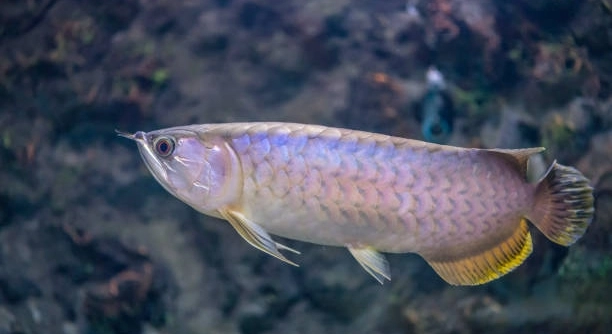
Have you ever wanted your arowana to trust you enough to eat straight from your hand, creating a bond through gentle and patient feeding habits?
The best way to train an arowana to eat from your hand is through consistency and gradual conditioning. Start by feeding it at the same time daily, slowly decreasing the distance between your hand and the fish until it gains full trust.
Building trust with your arowana takes time, but understanding each stage of training will help you create a rewarding and lasting bond.
Understanding Your Arowana’s Behavior
Arowanas are intelligent fish known for their alertness and sensitivity to movement. Before training begins, it is essential to observe their behavior and feeding patterns. Notice how they react to your presence, especially during feeding times. These observations will help you understand when your arowana feels comfortable or stressed. When arowanas feel threatened, they may refuse to eat or hide, which can slow progress. Creating a peaceful environment by maintaining steady lighting, avoiding sudden movements, and reducing loud noises helps establish trust. Over time, your arowana will begin associating your presence with feeding, which becomes the foundation for hand-feeding training.
This stage is all about patience. The more calm and consistent you remain, the more relaxed your arowana will become during feeding times.
Arowanas respond best to slow, deliberate actions. By maintaining predictable feeding behavior, you show them that your hand is not a threat. Consistency reassures them that every movement from you means safety and food. Never rush this process; progress might be slow, but each calm interaction strengthens their confidence. If you notice hesitation, take a step back and try again later. Positive association builds gradually, and in time, your arowana will start waiting near the surface as you approach, signaling readiness to move closer to your hand.
Gradually Introducing Hand Feeding
The key is slow introduction. Begin by feeding your arowana with long tweezers or tongs so it connects your hand’s presence with food.
Once your arowana accepts food from a short distance, start reducing the length between your hand and the fish. Always move calmly and avoid making splashes. After several successful feedings, offer food directly from your fingers while keeping your hand steady in the water. Using live or favorite treats can make the process smoother. If your arowana hesitates, go back to the previous step and try again later. Consistency will make it associate your hand with a positive experience. Over time, your fish will begin approaching you willingly. When it finally eats from your hand, keep practicing regularly to reinforce trust. Always end feedings on a calm note to maintain that secure connection.
Maintaining Consistency and Trust
Training an arowana requires routine. Feed at the same time and place each day. Avoid sudden changes, as arowanas are sensitive to movement and environment. Predictability helps them relax and respond positively to your feeding sessions.
Once your arowana recognizes your hand as a safe source of food, maintain that consistency to strengthen its trust. Keep your hand movements slow and confident, always offering food in a steady, calm way. Avoid skipping feedings or switching locations frequently, as it may confuse your fish. Arowanas rely on repetition to learn and adapt. Staying consistent allows them to form a reliable feeding routine, ensuring your training continues smoothly. Gradually, you will notice your arowana anticipating your presence and staying near the surface during feeding times, a clear sign of trust and familiarity built through consistent care.
Consistency not only reinforces trust but also improves your arowana’s overall well-being. A steady routine reduces stress, helping maintain healthy appetite and natural behavior. By feeding at regular intervals, your fish stays active and alert. Over time, this habit will help it recognize you as a dependable part of its environment, creating a sense of safety. This connection transforms feeding time into a calm and cooperative experience for both you and your arowana.
Handling Setbacks During Training
Sometimes, your arowana might resist eating from your hand even after days of effort. This is normal and often caused by sudden movement, stress, or changes in its environment.
When setbacks occur, remain patient and avoid forcing the process. Take a step back and observe your fish’s reactions. If it appears anxious, give it a few days of regular feeding before trying hand-feeding again. Avoid overcrowding the tank or introducing new fish during training, as these changes can cause stress. Ensure that water conditions remain stable, as fluctuations in temperature or quality can make your arowana lose appetite. Gradual reintroduction of your hand, using the previous steps, helps rebuild confidence. Consistent calmness, proper feeding habits, and a clean tank environment will encourage your arowana to trust again and continue hand-feeding successfully.
Choosing the Right Food for Training
Start with your arowana’s favorite foods, such as live worms, shrimp, or small fish. These treats encourage quicker responses and make hand-feeding easier. Gradually, you can introduce pellets or frozen options once your arowana feels comfortable eating near your hand.
Always ensure the food is fresh and safe for consumption. Avoid overfeeding, as uneaten food can cloud the water and increase stress. Small, consistent portions help maintain interest and health. Observing which foods excite your arowana most will make training smoother and reinforce positive feeding behavior.
Creating a Calm Feeding Environment
Arowanas thrive in stable, quiet environments. Keep the lighting soft and avoid tapping on the glass or making sudden movements near the tank. Consistent surroundings reduce anxiety, allowing your arowana to focus on your hand rather than potential threats. Over time, this calmness encourages predictable feeding behavior and strengthens trust.
Recognizing Signs of Progress
Your arowana will begin to swim closer, maintain eye contact, and wait near the surface during feeding times. These behaviors show growing confidence and familiarity with your presence. Patience and repetition will soon lead to your fish eating directly from your hand without hesitation.
FAQ
How long does it take to train an arowana to eat from your hand?
Training time varies depending on the fish’s temperament and environment. Some arowanas begin responding within two weeks, while others take a few months. Consistency plays a key role in success. Feeding your fish daily at the same time helps it associate your presence with food. Avoid rushing the process or forcing interaction, as this can cause fear or stress. Focus on small steps, like feeding with tweezers before transitioning to your hand. With patience and repetition, your arowana will gradually become more trusting and willing to approach you for food.
What is the best food to use during hand-feeding training?
Live foods such as crickets, worms, and shrimp are effective during the early stages of training because they trigger your arowana’s natural hunting instincts. Once it begins accepting food from your hand, slowly introduce frozen or pellet alternatives for variety and balanced nutrition. The goal is to build trust, so start with what excites your fish most. Avoid overfeeding or using large food pieces that may intimidate your arowana. Fresh, clean, and bite-sized options will ensure smooth feeding sessions and reduce leftover waste in the tank.
Why does my arowana refuse to eat from my hand?
Refusal often indicates discomfort or stress. It might stem from sudden movements, new tank conditions, or unfamiliar surroundings. Make sure water temperature, pH, and lighting are stable. If your arowana recently moved tanks or encountered new fish, it may need time to adjust. Continue feeding regularly without forcing contact. Try using long tweezers again before attempting hand-feeding. Over time, as your arowana grows accustomed to your presence, it will likely regain its appetite and confidence around your hand. Consistency and patience are key during this phase.
Can hand-feeding cause aggression in arowanas?
Arowanas are naturally territorial, and while hand-feeding encourages bonding, it can also spark dominance behavior if not handled properly. Always feed gently and avoid sudden jerks that might startle the fish. If aggression occurs, take a brief break from hand-feeding and return to using tweezers for a few sessions. Slowly reintroduce your hand once your arowana’s behavior stabilizes. Keeping your feeding routine consistent and ensuring proper tank space will prevent territorial stress and reduce the chances of aggressive responses. Calm interaction helps maintain a balanced and trusting relationship.
Is it safe to hand-feed an arowana?
Hand-feeding is safe when done carefully. Although arowanas have sharp teeth, they usually do not bite aggressively unless startled. Always wash your hands before and after feeding to avoid contaminating the water. Move slowly and keep your hand steady while offering food. If your arowana lunges too quickly, withdraw calmly and try again. With time, you’ll learn to read its movements and anticipate when it’s ready to take food gently. Regular hand-feeding builds a strong bond and helps your fish feel more comfortable around you.
What should I do if my arowana bites during training?
Arowanas may accidentally bite when they’re too eager or misjudge the distance. If this happens, don’t react suddenly, as quick movements may scare them. Simply withdraw your hand calmly and avoid feeding directly for a few days. Resume training with tweezers before attempting hand-feeding again. Over time, your arowana will learn to approach more carefully. You can also use larger food pieces or hold them closer to the water surface to minimize biting chances. Remaining calm and patient ensures your fish learns without fear or aggression.
Can I train an older arowana to eat from my hand?
Yes, older arowanas can be trained, though it may take longer. Mature fish are often more cautious and less adaptable to change. Start slowly, ensuring the environment feels secure and predictable. Consistent feeding times help them develop a sense of routine. Begin by feeding from a short distance with tweezers, then gradually shorten the gap. Avoid sudden changes in tank setup or lighting during this process. With steady effort and patience, even older arowanas can learn to associate your hand with feeding and eventually eat directly from it.
How can I tell if my arowana is comfortable during training?
Signs of comfort include smooth swimming, approaching the surface without hesitation, and steady eye contact during feeding. If your arowana hides often, thrashes, or refuses food, it may feel uneasy. Create a calm environment by keeping lighting soft and minimizing noise or sudden movements. Over time, a comfortable arowana will stay near the feeding area, awaiting your approach. Observing these behaviors helps you adjust your pace, ensuring your fish feels secure and continues progressing toward hand-feeding comfortably.
Final Thoughts
Training an arowana to eat from your hand is a gradual process that requires patience, consistency, and understanding of your fish’s natural instincts. Arowanas are intelligent and sensitive, which means they respond best to calm behavior and predictable routines. When you take the time to build trust, the bond you form becomes rewarding not only for you but also for your fish. It learns to see your presence as a source of safety and nourishment rather than fear. Through steady effort and repetition, even hesitant arowanas begin showing signs of confidence, swimming closer to you and accepting food directly from your hand. This progress reflects not just training success but also the mutual respect developed between you and your pet.
Establishing a calm environment is essential throughout the process. The tank should remain peaceful, with stable lighting, water conditions, and minimal disturbances. Every feeding session should follow a similar pattern so your arowana recognizes when it is time to eat. Avoid sudden movements or loud noises that can startle it and undo your progress. Over time, your arowana’s feeding behavior becomes more predictable, and it starts associating your routine with comfort and food. Maintaining this consistency is what keeps your fish relaxed and willing to continue interacting. The process is not about speed but about forming trust through repetition. Remember, arowanas are observant creatures that notice patterns; your calmness helps guide their behavior more than any other factor.
The effort you put into training also strengthens your overall connection with your arowana. Hand-feeding turns a simple routine into a moment of shared trust and interaction. It is not only about feeding but about communicating with your fish in a gentle and respectful way. When your arowana finally takes food from your hand, it signifies that your patience and care have paid off. The bond built through consistent feeding habits will continue to grow over time, making future interactions easier and more enjoyable. Keeping this trust strong means maintaining good tank conditions, feeding on schedule, and handling your fish’s needs with care. In the end, hand-feeding an arowana is more than just a training success—it is a reflection of commitment, understanding, and the special connection that develops when you truly care for your aquatic companion.

Hello,
If you enjoy the content that we create, please consider saying a "Thank You!" by leaving a tip.
Every little bit helps us continue crafting quality advice that supports the health, happiness, and well-being of pets around the world, for pets of all shapes, sizes, and species.
We really appreciate the kindness and support that you show us!