
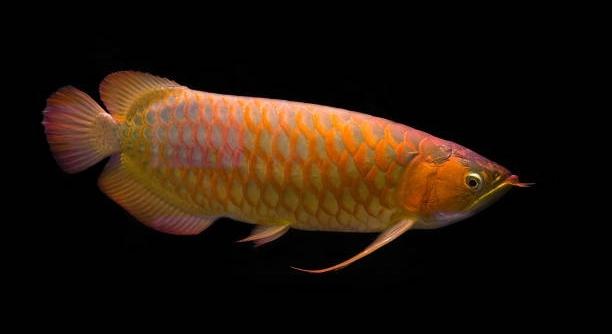
Your Arowana is a beautiful fish known for its bright, shimmering colors. Many owners take pride in watching their fish grow, but sometimes these colors start to fade for reasons that are not always obvious.
Arowana lose their vibrant coloration mainly due to stress, poor diet, inadequate water quality, improper lighting, aging, disease, or genetic factors. Identifying and addressing each cause is essential for restoring their natural hues and overall health.
Maintaining your fish’s environment and nutrition is key. Understanding these factors will help you bring back its bright colors and ensure it stays healthy.
Stress and Its Effects on Arowana Color
Stress is one of the most common reasons your Arowana loses its color. Changes in the tank, aggressive tank mates, or sudden movements around the aquarium can make your fish feel threatened. Overcrowding can also add stress, leaving less space for the Arowana to swim comfortably. Poor handling during water changes or transportation adds to this problem, and even loud noises nearby may trigger color fading. Stress weakens the immune system, making your Arowana more susceptible to disease, which further impacts its appearance. Observing your fish closely helps identify signs of stress, such as erratic swimming, hiding, or loss of appetite. Addressing the tank environment, maintaining stable water parameters, and minimizing sudden disturbances can help reduce stress and restore its natural color. Consistent care and a calm environment go a long way in keeping your Arowana vibrant and healthy over time.
Stress can be minimized by keeping a stable, quiet tank environment and reducing sudden changes or overcrowding.
Regular tank maintenance, stable water conditions, and gentle handling are crucial for reducing stress. Over time, a calm environment helps your Arowana regain its natural colors. Attention to these small details ensures long-term health and vibrancy in the aquarium.
Poor Diet and Nutrition
Arowana require a well-balanced diet to maintain their bright colors. Feeding them only one type of food can lead to deficiencies in essential nutrients. Color-enhancing foods rich in carotenoids, vitamins, and minerals are especially important. Live or frozen foods, such as shrimp, insects, and small fish, provide necessary protein, while pellets formulated for Arowanas can supply vitamins for healthy coloration. Avoid overfeeding, which can affect water quality and lead to dullness in color. Nutritional imbalances can also weaken the immune system, making the fish more prone to infections that affect appearance. Rotating food types ensures that your Arowana receives a complete diet.
High-quality food and careful feeding routines significantly impact coloration and overall health.
In addition to feeding a varied diet, it is essential to monitor the quantity and frequency of meals. Overfeeding can lead to excess waste and water quality issues, reducing the fish’s natural vibrancy. Supplements can also help improve dull colors, but they must be used cautiously. A combination of live, frozen, and fortified pellet foods ensures your Arowana receives all necessary nutrients. Observing how your fish responds to diet changes is important, as sudden shifts may cause stress or digestive problems. By providing proper nutrition, you can restore the vibrant hues of your Arowana and maintain its health. Consistency, quality, and balance are key to achieving long-lasting, bright colors.
Inadequate Lighting
Proper lighting is essential for Arowana color. Too little light makes colors dull, while too much can stress the fish. A balanced lighting schedule helps maintain their natural vibrancy and overall health.
Lighting affects pigment development, so placing your aquarium in a location with consistent, moderate light is important. Using full-spectrum LED lights designed for aquariums supports color retention and growth. Avoid sudden changes in lighting, as Arowana are sensitive to abrupt shifts that can cause fading or stress. Adjusting the photoperiod to around 10–12 hours of light daily mimics natural conditions. Consistency in lighting ensures the fish maintains bright scales and a healthy, active demeanor.
Color-enhancing lighting works best when paired with a nutritious diet. Avoid fluorescent lights that emit harsh, unnatural spectra. Combining proper lighting, clean water, and stable temperatures maximizes your Arowana’s natural brilliance. Monitor their behavior under different lighting setups to find the optimal balance.
Poor Water Quality
Maintaining clean water is crucial for keeping your Arowana colorful. High ammonia, nitrite, or nitrate levels can lead to dullness and health issues. Regular testing and water changes prevent harmful buildup and support vibrant coloration.
Dirty water can cause stress and weaken the immune system. Arowanas are sensitive to water parameters such as pH, hardness, and temperature. Fluctuations can result in color fading and reduced activity. Using a reliable filtration system, performing partial water changes weekly, and removing debris promptly helps maintain a stable environment. Additionally, avoid overcrowding, as this increases waste production and lowers water quality. Clean water encourages healthy scales, proper digestion, and natural color expression, making it a priority for any Arowana keeper.
Maintaining water stability also prevents disease outbreaks that contribute to color loss. Regular monitoring, combined with consistent cleaning routines, supports both the fish’s health and visual appeal. Introducing live plants can aid in natural filtration and oxygenation, further enhancing water conditions. Temperature should remain steady to reduce stress, and chemicals like chlorine must be removed before adding new water. When water quality is prioritized, Arowana display brighter colors, better growth, and improved activity levels. A proactive approach to water maintenance ensures long-term vibrancy and wellbeing.
Aging
As Arowana grow older, their colors may naturally fade. This is a normal part of the aging process and does not always indicate poor health.
Older fish may require more care to maintain vibrancy. Adjusting diet and tank conditions can help slow color loss and keep them looking healthy for longer.
Disease and Parasites
Diseases and parasites can significantly impact your Arowana’s coloration. Infections, bacterial or fungal, and internal parasites often lead to pale or dull scales. Prompt diagnosis and treatment are crucial to prevent long-term damage. Maintaining clean water and a stress-free environment reduces the risk of illness.
Genetics
Some Arowanas are genetically predisposed to lighter colors. Even with perfect care, certain strains may never reach deep, vibrant hues. Understanding your fish’s genetic background sets realistic expectations for its coloration and helps tailor care routines accordingly.
FAQ
Why is my Arowana losing color suddenly?
Sudden color loss usually points to stress, poor water quality, or illness. Changes in temperature, aggressive tank mates, or improper lighting can trigger fading. Checking water parameters and observing your fish for unusual behavior will help identify the cause. Immediate action often prevents further deterioration.
How can I restore my Arowana’s color?
Restoring color involves addressing the underlying issue. Ensure a balanced diet with color-enhancing foods, maintain clean and stable water, and provide proper lighting. Reducing stressors in the tank, such as overcrowding or aggressive fish, is equally important. Patience is necessary, as color recovery may take several weeks.
Can diet really affect Arowana coloration?
Yes, diet plays a significant role. Foods rich in carotenoids, vitamins, and protein improve natural pigmentation. Live or frozen shrimp, insects, and small fish help maintain bright scales. Rotating food types and avoiding overfeeding ensures your Arowana receives all necessary nutrients without harming water quality.
Is water quality really that important for color?
Absolutely. Poor water quality stresses your fish and can cause color fading. High ammonia, nitrite, or nitrate levels weaken the immune system, making the fish more susceptible to disease. Regular water testing, partial water changes, and proper filtration are essential to maintain vibrant colors.
How does lighting influence my Arowana’s color?
Lighting directly affects pigment development. Full-spectrum LED lights for 10–12 hours a day support natural coloration. Too much light can cause stress, while too little leads to dull scales. Consistency and moderate intensity are key. Observing your fish under different setups helps find the ideal balance.
Can stress permanently affect color?
Stress can lead to long-term dullness if persistent. Overcrowding, aggressive tank mates, or frequent disturbances reduce vibrancy. Reducing stress through stable water parameters, proper tank setup, and gentle handling helps your Arowana recover its bright colors over time.
Do diseases cause color loss?
Yes, bacterial, fungal, and parasitic infections often result in pale or discolored scales. Early detection is crucial. Maintaining clean water and observing behavior changes such as loss of appetite or lethargy can prevent serious damage. Treating infections promptly improves chances of full recovery.
Is color loss normal with aging?
Some fading is normal as Arowanas age. Older fish may naturally lose brightness, even with proper care. Adjusting diet and maintaining ideal tank conditions can slow the process and keep them looking healthy for longer periods.
Can genetics limit my Arowana’s color?
Yes, some strains are naturally lighter due to genetics. Even with optimal care, they may never display deep, vibrant hues. Understanding the fish’s lineage helps set realistic expectations for coloration and care strategies.
How long does it take to restore color?
Color recovery depends on the cause. Stress or minor dietary issues may show improvement in weeks, while disease-related fading can take longer. Consistency in care, proper nutrition, and stable environmental conditions are essential for noticeable results.
Can supplements help my Arowana regain color?
Supplements may improve pigment expression when used appropriately. Vitamin-enriched pellets or color-enhancing additives can help, but they must complement a balanced diet. Overuse can harm water quality or fish health, so moderation and observation are important.
How do I prevent future color loss?
Preventing color loss requires a combination of factors: clean water, stable temperatures, a nutritious diet, moderate lighting, and a low-stress environment. Regular observation and proactive care will help maintain your Arowana’s vibrant appearance for years.
What signs should I watch for that indicate a problem?
Look for faded or patchy scales, loss of appetite, lethargy, abnormal swimming, or frayed fins. Early detection allows for timely interventions. Monitoring these indicators, along with routine water testing, can prevent minor issues from becoming serious problems.
Can tank mates affect my Arowana’s color?
Yes, aggressive or territorial tank mates increase stress, causing fading. Choosing compatible species and providing sufficient space reduces stress levels. Separating the Arowana from persistent aggressors allows its natural colors to return gradually.
How often should I change the water to maintain color?
Partial water changes once a week are generally recommended. This removes waste and keeps chemical levels stable. Avoid changing too much at once, as sudden shifts can stress the fish and negatively impact coloration. Consistency is more important than frequency.
Can temperature fluctuations cause fading?
Yes, Arowanas are sensitive to temperature changes. Sudden drops or spikes can lead to stress and dulling of colors. Maintaining a stable temperature suitable for your specific Arowana species ensures both health and vibrant scales.
Is it possible to have too much light?
Excessive lighting can cause stress, bleaching scales, and promoting algae growth. Using moderate, consistent lighting with a natural day-night cycle supports optimal pigmentation and overall wellbeing. Observing behavior under different lighting levels helps identify the best setup.
How do I know if fading is permanent?
Permanent fading is usually genetic or age-related. If diet, water quality, and stress are properly managed but colors do not return, the change may be natural. Accepting these limits helps focus on maintaining health rather than unrealistic color expectations.
Do all Arowanas need the same care for color?
Different species and strains have unique requirements. Some need more light, others more protein-rich diets. Researching your specific Arowana type ensures you provide the right combination of nutrition, lighting, and water conditions for optimal coloration.
Can I improve color naturally without chemicals?
Yes, proper diet, clean water, stress reduction, and balanced lighting are the most effective natural methods. Avoid artificial coloring agents, which may harm health. Long-term, consistent care provides sustainable and safe enhancement of your fish’s natural hues.
Are there signs of early color restoration?
Early signs include slight brightening of scales, increased activity, and better appetite. These indicators show that environmental adjustments and diet changes are having a positive effect. Monitoring these changes helps confirm that your care routine is effective.
How long should lighting be on each day?
A controlled schedule of 10–12 hours of light daily supports natural pigmentation. Maintaining consistency and using full-spectrum lighting replicates natural conditions, encouraging bright scales while avoiding stress caused by too much or too little light.
Can feeding live food too often be harmful?
Feeding live food excessively can unbalance the diet and introduce parasites. Moderation is key, combining live, frozen, and pellet foods for proper nutrition. This ensures color retention while maintaining overall health and preventing digestive issues.
How important is tank size for maintaining color?
Adequate space reduces stress and encourages natural behavior, which helps maintain vibrant colors. Overcrowding leads to aggression, limited movement, and water quality issues. Providing a spacious, comfortable tank supports both health and natural pigmentation.
Should I adjust diet seasonally?
Slight adjustments help mimic natural feeding patterns. Increasing protein or carotenoid-rich foods during growth periods can enhance color. Seasonal adjustments, combined with stable water conditions, support optimal pigmentation and general wellbeing.
What if my Arowana refuses food?
Loss of appetite often indicates stress or illness, which contributes to fading colors. Check water quality, lighting, and tank conditions. Offering varied food types may encourage feeding. Persistent refusal may require veterinary advice to address underlying health issues.
Can color-enhancing foods replace good water maintenance?
No, diet alone cannot compensate for poor water quality. Both factors are essential. Clean, stable water ensures overall health, while a balanced diet provides pigments for vibrant scales. Neglecting either can result in dull, unhealthy fish.
How can I make small improvements at home?
Simple changes like regular partial water changes, adjusting lighting, feeding a varied diet, and reducing stressors can noticeably improve coloration. Observing behavior and scales carefully allows fine-tuning care routines for optimal results.
Can tank decorations affect color?
Bright or reflective decorations may stress sensitive fish, causing fading. Neutral backgrounds and hiding spots provide comfort and reduce stress, indirectly helping your Arowana maintain its natural vibrancy.
Are some color losses reversible?
Yes, fading caused by stress, poor diet, or water issues is often reversible. Genetic or age-related changes are permanent. Identifying the cause quickly increases the chance of restoring bright, healthy scales.
How do I know if lighting is too dim?
Dull, faded scales and lethargy often indicate insufficient lighting. Adjusting to moderate, full-spectrum light improves pigment expression and overall activity without overstressing the fish.
Can multiple small interventions help?
Yes, combining proper diet, clean water, balanced lighting, and low-stress conditions produces the best results. Incremental improvements in each area gradually restore color and maintain health sustainably.
How long before I see noticeable color improvement?
Depending on the cause, changes may appear in a few weeks for diet or stress-related fading. Illness recovery or chronic water issues may take longer. Consistency in care is essential for long-term results.
Is it worth tracking water and diet changes?
Absolutely. Tracking allows you to identify what works and what doesn’t, helping prevent repeated color loss. Detailed records guide better decisions for maintaining a vibrant, healthy Arowana.
Can stress from handling affect color?
Yes, frequent or rough handling triggers fading. Minimizing unnecessary contact and moving the fish carefully during tank maintenance helps preserve its natural coloration and reduces long-term stress.
Does tank temperature affect diet absorption?
Temperature influences metabolism. If too low or high, your Arowana may not absorb nutrients efficiently, leading to dull colors despite proper diet. Stable, species-appropriate temperatures are critical for maintaining vibrancy and health.
Are supplements always necessary?
Not always. If the diet is balanced and water conditions are optimal, supplements may be optional. They can enhance color but should complement, not replace, proper nutrition and care routines.
Can color loss indicate serious illness?
Yes, fading combined with behavioral changes often signals infection or parasites. Early identification and treatment are vital to prevent permanent damage and restore both color and health.
Does tank location matter?
Yes, placing the aquarium in a quiet, stable area reduces stress. Avoid direct sunlight or high-traffic zones. A calm environment supports both healthy behavior and vibrant coloration.
How do I know if lighting or diet is the main factor?
Observe changes after adjusting one factor at a time. If color improves after lighting adjustments, light was likely the main influence. Similarly, improvements after dietary changes indicate nutrition played a key role. Tracking responses helps optimize care.
Can seasonal changes affect color?
Yes, natural light and temperature variations can influence pigmentation. Mimicking consistent conditions indoors, including photoperiod and temperature control, minimizes seasonal fading and keeps your Arowana vibrant year-round.
What is the most common reason for gradual fading?
Gradual color loss often stems from minor, ongoing stressors, slightly poor water quality, or nutritional gaps. Correcting these factors consistently usually restores the fish’s natural brightness over time.
How important is observation?
Daily observation helps detect early signs of stress, illness, or fading. Noticing subtle changes allows timely interventions, preventing minor issues from causing permanent color loss.
Can I combine multiple treatments safely?
Yes, combining diet improvements, lighting adjustments, water quality maintenance, and stress reduction is the safest approach. Ensure each change is gradual and monitored to prevent additional stress or imbalance.
How do I prevent recurring color loss?
Consistency is key. Maintain clean water, proper diet, stable lighting, suitable temperature, and a low-stress environment. Regular monitoring and small, proactive adjustments help ensure your Arowana keeps its vibrant colors for the long term.
Are some Arowanas naturally duller than others?
Yes, genetics play a role. Some fish may never reach intense colors despite perfect care. Understanding this helps set realistic expectations and focus on overall health rather than idealized pigmentation.
Can stress from new tankmates reverse color improvements?
Yes, introducing aggressive or territorial fish can cause renewed stress and fading. Gradual introductions, proper space, and observing behavior carefully help maintain previously restored coloration.
Is there a difference in indoor vs outdoor lighting effects?
Yes, indoor lighting allows controlled intensity and duration, supporting stable color expression. Outdoor or sunlight exposure can fluctuate, potentially stressing the fish or encouraging algae growth that affects visual vibrancy.
Does tank size directly affect color?
Indirectly, yes. Larger tanks reduce stress, allow natural swimming, and improve water quality. Small, overcrowded tanks increase stress and reduce vibrancy, even with proper diet and lighting.
How do I know if fading is reversible after disease?
Monitor scale recovery after treatment. If scales regain brightness and the fish behaves actively, recovery is possible. Persistent dullness may indicate permanent damage or genetic limitations.
Can I use colored lights to enhance appearance?
Colored lights may alter appearance temporarily but do not improve true pigmentation. Full-spectrum, natural lighting is more effective for long-term color retention and overall health.
Should I quarantine new fish to protect color?
Yes, quarantine prevents disease introduction, reducing stress and illness that can lead to fading. Healthy new additions help maintain stable conditions and vibrant colors in the main tank.
Can stress from tank relocation affect color?
Yes, moving the tank or fish can trigger stress. Minimizing sudden changes, stabilizing water parameters, and allowing acclimation time reduces fading risk.
Is gradual improvement better than rapid changes?
Yes, gradual adjustments to lighting, diet, or water quality minimize stress and maximize sustainable color restoration. Rapid changes can shock the fish and cause additional fading.
Do all species of Arowana respond the same way to diet?
No, different species have unique nutritional needs. Researching the specific type ensures proper pigment support and overall health. Tailoring care leads to the best results for each individual fish.
Can live plants improve color indirectly?
Yes, live plants help oxygenate water and stabilize conditions, reducing stress and promoting natural pigmentation. Healthy tank ecology supports both color and behavior.
How do I measure improvement effectively?
Track scale brightness, activity levels, and appetite over weeks. Photographing the fish under consistent lighting helps visualize gradual changes and determine if care adjustments are working.
Is it necessary to rotate food types?
Yes, rotation prevents nutrient deficiencies and maintains color. Combining live, frozen, and fortified pellet foods ensures a complete diet and reduces the risk of fading due to dietary imbalance.
What are signs of permanent color loss?
Persistent dullness despite optimal care, genetic limitations, or age-related fading indicates permanent color loss. Accepting these limitations helps focus on health maintenance rather than unrealistic coloration goals.
Can tank maintenance routines themselves cause fading?
Frequent disturbances, sudden water changes, or rough handling during cleaning can stress the fish. Gentle, consistent maintenance routines minimize impact on color and overall wellbeing.
How do I prioritize interventions?
Start with water quality, then diet, lighting, and stress reduction. Addressing the most influential factors first ensures effective and sustainable color restoration. Monitoring responses guides the next steps.
Are supplements safer than live foods?
Not necessarily. Both can be safe if used correctly. Supplements should complement a balanced diet, while live foods should be quarantined and fed in moderation to prevent stress or disease.
Can stress from other pets affect color?
Yes, vibrations or disturbances from other pets can cause subtle stress, leading to fading. Maintaining a calm, stable environment supports consistent coloration and reduces health risks.
How long should I monitor changes before evaluating effectiveness?
Observe for at least a few weeks. Gradual improvements indicate effective interventions. Quick changes may be temporary, so patience and consistency are essential for sustainable color restoration.
Does the type of filtration matter?
Yes, efficient filtration keeps water clean and stable, directly affecting health and coloration. Mechanical, biological, and chemical filtration combined ensures optimal water quality for vibrant scales.
Can overfeeding affect color?
Yes, excess food increases waste, deteriorates water quality, and stresses the fish, leading to dull scales. Controlled, balanced feeding supports both health and vibrant pigmentation.
How do I maintain consistent results long-term?
Regular observation, stable water parameters, varied diet, controlled lighting, and minimal stress create a sustainable environment. Consistency is the key to keeping Arowanas colorful and healthy over years.
Is there a difference between juveniles and adults in color care?
Yes, juveniles require more protein for growth and pigment development, while adults need maintenance diets and stable conditions to retain color. Adjusting care according to life stage ensures optimal pigmentation.
Can I rely on supplements alone for color enhancement?
No, supplements alone cannot replace proper diet, water quality, and environment. They support but do not guarantee vibrant colors. A holistic approach is necessary for healthy, long-lasting coloration.
What combination of factors is most effective for color restoration?
Balanced diet, clean water, moderate lighting, stress reduction, and stable temperature work together. Addressing all factors consistently yields the best results for regaining and maintaining bright, natural Arowana colors.
How do I know if fading is due to diet versus environment?
Change one variable at a time—improve food quality or adjust lighting/water conditions. Observing gradual improvement helps identify the primary cause and optimize care.
Are there signs that color loss is temporary?
Yes, slight brightening, increased appetite, and normal behavior indicate temporary fading from stress or minor water or dietary issues, which can recover with proper care.
Can tankmates or decorations help restore color?
Indirectly, yes. Calm, compatible tankmates reduce stress, while neutral, non-reflective decorations provide hiding spaces and comfort, helping maintain natural vibrancy over time.
How often should I check water parameters?
Weekly testing for ammonia, nitrite, nitrate, pH, and hardness is recommended. Frequent monitoring ensures stability, preventing stress and supporting consistent coloration.
Are there any quick fixes for fading?
Quick fixes rarely work. Sustainable results require consistent care in diet, water quality, lighting, and stress management. Patience and observation are essential to restoring and maintaining color.
Can lighting alone reverse dull colors?
Lighting helps pigment expression but cannot fully restore color if diet or water quality is poor. Combining proper lighting with nutrition and clean, stable water is essential for noticeable improvements.
Does tank size impact disease-related fading?
Yes, larger tanks reduce waste concentration and stress, lowering disease risk. Smaller, overcrowded tanks increase vulnerability, which can lead to pale or patchy scales.
Can I use multiple light types for enhancement?
Full-spectrum lighting is sufficient. Colored or overly bright lights may stress the fish without improving true pigmentation. Consistency and natural spectrum lighting are safer and more effective.
How important is consistency in care routines?
Extremely important. Sudden changes in water, diet, or lighting can cause stress and fading. Consistent care ensures the fish remains healthy, vibrant, and active over the long term.
**Can repeated
Final Thoughts
Arowanas are naturally stunning fish, but their vibrant colors require consistent care and attention. Maintaining proper water quality, a balanced diet, and a calm environment are all crucial for keeping their scales bright and healthy. Water parameters such as temperature, pH, and hardness must remain stable, and ammonia, nitrite, and nitrate levels should always be monitored. Even small fluctuations can stress the fish, causing dulling or patchy coloration. Regular partial water changes and an efficient filtration system help maintain a clean, stable environment, which directly affects both the fish’s health and its natural beauty. Overcrowding should be avoided, as it increases stress levels and reduces water quality, which can lead to fading colors. Creating a comfortable, stable habitat ensures that your Arowana has the best chance to display its natural brilliance.
Diet plays an equally important role in maintaining coloration. A varied diet that includes high-quality pellets, live or frozen shrimp, insects, and small fish provides the nutrients required for healthy pigment development. Foods rich in carotenoids and vitamins support bright scales, while rotation of food types prevents deficiencies and maintains overall health. Overfeeding should be avoided, as it negatively impacts water quality and can cause dullness over time. While supplements can be used to enhance color, they should not replace a balanced diet. Attention to feeding habits, portion sizes, and food variety ensures that your Arowana receives the necessary nutrients for long-term vibrancy. Coupled with clean water and stable environmental conditions, proper nutrition is one of the most effective ways to restore and maintain natural coloration.
Stress management and careful observation are essential to keeping your Arowana colorful. Factors such as aggressive tank mates, excessive handling, sudden lighting changes, or loud noises can all lead to stress, which dulls coloration. Providing hiding spaces, compatible tank mates, and a predictable daily routine helps reduce stress and promotes overall wellbeing. Lighting should be consistent, moderate, and mimic natural day-night cycles to support pigment expression without causing strain. Monitoring behavior, appetite, and scale brightness regularly allows early detection of potential problems before they become serious. While some fading may occur due to aging or genetics, many color changes can be addressed through proper care. By combining stable water conditions, balanced nutrition, and low-stress management, Arowanas can retain their beautiful colors and thrive for years in a healthy, supportive environment.

Hello,
If you enjoy the content that we create, please consider saying a "Thank You!" by leaving a tip.
Every little bit helps us continue crafting quality advice that supports the health, happiness, and well-being of pets around the world, for pets of all shapes, sizes, and species.
We really appreciate the kindness and support that you show us!