
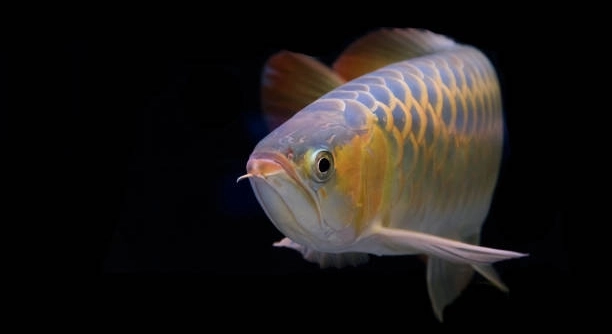
Arowanas are beautiful, large freshwater fish that often fascinate hobbyists with their size and elegance. Many owners enjoy observing their behavior and wonder about ways to interact with them more directly and safely.
Hand-feeding an arowana is possible but requires caution and consistency. Proper hand-feeding can strengthen trust, but it also carries risks such as accidental bites and dependency on human-provided food, which must be managed carefully for the fish’s well-being.
Learning the right approach can make feeding safer and more rewarding for both the owner and the arowana. Small adjustments can have a big impact on their behavior.
Benefits of Hand-Feeding an Arowana
Hand-feeding an arowana can help build trust between you and your fish. When done carefully, the fish may recognize your presence and become less shy during feeding times. This interaction allows you to observe its health more closely, noting any changes in appetite, coloration, or activity levels. Regular hand-feeding can also provide mental stimulation, reducing boredom in an otherwise static tank environment. Some owners find it satisfying to see their arowana respond directly to them, making daily maintenance more engaging. Additionally, hand-feeding can help regulate the fish’s diet, ensuring it consumes high-quality food and preventing waste. Over time, this practice can encourage more predictable behavior, making tank management easier. By maintaining consistency and patience, hand-feeding supports both physical and behavioral health, offering a controlled way to monitor growth and overall condition. Safety and hygiene are essential to avoid accidental bites or contamination of the tank water.
Hand-feeding strengthens trust and helps maintain arowana health, but it requires patience, consistency, and proper precautions for safety.
Regular hand-feeding can improve feeding response and behavior. Arowanas may become more comfortable with your presence, reducing stress during tank maintenance. By observing them closely, you can identify health issues early and adjust care as needed. Proper handling prevents injuries while maintaining water cleanliness, keeping the fish safe and healthy.
Risks of Hand-Feeding an Arowana
Hand-feeding carries risks such as accidental bites or overdependence on human-provided food.
Arowanas have strong jaws and sharp teeth, making them prone to biting if startled or hungry. Improper hand-feeding can lead to injuries, both to the fish and the owner. Over time, the fish may rely too much on hand-fed food, neglecting other sources. Maintaining hygiene is crucial, as introducing food directly can contaminate the tank and increase disease risk. Consistent supervision and safe techniques reduce these dangers, ensuring hand-feeding remains a controlled, positive experience. Setting boundaries and monitoring the fish’s reaction is essential to avoid stress or aggressive behavior. Developing a schedule for feeding helps maintain balance, preventing overeating or reliance on human interaction for nutrition. Proper tools, like feeding tongs or gloves, can minimize risk while keeping the practice manageable. Balancing trust-building and safety ensures that hand-feeding enhances the fish’s well-being without compromising its natural behaviors or tank environment.
Benefits of Hand-Feeding an Arowana
Hand-feeding an arowana can help build trust between you and your fish. When done carefully, the fish may recognize your presence and become less shy during feeding times. This interaction allows you to observe its health more closely, noting any changes in appetite, coloration, or activity levels. Regular hand-feeding can also provide mental stimulation, reducing boredom in an otherwise static tank environment. Some owners find it satisfying to see their arowana respond directly to them, making daily maintenance more engaging. Additionally, hand-feeding can help regulate the fish’s diet, ensuring it consumes high-quality food and preventing waste. Over time, this practice can encourage more predictable behavior, making tank management easier. By maintaining consistency and patience, hand-feeding supports both physical and behavioral health, offering a controlled way to monitor growth and overall condition. Safety and hygiene are essential to avoid accidental bites or contamination of the tank water.
Hand-feeding strengthens trust and helps maintain arowana health, but it requires patience, consistency, and proper precautions for safety.
Regular hand-feeding can improve feeding response and behavior. Arowanas may become more comfortable with your presence, reducing stress during tank maintenance. By observing them closely, you can identify health issues early and adjust care as needed. Proper handling prevents injuries while maintaining water cleanliness, keeping the fish safe and healthy.
Risks of Hand-Feeding an Arowana
Hand-feeding carries risks such as accidental bites or overdependence on human-provided food.
Arowanas have strong jaws and sharp teeth, making them prone to biting if startled or hungry. Improper hand-feeding can lead to injuries, both to the fish and the owner. Over time, the fish may rely too much on hand-fed food, neglecting other sources. Maintaining hygiene is crucial, as introducing food directly can contaminate the tank and increase disease risk. Consistent supervision and safe techniques reduce these dangers, ensuring hand-feeding remains a controlled, positive experience. Setting boundaries and monitoring the fish’s reaction is essential to avoid stress or aggressive behavior. Developing a schedule for feeding helps maintain balance, preventing overeating or reliance on human interaction for nutrition. Proper tools, like feeding tongs or gloves, can minimize risk while keeping the practice manageable. Balancing trust-building and safety ensures that hand-feeding enhances the fish’s well-being without compromising its natural behaviors or tank environment.
How to Start Hand-Feeding
Begin by offering food at the edge of the tank to let your arowana notice it without feeling threatened. Use tongs or long tweezers to maintain distance, allowing the fish to approach at its own pace.
Consistency is key. Feed at the same time each day so the arowana associates your presence with food. Start with small, manageable pieces to prevent stress and avoid encouraging aggressive lunging. Patience will help your fish adapt gradually to this new feeding method.
Choosing the Right Food
Offer high-quality pellets, frozen shrimp, or small live fish suitable for the arowana’s size. Avoid overfeeding or low-nutrient options that could affect health. Varying the diet supports growth and coloration while keeping the fish engaged during feeding. Regular rotation of foods ensures nutritional balance.
Tips for Safety
Always wash hands before and after feeding to prevent contamination. Avoid sudden movements near the tank that may startle the fish. Using tools like tongs keeps both you and the arowana safe during hand-feeding, reducing the risk of bites or water contamination.
FAQ
Can all arowanas be hand-fed?
Not all arowanas will accept hand-feeding. Some may remain shy or stressed despite consistent efforts. Young arowanas are usually easier to train, while older fish may require more patience. Each fish has a unique personality, so success depends on observation and gradual introduction.
How long does it take for an arowana to trust hand-feeding?
Trust-building varies, often taking several weeks to months. Daily, calm, and consistent interactions are necessary. Avoid rushing the process, as sudden movements or forcing food can create fear instead of trust. Patience is essential to prevent stress and encourage positive association with your presence.
What is the safest way to hand-feed an arowana?
Use feeding tongs or gloves to keep your hands safe. Offer small food portions near the tank surface or just inside the water. Avoid touching the fish directly. Move slowly and predictably to reduce the chance of bites or startling the arowana.
Can hand-feeding harm the fish?
Hand-feeding is generally safe if done correctly, but risks exist. Overfeeding, poor hygiene, or sudden movements can stress the fish or introduce contaminants into the water. Relying exclusively on hand-fed food may lead to nutritional imbalances, so maintaining variety in diet is crucial.
How often should I hand-feed my arowana?
Feeding once or twice daily is sufficient for most arowanas. Overfeeding can cause health issues such as bloating, obesity, or poor water quality. Smaller, consistent portions help maintain proper digestion and support natural growth patterns. Tracking feeding times builds trust over time.
What foods are best for hand-feeding?
High-quality pellets, frozen shrimp, and small live fish are ideal. Avoid low-nutrient snacks or overly large prey items that could cause choking. A varied diet supports growth, coloration, and mental stimulation. Introducing different textures and flavors can make feeding more engaging for the fish.
Can hand-feeding change arowana behavior?
Yes, hand-feeding may reduce fear of humans and make the fish more interactive. Some fish may become more confident and show curiosity during feeding. However, over-reliance on hand-feeding can cause the arowana to ignore other food sources or display aggression if food is delayed.
How do I stop my arowana from biting during hand-feeding?
Bites often occur due to hunger, excitement, or sudden movements. Keep food portions small and predictable. Use tongs or gloves, and move slowly. Avoid teasing or dangling food too close to the fish’s mouth. Positive reinforcement through calm, repeated sessions helps reduce biting over time.
Is hand-feeding stressful for the fish?
When done carefully and consistently, hand-feeding is generally not stressful. Stress arises from inconsistent feeding, rough handling, or overcrowded tanks. Observing your arowana’s body language, such as rapid swimming or hiding, can help you adjust your approach and maintain a calm feeding environment.
Can hand-feeding replace regular feeding routines?
Hand-feeding should complement, not replace, normal feeding. It is important to maintain a balanced diet, including other food types delivered in the tank. Exclusive hand-feeding can lead to dependency and nutritional gaps, so mixing methods ensures both health and enrichment.
How do I clean the tank after hand-feeding?
Remove uneaten food promptly to maintain water quality. Regular water changes and filter maintenance prevent waste buildup. Hand-feeding can increase debris in the tank, so monitoring for leftover food and maintaining hygiene is important for arowana health.
Can multiple arowanas be hand-fed together?
It is possible, but more challenging. Dominant individuals may take more food, leading to aggression or stress for others. Feed in different areas of the tank and observe interactions carefully. Some owners prefer feeding one fish at a time to ensure fairness and safety.
What should I do if my arowana refuses to take food from my hand?
Do not force it. Offer food gradually, using tongs at a distance first. Allow the fish to approach on its own terms. Consistency and calm behavior are key. Forcing the fish can increase stress and make future hand-feeding attempts more difficult.
How can I tell if my arowana is comfortable with hand-feeding?
Signs of comfort include approaching calmly, taking food without hesitation, and showing relaxed swimming behavior. The fish may respond to your presence even before offering food. Hesitation, sudden darting, or hiding indicates the fish is not yet ready for full hand-feeding interaction.
Are there alternatives to hand-feeding for interaction?
Yes, feeding with tongs, target sticks, or offering food in predictable locations can allow interaction without direct hand contact. These methods provide enrichment while maintaining safety for both you and the arowana. They also encourage natural hunting behavior and reduce dependency on human presence.
How do I balance hand-feeding with natural behaviors?
Supplement hand-feeding with live or frozen food placed in the tank to encourage hunting instincts. Rotate feeding methods to prevent boredom and maintain natural behaviors. Arowanas benefit from mental stimulation, so combining approaches supports physical health and reduces stress from repetitive routines.
Is hand-feeding suitable for all tank sizes?
It works best in medium to large tanks where the fish has space to approach safely. Small tanks may cause stress or make bites more likely. Providing adequate space allows the arowana to feel secure and gives you room to maneuver feeding tools safely.
Can hand-feeding improve health monitoring?
Yes, it allows close observation of appetite, color, and behavior. Early signs of illness, such as loss of interest in food or changes in swimming, are easier to detect. Regular interaction helps maintain vigilance, ensuring timely intervention and overall well-being of the arowana.
How should I react if the fish accidentally bites?
Remain calm and avoid sudden movements. Minor scratches can be cleaned and monitored. Reassess your feeding approach to reduce risk, using longer tongs or gloves if necessary. Avoid forcing food too close to the mouth until the fish becomes accustomed to the routine.
Can hand-feeding be a long-term practice?
Yes, with proper care, hygiene, and consistency. Long-term hand-feeding can maintain trust and engagement while supporting diet management. Regularly reassessing techniques, monitoring health, and rotating feeding methods ensures the practice remains safe, enjoyable, and beneficial for both you and your arowana.
How do I know when to stop hand-feeding temporarily?
Stop if the fish shows signs of stress, illness, or aggressive behavior. Environmental changes, water quality issues, or injury may also require a pause. Resuming hand-feeding later should be gradual to rebuild trust without causing additional stress.
What tools improve hand-feeding safety?
Tongs, gloves, and feeding sticks are essential. They keep hands away from sharp teeth and reduce accidental contamination. Using these tools also allows controlled placement of food, encouraging safe interaction while preventing bites and maintaining water quality.
How much should I feed during hand-feeding sessions?
Feed small, manageable portions to prevent overeating or waste. Multiple tiny pieces are safer than one large piece. Proper portion control ensures balanced nutrition, prevents water contamination, and reduces the chance of aggressive lunging during hand-feeding.
Can hand-feeding affect social behavior in tanks with multiple fish?
Yes, dominant fish may monopolize hand-fed food, causing stress to others. Rotating feeding areas or feeding individually can reduce conflicts. Observing interactions and adjusting feeding strategies maintains harmony while still allowing hand-feeding benefits for individual fish.
What should I do if the fish loses interest in hand-feeding?
Pause and resume later with a more gradual approach. Change food type or presentation to rekindle interest. Avoid forcing interaction, as this can increase stress and discourage future hand-feeding sessions. Consistency and patience help re-establish trust over time.
Is it necessary to hand-feed every day?
Daily hand-feeding is not strictly necessary, but regular interaction helps maintain trust and engagement. Occasional breaks are fine, as long as the fish receives proper nutrition through other feeding methods. Balance ensures the arowana remains healthy and responsive without becoming dependent.
How does hand-feeding compare to automatic feeders?
Automatic feeders provide convenience but lack interaction. Hand-feeding adds a personal connection, allowing observation of behavior and health. It also encourages natural responses and mental stimulation. Combining both methods can maintain diet consistency while offering enrichment.
Are there common mistakes in hand-feeding?
Rushing the process, overfeeding, using improper tools, or forcing food are common mistakes. These can stress the fish or increase bite risk. Consistency, patience, and proper equipment help avoid these errors while promoting safe, positive interactions.
Can hand-feeding help with selective eaters?
Yes, offering food by hand can encourage picky arowanas to eat. Gradually introducing new items and rewarding them with gentle hand-feeding can expand diet variety, improving nutrition while strengthening trust between the fish and caretaker.
How do I track progress in hand-feeding?
Keep a simple log of feeding times, food types, and fish reactions. Note changes in behavior, appetite, or aggression. Tracking progress helps adjust techniques, identify issues early, and maintain a safe, rewarding hand-feeding routine.
Can hand-feeding improve bonding with shy arowanas?
Yes, consistent, calm hand-feeding can reduce fear and encourage approach behavior. Over time, even shy fish may become more interactive, allowing better observation and management of their health while maintaining a positive, low-stress environment.
What precautions are needed for large arowanas?
Large arowanas have stronger bites and more unpredictable behavior. Use longer tools and avoid placing hands directly in the tank. Large fish may require more space to approach safely, and extra care is needed to prevent injury during feeding.
Can hand-feeding replace tank enrichment?
No, hand-feeding complements enrichment but does not replace it. Include decorations, hiding spaces, and occasional live or floating food to encourage natural behavior. Combining methods ensures mental stimulation and supports overall health.
How to reintroduce hand-feeding after a break?
Start slowly, offering food from a distance with tongs. Observe reactions and gradually decrease distance as trust rebuilds. Avoid rushing; consistency and calm presentation help the fish regain confidence in hand-feeding sessions.
Is hand-feeding suitable for all ages of arowanas?
Juveniles often adapt more quickly, while adults may require patience. Older fish might take longer to trust hands or show hesitation. Adjust feeding methods according to age and temperament, keeping sessions safe and stress-free.
How do I prevent bites when feeding aggressive arowanas?
Use tools to maintain distance and offer small portions. Move slowly and predictably, avoiding sudden gestures. Observe behavior and adjust approach if aggression occurs. Gradual, consistent training reduces risk while keeping feeding controlled and safe.
Can hand-feeding help with health issues?
Yes, close observation during feeding can reveal early signs of illness. Appetite changes, abnormal movements, or hesitation can indicate problems. Hand-feeding allows timely interventions and ensures proper nutrition, supporting recovery and overall health.
What is the ideal environment for hand-feeding?
A calm, clean tank with minimal distractions is best. Stable water conditions and proper space reduce stress for the fish. Clear visibility allows controlled feeding, while ensuring safety for both the arowana and the caretaker.
How long should each hand-feeding session last?
Keep sessions brief, around 5–10 minutes, to prevent stress or overfeeding. Short, consistent interactions encourage positive behavior without tiring the fish. Multiple short sessions can be more effective than one long session.
Can hand-feeding improve response to commands or cues?
Yes, arowanas can learn to associate hand movement with food, responding more predictably. Consistent cues strengthen recognition, making feeding smoother and allowing closer observation of health and behavior.
How to handle sudden tank changes during hand-feeding?
Pause feeding if water parameters shift, the fish is stressed, or maintenance is ongoing. Resume gradually once conditions stabilize. Maintaining a calm routine ensures safety and prevents negative associations with hand-feeding.
Is hand-feeding compatible with other species in the tank?
Compatibility depends on the behavior and size of tank mates. Aggressive species may compete for food or stress the arowana. Careful monitoring, separate feeding areas, or individual sessions help maintain safety and balanced interactions.
How to ensure hand-feeding does not cause dependency?
Provide varied food sources in the tank and maintain normal feeding routines alongside hand-feeding. Gradually reduce reliance on direct feeding while still offering enrichment. Balanced practice encourages natural foraging and prevents overdependence on human interaction.
Can hand-feeding be used as a training tool?
Yes, it can teach fish to associate specific cues with food, improve responsiveness, and encourage exploration within the tank. Gradual, positive reinforcement helps establish predictable patterns, supporting both interaction and behavioral management.
How to manage multiple arowanas with different temperaments?
Feed individually or in designated areas to prevent conflict. Observe each fish’s behavior and adapt techniques accordingly. Patience and careful scheduling ensure all arowanas benefit from hand-feeding while minimizing stress or aggression.
What should I do if water becomes cloudy after hand-feeding?
Remove leftover food promptly and perform partial water changes. Regular tank maintenance, including filter cleaning, prevents contamination. Avoid dropping excessive food during hand-feeding to maintain clarity and water quality.
Are there signs that hand-feeding is not working?
Persistent stress, aggression, or refusal to take food indicates issues. Adjust methods, pause if necessary, and ensure environmental factors like water quality and tank conditions are optimal. Observation helps identify problems early and maintain safe feeding practices.
Can hand-feeding influence breeding behavior?
Direct feeding can increase comfort and reduce stress, which may indirectly support breeding readiness. However, it is not a primary factor; proper tank conditions, diet, and compatibility remain essential. Hand-feeding can help maintain health and reduce stress during breeding preparation.
How do I combine hand-feeding with live prey?
Offer live prey separately from hand-fed portions to encourage natural hunting behavior. Avoid direct hand contact with live prey to reduce risk of injury. Alternating methods maintains enrichment, physical activity, and nutritional balance for the arowana.
What is the best time of day for hand-feeding?
Choose a consistent time when the fish is naturally active and alert. Avoid periods immediately after water changes or during bright lighting that may stress the fish. Routine timing helps the arowana anticipate feeding calmly and predictably.
How do I stop accidental bites from becoming a habit?
Immediately stop feeding if the fish bites, then resume only when calm. Reinforce gentle feeding behavior using tongs and small portions. Avoid punishing or startling the fish, as this can worsen aggression or stress.
Can hand-feeding help rehabilitate stressed fish?
Yes, calm, controlled feeding can rebuild trust and reduce anxiety in stressed or newly introduced fish. Gradual exposure and positive reinforcement help the fish feel secure, supporting adaptation and recovery in its environment.
How to measure success in hand-feeding?
Success includes calm approach, consistent food acceptance, and reduced aggression. Observing relaxed swimming patterns and eagerness to eat without fear indicates effective training and positive interaction. Monitoring growth, health, and behavior completes the evaluation.
Can hand-feeding improve overall tank management?
Yes, it allows close observation of water conditions, feeding habits, and fish behavior. Prompt identification of health issues, leftover food, or water contamination improves management efficiency and supports a healthier tank ecosystem.
How to safely introduce new arowanas to hand-feeding routines?
Start with observation, then introduce small portions using tongs. Avoid forcing interaction. Gradually reduce distance as trust builds. Maintain separate feeding areas if multiple fish are present to prevent stress and ensure safety.
Is hand-feeding suitable for all water types?
Hand-feeding works in freshwater arowana setups, provided water parameters are stable. Clean, well-maintained water prevents contamination risks. Sudden changes in temperature, pH, or hardness can stress fish, so monitor conditions closely during feeding sessions.
Can hand-feeding increase activity levels?
Yes, fish often become more alert and responsive during hand-feeding. The interaction provides mental stimulation, encourages movement, and can reduce lethargy or boredom. Observing behavior helps adjust sessions to match activity patterns.
How to maintain hygiene during hand-feeding?
Wash hands thoroughly, use clean tools, and remove uneaten food promptly. Monitor water quality regularly. Good hygiene prevents disease, contamination, and reduces stress for both fish and caretaker. Consistency ensures safe feeding practices.
Can hand-feeding influence growth rates?
Controlled hand-feeding ensures consistent access to high-quality food, supporting healthy growth. Balanced portions prevent overeating, while observation allows adjustments for nutritional needs. Combined with a varied diet, hand-feeding can positively affect size and condition.
What mistakes reduce hand-feeding effectiveness?
Inconsistent timing, rushing the process, and forcing food can reduce effectiveness. Overfeeding or ignoring stress signals may cause avoidance. Observing behavior, maintaining calm routines, and using proper tools ensure successful and safe hand-feeding.
Is hand-feeding suitable for aggressive fish personalities?
It is possible but requires extra caution. Use long tools, avoid direct hand contact, and feed individually if necessary. Gradual, consistent sessions help reduce aggression while promoting safe interaction and trust.
How to handle hand-feeding during illness?
Pause direct feeding if the fish shows signs of disease. Focus on medicated or specialized food as prescribed. Resume gradual hand-feeding only when the fish recovers and shows normal behavior to prevent stress or contamination.
Can hand-feeding reduce tank cleaning needs?
Not significantly, but careful portion control minimizes leftover food, which can reduce waste accumulation. Prompt removal of uneaten food and regular maintenance remain essential for water quality.
How to reintroduce hand-feeding after aggression incidents?
Use tongs and small portions, maintain distance, and gradually decrease space over multiple sessions. Reinforce calm behavior and avoid sudden movements. Patience helps rebuild trust without encouraging repeated aggression.
Does hand-feeding affect water temperature management?
Indirectly, handling food or opening the tank briefly has minimal impact. Ensure feeding does not disturb filtration or temperature stability. Consistent environmental conditions reduce stress and support proper feeding behavior.
Can hand-feeding be used as part of rehabilitation for rescued fish?
Yes, it helps reduce fear and rebuild trust. Controlled sessions allow observation of health, appetite, and behavior. Gradual introduction ensures safety and comfort while encouraging adaptation to new tank conditions.
What tools improve hand-feeding for beginners?
Long tongs, gloves, and feeding sticks are ideal. They reduce risk of bites and contamination, allowing controlled, safe feeding. Beginners benefit from using these tools to maintain consistency and confidence.
How to track dietary preferences during hand-feeding?
Observe which foods are accepted or ignored, noting reactions. Rotate options to identify favorites and ensure a balanced diet. Tracking preferences helps plan meals, maintain
Final Thoughts
Hand-feeding an arowana can be a rewarding experience when done with care, patience, and consistency. It allows you to observe the fish closely, monitor its health, and develop a level of trust that makes daily interactions more engaging. This practice is not just about feeding; it is about understanding your arowana’s behavior, temperament, and reactions. By offering food by hand, you can notice changes in appetite, activity levels, or coloration early, which can be crucial for maintaining overall health. The process also provides mental stimulation for the fish, helping to reduce boredom in what might otherwise be a static tank environment. Small adjustments in how and when you hand-feed can make a noticeable difference in how comfortable your fish feels during each session. The key is to maintain a calm, predictable routine that both you and your arowana can rely on.
While the benefits are clear, hand-feeding comes with responsibilities and potential risks. Arowanas are large, strong, and have sharp teeth, which means even careful feeding requires vigilance. Accidental bites are possible, and improper techniques can lead to stress for the fish or injury to the owner. It is important to use tools such as tongs or feeding sticks to maintain a safe distance and control during feeding. Overfeeding or relying solely on hand-fed food can also create dependency or nutritional imbalances, which may impact long-term health. Ensuring hygiene by washing hands and monitoring water quality after feeding sessions helps prevent contamination and disease. Observing the fish’s body language is also essential, as signs of stress such as rapid swimming, hiding, or refusing food indicate the need to pause and adjust your approach. With these precautions, hand-feeding can be a safe, enjoyable way to interact with your arowana without compromising its well-being.
Consistency, patience, and attention to detail are the foundation of successful hand-feeding. Starting gradually, offering small portions, and allowing the fish to approach on its own terms will build trust over time. Rotating food types ensures balanced nutrition, while keeping sessions short prevents stress. Hand-feeding should complement, not replace, other feeding methods, giving your arowana a varied diet and opportunities to display natural behaviors. Even if progress is slow, each session strengthens familiarity and reinforces positive associations between the fish and its caretaker. Ultimately, hand-feeding is about creating a controlled, safe environment that promotes both the fish’s physical health and behavioral comfort. By respecting the fish’s needs and observing proper techniques, you can make hand-feeding a sustainable, rewarding part of caring for your arowana, enhancing both the interaction and the overall management of your tank.
Word count: 406

Hello,
If you enjoy the content that we create, please consider saying a "Thank You!" by leaving a tip.
Every little bit helps us continue crafting quality advice that supports the health, happiness, and well-being of pets around the world, for pets of all shapes, sizes, and species.
We really appreciate the kindness and support that you show us!