
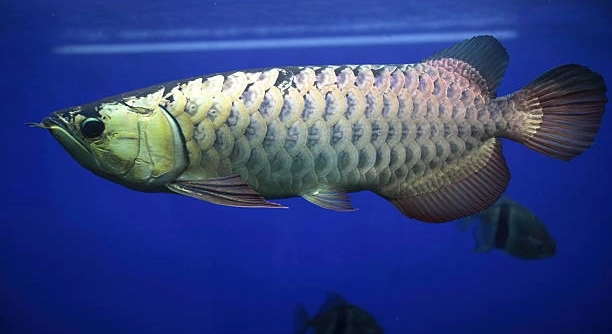
Is your arowana spending more time hiding than swimming around its tank? Many owners notice their fish retreating to corners or behind decorations, leaving them puzzled about what could be causing this unusual behavior.
Arowanas often hide due to stress, illness, poor water conditions, or environmental changes. Each factor affects their well-being, influencing their activity and feeding habits. Understanding these triggers is essential for maintaining a healthy and thriving aquatic environment.
Observing your arowana’s behavior closely can reveal underlying issues affecting its comfort and health in the tank. Knowing these signs helps you take timely action.
Stress and Environmental Changes
Arowanas are sensitive to changes in their surroundings. Sudden rearrangements in the tank, introduction of new tank mates, or even loud noises can make them feel unsafe. When stressed, they often retreat to corners or behind decorations. Consistent water temperature, stable lighting, and familiar surroundings help them feel secure. Observing subtle behavior changes, such as reduced activity or rapid gill movement, can indicate stress. Providing hiding spots like caves or driftwood allows your fish to regulate its comfort level. Stress can affect their appetite and immune system, making them more vulnerable to illness. Small adjustments, such as avoiding sudden changes or limiting visitors near the tank, can significantly improve their behavior. Over time, a calm environment encourages them to swim more freely and explore their habitat again. Recognizing stress triggers early ensures your arowana remains healthy, active, and less inclined to hide excessively.
Even minor disruptions in their environment can lead to prolonged hiding and reduced activity.
Gradually introducing changes, like new tank decorations or other fish, while monitoring your arowana’s response, allows them to adapt. Consistency in feeding, water quality, and light cycles minimizes stress and promotes confidence. Over time, a stable environment can transform a shy fish into a more visible, interactive presence in the tank.
Water Quality Issues
Poor water quality is a common reason arowanas hide. Dirty or imbalanced water can irritate their skin, gills, and fins, leading to withdrawal.
Maintaining clean water, correct pH levels, and proper filtration keeps your arowana comfortable and active.
Regular water changes, testing for ammonia, nitrite, and nitrate levels, and ensuring appropriate temperature are essential. Arowanas thrive in slightly acidic to neutral water, and sudden shifts can make them retreat. Filtration must handle the tank size and bio-load effectively, preventing harmful chemical buildup. Avoid overfeeding, as leftover food decomposes, affecting water quality. Observing your fish’s behavior during water changes helps you detect early signs of discomfort. Some arowanas may hide more during routine cleaning, showing their sensitivity to movement and vibrations. Using gentle adjustments and gradual changes supports their well-being. Investing in high-quality equipment and monitoring water regularly ensures your arowana stays healthy, visible, and active in the tank, reducing hiding behavior over time.
Illness and Physical Discomfort
When an arowana is sick, hiding is a common response. Illnesses like fin rot, infections, or parasites make them avoid movement and seek shelter. Early detection is crucial to prevent serious health issues.
Monitoring behavior closely helps identify signs such as loss of appetite, clamped fins, or unusual swimming patterns. Arowanas may scratch against objects or hover near the surface when experiencing discomfort. Prompt treatment, such as medication or isolation, can prevent the illness from spreading. Ensuring clean water and a stable environment supports recovery. Observing your fish daily allows you to respond quickly, improving its chances of regaining normal behavior and activity.
Stress and illness often overlap. Arowanas under constant stress are more susceptible to infections and slower healing. By maintaining proper care routines, such as consistent feeding schedules, water checks, and minimal disturbances, you reduce the risk of illness. Providing a calm environment with adequate hiding spaces allows your arowana to rest and recover efficiently. Supporting its immune system through diet and clean conditions helps prevent repeated hiding due to discomfort.
Tank Size and Space Limitations
Arowanas need ample space to swim freely. Crowded or small tanks can make them feel trapped, prompting frequent hiding.
Insufficient swimming room affects their growth and overall behavior. Providing a tank that matches their size and swimming style is vital.
Arowanas grow large and require long, wide tanks with sufficient height. Overcrowding with other fish or decorations limits movement and causes stress. Inadequate space can lead to aggression or lethargy, as the fish cannot establish a comfortable territory. Proper tank dimensions, combined with open swimming areas and strategically placed hiding spots, ensure your arowana feels secure yet unconfined. Regularly assessing the tank layout and adjusting decorations promotes natural swimming patterns. A well-sized environment enhances activity, reduces hiding, and supports physical health, making the fish more interactive and visually appealing in the tank.
Lighting and Day-Night Cycle
Too much bright light can make arowanas feel exposed, causing them to hide. Dimming lights or providing shaded areas encourages natural behavior.
Arowanas are more comfortable with a regular day-night cycle. Consistent lighting helps them feel secure and reduces stress-related hiding.
Aggressive Tank Mates
Aggressive or territorial fish can intimidate arowanas, prompting them to hide. Careful selection of compatible species prevents constant stress and allows peaceful coexistence.
Feeding Habits
Irregular feeding schedules or inappropriate food can cause arowanas to stay hidden. Consistent feeding times with suitable diet encourage them to come out and stay active.
Water Temperature Fluctuations
Sudden temperature changes make arowanas retreat to calmer areas. Maintaining stable water temperature supports comfort, activity, and overall health, reducing hiding behavior.
FAQ
Why is my arowana hiding most of the time?
Arowanas hide when they feel stressed, sick, or unsafe. Common reasons include poor water quality, aggressive tank mates, small tank size, sudden environmental changes, or illness. Observing other behavior, such as reduced appetite or clamped fins, helps identify the exact cause. Creating a calm, stable environment often encourages them to come out.
Can hiding indicate a serious health problem?
Yes. Prolonged hiding can be a sign of illness, including bacterial or parasitic infections. Look for additional symptoms like lethargy, loss of appetite, faded coloration, or fin damage. Early detection and treatment, along with clean water and proper care, can prevent serious health issues and support recovery.
How can I reduce stress for my arowana?
Maintaining stable water parameters, a consistent feeding schedule, and appropriate lighting helps minimize stress. Providing hiding spots like caves or plants allows your arowana to feel secure. Limiting sudden movements, loud noises, and frequent tank rearrangements also keeps them comfortable and encourages normal activity.
Is tank size really that important for arowanas?
Absolutely. Arowanas are large, active fish that need space to swim and establish territory. A cramped tank can cause constant stress, making them hide more often. Ideally, arowanas should have long, wide tanks with open swimming areas and minimal overcrowding to promote healthy behavior.
Do lighting and day-night cycles affect hiding behavior?
Yes. Too much bright light or irregular lighting schedules can make arowanas feel exposed and insecure. Maintaining a natural day-night cycle with shaded areas or dim lighting allows them to regulate activity and reduces hiding. Gradual changes in lighting also prevent sudden stress.
Can aggressive tank mates cause my arowana to hide?
Aggressive or territorial fish can intimidate arowana, especially in confined spaces. Incompatible species can increase stress, reduce appetite, and encourage hiding. Choosing peaceful, compatible tank mates and ensuring enough space for each fish can prevent this behavior.
How does water quality impact hiding?
Poor water quality irritates the skin and gills, making arowanas retreat to safer areas. Regular water changes, proper filtration, and monitoring parameters like ammonia, nitrite, nitrate, and pH are essential. Clean, stable water reduces stress, promotes health, and encourages your arowana to explore more.
What role does feeding play in hiding behavior?
Inconsistent feeding schedules or unsuitable food can make arowanas less active and more withdrawn. Offering balanced, appropriate meals at regular times encourages them to swim and interact. Avoid overfeeding, as uneaten food can pollute the tank and contribute to hiding behavior.
Can hiding be completely prevented?
Hiding is natural for arowanas, especially when they feel threatened or stressed. While it can’t be completely prevented, proper tank setup, consistent care, compatible tank mates, and attention to health reduce excessive hiding and promote confident behavior.
How do I know if my arowana is just resting or hiding due to stress?
Resting arowanas stay in calm positions but remain alert, often near the middle or top of the tank. Hiding due to stress usually involves corners, behind decorations, or areas with little light. Monitoring behavior patterns, appetite, and interaction helps determine the cause.
Can environmental enrichment reduce hiding?
Yes. Adding plants, driftwood, or caves provides hiding spots while encouraging exploration. A varied, well-structured tank helps arowanas feel secure without being constantly exposed, reducing stress-induced hiding and supporting normal activity.
What should I do if my arowana hides after a water change or tank rearrangement?
This is normal. Arowanas are sensitive to sudden changes. Keep the water parameters consistent, make gradual adjustments, and allow them to acclimate. Providing familiar hiding spots and avoiding sudden movement near the tank helps them feel safe and return to normal behavior.
How often should I monitor my arowana to prevent hiding issues?
Daily observation is best. Check for changes in behavior, appetite, swimming patterns, and physical appearance. Early detection of stress or illness allows for timely intervention, helping prevent prolonged hiding and ensuring your arowana’s health and comfort.
Are there any signs that indicate hiding is becoming a serious problem?
Yes. Continuous hiding with other symptoms—such as weight loss, faded color, fin deterioration, or labored breathing—indicates stress or illness. Immediate action, including checking water quality, tank conditions, and possible treatment, is essential for recovery.
Can diet changes affect hiding behavior?
Improving diet can encourage activity. High-quality protein-rich foods support health and energy, reducing stress-related hiding. Offering variety and ensuring the food is suitable for arowanas promotes normal feeding behavior and reduces prolonged retreats to hiding spots.
Final Thoughts
Understanding why your arowana hides is essential for keeping it healthy and comfortable in its tank. Hiding is often a response to stress, illness, or environmental discomfort. Observing their behavior closely can help you identify patterns and triggers that may not be immediately obvious. Even small changes, such as adding a new decoration or introducing a different tank mate, can cause arowanas to retreat. Providing consistent care and a stable environment reduces stress and encourages your fish to swim more confidently. Paying attention to their daily habits, such as swimming patterns, feeding behavior, and interactions with the tank environment, allows you to notice subtle signs of discomfort early. By addressing these factors promptly, you can prevent minor issues from developing into serious health problems that could affect your arowana’s well-being.
Maintaining proper water quality is one of the most important aspects of preventing hiding behavior. Arowanas are sensitive to changes in water chemistry, including pH, ammonia, nitrite, and nitrate levels. Regular water testing and changes, combined with effective filtration, ensure a clean and safe environment. Stable water temperature is equally important, as sudden fluctuations can make your fish feel insecure and retreat to hiding spots. Proper tank size and layout also play a critical role. Arowanas need plenty of space to swim and explore, as cramped conditions increase stress and can cause aggressive or withdrawn behavior. Including adequate hiding spaces such as caves, driftwood, or plants gives your arowana a sense of security while still allowing it freedom to move and remain visible.
Feeding routines and diet also affect your arowana’s behavior. Consistent feeding times with a nutritious, balanced diet help build trust and reduce hiding. Overfeeding or underfeeding can contribute to stress and make your fish less active. Choosing compatible tank mates and minimizing disturbances such as loud noises or sudden movements near the tank further supports a calm environment. Remember, hiding is a natural behavior, but frequent or prolonged hiding can indicate underlying problems. By providing stable care, attention to water quality, appropriate space, and a suitable diet, you can reduce hiding behavior and support your arowana’s overall health. Observing and responding to your fish’s needs ensures it remains active, healthy, and comfortable in its aquatic home.

Hello,
If you enjoy the content that we create, please consider saying a "Thank You!" by leaving a tip.
Every little bit helps us continue crafting quality advice that supports the health, happiness, and well-being of pets around the world, for pets of all shapes, sizes, and species.
We really appreciate the kindness and support that you show us!