
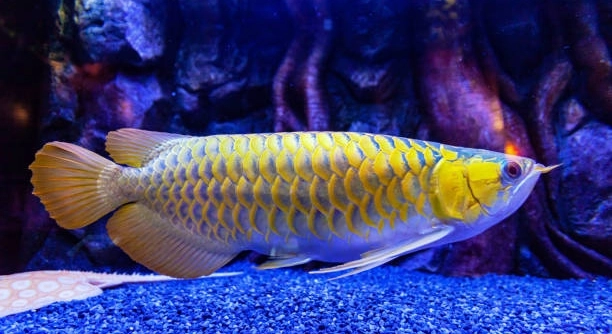
Do you ever notice your Arowana swimming slowly alone at the far end of the tank, seeming quiet and distant from its surroundings? Watching their graceful movements can make you wonder about their social needs and comfort levels.
Arowanas are generally solitary fish and do not require tankmates to thrive. They are territorial and often show stress or aggression if housed with incompatible species, making solitary care suitable for maintaining their health and well-being.
Learning about proper tank conditions and behavior patterns will help ensure your Arowana remains healthy and active for years to come.
Understanding Arowana Behavior
Arowanas are naturally solitary fish, adapted to large rivers and lakes. In the wild, they patrol wide territories alone, hunting for small fish and insects. When kept in home aquariums, this instinct remains strong. They prefer spacious tanks where they can swim freely without interference. Interactions with other fish are usually limited to aggression or territorial displays. Observing an Arowana’s daily behavior, you may notice periods of activity and rest. They often glide near the surface, sometimes jumping or exploring decorations. Providing proper lighting, hiding spots, and a stable environment helps them feel secure. Stress can result from overcrowding or incompatible tankmates, which may affect appetite and health. Understanding these behavioral patterns is key to ensuring your fish stays comfortable. Spending time watching your Arowana can give insights into its moods, habits, and energy levels, allowing adjustments to the tank environment when necessary, and helping maintain long-term well-being.
Arowanas are alert and observant, often reacting to movements outside the tank, showing their intelligence.
Arowanas thrive when their environment mimics natural conditions. Clean water, consistent temperature, and adequate space reduce stress. Adding floating plants or open swimming areas gives them a sense of safety. While some owners attempt to pair them with other large fish, it is usually better to avoid close companions. Aggression may manifest as chasing or nipping, potentially harming smaller or weaker fish. Feeding them a varied diet of pellets, frozen foods, and occasional live prey supports growth and vitality. Regular tank maintenance, including water changes and monitoring filtration, ensures optimal living conditions. Recognizing subtle cues, like changes in swimming speed or color, helps identify health concerns early. Overall, a calm, stable, and spacious environment allows Arowanas to display natural behaviors, maintain robust health, and live comfortably in captivity.
Signs Your Arowana Is Content
A healthy Arowana swims steadily, explores its tank, and maintains a vibrant color.
Content Arowanas display predictable routines and interact minimally with tank decorations without signs of stress. They eat regularly and are responsive but not aggressive toward reflections or shadows. Observing these behaviors allows owners to gauge satisfaction.
Monitoring your Arowana’s behavior helps prevent problems before they escalate. Watching how it reacts to feeding times, water changes, or new tank elements reveals levels of comfort. A balanced diet and regular care are essential, but equally important is the mental well-being of the fish. Over time, you will recognize normal swimming patterns, preferred areas, and subtle behavioral shifts. Ensuring a clean, quiet environment with consistent conditions fosters stability. Avoiding overcrowding and incompatible species further reduces stress. Small changes, like rearranging decorations or adjusting lighting, can affect mood and activity. By staying attentive and making informed adjustments, your Arowana can lead a healthy, content life in its tank.
Tankmates and Compatibility
Arowanas are best kept alone, but some large, non-aggressive fish can sometimes coexist. Small or slow-moving species risk being eaten, while overly aggressive tankmates can stress your Arowana, affecting its health and behavior. Careful selection is essential.
When considering tankmates, size and temperament are crucial. Suitable companions include large catfish, large plecos, or robust silver dollars. Even then, individual Arowanas may react differently, showing territorial behaviors or chasing other fish. Introducing tankmates requires a large, well-decorated aquarium to provide hiding spots and separate territories. Close observation is necessary during the first few weeks to ensure harmony. Overcrowding or mismatched companions can lead to injuries, disease, or stress-related issues. Feeding should also be managed carefully, ensuring all fish receive proper nutrition without triggering competition.
Even with compatible species, some Arowanas prefer solitude. They may tolerate tankmates but often patrol their area, occasionally asserting dominance. Over time, owners notice which individuals adapt and which remain solitary. Adjusting tank layout, providing visual barriers, or increasing space can reduce tension. Observing subtle signs, such as sudden chasing or hiding, allows timely intervention. Arowanas are intelligent and recognize patterns, so consistent care and attention help maintain a peaceful environment. Each fish has unique behavior, and respecting its preferences ensures longevity and reduces unnecessary stress in captivity.
Feeding Habits and Interaction
Arowanas are carnivorous, feeding on pellets, insects, and small fish. They often respond eagerly to hand feeding or floating foods, showing intelligence and curiosity.
Feeding schedules should be consistent, typically once or twice daily, depending on age and size. Young Arowanas grow rapidly and require frequent meals, while adults need less frequent feeding to avoid overfeeding. A varied diet is important to prevent nutritional deficiencies. Offering live or frozen foods encourages natural hunting instincts, supporting both physical and mental health. Care should be taken with live prey to prevent introducing disease or parasites. Observing feeding behavior also indicates overall health. Healthy Arowanas are alert, actively pursuing food, and swallowing easily, while reluctance or sudden changes in appetite may signal stress or illness. Adjusting food type, portion, or presentation can improve engagement and ensure your fish receives balanced nutrition for growth and longevity.
Signs of Stress in Arowanas
Arowanas under stress may pace the tank, refuse food, or hide excessively. Sudden color changes or frayed fins can also indicate tension.
Stress often arises from overcrowding, incompatible tankmates, or poor water conditions. Recognizing these early signs helps prevent illness and ensures a healthier environment for your fish.
Creating a Comfortable Environment
Maintaining stable water temperature, good filtration, and regular cleaning supports an Arowana’s health. Providing ample swimming space and minimal disturbances encourages natural behavior. Open areas combined with subtle hiding spots make the tank feel secure. Consistency in lighting and routine reduces anxiety, keeping the fish active and relaxed.
Water Quality Essentials
Regular water testing and partial water changes are vital. Arowanas are sensitive to ammonia, nitrites, and nitrates, requiring a clean and stable aquatic environment to thrive.
FAQ
Can Arowanas live happily alone?
Yes, Arowanas are naturally solitary fish. In the wild, they patrol large areas by themselves and rarely interact with other fish. Keeping them alone in a spacious, well-maintained tank supports their health and reduces stress. Most Arowanas do not need companions to feel comfortable.
What types of tankmates can Arowanas tolerate?
Only large, non-aggressive fish should be considered as tankmates. Species like large catfish, plecos, or robust silver dollars may coexist in very large tanks. Small or slow-moving fish are often seen as prey, while overly aggressive species can provoke stress and territorial behavior. Close monitoring is essential.
How can I tell if my Arowana is stressed?
Signs include pacing, hiding, refusing food, frayed fins, or sudden color changes. Stress often results from poor water quality, overcrowding, or incompatible tankmates. Observing subtle changes in behavior or appetite helps detect issues early, allowing timely adjustments to the environment or care routine.
What is the best diet for an Arowana?
A balanced diet includes high-quality pellets, frozen foods, and occasional live prey. Young Arowanas need more frequent feedings to support growth, while adults require less. Offering a variety of foods ensures proper nutrition, stimulates natural hunting instincts, and supports both physical and mental well-being.
How often should I feed my Arowana?
Feeding schedules depend on age and size. Juveniles typically eat twice daily, while adults may only need once daily or every other day. Avoid overfeeding, as this can lead to obesity, poor water quality, and health issues. Monitoring appetite and behavior helps adjust feeding frequency.
How important is tank size for an Arowana?
Tank size is critical. Arowanas are large, active swimmers requiring wide, long tanks with open swimming space. A cramped tank increases stress, limits natural behavior, and can cause aggression or health problems. A minimum of 250 gallons is often recommended for adult Arowanas, with more space preferred for long-term comfort.
Can Arowanas coexist with other large fish indefinitely?
Even compatible species may eventually cause tension. Territorial behaviors may emerge, requiring interventions like rearranging decorations or providing additional hiding spots. Each Arowana has unique temperament, so monitoring interactions is necessary. Some fish adapt well, while others prefer complete solitude.
How do I maintain proper water quality for my Arowana?
Regular water testing, partial water changes, and efficient filtration are essential. Arowanas are sensitive to ammonia, nitrites, and nitrates. Stable temperature and pH levels, along with minimal sudden changes, reduce stress and support overall health. Consistency is key to a thriving aquarium environment.
What are the signs of a healthy Arowana?
Healthy Arowanas swim steadily, respond to feeding, and display vibrant colors. They explore the tank, maintain regular activity patterns, and show no signs of injury or disease. Appetite, swimming behavior, and coloration are reliable indicators of overall well-being.
How do I encourage natural behavior in my Arowana?
Providing open swimming areas, floating plants, and occasional enrichment like live prey encourages natural hunting and movement. Consistent routines, stable water conditions, and minimal disturbances help your Arowana feel secure, reducing stress and supporting a longer, healthier life.
Can Arowanas recognize their owner?
Arowanas are observant and can learn routines, such as feeding times. They may respond to movement outside the tank, showing recognition and anticipation. While not social in the same way as mammals, their intelligence allows them to interact with their environment meaningfully.
How do I handle aggression in a tank with multiple fish?
Observe the Arowana closely and identify triggers. Rearranging decorations, providing visual barriers, or separating fish temporarily can reduce aggression. Avoid overcrowding, and choose compatible tankmates carefully. Patience and attentive monitoring help maintain a peaceful environment without harming any fish.
What is the average lifespan of an Arowana?
With proper care, Arowanas can live 10 to 20 years or more. Lifespan depends on diet, tank conditions, and stress management. Consistent monitoring, clean water, and a proper diet contribute significantly to longevity and overall quality of life.
How often should I clean my Arowana tank?
Partial water changes of 20–30% weekly help maintain water quality. Clean the substrate, remove uneaten food, and check filters regularly. Avoid complete tank cleaning unless necessary, as this can disrupt beneficial bacteria and stress the fish. Consistency ensures a stable and healthy environment.
Are Arowanas suitable for beginners?
Arowanas require large tanks, careful feeding, and attention to water quality. While not impossible for beginners, they demand commitment and understanding of their behavior and needs. Beginners should research extensively and prepare adequately to meet their environmental and dietary requirements.
What common illnesses affect Arowanas?
Common issues include bacterial infections, parasites, and fin rot. Poor water quality, stress, or injuries increase susceptibility. Early detection through observation of behavior, appetite, and physical condition is critical. Prompt treatment and proper tank maintenance prevent serious complications and support recovery.
Can Arowanas jump out of the tank?
Yes, Arowanas are strong jumpers. A secure, tightly fitted lid is necessary to prevent escapes and injuries. Observing their jumping tendencies during feeding or activity helps ensure safety and prevents accidents. Open tanks increase the risk of injury and stress.
How can I monitor my Arowana’s growth?
Regularly measure length and observe body condition. A balanced diet, proper tank size, and clean water encourage steady growth. Keep records to track development over time, adjusting feeding or tank conditions as necessary to support healthy progression.
Is it normal for Arowanas to be aggressive toward reflections?
Yes, reflections may trigger territorial behavior. They may attack mirrors or glass surfaces, mistaking them for rivals. Minimizing reflective surfaces and observing reactions can reduce stress and prevent self-injury, keeping the fish safe and comfortable.
What is the ideal water temperature for Arowanas?
A stable temperature between 75–82°F (24–28°C) is ideal. Sudden changes can cause stress, reduce immunity, and affect feeding behavior. Using a reliable heater and thermometer ensures the tank remains within a safe range for long-term health.
How do I encourage feeding in a picky Arowana?
Offer varied foods, including pellets, frozen items, and occasional live prey. Feeding at consistent times and using feeding tongs or floating foods can stimulate hunting instincts. Avoid drastic changes, and introduce new foods gradually to encourage acceptance without causing stress.
Can Arowanas recognize other tankmates?
They notice movements and presence of other fish but usually maintain territorial boundaries. Recognition is limited, and behavior is driven more by instinct than social bonds. Observing interactions helps assess compatibility and prevent stress or aggression in shared tanks.
How much space does a juvenile Arowana need?
Juveniles require at least 100 gallons to allow free swimming and growth. Sufficient space reduces stress, limits aggression, and supports proper development. Planning for adult tank size early ensures long-term health and comfort as the fish grows.
Are floating plants beneficial for Arowanas?
Yes, floating plants provide shade, mimic natural habitats, and create a sense of security. They also reduce stress by offering visual breaks and can help regulate light levels. Combining open swimming areas with subtle cover supports both mental and physical health.
How do I prevent fin damage in Arowanas?
Avoid sharp decorations, overcrowding, and aggressive tankmates. Regular water changes and monitoring health prevent infections that cause fin deterioration. Gentle handling and careful tank management maintain fin integrity and overall well-being.
Can Arowanas live with goldfish?
No, goldfish are too small and slow. Arowanas may view them as prey, leading to stress or injury. Always choose large, compatible fish if attempting cohabitation, and consider natural behaviors to avoid conflicts.
How can I tell if my Arowana is happy?
A content Arowana swims steadily, maintains vibrant colors, explores the tank, and eats regularly. Minimal signs of stress, such as pacing or hiding, indicate comfort. Observing consistent behavior patterns and responsiveness to routine reflects a healthy, satisfied fish.
What adjustments help aggressive Arowanas calm down?
Increasing tank size, adding visual barriers, rearranging decorations, and providing separate feeding zones can reduce tension. Monitoring behavior and making gradual changes encourages a peaceful environment without causing additional stress.
Is hand-feeding safe for Arowanas?
Yes, when done carefully. Hand-feeding stimulates natural hunting instincts and allows close observation of appetite and health. Always wash hands before feeding and avoid overly aggressive foods that could injure the fish.
Can stress affect an Arowana’s lifespan?
Yes, prolonged stress weakens immunity, reduces appetite, and increases susceptibility to disease. Maintaining clean water, proper diet, and a stable environment minimizes stress and supports longevity. Observing behavior regularly ensures timely intervention when needed.
How often should I monitor my Arowana’s behavior?
Daily observation is ideal. Noticing changes in swimming patterns, feeding, or interaction with tankmates helps detect problems early. Regular attention ensures health, comfort, and the ability to address potential stressors before they escalate.
Do Arowanas sleep?
Yes, they rest near the surface or hiding spots, reducing activity at night. Rest periods are essential for metabolism, growth, and overall health. Providing a quiet environment without excessive light or disturbances supports proper rest cycles.
Can Arowanas recognize feeding schedules?
Yes, they quickly learn routines and may anticipate feeding times. Consistency helps reduce stress and reinforces natural hunting behavior. Observing this recognition allows owners to gauge appetite, activity, and overall well-being.
How do I prevent tank aggression during feeding?
Feed in multiple areas or provide separated feeding zones for each fish. Using feeding tongs or floating food can reduce competition. Avoid overcrowding and monitor interactions to ensure all fish eat safely without provoking aggression.
Are Arowanas sensitive to noise or vibrations?
Yes, sudden loud noises or vibrations can startle them, causing stress or erratic swimming. Minimizing disturbances near the tank promotes calm behavior and reduces potential injury or health issues.
Can Arowanas jump during feeding?
Yes, they may leap to catch food. A secure lid prevents escapes or injuries. Observing feeding habits helps anticipate jumps and ensures the tank remains safe for the fish.
What is the best way to introduce a new tankmate?
Quarantine new fish before introduction, ensure tank size is adequate, and add visual barriers. Introduce gradually while monitoring behavior to prevent aggression. Adjustments may be needed to maintain a peaceful environment.
How do seasonal changes affect Arowanas?
Temperature fluctuations or changes in daylight can impact appetite and activity. Maintaining consistent water conditions and lighting supports stability. Seasonal adjustments should be gradual to avoid stress and disruption of normal behavior.
Can Arowanas live in brackish water?
Some species tolerate mild brackish conditions, but most prefer freshwater. Drastic salinity changes can stress or harm the fish. Always research your Arowana species’ requirements before adjusting water parameters.
How do I manage rapid growth in Arowanas?
Provide a large tank, balanced diet, and consistent water quality. Monitor health and behavior, adjusting feeding and tank conditions as needed. Early planning for adult size prevents stress, aggression, and health complications.
Are Arowanas sensitive to light intensity?
Yes, overly bright lights can stress them. Moderate lighting with shaded areas helps them feel secure. Using floating plants or subdued illumination creates a comfortable environment while maintaining visibility for observation.
Do Arowanas interact with their reflections?
They may attack reflections, mistaking them for rivals. Minimizing reflective surfaces and observing reactions prevents stress or injury, maintaining a safe and calm environment.
Can Arowanas tolerate temperature fluctuations?
No, sudden changes can cause stress, reduce appetite, and compromise immunity. Using a reliable heater and monitoring water temperature ensures stability and promotes long-term health.
How long can an Arowana go without food?
Adults may survive a few days, but prolonged fasting affects health. Juveniles require more frequent feeding. Consistent nutrition is essential to maintain growth, vitality, and overall well-being.
What is the role of enrichment in an Arowana tank?
Providing varied foods, floating plants, and safe obstacles stimulates natural behavior. Enrichment prevents boredom, encourages exploration, and supports mental health, ensuring a more active and content fish.
How do I adjust feeding for water temperature changes?
Lower temperatures slow metabolism, reducing appetite. Adjust feeding frequency and portion size accordingly. Warmer temperatures may increase activity and food requirements. Monitoring behavior ensures proper nutrition without overfeeding.
Can Arowanas become aggressive if stressed?
Yes, stress increases territorial and aggressive behavior. Ensuring proper tank size, compatible tankmates, and stable conditions reduces tension and maintains a calm environment for all fish.
How do I prevent disease in Arowanas?
Maintain clean water, provide a balanced diet, quarantine new fish, and observe behavior. Early detection of illness and prompt intervention reduce severity and support recovery. Consistent care is essential to long-term health.
Are Arowanas nocturnal?
No, they are primarily diurnal but rest during nighttime. Maintaining a consistent day-night cycle supports natural behavior and overall health. Minimal disturbances at night allow proper rest and recovery.
Can Arowanas live with other predatory fish?
Caution is needed. Similar-sized predatory species may coexist, but risks of aggression and injury remain. Proper tank size, hiding spots, and careful monitoring are critical to ensure safety for all inhabitants.
How do I know if my Arowana is bored?
Signs include repetitive swimming, chasing reflections, or lack of interest in food. Providing enrichment, varied feeding, and environmental changes can stimulate natural behavior and reduce boredom.
What is the ideal pH for Arowanas?
A stable pH around 6.5–7.5 is ideal. Sudden shifts can stress the fish, affect feeding, and compromise immunity. Regular testing and adjustments maintain a healthy environment.
Can Arowanas live in community tanks?
Only with careful selection of large, non-aggressive species and adequate space. Monitoring behavior is essential, as Arowanas may assert dominance or stress smaller tankmates. Avoid overcrowding to reduce conflict.
How often should I replace filter media?
Follow manufacturer guidelines, typically every 4–6 weeks. Partial replacement maintains beneficial bacteria while ensuring effective filtration. Clean filters regularly to prevent clogs and maintain water quality.
Do Arowanas require special lighting?
Standard aquarium lighting is sufficient. Moderate brightness with areas of shade supports comfort and reduces stress. Avoid excessive or flickering light, which may disturb natural behavior.
Can Arowanas recognize specific tank areas?
Yes, they memorize territories and preferred spots. Rearranging decorations can initially cause curiosity or stress, but gradual adjustments help them adapt without disrupting natural behavior.
Is it normal for Arowanas to jump during play?
Yes, they may leap to catch food or explore. Providing a secure lid prevents accidents, and observing behavior ensures safety while allowing natural activity.
How do I introduce water changes safely?
Add fresh water gradually to avoid sudden temperature or pH shifts. Partial changes maintain stability while removing waste, reducing stress and supporting overall health.
Can Arowanas live with turtles?
Generally not recommended. Turtles can stress, injure, or compete for food with Arowanas. Separate housing ensures safety and reduces risk of conflict or health issues.
What signs indicate illness in Arowanas?
Loss of appetite, color fading, frayed fins, abnormal swimming, or lethargy indicate possible illness. Early intervention with proper care or treatment prevents complications.
How do I maintain consistent water parameters?
Regular testing, stable filtration, and controlled temperature maintain consistency. Avoid sudden changes in pH, hardness, or temperature to prevent stress and promote a healthy environment.
Are Arowanas prone to obesity?
Yes, overfeeding or high-fat diets can lead to obesity, causing health issues. Balanced portions and monitoring body condition prevent excessive weight gain while supporting healthy growth.
Can Arowanas recognize human faces?
They notice movement and routines but do not form personal recognition like mammals. Their responses are based on observation of patterns, primarily related to feeding and environmental changes.
Do Arowanas enjoy interaction?
They respond to feeding and movement, showing curiosity and alertness. While not social in the traditional sense, consistent interaction can stimulate mental engagement without causing stress.
How can I prevent jumping injuries?
Secure lids, minimal disturbances, and careful observation during feeding or activity prevent escapes and injuries. Adequate swimming space reduces stress-related leaps.
What is the ideal water hardness for Arowanas?
Moderate hardness, between 5–20 dGH, supports health. Extreme softness or hardness can stress the fish and affect metabolism. Regular testing ensures parameters remain suitable for long-term well-being.
Can Arowanas coexist with cichlids?
Large, non-aggressive cichlids may coexist in very large tanks, but territorial disputes are common. Observing interactions and providing adequate space prevents stress and injuries.
How do I monitor long-term health?
Track appetite, behavior, growth, color, and activity patterns. Regular observation and water testing allow early intervention, supporting a healthy, long life for your Arowana.
Do Arowanas need seasonal adjustments in diet?
Slight adjustments may help. Cooler periods can reduce appetite, while warmer months may increase activity and food intake. Monitor behavior and adjust portions gradually to match metabolic needs.
Can Arowanas become aggressive during breeding?
Yes, if breeding occurs, aggression increases, and they may attack tankmates. Providing separate breeding tanks ensures safety and reduces stress for all fish involved.
Is it normal for Arowanas to ignore other fish?
Yes, their solitary nature means they often ignore tankmates while patrolling territories. Minimal interaction is typical and reflects natural behavior, not illness or stress.
Can Arowanas survive in slightly cooler water?
Short periods are tolerated, but prolonged exposure slows metabolism, reduces appetite, and increases disease risk. Maintaining stable, suitable temperatures is crucial for long-term health.
How do I reduce chasing behavior?
Increase tank size, add barriers, and provide hiding spots. Monitor interactions and separate incompatible fish if necessary. Gradual adjustments reduce stress and maintain a peaceful environment.
Are Arowanas sensitive to chemicals in water?
Yes, chlorine, heavy metals, and pollutants can harm them. Use dechlorinated water and test for contaminants to ensure safety. Regular monitoring prevents health issues related to poor water quality.
Do Arowanas recognize feeding tools?
Yes, they may associate tongs or floating food with meals. This recognition encourages engagement, stimulates hunting instincts, and allows close observation of appetite
Arowanas are fascinating and unique fish that bring a sense of beauty and calm to a home aquarium. Their long, graceful bodies and deliberate movements make them captivating to watch. While they are often admired for their appearance, understanding their natural behavior is just as important as appreciating their looks. These fish are naturally solitary, and their instincts drive them to patrol and explore large territories. Providing a tank that reflects their needs, with plenty of swimming space and consistent environmental conditions, allows them to thrive. Observing their patterns over time can help owners understand what makes their Arowana comfortable and happy, from the way it moves through the water to its feeding habits and resting behavior.
Caring for an Arowana requires attention to detail and commitment, but the effort pays off with a healthy, content fish. Tank size, water quality, and diet are all critical factors that directly influence their health and well-being. Large, clean tanks reduce stress and give the fish freedom to swim naturally. Proper filtration, consistent water parameters, and routine maintenance prevent illness and support long-term health. Feeding a varied diet, including high-quality pellets, frozen foods, and occasional live prey, ensures they receive the nutrients they need while stimulating natural hunting behavior. Even minor details, like floating plants or subtle hiding areas, can make the tank feel secure and reduce anxiety. Watching your Arowana interact with its environment provides insight into its comfort level and overall health.
Even though Arowanas are not social fish, observing their responses and behaviors can create a meaningful connection between owner and fish. They are intelligent and alert, often recognizing patterns, routines, and movements around their tank. While they do not need companions to be happy, understanding their individual preferences and adapting their environment accordingly can prevent stress and promote well-being. Each Arowana has its own personality, and paying attention to subtle cues, like changes in swimming speed or interest in food, helps owners address potential issues early. By maintaining a stable, spacious, and enriched environment, you provide your Arowana with the conditions it needs to live a long, healthy, and comfortable life. This careful attention transforms the experience of keeping an Arowana from simple fishkeeping into a rewarding observation of a remarkable creature.

Hello,
If you enjoy the content that we create, please consider saying a "Thank You!" by leaving a tip.
Every little bit helps us continue crafting quality advice that supports the health, happiness, and well-being of pets around the world, for pets of all shapes, sizes, and species.
We really appreciate the kindness and support that you show us!