
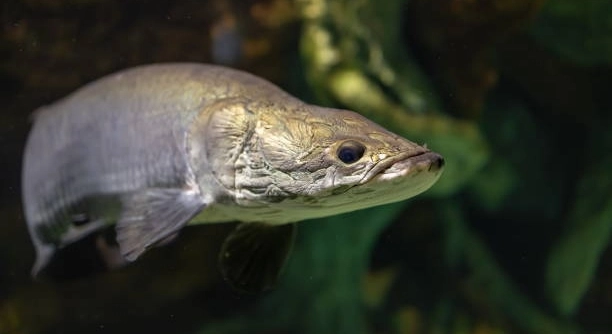
Are your arowanas showing signs of restlessness or reduced activity in the tank? Many fish owners overlook the social and environmental needs of their arowanas, which can affect their behavior and overall well-being in subtle ways.
Arowanas may experience loneliness due to lack of interaction, insufficient stimulation, or inadequate tank conditions. Addressing their social needs, providing proper tank enrichment, and monitoring environmental factors can significantly improve their mood, health, and engagement in their aquatic habitat.
Understanding the reasons behind your arowana’s loneliness can help you create a more fulfilling environment for your fish. Simple adjustments can make a noticeable difference in their daily behavior and happiness.
Limited Space in the Tank
Arowanas are large, active fish that require plenty of room to swim freely. When their tank is too small, they can become stressed and display signs of loneliness or agitation. Crowding also reduces the ability to create hiding spots or territories, which are important for their mental comfort. Even if the water is clean and the temperature is ideal, insufficient space can prevent your arowana from exercising natural behaviors like gliding across the tank or exploring different levels. Over time, this lack of activity may affect their appetite, coloration, and overall health. Adding decorations, plants, or rocks helps, but the fundamental need is room to move. Observing your fish’s behavior can help you decide if the tank size meets their needs or if an upgrade is necessary for their well-being.
Proper tank size supports both physical health and emotional stability for your arowana, reducing stress-related behaviors.
Providing at least 250 gallons for adult arowanas ensures they have enough space to thrive. This allows them to swim continuously, turn around comfortably, and interact naturally with the environment. Overcrowding may lead to aggression, reduced immune function, and signs of boredom. Adding vertical and horizontal space with tall tanks and longer layouts helps mimic their natural habitat. Structured areas, like plants or driftwood, give arowanas a sense of security, while open swimming space encourages exploration. Regular observation ensures they are using the space fully and not showing signs of lethargy or repetitive swimming patterns, which can indicate stress.
Lack of Companionship
Some arowanas prefer solitary living, but others benefit from visual or physical interaction with other fish species or arowanas of similar size.
Arowanas can feel isolated if there are no other fish in the tank or if tank mates are incompatible. Introducing compatible species, ensuring enough space, and observing interactions can reduce loneliness and improve overall behavior. Some smaller or timid species can be intimidated, so careful planning is crucial. Companionship isn’t always about being social; even seeing movement and activity nearby provides stimulation and reduces boredom.
Choosing the right tank mates involves understanding your arowana’s temperament, size, and aggression level. Ideal companions are species that occupy different tank levels and do not compete aggressively for food or territory. Avoid overcrowding, as too many fish can increase stress and potential conflicts. Slow introductions and monitoring behavior are important to prevent injury. Some owners notice improvements in activity, appetite, and coloration when compatible companions are added. In cases where companionship is not feasible, adding visual stimuli, floating plants, or mirrors can provide similar engagement. Arowanas are intelligent fish that benefit from variety in their environment, and careful planning helps ensure a more balanced, stimulating habitat.
Poor Water Quality
Dirty or improperly balanced water can make arowanas stressed and withdrawn. Ammonia, nitrite, and nitrate spikes negatively affect their health and may trigger signs of loneliness or lethargy in the tank.
Regular water changes, monitoring chemical levels, and using a reliable filtration system are essential to keep water clean and stable. Arowanas are sensitive to sudden fluctuations in pH, hardness, and temperature, so maintaining consistency is key. Removing uneaten food and debris prevents harmful buildups. Observing your fish for unusual behavior, like hiding or refusing food, can indicate water issues. A well-maintained environment reduces stress, encourages activity, and supports natural behaviors.
Temperature and oxygen levels also play a role in your arowana’s comfort. Warmer water holds less oxygen, so aeration or circulation may be needed. Overcrowding, combined with poor water quality, amplifies stress. Keeping the tank properly conditioned ensures your arowana swims actively, interacts with its surroundings, and displays brighter colors, all signs of a healthy and engaged fish.
Inadequate Stimulation
Arowanas need mental and physical stimulation to stay active and engaged. Without variety, they may become bored and appear lonely or disinterested in the tank.
Adding decorations, floating plants, or driftwood creates exploration opportunities. Rearranging items occasionally encourages curiosity and mimics natural territory changes. Mirrors or visual stimuli can provide short-term engagement, but they should not replace real interaction or environmental enrichment. Rotating toys or adding feeding enrichment, like floating pellets or target feeding, keeps your arowana mentally sharp and physically active.
Structured activities support natural hunting instincts, which prevents lethargy and promotes overall well-being. Observing your arowana during feeding or exploration helps identify preferences and tailor enrichment accordingly. Consistent attention to stimulation helps reduce stress, encourages exercise, and improves mood. Over time, these adjustments make a noticeable difference in activity levels, reducing signs of isolation and enhancing your arowana’s quality of life.
Incorrect Diet
Feeding your arowana an unbalanced diet can impact energy levels and behavior. Lack of proper nutrition may make them sluggish, less interactive, and more prone to stress, which can mimic signs of loneliness.
Including a mix of live, frozen, and pellet foods ensures essential vitamins and minerals. Variety keeps your arowana engaged during feeding and supports growth, coloration, and immune health.
Sudden Changes in Environment
Arowanas are sensitive to abrupt changes in lighting, temperature, or tank arrangement. These disruptions can cause stress, making them withdrawn or restless. Maintaining a consistent routine and gradual adjustments helps them adapt and remain comfortable in their environment.
Aggressive Tank Mates
Aggression from other fish can isolate your arowana, forcing it to hide or avoid interaction. Monitoring behavior and separating incompatible species is essential to prevent stress and ensure safety.
FAQ
Why does my arowana hide most of the time?
Arowanas often hide when they feel stressed, unsafe, or overwhelmed in their environment. Poor water quality, insufficient space, aggressive tank mates, or sudden changes can trigger hiding behavior. Providing a stable, spacious, and well-structured tank reduces stress and encourages your arowana to explore its surroundings.
Can arowanas get lonely even if they are alone by choice?
Yes. Even solitary arowanas benefit from environmental stimulation. While some prefer being alone, they still need activity, enrichment, and consistent interaction with their surroundings to avoid boredom and inactivity. Mirrors, floating plants, or rearranged decorations can provide mental engagement.
How often should I clean the tank to prevent loneliness-related stress?
Frequent cleaning is important to maintain water quality, which directly affects behavior. Partial water changes once a week and removing uneaten food daily helps keep ammonia, nitrite, and nitrate levels low. A clean environment reduces stress and supports natural behaviors.
What is the best diet to keep my arowana active and healthy?
A balanced diet with live foods, frozen items, and high-quality pellets provides essential nutrients. Variety keeps them engaged during feeding and supports energy, color, and immune health. Feeding enrichment, such as floating foods or target feeding, encourages natural hunting instincts.
How can I tell if my arowana is stressed or lonely?
Signs include hiding, reduced activity, loss of appetite, repeated swimming patterns, or dull coloration. Observing behavior over time helps identify patterns. Addressing tank size, water quality, companions, and enrichment can alleviate stress and improve mood.
Are tank mates necessary for arowanas?
Not always. Some arowanas thrive alone, while others benefit from compatible species that occupy different tank levels. Proper planning, sufficient space, and careful observation ensure interaction without causing stress or aggression.
Will adding plants or decorations help with loneliness?
Yes. Plants, driftwood, or hiding spots provide exploration opportunities and simulate natural environments. Rearranging them occasionally adds novelty and encourages curiosity, reducing boredom and improving overall well-being.
How important is water temperature for arowana behavior?
Water temperature directly affects metabolism, activity, and comfort. Sudden fluctuations or inappropriate temperatures can make your arowana lethargic or anxious. Maintaining stable, species-appropriate temperatures supports natural behaviors and reduces stress.
Can mirrors or visual stimuli replace tank mates?
They can provide temporary engagement but are not a full substitute for environmental enrichment or compatible companions. Mirrors may encourage short-term activity, but your arowana also needs space and consistent interaction with surroundings to stay healthy.
How do I safely introduce a new tank mate?
Introduce slowly and monitor behavior closely. Choose species that differ in size, temperament, and swimming level. Avoid overcrowding or pairing aggressive species. Gradual introductions reduce stress, prevent injury, and help your arowana adapt to companions safely.
What are long-term effects of loneliness in arowanas?
Prolonged loneliness or boredom can cause chronic stress, reduced appetite, weakened immune function, and abnormal swimming patterns. Addressing environmental, social, and dietary needs helps prevent long-term health issues and supports an active, engaged fish.
Is enrichment necessary if my arowana seems healthy?
Yes. Even healthy fish benefit from mental and physical stimulation. Enrichment maintains natural behaviors, reduces stress, and keeps your arowana active and engaged, improving overall quality of life.
How often should I monitor behavior to catch loneliness early?
Daily observation is ideal. Noticing subtle changes in activity, appetite, or swimming patterns allows timely adjustments to tank conditions, enrichment, or companionship, preventing prolonged stress or negative behavioral changes.
Can stress from loneliness affect coloration?
Yes. Stress often dulls coloration in arowanas. Maintaining proper tank conditions, enrichment, and compatible companions can restore natural vibrancy and indicate overall well-being.
Are some arowanas more prone to loneliness than others?
Personality and species differences play a role. Some are naturally solitary, while others enjoy visual interaction or companionship. Observing individual behavior helps determine the best approach to meet their social and environmental needs.
Does tank size influence social behavior?
Absolutely. Smaller tanks limit swimming and exploration, increasing stress and signs of isolation. Large tanks with vertical and horizontal space allow natural behaviors, reduce aggression, and provide opportunities for interaction or stimulation.
Can boredom lead to aggression in arowanas?
Yes. Lack of stimulation may result in restless or aggressive behaviors, especially toward tank mates or during feeding. Environmental enrichment and adequate space can reduce boredom-induced aggression.
Is it safe to leave an arowana alone for extended periods?
Yes, if the tank is properly set up, water quality is stable, and enrichment is present. Regular monitoring and feeding ensure their health and prevent stress from isolation.
How do I know if my arowana prefers being alone?
Observe interaction with companions or response to visual stimuli. If it remains calm, eats well, and displays normal activity alone, it may prefer solitary living. Respecting their preference supports long-term health and reduces stress.
What small changes can improve a lonely arowana’s life?
Rearranging decorations, adding plants, providing enrichment during feeding, and maintaining stable water conditions can significantly enhance mental and physical stimulation, keeping your arowana active, healthy, and engaged.
Can sudden tank rearrangements cause stress?
Yes. Sudden changes disrupt familiar territory, which can make arowanas anxious or withdrawn. Gradual adjustments allow adaptation without causing prolonged stress or behavioral issues.
Is it possible for arowanas to bond with other fish?
Some level of recognition occurs, but it is not emotional bonding like mammals. Compatibility, space, and careful observation are key to harmonious interaction and reducing stress.
What is the most effective way to prevent loneliness in arowanas?
Combine proper tank size, stable water quality, environmental enrichment, compatible companions, and a balanced diet. Consistent attention and observation ensure your arowana remains healthy, active, and mentally stimulated over time.
Can enrichment alone replace proper tank conditions?
No. Enrichment supplements but does not replace clean, spacious tanks, stable water parameters, or safe social interactions. Both aspects are necessary for arowanas to thrive physically and mentally.
How long does it take to see improvement after making changes?
Behavioral improvements may appear within days to weeks. Appetite, activity, and color may gradually return as your arowana adapts to better conditions, stimulation, or compatible companions.
Should I consult a professional if my arowana seems lonely?
Yes. An experienced aquarist or veterinarian can help assess tank setup, water quality, diet, and behavior, providing guidance to ensure your arowana’s long-term health and well-being.
Can stress from loneliness make my arowana sick?
Prolonged stress weakens the immune system, increasing susceptibility to infections or parasites. Addressing environmental, dietary, and social needs helps maintain strong health and prevents stress-related illnesses.
Is it normal for arowanas to ignore others in the tank?
Yes, individual temperament varies. Some are naturally solitary, while others observe or interact. Recognizing preferences ensures proper tank arrangements and reduces unnecessary stress.
Does feeding method affect loneliness?
Yes. Interactive feeding, like target feeding or scattered food, stimulates natural hunting instincts, reduces boredom, and encourages activity, supporting both mental and physical health.
How can I make daily interactions with my arowana more engaging?
Vary enrichment, rearrange decorations, provide feeding challenges, and observe behavior closely. Small, consistent efforts encourage curiosity, exercise, and reduce signs of loneliness or inactivity.
What signs indicate my arowana is happy and engaged?
Active swimming, regular feeding, bright coloration, and natural exploration are strong indicators of a healthy, stimulated, and content arowana in its environment.
Can lighting affect my arowana’s behavior?
Yes. Inconsistent or overly bright lighting can cause stress, hiding, or reduced activity. Stable, natural-like light cycles support normal behaviors and overall well-being.
Are there any tools to monitor loneliness in arowanas?
Observation, video recording, or noting behavior patterns over time helps detect changes in activity, appetite, or interaction. Early detection allows timely adjustments to improve their environment and mental health.
Can enrichment prevent boredom even in large tanks?
Yes. Even spacious tanks can become monotonous. Varying decorations, feeding routines, and environmental stimuli keeps your arowana active, curious, and mentally stimulated regardless of tank size.
Do juvenile arowanas experience loneliness differently than adults?
Younger fish may adapt faster to companions or enrichment but still need stimulation and adequate space. Adults require more space and consistent enrichment to maintain well-being.
Is water flow important for engagement?
Yes. Gentle currents mimic natural habitats, encourage swimming, and prevent stagnation. Proper flow contributes to physical activity and mental stimulation, reducing signs of boredom or stress.
How do I balance solitude and stimulation?
Provide space for the arowana to retreat while ensuring environmental enrichment, proper diet, and safe interaction. Respecting both needs prevents stress and promotes healthy behaviors.
Can seasonal changes affect loneliness?
Yes. Temperature fluctuations, light cycles, and water quality changes during seasons can affect activity and mood. Adjusting conditions gradually helps maintain stability and reduces stress-related behaviors.
What is the single most important factor in preventing loneliness?
Consistent attention to tank conditions, enrichment, and stimulation is key. Monitoring behavior and making small, purposeful adjustments keeps your arowana active, healthy, and engaged over time.
Is it normal for arowanas to display repetitive behaviors when bored?
Yes. Pacing or repetitive swimming can indicate boredom or stress. Adding enrichment, space, or visual stimuli helps reduce these behaviors and improves overall well-being.
How often should I rotate enrichment items?
Changing decorations, plants, or feeding routines every few weeks provides novelty, encourages exploration, and prevents monotony without overwhelming your arowana.
Can arowanas get attached to specific areas in the tank?
Yes. They may prefer certain hiding spots or open areas. Rearranging gently helps maintain interest and ensures they remain active and engaged.
Are there signs that enrichment is ineffective?
Persistent hiding, reduced activity, dull colors, or loss of appetite suggest enrichment may not be sufficient. Observing responses guides adjustments for better engagement.
Can loneliness cause long-term behavioral changes?
Prolonged isolation or lack of stimulation may lead to chronic stress, aggression, or lethargy. Addressing environmental, dietary, and social needs early prevents lasting effects and maintains healthy behavior.
Do arowanas require interaction with humans?
Not necessary for all, but occasional feeding or observation provides stimulation. Respecting their preference ensures comfort while promoting engagement.
Can stress from loneliness affect reproduction?
Yes. Chronic stress can reduce fertility or disrupt breeding behaviors. Maintaining optimal conditions and enrichment supports overall health and reproductive potential.
Is it safe to use toys for mental stimulation?
Yes. Floating objects or feeding devices encourage natural hunting and exploration. Ensure they are non-toxic and safe for large, active fish.
What is the best routine to prevent loneliness?
Consistent feeding, tank maintenance, environmental enrichment, and observation create stability, engagement, and physical activity, keeping your arowana healthy, curious, and mentally stimulated.
Can a single change make a significant difference?
Yes. Adjusting tank size, water quality, or adding enrichment can quickly improve activity, appetite, and overall mood, especially when paired with consistent care.
Are certain species of arowanas more sensitive to isolation?
Yes. Some species are naturally more active or social. Knowing your species’ temperament helps tailor tank setup, enrichment, and interaction to meet their needs.
Can stress from loneliness affect feeding habits?
Yes. Bored or stressed arowanas may eat less or refuse food. Enrichment and environmental adjustments encourage natural feeding behavior and improve appetite.
Is it ever too late to improve an arowana’s environment?
No. Even long-term stress or isolation can be mitigated with proper care, enrichment, and attention. Gradual improvements lead to noticeable changes in behavior and health.
How do I maintain long-term engagement for my arowana?
Rotate enrichment, provide consistent feeding and water quality, observe behavior, and adjust companions or decorations as needed. Long-term attention ensures active, healthy, and mentally stimulated fish.
Can arowanas experience mood changes?
Yes. Stress, boredom, or poor conditions affect behavior and activity levels. Maintaining optimal conditions and enrichment helps sustain a stable and healthy mood.
What is the easiest way to tell if my arowana is thriving?
Active swimming, natural exploration, bright coloration, regular feeding, and responsive behavior indicate your arowana is healthy, engaged, and well-adjusted to its environment.
How do I combine diet, enrichment, and tank conditions effectively?
Balanced nutrition, stimulating environment, and proper water parameters work together to reduce stress, prevent boredom, and promote physical and mental health in your arowana.
Can observation alone prevent loneliness?
Observation identifies early signs of stress or boredom, but it must be combined with action—tank adjustments, enrichment, and proper care—to prevent loneliness and maintain well-being.
Are mirrors recommended for long-term stimulation?
Mirrors provide temporary engagement but are not a replacement for enrichment, proper tank setup, or compatible companions. Use sparingly to avoid frustration or repetitive behaviors.
Can small daily improvements make a big difference?
Yes. Gradual adjustments in feeding, enrichment, and observation consistently improve activity, mood, and overall health, keeping your arowana engaged and happy over time.
Does stress from isolation affect immunity?
Yes. Chronic stress weakens the immune system, making arowanas more susceptible to disease. Proper care, stimulation, and monitoring prevent stress-related health issues.
How do I know if my enrichment is too complex?
If your arowana avoids interaction, hides frequently, or refuses to engage, simplify enrichment. Gradually introduce new items to maintain comfort while encouraging curiosity.
Can water changes alone reduce loneliness?
Water changes improve health but do not fully address mental stimulation. Pairing clean water with enrichment and activity ensures a balanced and engaged environment.
Is it okay if my arowana ignores enrichment sometimes?
Yes. Individual preferences vary. Monitor behavior, rotate items, and provide options to ensure consistent mental and physical stimulation without forcing interaction.
Do arowanas benefit from seasonal adjustments in enrichment?
Yes. Gradual changes in decoration, feeding routines, and environmental stimuli help maintain interest, activity, and mental stimulation throughout the year.
Can boredom lead to health problems?
Yes. Chronic inactivity, stress, and poor stimulation may affect appetite, immune function, and coloration. Proper care and enrichment prevent long-term issues.
How important is routine for preventing loneliness?
Consistent feeding, maintenance, and enrichment provide stability, reduce stress, and encourage natural behaviors, keeping your arowana active, healthy, and mentally engaged over time.
Can over-stimulation be harmful?
Yes. Too many changes or constant interaction may cause stress. Gradual, balanced enrichment ensures engagement without overwhelming your arowana.
Does tank layout affect social behavior?
Yes. Open areas, hiding spots, and varied levels allow natural exploration, interaction, and retreat, supporting mental health and reducing signs of loneliness.
How can I safely observe behavior without causing stress?
Watch quietly from outside the tank or use indirect monitoring tools. Avoid tapping or startling the fish to maintain natural behaviors and reduce anxiety.
Are enrichment and diet equally important for mental health?
Yes. Proper nutrition supports energy, while enrichment provides mental stimulation. Together, they prevent boredom, stress, and behavioral issues in arowanas.
Can stress from isolation affect lifespan?
Chronic stress may reduce lifespan due to weakened immunity and poor health. Addressing environmental and social needs improves quality of life and longevity.
Is it necessary to adjust lighting with enrichment?
Yes. Stable, natural-like lighting supports normal behavior and enhances engagement with enrichment items. Avoid abrupt changes to prevent stress.
How do I prioritize different enrichment options?
Focus on items that encourage natural behavior, exploration, and activity first, then add visual stimuli, feeding challenges, or rearrangements to maintain interest over time.
Can stress cause my arowana to refuse food permanently?
Stress may temporarily reduce appetite, but proper care, enrichment, and stable conditions restore feeding behavior. Persistent refusal warrants professional consultation.
Are there signs my arowana is overstimulated?
Erratic swimming, hiding, or ignoring enrichment indicate too much stimulation. Simplify the environment and reintroduce items gradually to maintain comfort.
Does tank cleaning affect stimulation?
Yes. Rearranging or adding items during cleaning can provide novelty, but sudden drastic changes may cause stress. Balance maintenance with gradual enrichment.
Can companions reduce stress even if my arowana prefers solitude?
Some interaction may help, but respect individual preference. Visual stimuli or partial separation allows observation without forcing social interaction.
How do I maintain engagement for long-term health?
Rotate enrichment, provide varied diet, maintain water quality, and observe behavior regularly. Balanced attention ensures physical activity, mental stimulation, and overall well-being.
Can enrichment improve color vibrancy?
Yes. Active, mentally stimulated arowanas display brighter coloration, which reflects health and engagement with their environment.
Are all enrichment items safe for large arowanas?
Only non-toxic, sturdy items should be used. Avoid sharp or small objects that may injure or be ingested.
How can I tell if my arowana enjoys enrichment?
Active exploration, interaction, and interest in new items indicate successful engagement. Lack of avoidance or stress signals positive response.
Should enrichment be changed seasonally or weekly?
Rotate every few weeks to maintain novelty. Seasonal adjustments can also provide variety and mimic natural environmental changes.
Can enrichment prevent aggression?
Yes. Stimulated, occupied arowanas are less likely to show boredom-driven aggression toward tank mates or during feeding.
What is the simplest form of enrichment?
Rearranging decorations or floating food items encourages exploration and activity with minimal effort, providing both mental and physical stimulation.
Does tank size affect effectiveness of enrichment?
Larger tanks allow more variety and space for interaction, enhancing the benefits of enrichment and reducing stress from confinement.
Can enrichment replace tank mates entirely?
No. While it reduces boredom and promotes activity, some arowanas may still benefit from visual or compatible companions.
How do I measure success of enrichment strategies?
Monitor activity levels, appetite, coloration, and behavior. Positive changes indicate effective mental and physical engagement.
Are some enrichment methods better for juveniles than adults?
Yes. Juveniles may prefer interactive or playful items, while adults benefit from exploration, territory variation, and structured feeding challenges.
**Can
Caring for an arowana involves more than just feeding and maintaining water quality. These fish are intelligent and sensitive, and their behavior often reflects their environment. Loneliness or lack of stimulation can lead to stress, reduced appetite, dull coloration, and even health problems over time. Observing your arowana daily helps you understand its natural behaviors, such as swimming patterns, exploration, and response to feeding. Simple changes, like adding plants, rearranging decorations, or providing enrichment during feeding, can make a noticeable difference in activity and engagement. Ensuring a stable environment with clean water, appropriate temperature, and enough space is just as important as enrichment. Together, these factors create a balanced habitat where your arowana can thrive physically and mentally, reducing the chances of stress-related behaviors.
Proper tank size is critical for the well-being of an arowana. These fish are large and active, requiring enough room to swim, turn, and explore comfortably. Crowded conditions not only increase stress but also limit opportunities for natural behaviors, which can mimic signs of loneliness or boredom. Even with compatible tank mates or enrichment, inadequate space can undermine their health and mood. A well-structured tank with open swimming areas, hiding spots, and varied levels helps provide security while encouraging exploration. Adding compatible companions, when appropriate, can improve mental stimulation, but the primary focus should always be on space, water quality, and environmental stability. Monitoring your arowana’s behavior over time allows you to adjust the tank setup as needed, ensuring that it remains active, curious, and healthy.
Maintaining an arowana’s mental and physical health requires consistent attention and care. A balanced diet, environmental enrichment, and stable water conditions work together to support natural behaviors and reduce stress. Enrichment doesn’t need to be complex—rearranging decorations, adding floating plants, or providing feeding challenges can stimulate curiosity and activity. Observing your arowana’s responses helps determine what works best, whether it prefers solitude, visual stimulation, or interaction with compatible tank mates. Small adjustments, like gradual changes in tank layout or feeding routines, can prevent boredom and improve engagement. Over time, these consistent efforts create a healthy, stimulating environment that allows your arowana to express its natural behaviors, maintain vibrant coloration, and enjoy an active, balanced life.

Hello,
If you enjoy the content that we create, please consider saying a "Thank You!" by leaving a tip.
Every little bit helps us continue crafting quality advice that supports the health, happiness, and well-being of pets around the world, for pets of all shapes, sizes, and species.
We really appreciate the kindness and support that you show us!