
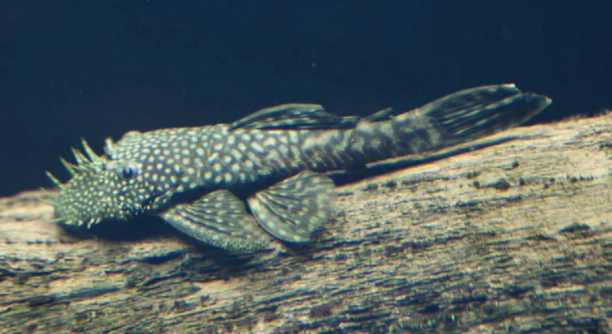
Do you enjoy watching your pleco glide across the tank and wonder if it is happy in its environment? Observing these peaceful fish can be rewarding when you notice their natural behaviors and habits.
Plecos exhibit signs of well-being through regular movement, healthy appetite, clean and intact fins, bright coloration, exploration of the tank, interaction with decorations, and resting patterns. Monitoring these indicators ensures their comfort and overall health in captivity.
Recognizing these behaviors can help you maintain a thriving aquarium and deepen your bond with your aquatic companion. Paying attention to subtle cues will make caring for your pleco more fulfilling.
Bright and Active Movement
Watching your pleco move energetically across the tank is one of the clearest indicators of its happiness. Healthy plecos will glide smoothly over surfaces, explore hiding spots, and swim at varying depths. Sudden bursts of speed or playful interactions with the tank environment show that your pleco is comfortable and confident. If your pleco tends to remain still for long periods or hides excessively, it may be stressed or adjusting poorly to the tank. Ensuring the water quality is optimal, with the right temperature, pH, and filtration, encourages active swimming. Observing their movement patterns daily can help you spot any changes in behavior early. Lighting also affects activity levels, as plecos are more active during dimly lit hours, reflecting their natural nocturnal tendencies. Providing open spaces and secure hiding places allows your pleco to feel safe while remaining active, which is essential for both mental stimulation and physical health. Proper nutrition also supports energy levels, allowing your pleco to display natural swimming behaviors consistently.
Plecos that move around frequently and explore their tank are likely feeling secure and healthy. Active swimming reflects comfort and engagement.
Regular observation of your pleco’s movement can reveal subtle signs of stress or contentment. By adjusting water conditions, decorations, and feeding routines, you can encourage consistent activity. Some plecos prefer exploring at night, so monitoring behavior across different times helps you understand their natural rhythm. Providing a mix of surfaces, such as smooth rocks, driftwood, and plants, allows varied exploration and supports natural scraping and grazing behaviors. If your pleco shows steady movement and curiosity, it is an encouraging sign that the tank environment meets its needs. Combining activity observation with feeding patterns and interactions with decorations gives a fuller picture of well-being. Adjustments to tank lighting, hiding spots, and water flow can further enhance engagement, ensuring the pleco remains both physically active and mentally stimulated. Tracking these behaviors over weeks can highlight improvements or emerging issues, making it easier to maintain a thriving, balanced aquarium.
Healthy Appetite
A pleco that consistently eats the food you provide is demonstrating both good health and comfort in the tank. They may graze on algae, sinking pellets, or vegetables like zucchini and cucumber.
Regular feeding patterns, combined with a balanced diet, are essential to maintaining your pleco’s energy and longevity.
Monitoring appetite can indicate health status early. Changes in feeding habits, such as sudden disinterest or overeating, may suggest water quality problems, stress, or illness. Plecos generally prefer eating during low-light periods, so adjusting feeding schedules to their natural activity cycle can improve intake. Offering a variety of foods, including protein-based options for some species, helps meet nutritional needs. Observing how they consume food, whether grazing steadily or quickly devouring portions, can reveal comfort levels. Ensuring food reaches the bottom of the tank, avoiding competition with faster species, supports consistent feeding. In addition, maintaining clean water prevents leftover food from decaying and affecting health. By tracking eating behavior alongside other indicators like swimming patterns and coloration, you gain a clearer understanding of your pleco’s overall happiness and well-being.
Bright Coloration
A pleco with vibrant, clear colors is generally healthy and comfortable in its tank. Dull or faded hues can indicate stress, poor water quality, or illness. Consistent brightness in coloration shows the fish is thriving and its environment meets its needs.
Healthy plecos display strong, even coloration across their body and fins. Variations in color can occur naturally with age or during breeding periods, but sudden changes often signal environmental stress. Maintaining stable water parameters, providing proper nutrition, and minimizing sudden disturbances help preserve natural coloration. Observing the pleco regularly allows you to notice subtle improvements or declines in its appearance, offering insight into overall well-being. Color vibrancy often correlates with active, confident behavior, reflecting both mental and physical health.
Providing a balanced diet and optimal tank conditions supports color intensity. Driftwood, plants, and natural substrates enhance comfort, reducing stress and allowing the pleco’s colors to shine. Monitoring water temperature, pH, and cleanliness directly affects pigmentation, as healthy water chemistry promotes physiological stability. Additionally, exposure to gentle lighting enhances visual vibrancy without causing stress. Over time, consistent care ensures the pleco maintains bright colors, which is a reliable indicator of enjoyment and adaptation to the tank environment.
Interaction with Decorations
Plecos that explore and interact with tank decorations show engagement and contentment. Hiding, rubbing against driftwood, and investigating plants are natural behaviors that indicate comfort and curiosity in their surroundings.
Interaction with decorations fulfills both physical and mental needs. Plecos often scrape surfaces like driftwood or rocks, which helps them feed and maintain healthy fins. Plants and caves provide security while encouraging exploration. Observing how a pleco moves among decorations can reveal stress levels; avoidance or disinterest may indicate discomfort or illness. Adjusting decoration placement or adding new elements can stimulate natural behaviors. Ensuring the tank is spacious enough allows the pleco to navigate freely while exploring, providing both enrichment and a sense of security.
Decorations serve multiple purposes beyond aesthetics. Driftwood offers surfaces for grazing, caves and rocks create safe resting spots, and plants supply shelter and visual interest. A pleco that actively investigates and interacts with these items demonstrates comfort and confidence. Environmental enrichment reduces stress, encourages exercise, and promotes natural behaviors, contributing to overall well-being. Regularly changing or repositioning decorations maintains stimulation, preventing boredom. Observing the pleco’s responses over time helps identify preferences and ensures the tank remains engaging, safe, and enjoyable for the fish.
Resting Comfortably
Plecos that rest quietly in safe spots show they feel secure in the tank. Settling in caves, under driftwood, or among plants indicates comfort and trust in their environment.
Regular resting is essential for plecos’ health. Peaceful, undisturbed sleep patterns reflect a stable environment and minimal stress, supporting overall well-being.
Healthy Fins
Strong, intact fins are a key sign of a pleco’s health and happiness. Torn or clamped fins may indicate stress, poor water quality, or disease. Maintaining clean water and a safe environment ensures fin integrity and supports natural growth and repair.
Active Nocturnal Behavior
Plecos are naturally nocturnal, and increased activity during evening or low-light periods indicates comfort and proper adaptation to the tank environment. Observing this pattern reflects that their daily rhythm aligns with natural instincts.
How can I tell if my pleco is happy?
A happy pleco shows consistent activity, healthy eating, bright coloration, and interaction with its environment. It will explore decorations, rest in secure spots, and display natural behaviors like grazing on surfaces. Sudden changes in behavior, color, or appetite can indicate stress or illness, so consistent observation is important.
Why is my pleco hiding all the time?
Hiding is normal if your pleco finds shelter among plants, rocks, or driftwood. Excessive hiding may suggest stress, poor water quality, overcrowding, or illness. Ensure the tank has enough space, proper filtration, and stable water parameters. Providing multiple hiding spots helps your pleco feel secure.
What foods make plecos happiest?
Plecos enjoy algae, vegetables like zucchini or cucumber, and sinking pellets. Protein-rich foods can be included for certain species. Offering variety supports nutrition and encourages grazing behavior. Observing which foods your pleco prefers helps tailor its diet and keeps it engaged.
How often should I feed my pleco?
Most plecos benefit from feeding once or twice a day, depending on species and tank size. Avoid overfeeding, which can affect water quality and health. Providing food at consistent times helps maintain natural routines and ensures proper growth and energy.
Can tank decorations affect my pleco’s happiness?
Yes. Driftwood, caves, and plants give plecos places to explore, graze, and hide. Interaction with these items reduces stress and encourages natural behaviors. Rearranging or adding decorations periodically can provide mental stimulation, keeping your pleco comfortable and active.
Why is my pleco not as colorful as before?
Dull coloration can indicate stress, poor water quality, or improper diet. Age and genetics also affect color naturally. Maintaining clean water, stable temperature, and proper nutrition helps restore vibrancy. Observation over time helps distinguish natural changes from environmental issues.
Do plecos need companions to be happy?
Plecos are generally solitary but can tolerate tank mates if space allows. Compatibility depends on species and size. Avoid aggressive fish or overcrowding, as this can cause stress. Focus on meeting environmental and dietary needs for optimal well-being.
How can I encourage my pleco to be more active?
Providing varied surfaces to graze, multiple hiding spots, and proper lighting encourages natural activity. Maintaining clean water and a stable environment also supports energy. Adjusting feeding times to their nocturnal habits can increase observable activity.
What signs indicate my pleco is stressed?
Stress signs include clamped fins, loss of appetite, hiding excessively, faded coloration, and erratic swimming. Identifying stress early allows for corrective measures, like improving water quality, adjusting tank decorations, or reducing disturbances in the tank.
Is it normal for plecos to rest during the day?
Yes, plecos are naturally nocturnal. Daytime resting in secure areas is normal and reflects comfort. Observing nighttime activity ensures your pleco is active when expected and that its daily rhythm is aligned with natural instincts.
How important is water quality for a pleco’s happiness?
Water quality is critical. Stable pH, temperature, and clean conditions prevent stress, disease, and fin damage. Regular monitoring, water changes, and filtration maintenance directly impact behavior, appetite, and overall enjoyment of the tank environment.
Can a pleco be happy in a small tank?
A small tank can limit natural behavior, causing stress and reduced activity. Providing adequate hiding spots, proper filtration, and regular cleaning is essential. Larger tanks allow more swimming space and exploration, which directly supports comfort and mental stimulation.
What role does light play in pleco behavior?
Plecos are more active in low-light or evening conditions. Proper lighting supports natural rhythms without causing stress. Overly bright lights can cause hiding and reduce activity. Adjusting light intensity and duration helps maintain healthy nocturnal behavior.
How do I know if my pleco is comfortable with tank decorations?
Plecos that explore, graze, and rest around decorations are comfortable. Avoid overcrowding decorations, which can reduce swimming space. Observing which areas your pleco prefers helps determine optimal placement, enhancing engagement and overall well-being.
Can plecos show affection or recognition?
While plecos are not social in the way mammals are, they may respond to familiar patterns, feeding routines, and gentle interaction. Recognition is often shown through curiosity, swimming near you, or reacting predictably to feeding. Consistency and a calm environment strengthen trust and comfort.
How long does it take for a pleco to adjust to a new tank?
Adjustment varies by species and individual temperament. Generally, plecos take a few days to a few weeks to explore fully and display natural behaviors. Providing hiding spots, stable water conditions, and gentle handling accelerates adaptation and reduces stress.
What health checks indicate my pleco is thriving?
Thriving plecos have intact fins, smooth scales, bright coloration, steady appetite, and regular activity patterns. Observing grazing, interaction with decorations, and resting habits helps assess overall comfort. Monitoring these indicators ensures the tank environment supports long-term well-being.
How often should I monitor my pleco’s behavior?
Daily observation is ideal for tracking activity, appetite, coloration, and interaction with the environment. Noting changes early allows timely intervention for stress, illness, or environmental adjustments, helping maintain a happy and healthy pleco.
Can environmental enrichment improve a pleco’s happiness?
Yes, enrichment like varied decorations, driftwood, and safe plants encourages exploration, grazing, and resting. Changing or rearranging items occasionally keeps the pleco mentally stimulated, reducing stress and promoting natural behaviors.
Are there signs that indicate aging affects pleco happiness?
Older plecos may slow down, rest more, or show subtle color changes. As long as they maintain appetite, interact with decorations, and display normal behaviors, these changes are typical. Providing supportive care ensures continued comfort and health into later years.
Observing your pleco in its tank can be a rewarding experience, especially when you recognize the subtle signs of comfort and happiness. Each pleco displays its well-being in unique ways, from movement patterns to coloration, and from resting spots to interactions with decorations. Noticing these behaviors helps you understand your fish better and provides insight into the overall health of your aquarium. Maintaining clean water, proper temperature, and a balanced diet is essential for encouraging these positive behaviors. Over time, you begin to recognize what is normal for your pleco and can more easily detect changes that might signal stress or illness. The combination of proper care, observation, and environmental enrichment allows your pleco to thrive and enjoy its habitat fully.
Ensuring your pleco feels secure and stimulated requires attention to both physical and mental needs. Hiding spots, driftwood, plants, and other decorations offer places to rest, explore, and graze, which are essential behaviors for their natural lifestyle. A well-maintained tank with sufficient space prevents overcrowding and reduces stress, allowing plecos to move freely and express natural activity levels. Nutrition also plays a crucial role in happiness, as a varied diet supports energy, coloration, and overall health. By observing feeding habits, you can tailor meals to match your pleco’s preferences while ensuring all nutritional needs are met. Regular interaction with the tank environment, even indirectly through feeding or adjusting decorations, encourages mental stimulation and reduces boredom.
Long-term care and observation are key to maintaining a happy pleco. Monitoring activity, resting patterns, coloration, and interactions with the tank ensures that any issues are addressed promptly. Subtle changes in behavior, appetite, or appearance can indicate environmental problems or health concerns that require attention. By keeping a consistent schedule for water changes, feeding, and tank maintenance, you create stability, which helps your pleco feel secure. Paying attention to its nocturnal habits and natural instincts also allows you to adjust lighting and feeding times accordingly. Over time, these efforts create an environment in which your pleco can display natural behaviors, remain active, and maintain a healthy, vibrant appearance. A well-cared-for pleco is not only more visually appealing but also demonstrates overall well-being, making the experience of keeping it in your tank more satisfying and fulfilling.

Hello,
If you enjoy the content that we create, please consider saying a "Thank You!" by leaving a tip.
Every little bit helps us continue crafting quality advice that supports the health, happiness, and well-being of pets around the world, for pets of all shapes, sizes, and species.
We really appreciate the kindness and support that you show us!