
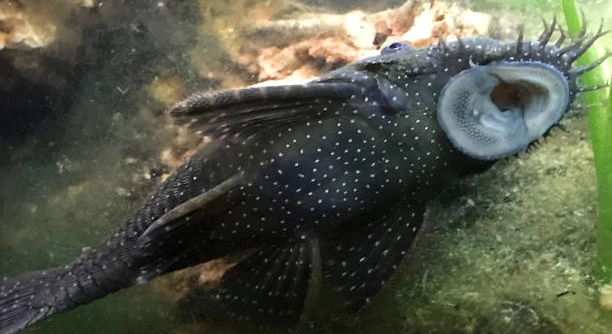
Do you ever notice your plecos gliding through the tank and wonder how they respond when currents shift unexpectedly? These fascinating fish seem calm, yet subtle changes in water flow can influence their daily movements. Observing them closely reveals patterns many owners miss.
Plecos are capable of recognizing changes in tank flow. Their sensory systems detect variations in current strength and direction, prompting adjustments in swimming behavior, positioning, and resting locations. This adaptation helps them conserve energy and maintain stability within their environment.
Understanding how flow affects plecos can improve tank setups and enhance their overall well-being. Small adjustments may make a significant difference in their comfort and activity levels.
How Plecos Sense Water Flow
Plecos rely on a combination of sensory systems to detect changes in tank flow. Their lateral line system allows them to sense vibrations and currents in the water, helping them identify areas of stronger or weaker movement. When the flow shifts, plecos adjust their fins and swimming patterns to maintain balance. These adjustments are often subtle but important for conserving energy. Observing them closely, you may notice plecos choosing calmer spots near decorations or hiding in crevices when currents become stronger. Some plecos prefer moderate flow, while others actively explore faster currents. Tank setup, including filter placement and water movement, directly impacts how plecos interact with their environment. Providing both high-flow and low-flow zones allows plecos to regulate their comfort and activity. This natural behavior is essential for their overall health and can prevent stress-related issues. By understanding these patterns, owners can create a stable, suitable habitat that supports their plecos’ instincts and needs.
Plecos’ ability to sense flow is primarily instinctive. Their movements reflect immediate responses to changes, ensuring they remain comfortable and secure within their tank environment.
Adjusting tank flow requires attention to details such as filter output and water circulation. Plecos are highly sensitive to even minor changes, so gradual modifications are more effective than sudden shifts. Adding plants, rocks, or driftwood can create natural shelters that help plecos cope with stronger currents. Observing where plecos spend most of their time gives insight into preferred flow areas. Providing both calm and moving water zones allows plecos to choose their ideal environment. Maintaining consistent flow patterns over time helps them adapt better and reduces stress, supporting overall health. Some species are more flow-tolerant than others, so understanding species-specific preferences is crucial when adjusting currents. With careful observation and adjustments, you can create a tank that respects their natural behaviors while keeping them active and comfortable.
Adjusting Flow Without Stress
Gradual changes in water flow minimize stress for plecos. Sudden strong currents can cause them to hide or avoid activity.
When modifying flow, small incremental adjustments work best. Start by lowering or redirecting filter output slightly and monitor pleco behavior over several days. Introducing decorations strategically can break strong currents and provide resting zones. Ensure water movement remains consistent to avoid confusing the fish. Observing plecos’ reactions to each adjustment helps determine their comfort level. Some may prefer gentle movement near the tank bottom, while others enjoy swimming in moderate currents. Avoid placing plecos directly in the strongest flow until they demonstrate tolerance. Over time, they can acclimate to subtle changes without negative impact. Maintaining stable flow also promotes better oxygenation and prevents debris accumulation in stagnant areas. By combining patience with observation, plecos can thrive in a balanced, dynamic environment suited to their natural instincts. Regular monitoring ensures adjustments remain beneficial and keep your plecos comfortable.
Signs Your Plecos Are Responding to Flow
Plecos often change their position or cling to surfaces when currents shift. Watching these movements closely can indicate how comfortable they are and which areas of the tank they prefer for resting or feeding.
Strong currents may cause plecos to cling more frequently to rocks or driftwood. They adjust their fins to maintain stability and conserve energy, often favoring sheltered spots over open water. Feeding behavior can also change; plecos may move closer to areas with calmer flow to eat comfortably. Observing these subtle shifts provides insight into their stress levels and adaptation strategies. Recognizing these patterns helps you optimize tank setup for both comfort and natural behavior.
Plecos may also change swimming speed or direction when detecting flow changes. Slower, deliberate movements indicate they are compensating for stronger currents, while rapid adjustments often occur near filter output or water inlets. Providing a mix of calm and flowing zones allows plecos to select their preferred environment. Consistently observing and noting these behaviors ensures that changes in flow do not cause prolonged stress, promoting a healthier, more active fish. Properly arranged tank elements help them exercise natural instincts safely.
Tools to Manage Tank Flow
Adjustable filters and pumps make controlling water movement easier. Redirecting flow or lowering intensity can create suitable zones for plecos.
Using decorations strategically can break strong currents and create calm areas. Rocks, driftwood, or plants positioned near flow sources reduce turbulence and provide resting spaces. Filters with adjustable output allow gradual modifications without shocking the fish. Monitoring plecos’ reactions helps determine the best setup and ensures they can move freely while staying comfortable. Regular observation lets you fine-tune adjustments based on behavior, maintaining a balanced environment. A combination of flow management tools and careful placement of tank elements ensures plecos thrive while retaining natural movement patterns.
Common Flow Mistakes
Placing filters too close together can create overly strong currents. Plecos may avoid these areas entirely, reducing their activity and comfort.
Neglecting to provide calm zones leaves plecos with no resting spots. They need a balance of gentle and moderate flow to stay healthy and active.
Observing Behavioral Changes
Changes in swimming patterns, clinging frequency, or resting locations often indicate how plecos are responding to flow adjustments. Close observation helps identify preferences and potential stress points. Maintaining notes over time allows better adjustments for comfort and well-being.
Using Natural Barriers
Rocks, driftwood, and plants can break up strong currents. Strategically placing these elements allows plecos to move safely and choose calmer spots when needed.
How do I know if my pleco is stressed by the current?
Plecos stressed by strong currents often cling to surfaces more than usual or hide in decorations. They may also slow down swimming or avoid open areas entirely. Feeding habits can change, with plecos moving to calmer zones to eat comfortably. Observing these behaviors over time helps determine if adjustments are necessary.
Can plecos adapt to stronger water flow?
Yes, plecos can gradually adapt to stronger currents if changes are made slowly. Sudden increases in flow may cause them to panic or overexert themselves. Incremental adjustments, combined with strategically placed resting areas, allow plecos to acclimate safely while still maintaining normal activity levels.
Do all pleco species respond the same to flow changes?
Different species have varying tolerance levels for water flow. For example, Bristlenose plecos prefer moderate flow and sheltered areas, while larger species like Common plecos may handle stronger currents better. Understanding your pleco’s species-specific behavior ensures proper tank setup and minimizes stress.
How can I create a balance of flow in my tank?
Using adjustable filters or pumps allows control over water movement. Placing rocks, driftwood, and plants near strong currents can break up flow and create calmer areas. Observing where plecos spend most of their time helps identify preferred zones, ensuring a comfortable balance between moving and resting areas.
Is water flow important for pleco health?
Yes, appropriate flow is essential for oxygenation, waste removal, and simulating natural habitats. Too little movement can result in stagnant zones and lower oxygen levels, while excessive flow can stress plecos and disrupt their feeding and resting routines. Balanced flow supports both physical health and natural behaviors.
How often should I adjust tank flow?
Flow should be monitored regularly but only adjusted when necessary. Plecos may respond to changes in filter placement, decorations, or tank size. Minor tweaks can improve comfort, but constant modifications may cause stress. Gradual changes combined with careful observation provide the best results.
Can flow changes affect pleco feeding?
Yes, plecos often move to calmer areas to eat when currents are strong. Strong flow near feeding zones may cause them to avoid food or eat less efficiently. Observing feeding behavior after flow adjustments ensures plecos can access food comfortably.
What signs indicate plecos are comfortable with current?
Comfortable plecos explore the tank freely, move without clinging excessively, and feed normally. They often choose spots with moderate flow, resting in areas that allow energy conservation while remaining active. Consistent, calm behavior indicates that flow adjustments are suitable.
Can tank decorations help plecos manage strong currents?
Absolutely. Rocks, driftwood, and dense plant areas act as natural barriers, breaking strong currents and providing resting zones. Proper placement allows plecos to navigate comfortably and regulate their exposure to moving water, supporting both activity and stress reduction.
Should I worry if plecos avoid certain areas?
Avoidance often indicates unfavorable flow conditions. Plecos naturally select areas with comfortable currents for resting or feeding. Adjusting water movement or adding barriers can make previously avoided zones accessible and comfortable, ensuring the entire tank is suitable for their needs.
How quickly do plecos respond to flow changes?
Responses are usually immediate, with plecos adjusting swimming patterns or positions as soon as currents shift. Gradual acclimation over days or weeks helps them adapt to new flow conditions without prolonged stress. Observation during these periods is key to ensuring proper adjustment.
Are there tools to measure flow strength in aquariums?
Yes, aquarium flow meters or simple floating objects can help estimate current speed and direction. Regular monitoring ensures that flow remains within suitable ranges for your plecos, preventing areas from becoming too strong or stagnant. Adjusting filters and pump outputs based on these measurements supports consistent conditions.
Can too little flow harm plecos?
Yes, stagnant water reduces oxygen levels and allows debris to accumulate. Plecos may become lethargic or develop health issues in low-flow areas. Providing some movement, even in zones designated as calm, supports oxygenation, cleanliness, and natural behaviors essential for long-term health.
Do plecos interact with flow changes socially?
Plecos are generally solitary, but changes in current may influence positioning if multiple plecos share a tank. Each fish may choose preferred zones, reducing conflict while allowing individuals to find comfort. Observation of multiple plecos ensures that flow adjustments accommodate all occupants.
How do I know if flow adjustments are successful?
Successful adjustments result in consistent, calm behavior, normal feeding, and active exploration of the tank. Plecos should utilize a variety of zones without clinging excessively or hiding for prolonged periods. Monitoring over days and weeks provides a clear picture of adaptation.
Can plecos sense subtle flow changes I might not notice?
Yes, plecos have highly sensitive lateral lines that detect minor variations in current. They often respond to changes invisible to the human eye, adjusting fins, swimming speed, or resting positions to maintain balance and comfort in the tank.
What’s the best strategy for introducing new flow patterns?
Introduce changes gradually, combining incremental adjustments with added barriers or decorations. Monitor pleco behavior closely, providing both calm and moderate flow zones. Patience ensures they acclimate safely and continue normal activity, feeding, and resting without stress.
How do I combine multiple tools to manage flow?
Filters, pumps, and natural barriers can be used together for precise control. Adjust filter output, redirect currents with decorations, and observe pleco behavior to fine-tune flow. This integrated approach creates a stable, comfortable environment that meets both physiological and behavioral needs.
Do plecos prefer consistent or variable flow?
Plecos generally prefer consistent flow within tolerable ranges. Sudden or frequent fluctuations can cause stress. Providing stable, predictable currents with calm zones allows plecos to regulate activity naturally, conserving energy while maintaining health and comfort in their environment.
Can water chemistry influence plecos’ response to flow?
Yes, water temperature, oxygen levels, and overall quality affect how plecos handle current. Poor conditions may make even moderate flow stressful. Maintaining clean, well-oxygenated water ensures plecos can respond naturally to currents without added strain.
Is it necessary to change tank flow seasonally?
Seasonal adjustments are usually unnecessary if water conditions are stable. However, changes in room temperature or filtration can alter flow patterns, requiring minor modifications to maintain consistent conditions that support pleco comfort and activity.
How do I balance oxygenation with pleco comfort?
Increasing flow improves oxygenation but may create stressful currents. Providing strategic calm zones and using adjustable filters allows plecos to choose their preferred environment while maintaining adequate oxygen levels throughout the tank.
Understanding how plecos respond to changes in tank flow is essential for maintaining their comfort and overall well-being. These fish are highly sensitive to variations in current, and even subtle shifts can influence their behavior. By observing how plecos swim, rest, and feed, owners can identify their preferred flow conditions. Plecos naturally seek areas where they can conserve energy while still moving and exploring, so creating a tank environment with both calm and moderate-flow zones is important. Providing such an environment ensures that plecos remain active without becoming stressed, supporting healthy behavior and encouraging natural instincts. Proper flow management also helps maintain water quality by promoting circulation, which reduces stagnant areas where debris might accumulate.
Adjusting tank flow should always be done gradually, as sudden changes can cause stress or disrupt feeding patterns. Using tools like adjustable filters, pumps, and natural barriers such as rocks, driftwood, and plants allows for precise control over water movement. These elements help break strong currents and provide resting zones, giving plecos the ability to choose their preferred spots. Regular observation is key to understanding how each pleco responds, as different species may have varying tolerance levels. Noting behaviors such as clinging, hiding, or changes in swimming patterns can help guide modifications and ensure the tank remains suitable for all occupants. Small, incremental adjustments over time are more effective than major changes, as they allow plecos to acclimate without overexertion.
Maintaining a balanced flow is not just about comfort but also about supporting the fish’s health. Proper circulation aids in oxygenation and waste removal, preventing areas of low water quality that can affect the fish negatively. Flow management contributes to the overall ecosystem of the tank, ensuring plants and decorations function as intended while providing natural shelters. Observing plecos closely and responding to their behavior allows owners to create a habitat that mimics natural conditions as much as possible. By combining thoughtful tank design, careful adjustments, and consistent monitoring, plecos can thrive in an environment that encourages activity, reduces stress, and promotes long-term health. This approach ensures that both the fish and the tank ecosystem remain balanced and sustainable.

Hello,
If you enjoy the content that we create, please consider saying a "Thank You!" by leaving a tip.
Every little bit helps us continue crafting quality advice that supports the health, happiness, and well-being of pets around the world, for pets of all shapes, sizes, and species.
We really appreciate the kindness and support that you show us!