
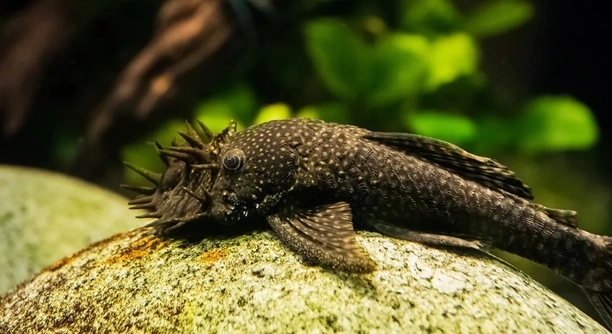
Do you ever notice your bristlenose pleco swimming around the tank and wonder about its eating habits? These small, hardy fish are often admired for their algae-cleaning skills and their constant activity in freshwater aquariums.
Bristlenose plecos do consume fish feces, but this behavior is opportunistic rather than primary. Their diet primarily consists of algae, biofilm, and plant matter, with fish waste serving as a supplementary nutrient source in a well-maintained aquarium.
Knowing how plecos interact with their environment can help you manage tank cleanliness and nutrition more effectively. Their behavior offers insight into maintaining a balanced and healthy aquatic habitat.
Why Bristlenose Plecos Eat Fish Poop
Bristlenose plecos are naturally scavengers, and their feeding habits are driven by survival instincts. In a tank, they often encounter leftover food, algae, and fish feces, which all provide valuable nutrients. Fish waste contains partially digested matter, bacteria, and proteins that plecos can utilize to supplement their diet. While algae remain their preferred source of nutrition, plecos will occasionally consume fish feces, especially if the tank lacks sufficient algae growth. This behavior helps recycle nutrients in the aquarium, supporting both the pleco and the overall ecosystem. Observing your pleco’s behavior can help you understand its needs and ensure that it receives a balanced diet, which may include vegetables or specialized algae wafers alongside its natural scavenging activities. Proper tank maintenance is essential, as excess waste can lead to poor water quality that affects all your aquatic life.
Their occasional consumption of fish feces is normal and not harmful in moderation.
Feeding habits vary between individual plecos. Some may target waste more frequently when algae are scarce, while others focus primarily on biofilm and plant matter. Providing a variety of foods ensures they get necessary nutrients without relying solely on fish waste. Vegetables like zucchini, cucumber, or spinach can supplement their diet. Observing how often plecos consume waste versus other foods helps gauge tank health. Maintaining clean water prevents overreliance on waste, ensuring plecos thrive without compromising aquarium hygiene. Understanding these patterns can help you manage feeding schedules and tank maintenance effectively, keeping your plecos healthy and active.
Tank Hygiene and Pleco Behavior
Regular cleaning influences pleco feeding patterns.
Maintaining proper tank hygiene prevents excessive waste accumulation, which can impact your pleco’s health and behavior. Fish waste left in high quantities may lead to water pollution, affecting oxygen levels and increasing harmful bacteria. While plecos may consume some of the waste, relying on it as a primary food source is not ideal. Regular water changes, substrate cleaning, and monitoring filter efficiency ensure a balanced environment. This reduces the need for plecos to eat excessive waste, encouraging them to stick to their natural diet of algae, vegetables, and biofilm. Proper hygiene also keeps the aquarium visually appealing, prevents unpleasant odors, and supports the health of all tank inhabitants.
A clean and well-maintained tank encourages plecos to focus on algae and plant matter rather than relying on fish feces. Providing consistent care and observing their feeding behavior ensures they remain healthy, active, and engaged in natural behaviors. By managing waste, you create a sustainable environment that supports growth, reduces stress, and promotes overall tank stability. Feeding supplemental foods while maintaining hygiene allows plecos to receive complete nutrition while minimizing water contamination. This approach ensures your aquatic setup remains balanced and visually pleasant, keeping all fish in optimal condition and supporting long-term health.
Nutritional Value of Fish Feces
Fish feces contain proteins, fats, and partially digested plant matter that plecos can utilize. While not their main food source, these nutrients offer a small supplement, especially in tanks with limited algae or vegetables.
The nutrients in fish waste provide energy and trace elements that support pleco health. Bacteria present in feces help break down organic material, making it easier for plecos to digest. In a balanced aquarium, occasional consumption of waste is harmless and can contribute to their nutrient intake. However, it should not replace a proper diet of algae, vegetables, and prepared pleco foods. Providing a variety of foods ensures all dietary needs are met while maintaining healthy water quality. Monitoring pleco behavior can indicate if they are supplementing their diet with waste due to insufficient nutrition elsewhere in the tank.
Relying heavily on fish feces can lead to water quality issues. Excess waste increases ammonia and nitrate levels, which are harmful to both plecos and other fish. Consistent cleaning, water testing, and providing balanced nutrition minimize the need for plecos to overconsume waste. Adding algae wafers and fresh vegetables ensures they receive proper nutrients. Observing feeding patterns helps identify when plecos are supplementing with waste, allowing adjustments to diet and tank care. Maintaining this balance keeps plecos active, healthy, and reduces the risk of stress-related illness caused by poor water conditions.
Managing Pleco Diet in a Community Tank
Offering a mix of algae, vegetables, and specialized pleco foods prevents overconsumption of fish feces.
Providing a varied diet ensures plecos meet their nutritional needs without relying solely on waste. Vegetables like zucchini, cucumber, and spinach supply fiber and vitamins. Algae wafers supplement natural grazing, and occasional protein sources support growth. Observing feeding patterns helps determine if the tank has enough algae or if supplements are needed. Proper portioning reduces leftover food and waste accumulation. Adjusting feeding frequency prevents overfeeding, which can negatively impact water quality. Ensuring a balanced diet allows plecos to thrive alongside other fish, maintaining harmony in a community tank.
Signs Your Pleco Is Eating Too Much Waste
Excessive consumption of fish feces can indicate insufficient nutrition or a lack of algae in the tank. Plecos may spend more time scavenging than grazing on preferred foods.
Watching behavior is key. If plecos focus mostly on waste and ignore vegetables or algae wafers, adjustments are needed.
Balancing Natural Behavior with Proper Nutrition
Plecos naturally scavenge, but providing ample algae and vegetables ensures they do not overconsume waste. Supplementing with algae wafers adds essential nutrients. Observing their behavior helps maintain balance, ensuring the pleco gets enough nutrition without harming water quality. Maintaining this balance supports healthy growth and activity levels in the aquarium.
Avoiding Water Quality Issues
Overreliance on fish feces can harm water quality and overall tank health.
FAQ
Do bristlenose plecos eat all types of fish poop?
Bristlenose plecos are not selective but tend to consume softer, partially digested waste that is easier to process. Fish feces from carnivorous species may be less appealing due to lower plant content, while omnivorous or herbivorous fish produce feces that contain more digestible material for plecos. They primarily rely on algae and plant matter, so feces act only as a supplement.
Is it harmful for plecos to eat fish feces?
Occasional consumption of fish waste is generally harmless. The main concern arises if plecos rely on it as a primary food source. Excessive intake can lead to poor water quality, including increased ammonia and nitrate levels, which can stress all tank inhabitants. Keeping a balanced diet and regular cleaning prevents issues.
How can I tell if my pleco is eating too much fish poop?
Signs include ignoring vegetables or algae wafers, spending most of its time scavenging, and a sudden increase in waste-related activity. Healthy plecos usually graze on algae surfaces and eat supplemental foods rather than focusing entirely on waste. Observing their feeding patterns helps determine if adjustments are needed.
What foods should I provide to reduce waste consumption?
Vegetables like zucchini, cucumber, spinach, and lettuce are excellent options. Algae wafers provide essential nutrients and can substitute natural grazing if algae are limited. Occasionally offering protein sources, such as sinking pellets or blanched shrimp, helps balance the diet. The goal is to keep the pleco occupied with proper foods so waste is supplementary.
Can eating fish feces affect pleco health?
Moderate consumption does not harm plecos. Problems arise only if it becomes the main food source, leading to nutrient imbalances. A diverse diet ensures plecos get necessary vitamins, minerals, and fiber, supporting growth and activity. Regular observation and diet adjustments reduce the risk of health issues.
Does tank size affect how much feces plecos eat?
Yes. In smaller tanks, waste accumulates faster, making it more accessible for plecos. In larger tanks, feces disperse, and plecos are less likely to rely on them. Maintaining proper filtration, cleaning, and feeding practices reduces the likelihood of overconsumption in any tank size.
How often should I clean the tank to manage waste consumption?
Frequent partial water changes, typically 20–30% weekly, and vacuuming substrate prevent excessive waste buildup. Cleaning keeps ammonia and nitrate levels low, encouraging plecos to focus on algae and vegetables rather than scavenging too much waste. A well-maintained tank promotes healthy feeding habits and supports all aquatic life.
Do plecos prefer waste over algae if given a choice?
Usually, no. Bristlenose plecos prefer algae and biofilm. Waste is opportunistic, eaten when algae are insufficient or during natural scavenging behavior. Providing ample natural and supplemental foods ensures plecos do not overconsume fish feces, maintaining proper nutrition and tank hygiene.
Can eating fish feces help plecos in any way?
Yes. Fish waste contains partially digested plant material, proteins, and bacteria that contribute small nutrients. In moderation, it can supplement a pleco’s diet and support its scavenging instincts. The benefit is minimal if the pleco already has a balanced diet with algae, vegetables, and other foods.
What is the best way to balance pleco feeding and tank cleanliness?
Offer a mix of vegetables, algae wafers, and occasional protein sources while maintaining a consistent cleaning schedule. Monitor pleco behavior to ensure waste is not relied upon excessively. Regular water testing and substrate maintenance create a stable environment, supporting healthy growth and natural feeding habits.
This FAQ provides guidance on managing pleco diets, behavior, and tank care to maintain healthy, active fish without compromising water quality.
Bristlenose plecos are fascinating little fish that bring life and activity to a freshwater aquarium. Their natural behavior includes grazing on algae, biofilm, and occasional plant matter, which helps maintain a cleaner tank environment. While they may sometimes consume fish feces, this is not their primary source of nutrition. It is simply an opportunistic behavior that supplements their diet when algae or vegetables are less available. Understanding this behavior allows aquarists to provide a more balanced feeding routine that supports the pleco’s health while maintaining overall water quality. Observing your pleco closely over time can reveal patterns in feeding behavior, helping you adjust diet and tank maintenance appropriately. Proper care ensures plecos remain active, healthy, and able to thrive in a community tank without relying excessively on waste.
Providing a varied diet is key to keeping bristlenose plecos healthy and reducing their reliance on fish feces. Vegetables like zucchini, cucumber, and spinach supply essential nutrients, while algae wafers can serve as a supplemental food source when natural algae growth is limited. Occasional protein sources, such as sinking pellets or blanched shrimp, support growth and general health. By offering a mix of foods, plecos receive the vitamins, minerals, and fiber they need to thrive. Regular monitoring of their eating habits allows you to see if they are relying too much on waste and make necessary adjustments. Maintaining a clean tank through water changes, substrate vacuuming, and filtration ensures that nutrient levels remain stable, promoting healthy feeding patterns and reducing the risk of water pollution. Proper nutrition combined with consistent maintenance supports the well-being of all fish in the aquarium, not just the pleco.
Understanding pleco behavior in the context of the aquarium ecosystem helps create a healthier environment for all tank inhabitants. While eating fish feces may seem unappealing, it is a normal part of a pleco’s opportunistic feeding habits and plays a minor role in their overall nutrition. By focusing on diet diversity, tank cleanliness, and regular observation, you can minimize waste consumption while supporting the pleco’s natural behaviors. This approach keeps water quality high, encourages active grazing on algae, and prevents potential health issues caused by overreliance on waste. Ultimately, caring for bristlenose plecos involves balancing natural instincts with proper nutrition and maintenance. By providing the right foods and maintaining a clean tank, you create an environment in which plecos can thrive, stay healthy, and contribute positively to the aquarium’s ecosystem. Paying attention to both behavior and environment ensures long-term success in keeping these small, hardy fish happy and active.

Hello,
If you enjoy the content that we create, please consider saying a "Thank You!" by leaving a tip.
Every little bit helps us continue crafting quality advice that supports the health, happiness, and well-being of pets around the world, for pets of all shapes, sizes, and species.
We really appreciate the kindness and support that you show us!