
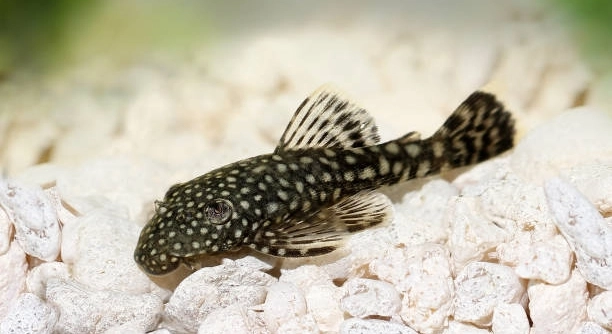
Do you ever notice your pleco disappearing into a corner right after you clean its tank? These fish can be shy and cautious, especially when their environment changes, and sudden activity can make them retreat.
The primary reason plecos hide after tank cleaning is stress caused by sudden changes in their environment. Altered water conditions, new scents, and movement can trigger instinctive hiding behavior as a protective response to perceived threats.
Understanding these natural instincts will help you create a calmer environment for your pleco and encourage it to feel more secure and active.
Common Causes of Hiding After Tank Cleaning
Plecos are very sensitive to changes in their environment. Even minor adjustments, like moving decorations or shifting plants, can make them feel exposed. Sudden water changes also affect their comfort because plecos rely on consistency in temperature, pH, and chemical levels. Bright lights during cleaning can further stress them. Some plecos may hide behind rocks or inside caves as a natural reaction to what they perceive as danger. Over time, repeated disturbances can make them more cautious and less likely to explore the tank freely. Their hiding is not a sign of illness in most cases but rather a defensive behavior. Observing their usual patterns before and after cleaning can help you understand their comfort zones. By keeping decorations in the same place and performing water changes gradually, you can reduce the frequency of hiding. Patience and gentle adjustments are key for their sense of security.
Plecos often choose hiding spots that feel secure and shaded. Avoid removing all cover during maintenance.
Consistent habits in tank maintenance can make a significant difference. Plecos thrive when they know what to expect. Using dim lighting during water changes, keeping decorations in familiar positions, and performing smaller, regular water changes instead of large ones all help maintain stability. Watching how your pleco behaves and adjusting routines accordingly can reduce stress. A calm pleco is more likely to explore and feed normally, which is important for their overall health. By understanding their natural instincts and adapting your cleaning habits, you can create an environment where your pleco feels safe and confident. These small changes may seem minor, but they have a lasting impact on your pleco’s comfort and willingness to interact with its surroundings.
Tips for Helping Your Pleco Adjust
Gradually introducing changes helps plecos feel secure and reduces sudden stress reactions.
Provide hiding spots like caves or plants and keep water conditions stable. Perform partial water changes regularly and avoid moving tank ornaments too often. Observing their behavior lets you identify safe zones and preferred areas, helping maintain a consistent environment. Using dim lighting during maintenance and gentle movements around the tank can make your pleco feel less threatened. Avoid sudden temperature changes and keep feeding times consistent to support their routine. Offering a calm, predictable environment encourages your pleco to come out more often, reducing long-term stress and promoting natural behavior. By understanding how plecos respond to their surroundings, you can make adjustments that improve their comfort and overall well-being in the tank.
Adjusting Tank Conditions Gradually
Plecos are sensitive to sudden changes in water quality. Slowly adjusting temperature, pH, and other parameters during maintenance helps them feel secure. Abrupt changes can trigger hiding and stress, so keeping transitions gradual encourages normal behavior.
Monitoring water parameters before and after cleaning ensures stability. Using a thermometer and testing kits helps track temperature, pH, ammonia, nitrites, and nitrates. Adding new water slowly rather than all at once prevents shocking the fish. Avoid harsh chemical treatments immediately after cleaning, as plecos react strongly to unfamiliar substances. Gradual adjustments give them time to acclimate, reducing stress and hiding behavior, and promoting overall health.
Providing gentle water flow is also important. Plecos prefer moderate currents and hiding spots near gentle movement. Too strong or turbulent water can make them retreat more often. Arrange decorations to create calm zones where they can rest. Observing your pleco’s behavior helps identify optimal placement for plants, caves, and rocks, ensuring they feel safe and reducing hiding tendencies.
Feeding and Interaction Tips
Offering food at consistent times helps plecos feel secure. Sudden changes in feeding patterns can increase stress and hiding.
Plecos are primarily nocturnal, so feeding in the evening aligns with their natural habits. Offer sinking wafers, vegetables, or algae wafers in a specific location to encourage them to explore the tank during feeding. Avoid overfeeding, as leftover food can degrade water quality, which also stresses plecos. Gentle observation during feeding helps you notice preferences and activity levels. By maintaining consistent feeding schedules and minimizing sudden disturbances, plecos are more likely to stay active and visible.
Encouraging interaction without forcing it supports trust and confidence. Avoid tapping on the glass or making sudden movements near the tank. Instead, observe quietly and offer food from the same area each time. This creates predictability and reduces stress responses, making plecos more comfortable over time. Consistent, calm interactions combined with gradual environmental adjustments help plecos feel secure, reducing their instinct to hide after maintenance. Over time, you’ll notice them exploring more, resting in open areas, and displaying natural behaviors that reflect improved comfort.
Creating Comfortable Hiding Spots
Plecos need safe spaces to feel secure. Providing caves, driftwood, or dense plants helps them reduce stress. Proper hiding spots encourage natural behavior and make them more confident after tank cleaning.
Avoid removing all decorations during maintenance. Keep some familiar items in place so your pleco has immediate refuge and feels less exposed.
Lighting Considerations
Bright lights can make plecos retreat. Using dim or indirect lighting during and after cleaning helps them feel safer. Gradual light changes prevent startling them and reduce hiding behavior. Maintaining a regular day-night cycle supports their natural rhythms and encourages normal activity in the tank.
Observing Behavioral Patterns
Noticing how your pleco reacts to tank changes helps you understand its comfort zones. Monitoring movement, feeding, and hiding frequency gives insight into stress levels and environmental preferences, allowing you to adjust maintenance routines effectively. Regular observation promotes a calmer and healthier pleco.
Using Water Additives Carefully
Some water treatments can stress plecos if used improperly. Always follow dosage instructions and avoid sudden chemical changes. Gradual introduction ensures safety and keeps your pleco comfortable.
FAQ
Why does my pleco always hide after I clean the tank?
Plecos are naturally cautious fish. Sudden changes in water, new scents, or movement in the tank can make them feel threatened. Hiding is a protective instinct. Even minor rearrangements of decorations or plants can trigger this response. Gradual adjustments during cleaning help reduce stress and encourage them to explore.
How long will my pleco stay hidden after cleaning?
The time varies depending on the individual pleco and the level of change in the tank. Some may return within a few hours, while others may take a day or two. Maintaining stable water conditions, leaving familiar hiding spots in place, and keeping lighting calm can help them reappear faster.
Should I remove my pleco from the tank while cleaning?
It is generally better to leave your pleco in the tank. Removing it can increase stress. If necessary, transfer it to a separate container with water from the tank, keeping temperature and water parameters stable. Minimize handling and return it gently after cleaning.
Can water temperature changes cause hiding?
Yes. Plecos are sensitive to sudden changes in temperature. Even a few degrees difference can stress them and cause them to hide. Gradually adjust water temperature during maintenance, using a thermometer to monitor changes. This consistency helps them feel secure.
Do plecos prefer certain types of hiding spots?
Plecos enjoy caves, driftwood, and dense plant areas. These spots provide security and mimic natural habitats. Avoid removing all decorations during cleaning, as they rely on these familiar spaces to feel safe. Observing which areas your pleco prefers helps you maintain comfort.
Does feeding affect their hiding behavior?
Yes, feeding patterns influence activity. Plecos are mostly nocturnal and prefer consistent feeding times. Offering food in a predictable spot encourages them to leave hiding areas. Avoid overfeeding, as leftover food can impact water quality and stress them further.
Are there signs my pleco is stressed beyond hiding?
Stress can show through rapid breathing, loss of appetite, or rubbing against surfaces. Persistent hiding with these signs may indicate poor water conditions, illness, or inadequate hiding spaces. Monitoring behavior and water quality helps prevent long-term issues.
Will bright lights make my pleco hide more?
Yes, strong or sudden lighting changes can cause them to retreat. Using dim lights during maintenance or introducing light gradually helps them stay calmer. Maintaining a regular day-night cycle also supports natural behavior.
Can rearranging decorations during cleaning cause stress?
Absolutely. Plecos memorize their environment. Shifting decorations or plants removes familiar reference points, causing uncertainty and hiding. Keeping some consistent areas and gradually moving items helps them adjust without stress.
How do I encourage my pleco to come out after hiding?
Be patient and minimize disturbances. Offer food in familiar spots and maintain stable water conditions. Gradually reducing bright lights and providing gentle water flow creates a safe environment, encouraging your pleco to explore and return to normal activity.
Is hiding after cleaning a sign of illness?
Usually, no. Hiding is a natural response to stress. However, if it is accompanied by unusual behavior like lethargy, loss of appetite, or visible damage, it could indicate health issues. Regular observation and water testing are key to ensuring well-being.
What water parameters should I monitor to prevent stress?
Temperature, pH, ammonia, nitrite, and nitrate levels are critical. Sudden changes in any of these can trigger hiding. Using test kits and maintaining stable conditions during and after cleaning keeps your pleco comfortable and reduces stress.
How often should I clean the tank to avoid excessive hiding?
Frequent, smaller cleanings are better than occasional major cleanings. Partial water changes and gentle maintenance maintain water quality while minimizing sudden changes. This routine helps your pleco feel secure and reduces prolonged hiding.
Can I use decorations to reduce hiding?
Yes. Adding caves, driftwood, and plants creates familiar hiding zones. Plecos feel safer when these spots are consistently available, especially after cleaning. Avoid removing all cover, and try to leave some areas untouched for stability.
Does water flow affect their behavior?
Yes, plecos prefer moderate flow. Strong currents can make them feel exposed and retreat to hiding. Gentle water movement near hiding spots provides comfort and encourages normal activity without causing stress.
Will interacting with my pleco help it come out?
Indirect interaction, like offering food in the same location, helps build trust. Avoid tapping the glass or sudden movements. Calm, consistent observation lets your pleco adjust without fear, promoting confidence and more visible activity.
How long should I wait to see them active again?
Depending on the individual and tank changes, activity may resume in a few hours to a couple of days. Maintaining stable water, calm lighting, and consistent routines speeds up their return to normal behavior. Patience is essential.
Can multiple plecos in one tank affect hiding?
Yes, social dynamics matter. Some plecos may hide more if another dominates preferred spots. Providing multiple hiding areas and observing interactions reduces competition and ensures all fish feel secure.
Are there signs that a pleco is comfortable after cleaning?
Exploring open areas, feeding normally, and using hiding spots only briefly are good signs. Calm swimming, interaction with decorations, and consistent behavior indicate your pleco has adjusted well and feels secure.
Does the type of substrate matter?
Plecos prefer soft or smooth substrates. Rough or sharp gravel can stress them, causing more hiding. Keeping substrate consistent and safe enhances comfort and encourages natural behavior after cleaning.
What is the best time of day to clean the tank?
Cleaning in the morning or early afternoon allows plecos time to adjust before their active period. Avoid cleaning during peak activity at night, as this can disrupt feeding and cause prolonged hiding.
Can seasonal changes affect hiding behavior?
Yes, temperature or daylight shifts may impact activity. Gradually adjusting lighting and monitoring water temperature during seasonal changes helps prevent extra stress and excessive hiding.
Do plecos respond differently to freshwater vs. brackish tanks?
Plecos are freshwater fish. Altering water chemistry toward brackish conditions can stress them and increase hiding. Maintaining proper freshwater parameters ensures comfort and reduces defensive behaviors.
How important is tank size for hiding behavior?
Larger tanks provide more hiding options and reduce stress from territorial disputes. Crowded tanks increase competition for secure spots, making plecos more prone to hiding after changes. Adequate space supports natural activity and comfort.
Can adding new fish trigger hiding?
Yes, new tankmates can cause stress and hiding. Introducing them gradually and providing multiple hiding spots helps plecos feel safe while adjusting to new companions.
Are there behavioral signs that a pleco enjoys its hiding spots?
Returning to the same cave, resting near driftwood, or exploring around plants without stress indicates comfort. Familiar spots create security, allowing plecos to maintain natural behavior even after disturbances.
Does water hardness affect hiding behavior?
Plecos prefer moderate hardness. Sudden shifts in hardness can stress them, causing retreat. Regular testing and slow adjustments maintain comfort and reduce hiding tendencies.
How do I balance cleaning with pleco comfort?
Use partial water changes, keep some decorations intact, and avoid sudden movements. Gradual cleaning routines combined with stable water conditions help plecos remain active and reduce prolonged hiding.
Can stress from hiding affect their health long-term?
Chronic stress can weaken immune systems, reduce appetite, and make plecos more susceptible to illness. Minimizing sudden environmental changes and providing secure hiding spots supports overall health and longevity.
How can I tell if hiding is temporary or problematic?
Temporary hiding after cleaning is normal. Persistent hiding combined with poor appetite, unusual swimming, or color changes may indicate stress or illness. Monitoring behavior and water parameters helps determine if intervention is needed.
What are the best foods to encourage activity after hiding?
Vegetables, algae wafers, and sinking pellets encourage exploration. Offering food in familiar spots helps draw plecos out while maintaining a calm and predictable routine. Consistent feeding encourages activity and reduces prolonged hiding.
Is it normal for plecos to be more active at night?
Yes, plecos are mostly nocturnal. They may hide during the day even in stable conditions. Feeding and observing them during evening hours aligns with their natural behavior and reduces stress from daytime activity.
Can vibrations or noise affect hiding?
Yes, sudden vibrations, tapping, or loud sounds can cause plecos to retreat. Minimizing disturbances near the tank and handling maintenance gently helps them feel secure and reduces hiding.
Do plecos need multiple hiding spots?
Multiple options prevent competition and provide security. Each pleco should have access to at least one cave or plant cover. This reduces stress and ensures they feel safe after cleaning or environmental changes.
How do I know if water additives are safe for plecos?
Only use additives labeled for freshwater fish and follow dosage instructions carefully. Sudden or excessive chemical changes can stress plecos. Gradual introduction ensures safety and comfort.
Can tank size or layout changes trigger hiding?
Yes, rearranging the tank can confuse plecos. Keeping familiar zones intact while introducing gradual changes helps them adjust without stress.
What should I do if my pleco refuses to come out after days?
Check water parameters, hiding spots, and feeding routines. Ensure stable conditions and minimal disturbances. Persistent hiding may indicate stress or illness, so monitor carefully and adjust the environment as needed.
Are there differences in hiding behavior between pleco species?
Yes, some species are more secretive or territorial than others. Understanding your specific pleco species helps provide appropriate hiding spots, lighting, and water conditions. Tailoring care reduces stress and promotes natural behavior.
How important is tank cover during cleaning?
Leaving partial cover helps plecos feel safe. Removing all decorations at once can cause excessive stress and prolonged hiding. Gradual cleaning with familiar zones intact supports comfort and confidence.
Can substrate changes during cleaning cause hiding?
Yes, plecos are sensitive to changes underfoot. Smooth transitions and leaving some familiar substrate in place help maintain a sense of security. Sudden alterations may increase hiding behavior.
How do I reduce stress during partial water changes?
Replace small amounts gradually, match temperature and pH, and avoid strong currents. Gentle, consistent changes maintain water quality without startling plecos, reducing hiding tendencies.
What role does water filtration play in pleco comfort?
Stable filtration ensures water quality, which directly affects stress levels. Strong currents near hiding areas can make them retreat, while moderate flow promotes comfort and exploration. Proper maintenance keeps plecos healthy and reduces hiding behavior.
Are there long-term strategies to reduce hiding after cleaning?
Yes, consistent routines, multiple hiding spots, stable water parameters, calm lighting, gentle feeding, and patient observation create a secure environment. Over time, plecos learn to trust their surroundings and spend less time hiding.
Do plecos ever hide for fun or exploration?
Sometimes, plecos use hiding spots to rest or feel secure, not just from stress. Providing varied areas allows them to explore naturally while maintaining a safe space, which supports overall well-being.
How does water chemistry affect hiding behavior?
Sudden changes in pH, hardness, or ammonia levels can stress plecos. Gradual adjustments and regular testing maintain comfort and encourage them to resume normal activity after cleaning.
Can tankmates reduce or increase hiding?
Peaceful companions may encourage exploration, while aggressive or dominant fish increase hiding. Multiple hiding spots and careful observation help balance social dynamics and reduce stress.
How can I tell if hiding is due to stress or natural behavior?
Short-term hiding after cleaning is normal. Persistent retreat, loss of appetite, or unusual swimming may indicate stress. Monitoring water quality and behavior helps distinguish between natural instincts and environmental issues.
Are there tricks to make plecos feel safe quickly?
Maintain stable water, consistent feeding, familiar hiding spots, and calm lighting. Gentle observation and minimal disturbance help them regain confidence and return to normal activity more quickly.
Is hiding after cleaning more common in young or older plecos?
Younger plecos may explore more quickly, while older or more cautious plecos hide longer. Individual personality also plays a role, so patience is important regardless of age.
Does seasonal lighting affect hiding behavior?
Yes, sudden changes in daylight or artificial lighting can trigger hiding. Gradual adjustments and maintaining a consistent light cycle reduce stress and support natural rhythms.
Can introducing plants reduce hiding?
Yes, plants provide natural cover and security. Dense or tall plants mimic their environment and encourage exploration, helping plecos feel comfortable after cleaning.
Is it normal for plecos to return to the same hiding spots repeatedly?
Yes, familiarity provides comfort. Plecos often choose preferred areas where they feel safe, especially after disturbances like cleaning. Maintaining these spots consistently helps reduce stress and hiding.
How do I encourage multiple plecos to share hiding spots?
Provide enough caves and cover for each fish. Avoid overcrowding and observe interactions. Multiple safe zones reduce competition and stress, allowing plecos to feel secure after cleaning.
Do plecos react differently to filtered versus unfiltered water?
Yes, stable, filtered water reduces stress. Poor filtration or sudden water changes can increase hiding behavior. Consistent water quality supports natural activity and comfort.
How can I minimize hiding during tank maintenance?
Keep partial cover, maintain stable water parameters, use dim lighting, move decorations gradually, and feed consistently. Gentle, predictable maintenance reduces stress and encourages your pleco to remain visible and active.
Can hiding behavior indicate long-term stress?
Persistent hiding, poor appetite, or lethargy may signal chronic stress. Monitoring water quality, providing adequate cover, and maintaining consistent routines help prevent long-term issues and support overall health.
Does tank noise impact hiding?
Loud vibrations or tapping can stress plecos. Minimizing noise near the tank and performing maintenance calmly helps them feel secure and reduces hiding tendencies.
Are plecos more likely to hide in smaller tanks?
Yes, limited space reduces available hiding spots and increases stress. Providing adequate cover and space helps plecos feel safe and reduces retreating behavior after cleaning.
Can frequent water testing affect plecos?
Observing water parameters does not disturb them, but constant handling of the tank may cause stress. Testing should be done carefully and calmly to minimize hiding triggers.
How can I use feeding to reduce hiding?
Offer food in familiar areas at regular times. Predictable feeding encourages exploration, reduces stress, and helps plecos come out of hiding after tank changes.
Do plecos ever hide when healthy?
Yes, hiding is a normal behavior, especially for nocturnal fish. Providing secure areas allows them to rest and feel safe, even when everything is fine.
How do I balance cleaning and pleco comfort long-term?
Gradual maintenance, stable water, partial changes, familiar hiding spots, gentle lighting, and consistent feeding routines create a comfortable environment, minimizing hiding and supporting healthy behavior over time.
Can plecos learn to hide less over time?
Yes, with consistent care, gentle maintenance, and stable conditions, plecos become more confident. They may spend more time exploring and less time hiding after cleaning, reflecting increased comfort in their environment.
Final Thoughts
Plecos are naturally cautious fish, and their hiding behavior after tank cleaning is mostly a normal response to changes in their environment. Even small adjustments, like moving a decoration or changing water parameters, can make them feel exposed. Understanding this instinct helps you respond appropriately without worrying unnecessarily. Providing familiar hiding spots like caves, driftwood, and plants allows plecos to feel safe while still giving them space to explore when they are ready. Stability in their surroundings is key. Gradual adjustments in water temperature, pH, and lighting minimize stress and help your pleco return to normal behavior more quickly. Observing your pleco’s patterns over time allows you to identify its preferred areas and comfort zones. Even minor observations, such as noting which cave it retreats to first or where it rests after cleaning, can guide you in maintaining a tank setup that reduces stress. Patience and consistent care go a long way in helping plecos feel secure.
Feeding routines also play an important role in your pleco’s comfort. Plecos are mostly nocturnal, so aligning feeding times with their natural activity patterns encourages them to leave hiding spots and explore the tank. Offering food in familiar areas consistently can draw them out and make them feel safe while feeding. Overfeeding should be avoided, as leftover food can impact water quality and cause additional stress. Observing their appetite and activity levels gives insight into their health and comfort. Combining consistent feeding with gentle, calm movements around the tank during maintenance ensures they do not feel threatened. Over time, predictable routines help your pleco associate tank activities with safety, rather than danger. A calm approach, along with careful attention to water parameters, feeding, and hiding spots, creates a positive environment where your pleco is more likely to thrive and show natural behaviors.
Water quality and tank setup are just as important as routine care. Plecos are highly sensitive to sudden changes in water parameters, strong currents, or bright lights, which can trigger hiding. Gradually adjusting conditions, leaving partial cover in place, and monitoring filtration and flow all contribute to a more comfortable environment. Multiple hiding options reduce competition and allow plecos to feel secure at all times. Regular observation of behavior, such as activity levels, hiding frequency, and interactions with decorations, can highlight stressors early and prevent long-term issues. Over time, a stable and thoughtfully arranged tank helps your pleco feel confident and less prone to retreating after maintenance. By combining gentle care, consistent routines, and an understanding of your pleco’s instincts, you can ensure it remains healthy, comfortable, and active in its environment. A little patience and attention to detail can transform your pleco’s hiding from a worry into a natural, well-understood behavior.

Hello,
If you enjoy the content that we create, please consider saying a "Thank You!" by leaving a tip.
Every little bit helps us continue crafting quality advice that supports the health, happiness, and well-being of pets around the world, for pets of all shapes, sizes, and species.
We really appreciate the kindness and support that you show us!