
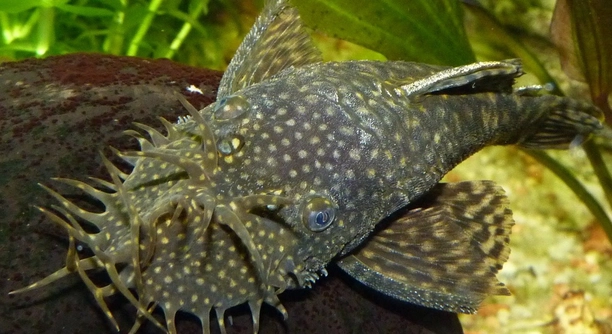
Have you ever watched your Bristlenose Pleco glide across the tank, seemingly confident in every turn it makes? These small, armored fish often appear to know exactly where they are going without hesitation.
Bristlenose Plecos rely on their sense of smell to navigate their environment. Their olfactory system helps them detect food, avoid obstacles, and recognize familiar areas, allowing them to move efficiently even in low-light conditions.
Understanding how these fish use smell for navigation can reveal important insights into their natural behavior and how to better care for them in captivity.
How Bristlenose Plecos Use Smell
Bristlenose Plecos have a strong sense of smell that guides most of their daily activity. In dimly lit or murky water, they cannot rely heavily on sight, so their olfactory senses become crucial. They detect food sources, sense danger, and recognize familiar territories through chemical signals in the water. Their barbels, the whisker-like structures around their mouth, are packed with sensory cells that pick up these chemical cues. When swimming near a rock or driftwood, a pleco often pauses to investigate scents, helping it remember safe hiding spots or productive feeding areas. This behavior makes them efficient foragers and helps them avoid collisions or stressful encounters in the tank. By observing how they move and investigate, it’s clear that their sense of smell compensates for low visibility and keeps them oriented. Tank owners may notice these fish following certain paths repeatedly, which is guided by scent rather than vision.
Their keen sense of smell also allows them to detect changes in water quality, alerting them to possible hazards.
Smell drives most of a pleco’s behavior, from feeding to avoiding threats. Their reliance on chemical cues shapes how they interact with the tank and other fish. Observing these patterns provides insight into their natural instincts and helps owners create environments that suit their needs, such as including hiding spots and consistent feeding areas.
Training and Environment
Creating a predictable environment can help plecos navigate more easily.
Bristlenose Plecos respond well to consistent tank layouts and familiar scents. By placing food in regular locations and maintaining stable decorations, owners can reduce stress and improve their fish’s confidence. Introducing new objects slowly allows plecos to investigate without feeling threatened. Regular water changes keep chemical signals clear, so the pleco’s sense of smell works effectively. Additionally, natural hiding spots like caves or driftwood provide safe spaces, reinforcing navigational memory. Understanding how plecos rely on smell helps owners anticipate behavior, manage feeding, and maintain a healthy tank environment that supports both comfort and activity.
Scent Trails and Feeding
Bristlenose Plecos often follow scent trails left by food or other fish. This behavior helps them locate meals efficiently, even in areas of the tank they have not explored before. Their keen olfactory senses make these trails a reliable guide for daily activity.
Following these scent trails, plecos can quickly find food hidden under rocks or plants. They move carefully, pausing to inspect chemical cues with their barbels. This method ensures they do not waste energy swimming randomly. It also allows them to compete successfully with other bottom-dwellers, as they often reach food before others notice it. Consistent feeding routines reinforce these trails, making navigation smoother over time. Observing them, it becomes clear that smell shapes much of their feeding strategy, not just random searching or memory of locations.
Scent trails also help plecos identify areas they prefer for resting or hiding. These chemical markers make it easier for them to remember safe spots, enhancing comfort and security.
Smell and Social Interaction
Plecos use smell to recognize tank mates and maintain social boundaries. Their olfactory sense allows them to detect chemical signals indicating aggression, stress, or reproductive readiness.
In social settings, chemical cues guide interactions. Plecos can sense when another fish is stressed or encroaching on territory, reducing unnecessary conflicts. During breeding, females release pheromones that attract males to specific caves or hiding spots, showing the importance of smell in reproduction. Consistent chemical environments help plecos establish hierarchies without constant physical confrontation. Scent also influences schooling or grouping behavior, ensuring compatibility among multiple bottom-dwellers. Tank owners may notice subtle changes in swimming patterns or hiding preferences linked to these chemical cues, highlighting how smell affects daily life and social balance in a confined environment.
Chemical Memory
Bristlenose Plecos remember scents from previous experiences. These chemical memories help them avoid danger and locate favorite feeding areas with minimal effort. Familiar smells guide them through the tank confidently, even in dim lighting.
Chemical memory also plays a role in recognizing familiar tank mates. Plecos can distinguish between known and new fish, reducing stress and unnecessary aggression.
Navigation in Murky Water
When water becomes cloudy, plecos rely almost entirely on smell. Their barbels detect chemical signals, guiding them past obstacles and toward food or hiding spots. Vision becomes secondary, and movement slows as they process olfactory information. This adaptation ensures survival in less clear environments.
Enhancing Scent-Based Navigation
Maintaining consistent water conditions improves scent tracking. Regular cleaning and stable decoration placement allow plecos to navigate efficiently using familiar chemical cues.
FAQ
How do Bristlenose Plecos find food in the tank?
Bristlenose Plecos rely mostly on their sense of smell. Their barbels detect chemical cues from food, guiding them even under rocks or plants. They often follow scent trails left by previous feedings, which allows them to locate meals quickly without expending unnecessary energy.
Can they navigate without light?
Yes, Bristlenose Plecos can navigate in low-light or completely dark conditions. Their sense of smell is highly developed, allowing them to detect chemical markers in the water. This ability compensates for poor visibility, helping them avoid obstacles and find hiding spots or food sources effectively.
Do they recognize other fish by smell?
They do. Plecos use olfactory cues to recognize tank mates, distinguish strangers, and detect stress or aggression in others. Chemical signals help them maintain social boundaries and reduce conflict. This also assists in identifying compatible breeding partners or safe areas within the tank.
How does water quality affect their sense of smell?
Water quality is crucial. Dirty or heavily treated water can mask or distort chemical cues, making it harder for plecos to navigate. Regular water changes and maintaining stable tank conditions ensure their sense of smell works efficiently and reduces stress.
Do plecos use smell to find hiding spots?
Absolutely. They remember scents from safe hiding areas such as caves, driftwood, or dense plants. Chemical markers from previous visits help them navigate confidently, even in unfamiliar sections of the tank. This provides security and reduces unnecessary wandering or stress.
Can plecos detect predators using smell?
Yes, they can sense danger through chemical signals. Stress hormones or waste products from other fish can alert them to potential threats. This ability allows them to hide or move cautiously, demonstrating that smell plays a role not just in feeding, but in survival.
Does the arrangement of the tank affect navigation?
Definitely. Plecos benefit from consistent decoration placement. Rocks, driftwood, and plants create familiar chemical trails. Sudden changes in layout can confuse them temporarily, as they rely on both scent and memory to move efficiently. Keeping the environment stable supports comfort and reduces stress.
How do plecos behave when new objects are introduced?
When new objects are added, plecos investigate cautiously, using their barbels to sample scents. They move slowly and pause often, comparing new chemical cues with familiar ones. Over time, they incorporate these objects into their mental map, creating new scent-based navigation routes.
Can scent-based navigation affect feeding habits?
Yes. Plecos often return to areas where they have previously found food, guided by scent trails. Regular feeding in consistent locations strengthens these habits, making them predictable and confident foragers. This also helps tank owners manage feeding schedules effectively.
Do all plecos rely equally on smell?
While Bristlenose Plecos are particularly reliant on olfaction, other species may use a combination of sight, touch, and smell. Bristlenose show strong chemical detection abilities, making smell the primary sense for navigation, feeding, and social interaction.
How can I help my pleco navigate better?
Maintaining a stable environment with predictable food locations, safe hiding spots, and clean water enhances their natural olfactory navigation. Avoid frequent rearrangement and provide multiple scent cues through decorations and feeding areas, so the pleco can confidently move throughout the tank.
Do plecos use smell during breeding?
Yes. During reproduction, females release pheromones that signal readiness to males. These chemical cues guide males to specific caves or hiding spots. Smell ensures successful mating and helps plecos find optimal nesting areas without relying solely on visual cues.
What happens if their sense of smell is impaired?
If a pleco’s olfactory ability is disrupted, they may have difficulty finding food, hiding, or recognizing tank mates. Stress levels can rise, and social interactions may become more aggressive or erratic. Maintaining clean water and avoiding harsh chemicals preserves their sense of smell.
Can smell help plecos adapt to new tanks?
Yes. In new environments, plecos explore carefully, using chemical signals to map the space. Gradual introduction of familiar scents, such as from previous tank decorations or substrate, can reduce stress and help them navigate confidently. This process ensures smoother adaptation.
Do plecos leave scent trails intentionally?
While not deliberate in the human sense, plecos do leave chemical markers through waste and mucus. These signals create familiar pathways and help them and other fish understand territory, feeding areas, and safe spots. Observing their movement often reflects reliance on these cues.
How important is smell compared to vision?
For Bristlenose Plecos, smell is more important than vision. Their nocturnal and bottom-dwelling habits mean low-light conditions are common, so chemical detection guides most behaviors. Vision plays a supporting role, but olfaction drives navigation, feeding, and social interactions predominantly.
Do plecos interact with other species using smell?
They can detect other species through chemical cues, identifying potential competition, predators, or neutral tank mates. This olfactory awareness helps them adjust behavior, avoid conflict, and choose optimal locations for feeding and hiding. Smell is critical in multi-species tanks for their comfort.
Can tank decorations influence their scent navigation?
Yes. Driftwood, rocks, and plants hold chemical traces that plecos recognize. Reintroducing familiar decorations maintains scent trails and reduces disorientation. Sudden changes can confuse plecos temporarily, so careful placement of new items supports natural navigation and reduces stress.
Does age affect smell sensitivity?
Older plecos may experience reduced sensitivity, though this varies. Younger fish often explore and learn chemical cues rapidly, while older fish rely on established scent trails. Consistent environment and feeding routines help all ages navigate efficiently despite slight differences in olfactory acuity.
How do plecos respond to unfamiliar scents?
Unfamiliar scents trigger caution. Plecos move slowly, investigate carefully with their barbels, and may temporarily avoid areas until they become familiar. This cautious behavior ensures safety and helps them gradually incorporate new chemical cues into their internal map of the tank.
Can smell improve their overall well-being?
Absolutely. A pleco with a stable environment rich in familiar chemical cues experiences lower stress, more confident navigation, and consistent feeding patterns. Supporting their olfactory needs is key to maintaining healthy behavior, social interaction, and overall happiness in captivity.
Are there signs that a pleco is relying heavily on smell?
Yes. Pausing frequently to inspect surfaces with barbels, following consistent paths, and quickly finding food in low-light conditions indicate reliance on olfactory cues. Observing these behaviors shows how critical smell is in their daily life and comfort within the tank.
Do plecos use smell to detect water changes?
They do. Plecos can sense changes in water chemistry through olfactory cues. Sudden shifts may cause cautious or hesitant behavior, signaling stress. Gradual adjustments help maintain familiar chemical signals, supporting smooth navigation and reducing anxiety associated with water changes.
How can I encourage healthy olfactory behavior?
Provide stable feeding locations, clean water, familiar decorations, and natural hiding spots. Avoid harsh chemicals and frequent rearrangement. Allowing plecos to explore at their own pace helps reinforce scent trails, supporting confident navigation, feeding efficiency, and stress reduction.
Can smell affect their mood or activity levels?
Yes. Pleasant and familiar chemical cues promote relaxed, active behavior. Confusing or stressful scents may cause hiding, slower movement, or reduced feeding. Observing these responses allows tank owners to adjust the environment for optimal comfort and natural behavior patterns.
Do plecos leave chemical signals for others to follow?
Indirectly, yes. Waste and mucus leave scent trails that other plecos can detect. These signals mark feeding areas, safe zones, and social boundaries. Chemical communication helps maintain order in multi-fish tanks without constant physical interaction, showing the importance of olfactory cues in their daily lives.
Can smell compensate for poor tank lighting?
Definitely. In dimly lit tanks, plecos rely on scent to move confidently. Chemical cues guide them to food, hiding spots, and familiar areas. This compensation allows them to function normally without relying on vision, highlighting the primary role of smell in their behavior.
Is it normal for plecos to explore new scents repeatedly?
Yes. Repeated investigation helps them verify safety and integrate new chemical information. This cautious behavior ensures they adapt to changes without unnecessary risk, demonstrating how their sense of smell supports both survival and learning within the tank environment.
Can plecos become disoriented if smell cues are removed?
Yes. Removing familiar chemical markers or drastically changing the environment can cause stress and confusion. Plecos may wander aimlessly, feed less efficiently, or hide excessively. Gradual introduction of new scents and maintaining some familiar cues helps them reorient quickly and comfortably.
Do plecos rely on smell more during night time?
Yes. Nighttime and low-light conditions increase reliance on olfaction. With limited visibility, plecos follow chemical trails for feeding, exploring, and navigating. Their nocturnal behavior aligns closely with scent-based strategies, making smell the dominant sense during dark periods.
How do plecos combine smell with other senses?
While smell is primary, plecos use touch and subtle vision to complement olfactory cues. Barbels detect texture, obstacles, and slight currents, while vision assists in recognizing shapes. The combination allows precise navigation, but chemical signals remain the leading factor in decision-making and movement.
Can smell guide them to preferred resting spots?
Yes. Chemical cues from previous visits help plecos locate caves, driftwood, or plant-covered areas. Familiar scents signal safety and comfort, encouraging rest in predictable locations. Smell ensures they can find reliable resting spots even in complex or multi-fish tanks.
Do plecos react to scented foods differently?
They do. Strongly scented foods attract plecos quickly, triggering active foraging behavior. Mildly scented items may take longer to locate. Understanding their sensitivity helps with feeding strategies and ensures consistent nutrition while respecting their natural reliance on chemical cues.
Can smell help plecos avoid sick or stressed fish?
Yes. Plecos can detect stress or illness in tank mates through chemical signals. This awareness helps them adjust behavior, avoid conflict, and choose safe areas. Smell acts as an early warning system, supporting social balance and reducing potential threats in the tank.
Does regular feeding improve their olfactory navigation?
Consistent feeding reinforces scent trails, helping plecos learn the location of meals quickly. Predictable routines strengthen chemical memory, making foraging more efficient and reducing stress. It also encourages confidence in moving around the tank and interacting with other fish.
How long do scent trails last in the tank?
Scent trails persist as long as water conditions remain stable. Regular water changes can dilute them, while stagnant conditions keep them more pronounced. Plecos adapt quickly, but consistent chemical cues help maintain efficient navigation and reduce confusion.
Are plecos sensitive to artificial scents?
They can be. Some tank additives or decorations may have strong chemical smells that confuse or stress plecos. Using natural materials and minimal artificial scents helps maintain their olfactory guidance and prevents unnecessary stress or disorientation.
Do plecos communicate with each other through smell?
Yes. Chemical signals convey information about territory, feeding areas, reproductive readiness, and stress. Smell allows them to interact indirectly, reducing physical confrontation while maintaining social awareness. This form of communication is subtle but essential for their daily behavior.
Can smell help plecos locate new food sources introduced to the tank?
Absolutely. When new foods are added, plecos detect chemical cues and investigate cautiously. They follow the scent, sample small amounts, and gradually incorporate the food into their feeding routine. Smell ensures efficient adaptation to dietary changes.
Do plecos react differently to familiar versus unfamiliar scents?
Yes. Familiar scents promote confidence and exploration, while unfamiliar ones trigger cautious behavior. They may pause, investigate with barbels, or temporarily avoid the area until it becomes safe. Smell guides risk assessment and ensures careful movement in the tank.
How important is smell for overall tank behavior?
Extremely important. From feeding and hiding to social interactions and reproductive behavior, smell influences almost every aspect of a pleco’s life. Maintaining consistent chemical cues supports health, comfort, and natural instincts, demonstrating the central role of olfaction in their daily routines.
Can smell help reduce aggression in multi-fish tanks?
Yes. Recognizing familiar tank mates through chemical cues minimizes unnecessary confrontations. Scent markers also help establish boundaries and social hierarchies without constant fighting, making the tank environment calmer and more predictable for plecos.
Do plecos rely on smell more than other sensory input when stressed?
Yes. Stress increases dependence on olfaction to assess safety. Chemical cues guide escape routes, feeding locations, and hiding spots. Barbels become more active, and careful sniffing dominates movement patterns until the environment feels safe again.
How can I observe my pleco’s smell-based behavior?
Watch their barbels closely. Frequent pausing, sweeping surfaces, and following consistent paths indicate active scent investigation. Changes in behavior after rearranging decorations or introducing new foods often reflect reliance on smell, providing insight into their natural instincts and environmental preferences.
Do plecos leave scent trails for breeding purposes?
Yes. During reproduction, chemical markers indicate suitable caves or nesting areas. Males detect female pheromones and follow them to these locations. Smell ensures successful mating and protects eggs by guiding both parents to appropriate, familiar, and safe sites.
Can smell help plecos adapt to new water parameters?
Yes. Gradual changes in water chemistry are detected through olfactory cues. Plecos adjust behavior, movement, and feeding to accommodate shifts. Maintaining some familiar chemical signals during transitions helps them navigate confidently and reduces stress during adaptation.
Does smell affect their nocturnal activity patterns?
Absolutely. Plecos rely on olfaction at night to locate food, explore, and interact socially. Scent guides their movement in darkness, ensuring they remain active and safe even when visibility is minimal. This adaptation aligns with their natural bottom-dwelling habits.
How can scent-based enrichment improve tank life?
Providing varied decorations, natural hiding spots, and consistent feeding areas enhances olfactory stimulation. Plecos explore, follow scent trails, and develop chemical memories. This enrichment encourages natural behaviors, reduces stress, and supports overall health, making their tank environment more engaging and comfortable.
Are there signs of over-reliance on smell?
Not really. Plecos’ reliance on smell is natural and necessary. Excessive pausing or repeated sniffing is normal exploration and navigation behavior. Only if it accompanies lethargy or poor feeding might it indicate stress or health issues, rather than over-dependence on olfaction.
Do plecos react differently to scented versus unscented water?
Yes. Scented or chemically altered water can attract attention, create curiosity, or cause caution depending on the chemical involved. Unscented or familiar water provides predictable navigation cues, supporting normal behavior, confidence, and stress-free movement.
Can smell help plecos identify optimal resting times?
Indirectly. Chemical cues in the water, combined with circadian patterns, influence when plecos rest. Familiar scents from safe areas encourage sleep or resting behavior, while new or strong chemical signals may delay rest or cause increased vigilance.
Does smell influence their territorial behavior?
Yes. Chemical markers establish boundaries. Plecos recognize areas they have claimed or that belong to others. This reduces conflict and allows multiple fish to share the same tank while maintaining a sense of personal space through olfactory cues.
How often do plecos update their chemical maps?
Regularly. Plecos explore and resample areas daily, updating scent information. This keeps their navigation accurate and helps them adjust to minor environmental changes. Continuous chemical mapping ensures efficient movement, feeding, and safety.
Do plecos respond to human scents?
Somewhat. While they may detect oils or residues on hands, their primary focus remains on tank-relevant cues. Gentle interaction and clean hands minimize stress and allow plecos to remain confident while exploring or feeding near humans.
Can smell guide plecos in large tanks?
Yes. In larger spaces, chemical trails help plecos locate food, hiding spots, and familiar areas. Multiple scent cues combined with memory allow them to navigate efficiently despite the added complexity of a bigger environment.
Do plecos rely on smell more in new tanks than established ones?
Yes. In a new tank, visual memory is absent, so olfactory cues dominate. As they become familiar with the environment, chemical signals complement memory and help maintain smooth navigation and confident behavior.
Does diet affect their smell-based navigation?
Yes. Strongly scented foods create more noticeable chemical trails. Mild foods may require longer investigation. A varied diet can enrich olfactory exploration, while consistent feeding supports stable scent-based navigation.
Can smell help plecos avoid hazards like sharp objects?
Indirectly. Plecos detect chemical residues on surfaces and investigate carefully with their barbels. While not foolproof, this sensory input reduces accidental contact with potentially harmful objects, supplementing cautious movement and environmental awareness.
Are plecos’ scent preferences inherited or learned?
Primarily learned. They explore and remember chemical cues over time. Familiarity with certain scents guides feeding, hiding, and social behavior. Some innate sensitivity exists, but most effective navigation comes from experience within their environment.
Do plecos share chemical cues with others intentionally?
Not intentionally in a human sense. However, waste, mucus, and pheromones leave cues that other plecos naturally detect. This passive sharing guides feeding, social interaction, and territory establishment without deliberate communication.
Can smell help in reducing tank stress?
Yes. Stable and familiar chemical cues provide reassurance, reducing anxiety. Plecos navigate confidently, feed efficiently, and interact calmly when scent markers remain consistent. Unfamiliar or harsh chemical changes can increase stress and cause disorientation.
Do plecos respond differently to natural versus synthetic scents?
Yes. Natural materials like driftwood, plants, or rocks provide recognizable chemical cues. Synthetic scents or strong additives may confuse or stress plecos, disrupting navigation, social interaction, and feeding behavior. Natural cues are preferable for a balanced tank environment.
How quickly do plecos adjust to new scents?
Adjustment varies. Some plecos investigate immediately and integrate new scents into their chemical map, while others take longer. Gradual introduction of new objects or food helps them adapt safely and maintain confidence while exploring.
Can smell influence their mating success?
Yes. Detecting pheromones and chemical signals is essential for reproduction. Males follow female cues to nesting sites, ensuring proper mate selection and successful egg-laying. Smell is critical for coordinating mating behavior without reliance on vision alone.
Do plecos show preferences for certain scents?
Yes. They tend to favor familiar and safe chemical cues, such as those from well-established hiding spots, previous feeding areas, or compatible tank mates. Strong or unfamiliar scents trigger cautious behavior until deemed safe.
Are there risks if plecos cannot smell properly?
Yes. Impaired olfaction can lead to reduced feeding efficiency, higher stress, social conflicts, and disorientation. Maintaining clean, stable water and avoiding
Bristlenose Plecos are remarkable fish, and much of their daily behavior is shaped by their sense of smell. From finding food to navigating their tank and recognizing tank mates, olfaction is central to how they interact with their environment. Unlike many other fish that rely heavily on vision, plecos are bottom-dwellers that spend most of their time in dimly lit areas. Their barbels, which resemble small whiskers, are packed with sensory cells that detect chemical cues in the water. These cues guide them to food, safe hiding spots, and familiar areas, allowing them to move with confidence. Observing a pleco as it explores the tank shows just how much smell drives their decisions. They pause frequently to inspect surfaces, follow scent trails left by previous feedings, and move carefully around obstacles. Even when the water is murky, plecos can navigate efficiently because their olfactory system compensates for reduced visibility. This ability is a crucial adaptation that supports feeding, survival, and comfort in captivity.
Maintaining a stable environment is key to supporting a pleco’s sense of smell. Regular water changes, consistent tank decoration placement, and predictable feeding locations all help plecos navigate and feel secure. Adding natural hiding spots, such as caves or driftwood, provides familiar chemical markers that plecos can recognize and return to repeatedly. These familiar scents reduce stress and make daily routines smoother for the fish. Introducing new objects or foods gradually allows plecos to investigate without feeling threatened. Their cautious approach to unfamiliar scents demonstrates how sensitive they are to changes in their surroundings. Even small adjustments in water chemistry or tank layout can temporarily confuse a pleco, showing the importance of consistency. By understanding the ways plecos rely on smell, tank owners can create an environment that encourages natural behaviors, supports confident navigation, and promotes overall well-being.
Smell also plays a role in social interactions and reproduction. Plecos use chemical signals to recognize other fish, avoid aggression, and identify potential mates. Pheromones released by females signal readiness for breeding and guide males to suitable nesting sites. Scent-based communication reduces unnecessary conflicts and helps establish social hierarchies without constant physical confrontation. By observing their behavior, it becomes clear that plecos rely on smell for much more than feeding. They use it to monitor safety, identify optimal resting areas, and interact with other fish in ways that are subtle but important. Supporting this natural ability through a clean, stable, and predictable tank environment ensures that plecos remain healthy, confident, and active. Overall, their reliance on smell highlights the complexity of their behavior and the importance of olfactory cues in creating a comfortable and well-functioning aquarium.

Hello,
If you enjoy the content that we create, please consider saying a "Thank You!" by leaving a tip.
Every little bit helps us continue crafting quality advice that supports the health, happiness, and well-being of pets around the world, for pets of all shapes, sizes, and species.
We really appreciate the kindness and support that you show us!