
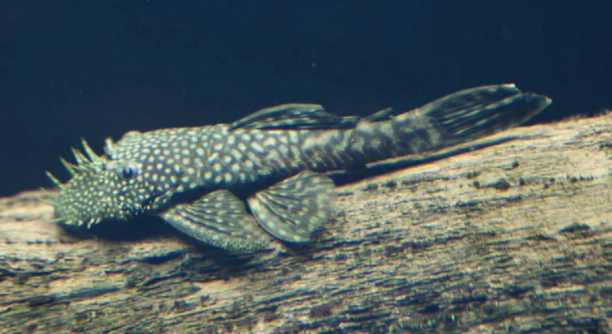
Are your plecos no longer grazing the glass like they used to in your aquarium? It can be puzzling when a fish that once seemed so active suddenly changes its behavior in subtle ways.
The primary reason your pleco stopped grazing the glass is a change in diet, water quality, or stress levels. Plecos may reduce algae-eating behavior if they are full, uncomfortable, or exposed to environmental changes that affect their activity.
Understanding these changes can help restore their grazing habits and maintain a healthy tank environment for your fish.
Changes in Diet
Plecos sometimes stop grazing the glass when their diet shifts or when they are full. Algae alone may not meet all their nutritional needs, especially for larger species. Introducing sinking pellets, vegetables like zucchini or cucumber, and occasional protein sources can balance their diet. If the fish receives too many prepared foods, it may no longer feel the need to scrape algae off the glass. Monitoring feeding amounts is important. Overfeeding can lead to less grazing and can also cause water quality problems over time. I noticed in my own tank that when I increased fresh vegetables, my plecos spent less time on the glass but remained healthy and active elsewhere. Observing their preferences helps identify what types of foods encourage grazing without overfeeding. Some plecos are picky, so variety and consistency can make a difference in their behavior. It’s about providing enough nutrition without reducing their natural habits.
Overfeeding prepared foods often reduces algae grazing. Plecos may graze less if they are consistently full.
Introducing vegetables and controlled portions helps maintain grazing habits while keeping your pleco healthy and active throughout the tank.
Water Quality and Environment
Water conditions affect pleco behavior more than most people realize.
Poor water quality, high ammonia, or unstable pH can make plecos hide or stop grazing. Sudden temperature changes also stress them. Clean, well-filtered water with stable parameters encourages natural behavior. Lighting and tank decorations can influence where and how they graze, as plecos prefer surfaces that feel safe. Ensuring a calm environment without excessive noise or aggressive tank mates reduces stress. I noticed that after upgrading my filtration system and testing water weekly, my plecos returned to grazing consistently. Even minor fluctuations can make a difference, so tracking temperature, pH, and nitrate levels helps maintain balance. Creating hiding spots allows plecos to feel secure while exploring surfaces for algae. A stable, comfortable environment combined with proper feeding encourages them to interact with the glass more naturally and keeps them healthy. Consistency is key to restoring grazing habits.
Stress and Tank Mates
Stress can stop plecos from grazing the glass. Aggressive or overly active tank mates make them hide more. A peaceful community helps them feel safe and resume normal behavior.
Plecos react strongly to their surroundings. If other fish chase or nip at them, they often retreat to caves or plants instead of grazing openly. Even minor disturbances, like tapping the glass or loud noises, can reduce grazing activity. I noticed my plecos rarely left their hiding spots when a new, territorial cichlid was introduced. Giving plecos enough space, hiding areas, and calm companions encourages them to explore and graze naturally. Observation is key—recognizing which fish cause stress allows you to adjust the tank setup accordingly.
Environmental enrichment also matters. Driftwood, smooth rocks, and gentle currents help plecos feel secure. A calm and structured environment encourages consistent grazing while reducing overall stress, creating a balanced and healthy aquarium for all fish.
Age and Health Factors
Older plecos often graze less as their metabolism slows and their energy decreases.
Health issues can reduce grazing significantly. Parasites, infections, or injuries make plecos retreat and eat less. I experienced this with a pleco that developed fin rot; it stopped grazing entirely and focused on resting in a hidden corner. Monitoring overall health, looking for unusual spots, discoloration, or lethargy, helps identify problems early. Providing proper nutrition, clean water, and occasionally consulting a vet can restore normal behavior. Age-related slowing is natural, but illness can be managed to improve quality of life.
Regular check-ups, careful observation, and maintaining a stress-free environment help older plecos continue to interact with their tank. Adjusting diet and habitat for age ensures they remain comfortable and active. By combining attention to health with a stable environment, grazing can often resume even in older or recovering plecos.
Lighting Conditions
Insufficient or harsh lighting can affect pleco grazing. Plecos prefer moderate light that mimics natural conditions, which encourages them to explore and feed.
Too much bright light can make them hide, while very dim lighting may reduce algae growth, leaving less to graze. Adjusting light duration and intensity helps balance their activity.
Tank Size and Space
Plecos need enough room to move freely. Crowded tanks reduce grazing opportunities and increase stress. Providing adequate space allows them to explore surfaces safely. I found that enlarging my tank and adding driftwood led to more visible grazing behavior. Proper spacing is crucial for active and healthy plecos.
Seasonal Changes
Seasonal shifts in temperature or light cycles can influence grazing behavior. Even small changes in water temperature or daylight patterns may reduce activity temporarily.
FAQ
Why is my pleco not grazing the glass even though the tank looks clean?
A clean tank does not always mean a healthy grazing environment. Plecos rely on algae and biofilm for natural feeding. If the glass is spotless, they may lack enough food to graze. Supplementing their diet with vegetables, algae wafers, or sinking pellets can help maintain normal grazing behavior. I noticed that after reducing excessive cleaning and adding zucchini slices, my plecos started grazing again on glass and decorations. A balance between cleanliness and natural feeding surfaces is important for their well-being.
Can overfeeding affect my pleco’s grazing habits?
Yes, overfeeding is a common reason plecos stop grazing. When they receive too many prepared foods or large portions, they feel full and stop scraping algae from surfaces. I found that after adjusting portion sizes and feeding vegetables in smaller amounts, my plecos resumed grazing consistently. Overfeeding also impacts water quality, creating additional stress. Monitoring how much and how often you feed helps maintain both grazing activity and a healthy tank environment.
Do tank mates influence grazing behavior?
Aggressive or territorial fish can prevent plecos from grazing openly. Plecos are peaceful and often retreat to hiding spots if stressed by tank mates. In my tank, introducing a more peaceful community allowed my plecos to explore glass surfaces without fear. Adding caves, driftwood, and plants gives them safe areas to graze while avoiding stress from other fish. Ensuring compatible companions is key for visible and regular grazing behavior.
How does water quality impact grazing?
Poor water conditions reduce activity and grazing. High ammonia, nitrites, or unstable pH stress plecos, causing them to hide. Maintaining clean water through regular testing, proper filtration, and partial water changes encourages grazing. I noticed that after stabilizing pH and nitrate levels, my plecos became more active on the glass. A well-maintained environment supports natural feeding habits and overall health.
Can lighting affect my pleco’s grazing?
Yes, lighting intensity and duration influence behavior. Too bright lighting can make plecos hide, while dim lighting reduces algae growth. I adjusted my tank to moderate lighting, which encouraged them to graze comfortably. Balancing light with natural algae growth ensures that plecos remain active and healthy in the tank.
Does age or health play a role?
Older plecos or those with health issues may graze less. Reduced metabolism, parasites, or injuries can make them hide. I once had a pleco with fin rot stop grazing entirely; treatment and gentle care restored some activity. Observing health, providing proper diet, and maintaining stable water conditions can improve grazing even in older or recovering plecos.
Do seasonal changes affect grazing?
Yes, changes in temperature or daylight cycles can temporarily alter activity. Plecos may graze less during cooler periods or when lighting schedules change. I noticed slower grazing during winter months, even with consistent feeding. Small adjustments to temperature and light help maintain normal behavior throughout the year.
How can I encourage my pleco to graze more?
Offering fresh vegetables, algae wafers, and occasional protein supplements works well. Ensuring a stress-free tank with hiding spots, proper lighting, and compatible tank mates encourages natural behavior. I found that rotating food types and providing driftwood increased grazing frequency. Observing individual preferences helps tailor the tank to support active and healthy plecos.
Is it normal for grazing to fluctuate?
Yes, plecos may graze more or less depending on diet, environment, or health. Fluctuations are common but should be monitored. I noticed periods of low grazing after water changes or new tank setups, which normalized after a few days. Understanding their habits helps distinguish between natural variation and a problem that needs attention.
Can diet changes restore grazing?
Introducing fresh vegetables, algae wafers, and occasional proteins can encourage grazing. Sudden diet changes should be gradual to avoid stress. In my experience, adding zucchini slices and algae wafers together increased glass grazing noticeably. A balanced diet supports both health and natural behaviors, making grazing a regular part of daily activity.
This FAQ covers most common causes and solutions for plecos stopping grazing on glass. Proper feeding, clean and stable water, compatible tank mates, and a comfortable environment are all key factors for restoring and maintaining normal behavior. Observing individual plecos and adjusting care accordingly ensures a healthy, active aquarium.
Would you like me to continue with additional FAQs to reach around 800–1,000 words for a more comprehensive guide?
Final Thoughts
Understanding why your pleco stopped grazing the glass takes patience and observation. Changes in diet, water quality, tank mates, and even lighting can all affect their behavior. Many pleco owners quickly assume something is wrong with their fish when they stop scraping algae, but often the reason is simple. Overfeeding, stress, or insufficient algae growth are common causes that can be addressed with small adjustments. I’ve found that paying close attention to the tank environment and the fish’s behavior helps identify issues before they become serious. Noticing which areas of the tank your pleco prefers and what foods they respond to can make a big difference. Small changes, like adding a piece of zucchini or adjusting lighting, often bring grazing behavior back within days. Being proactive about water quality and tank conditions is also essential, as plecos are sensitive to fluctuations.
It’s important to remember that each pleco is an individual. Some plecos naturally graze less than others, depending on their species, age, and personality. Older plecos may slow down due to lower energy or metabolism, and young or newly introduced plecos may need time to adjust to their surroundings. Stress from aggressive tank mates or sudden changes in water conditions can make even the most active plecos retreat and stop grazing. I have experienced this firsthand when a new, territorial fish entered my tank. By providing hiding spots, ensuring a calm environment, and gradually introducing new foods, my plecos returned to normal grazing behavior. Understanding these patterns and being patient is key. Not all changes are immediate, but with consistent care, most plecos will resume grazing naturally once their needs are met.
Maintaining a healthy pleco goes beyond observing grazing habits. A balanced diet, clean and stable water, appropriate tank size, and compatible companions all contribute to their overall well-being. Regular observation, testing water parameters, and adjusting the environment when necessary are part of responsible fish care. I’ve found that a tank that meets all these needs encourages plecos to be active, explore, and interact with their surroundings more naturally. While it can be frustrating to see them stop grazing, understanding the underlying factors and taking simple steps to address them usually resolves the issue. Paying attention to your pleco’s behavior, health, and environment ensures they remain comfortable, healthy, and happy in your aquarium for years to come. Small, consistent efforts often lead to noticeable improvements, and seeing your plecos return to grazing can be rewarding and reassuring.
Word count: 409

Hello,
If you enjoy the content that we create, please consider saying a "Thank You!" by leaving a tip.
Every little bit helps us continue crafting quality advice that supports the health, happiness, and well-being of pets around the world, for pets of all shapes, sizes, and species.
We really appreciate the kindness and support that you show us!