
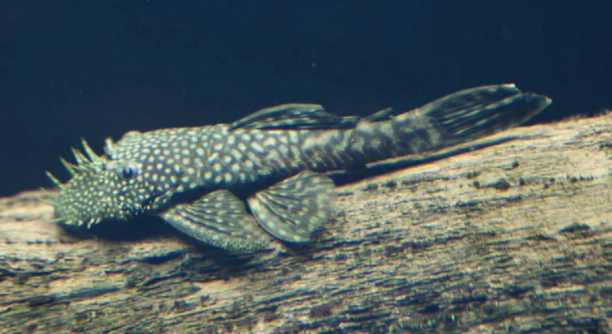
Have you ever noticed your pleco behaving differently in the tank and wondered if something might be wrong with its health? Observing changes early can make a big difference in keeping your fish happy and thriving.
Poor pleco health often manifests through changes in appetite, unusual swimming patterns, discoloration, lethargy, fin damage, excessive mucus production, and irregular growth. Recognizing these signs promptly allows owners to take corrective measures and prevent serious illness or mortality.
Understanding these warning signs will help you take better care of your pleco and ensure its well-being in your aquarium environment.
Loss of Appetite
Sometimes, your pleco may suddenly stop eating or show less interest in its usual food. This can be subtle at first, like leaving small amounts behind or nibbling less than usual. Changes in appetite often signal stress or underlying health problems. Water quality, temperature fluctuations, and dietary deficiencies are common contributors. Observing your pleco during feeding times can help you spot this early. If the fish refuses food for more than a day or two, it’s important to check the tank conditions immediately. Sometimes adding fresh vegetables or algae wafers can encourage eating, but persistent refusal should not be ignored. Stress from new tankmates or sudden environmental changes can also impact feeding. A careful inspection of both your pleco and its environment is necessary to prevent further complications. Prompt action ensures your fish can recover and maintain a healthy routine.
Loss of appetite often appears before other visible signs of illness, making early observation critical.
Monitoring feeding habits closely helps prevent severe health decline and keeps your pleco active and healthy over time.
Abnormal Swimming Patterns
Abnormal swimming includes floating near the surface, spinning, or staying at the bottom without moving. These movements can indicate stress, illness, or water imbalance.
Plecos usually rest on surfaces or move slowly along the bottom. Sudden erratic movements may result from infections, parasites, or poor water conditions. Even slight changes in swimming style, such as tilting to one side, can reflect internal issues. Consistently swimming in circles or struggling to maintain balance suggests swim bladder problems or neurological issues. Observing your fish in calm moments, especially after feeding, can reveal irregular patterns. Correcting water parameters, testing for ammonia, nitrites, and nitrates, and maintaining proper temperature can improve swimming behavior. Adding hiding spots and reducing stress from aggressive tankmates can also help. If the abnormal behavior persists despite stable conditions, consulting a veterinarian familiar with fish health may be necessary. Proper observation and timely intervention increase the chance of full recovery and overall wellness.
Discoloration
Discoloration in plecos can appear as faded colors, dark spots, or unusual patches on the body. It often signals stress, poor water quality, or a developing illness.
Changes in coloration can occur gradually or suddenly. A pleco that once had a vibrant pattern may look dull or washed out if the tank’s water quality declines. High ammonia or nitrite levels, sudden temperature shifts, or insufficient hiding spaces can trigger stress, which often shows first as fading colors. Fungal or bacterial infections may also cause localized spots or blotches. It’s important to test water parameters and observe the fish closely to determine the cause. Adjusting diet with fresh vegetables and algae wafers can support recovery. Regular partial water changes help restore stability, while monitoring for additional symptoms ensures that treatment can begin promptly.
Persistent discoloration accompanied by lethargy, fin damage, or odd swimming patterns should be treated as a serious warning sign requiring attention.
Fin Damage
Fin damage can appear as frayed edges, torn fins, or white edges forming along fin tips. These signs indicate injury or infection.
Physical damage often occurs from aggressive tankmates, rough surfaces, or decorations inside the tank. Over time, bacteria or fungi can infect torn fins, causing further deterioration. Observing your pleco’s fins during routine checks helps catch problems early. If you notice fraying or discoloration at the edges, consider removing sharp objects from the tank and checking for bullying from other fish. Maintaining high water quality reduces the risk of secondary infections. A balanced diet enriched with vitamins can improve healing speed. In some cases, isolating the pleco temporarily allows fins to recover without additional stress. Prompt attention prevents small tears from worsening and ensures the pleco regains its healthy appearance.
Excess Mucus Production
Excess mucus on a pleco’s body or fins often appears as a slimy coating. It can indicate stress, poor water quality, or an infection developing internally.
Increased slime is the pleco’s way of protecting itself. Dirty water, high ammonia, or sudden changes in temperature can trigger this response. Monitoring water conditions and performing partial water changes can help reduce mucus overproduction and restore the fish’s comfort.
Irregular Growth
Irregular growth can be seen when a pleco grows unevenly or stops growing altogether. This is often linked to nutrition, water quality, or underlying disease.
Poor diet lacking essential nutrients may slow growth or cause deformities. Water with inconsistent parameters also affects development. Genetic factors sometimes play a role, but environmental conditions are usually the main influence. Ensuring a balanced diet of algae, vegetables, and occasional protein supplements promotes steady growth. Regular water testing, filtration maintenance, and avoiding overcrowding help provide a stable environment. Watching growth patterns over months can reveal subtle problems early. Addressing irregular growth promptly reduces long-term health issues and ensures the pleco reaches its full potential.
Lethargy
Lethargy in plecos shows as long periods of inactivity or staying in one spot for hours. It often signals stress, illness, or poor tank conditions.
FAQ
How can I tell if my pleco is sick?
Signs of illness include loss of appetite, abnormal swimming, discoloration, fin damage, excessive mucus, irregular growth, and lethargy. Observing these changes early allows you to adjust tank conditions, diet, and care to prevent more serious health problems. Consistent monitoring is key.
What causes loss of appetite in plecos?
Loss of appetite is usually linked to stress, poor water quality, sudden temperature changes, or inadequate diet. Overcrowding or aggressive tankmates can also reduce feeding interest. Addressing these factors quickly often restores normal eating habits and helps maintain overall health.
Why is my pleco’s color fading?
Fading or patchy coloration often results from stress or poor water conditions. High ammonia, nitrites, or sudden environmental changes can dull their vibrant colors. Infections may also contribute. Correcting water parameters and providing a balanced diet helps restore natural coloration over time.
What should I do if my pleco’s fins are damaged?
Frayed or torn fins often occur from rough decorations, sharp surfaces, or bullying by other fish. Damaged fins can become infected if not treated. Removing hazards, isolating the fish if necessary, and maintaining clean water promotes healing and prevents further deterioration.
Why is my pleco producing excess mucus?
Excess mucus is a protective response to stress, poor water quality, or infections. Regular water changes, proper filtration, and reducing stressors such as aggressive tankmates help the pleco recover. Persistent slime may indicate a deeper health issue requiring attention.
How do I manage irregular growth in plecos?
Irregular growth often stems from poor nutrition, unstable water conditions, or illness. Providing a nutrient-rich diet, monitoring water quality, and avoiding overcrowding support steady growth. Tracking size over time allows early detection of problems before they become severe.
What causes lethargy in plecos?
Lethargy is usually caused by stress, illness, poor water quality, or lack of proper nutrition. Ensuring clean water, a balanced diet, and an appropriate environment encourages activity. Persistent inactivity may require closer observation and intervention.
Can poor water quality make a pleco sick?
Yes, poor water quality is one of the main contributors to pleco illness. Ammonia, nitrite, nitrate spikes, and incorrect pH levels can stress fish and weaken their immune system. Regular testing and maintenance prevent many health issues and keep your pleco active.
How often should I check my pleco’s health?
Daily observation is recommended. Look for changes in behavior, appetite, color, and fins. Quick attention to minor issues often prevents serious health problems, ensuring your pleco remains healthy and thriving in its tank environment.
When should I consult a veterinarian for my pleco?
If you notice persistent loss of appetite, unusual swimming, severe fin damage, constant slime, or other ongoing symptoms despite improving tank conditions, consulting a fish veterinarian is advised. Early professional intervention increases the chances of recovery and long-term health.
Can diet prevent pleco health problems?
A balanced diet including algae, vegetables, and occasional protein supplements supports growth, coloration, and overall health. Poor nutrition can lead to irregular growth, weakened immunity, and increased susceptibility to disease. Consistent dietary care is essential for a thriving pleco.
Are tankmates a factor in pleco health?
Yes, aggressive or territorial tankmates can stress plecos, leading to fin damage, lethargy, and reduced appetite. Providing hiding spots and monitoring interactions can reduce stress and prevent injuries, helping maintain a peaceful environment.
How do I prevent health issues in plecos?
Maintaining clean water, stable temperature, a balanced diet, appropriate tank size, and compatible tankmates are the best preventative measures. Regular observation allows early detection of problems, and addressing small issues promptly keeps your pleco healthy for years.
What are the first steps if my pleco shows signs of illness?
Check water parameters immediately, isolate if necessary, improve diet, and remove stressors. Monitor behavior and appearance closely. If symptoms persist, consult a veterinarian to ensure proper diagnosis and treatment, preventing the problem from escalating further.
Final Thoughts
Caring for a pleco requires attention to both its behavior and environment. Observing your fish daily helps you notice changes early, which can prevent minor issues from turning into serious health problems. Plecos are sensitive to water quality, temperature fluctuations, and the overall setup of the tank. Even small changes, like adding a new decoration or adjusting the lighting, can affect their comfort. By keeping water clean and stable, providing adequate hiding spaces, and maintaining a balanced diet, you create conditions that support their health. Over time, these practices become routine and make it easier to recognize when something is wrong. Consistency is key to ensuring your pleco thrives.
Understanding the warning signs of poor health allows you to act quickly. Changes such as loss of appetite, abnormal swimming, discoloration, fin damage, excessive mucus, irregular growth, and lethargy are indicators that something in the tank or in the fish’s condition needs attention. Addressing these signs early is important because plecos, like many fish, can hide illness until it becomes severe. Regular water testing, careful monitoring of feeding habits, and observing physical changes all contribute to a stronger ability to detect problems. Making small adjustments to diet or tank conditions can often resolve issues before they escalate. Additionally, knowing when to seek professional help is part of responsible care, especially if symptoms persist despite adjustments.
Long-term pleco care is about balance and observation. Maintaining stable water conditions, a nutritious diet, and a stress-free environment keeps your fish active and healthy. Attention to detail, such as checking for fin damage, signs of slime overproduction, or unusual growth patterns, supports early intervention. Over time, observing these aspects becomes second nature, allowing you to prevent many common health issues. Each pleco has unique needs, and learning their habits helps you understand what normal behavior looks like. By combining careful observation with proper tank management, you give your pleco the best chance for a long, healthy life. This approach not only benefits the fish but also makes caring for it more rewarding and manageable over the years.

Hello,
If you enjoy the content that we create, please consider saying a "Thank You!" by leaving a tip.
Every little bit helps us continue crafting quality advice that supports the health, happiness, and well-being of pets around the world, for pets of all shapes, sizes, and species.
We really appreciate the kindness and support that you show us!