
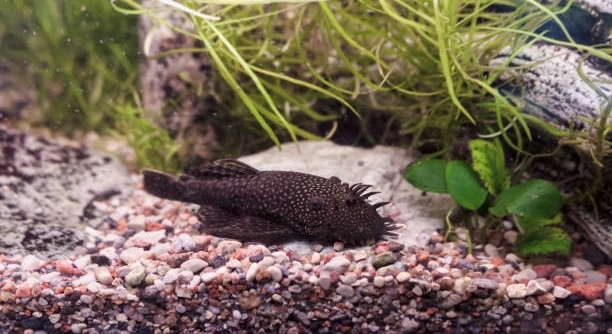
Have you ever noticed your pleco acting a bit different during molting periods? These changes can be subtle but are important to recognize. Understanding what your fish needs can make their molting process smoother and healthier.
During molting, plecos require a stable environment, adequate hiding spaces, proper water conditions, and a nutrient-rich diet. Providing these essentials supports their health, reduces stress, and promotes successful molting while maintaining overall wellbeing in their aquatic habitat.
Knowing what plecos need during these times can prevent common issues and keep them thriving in your aquarium environment. Paying attention to these details ensures they remain healthy and comfortable.
Stable Water Conditions
Maintaining stable water conditions is crucial for plecos during molting. Sudden fluctuations in temperature or pH can stress your fish and disrupt their shedding process. I make it a habit to check water parameters daily, ensuring temperature stays consistent and ammonia, nitrite, and nitrate levels remain safe. Using a reliable heater and filter helps keep conditions steady. When I added driftwood and plants, it not only improved water quality but also gave plecos comfortable spots to rest while molting. Avoid strong water currents, as plecos prefer calm areas when shedding. I also do partial water changes regularly, making sure they are gentle to avoid shocking the fish. Proper water maintenance prevents infections and supports overall health, allowing plecos to molt naturally. Observing their behavior closely shows when conditions are optimal, and adjustments can be made quickly. Clean, stable water ensures plecos feel secure and can complete their molting without added stress or complications.
Stable water conditions help plecos molt safely and reduce stress during sensitive periods. Consistency is key for healthy shedding.
Regular observation and minor adjustments keep the tank environment safe. This stability supports proper molting, reduces risk of disease, and encourages natural behavior. Consistently clean, calm water is the foundation for pleco health and comfort.
Hiding Spaces
Plecos need hiding spaces to feel secure while molting. Providing caves, driftwood, or dense plant cover helps them relax. These areas mimic natural habitats and reduce stress, allowing the fish to focus on shedding properly.
When designing hiding spots, I ensure there are multiple options throughout the tank. This prevents competition and gives plecos freedom to choose where they feel safest. Using natural decorations like hollow logs or rock formations adds comfort and enrichment. During molting, plecos often stay hidden for longer periods, so these spaces must be accessible yet undisturbed. I sometimes add soft substrate near these areas to make resting more comfortable. Avoid overcrowding the tank with decorations, as too many items can limit swimming space and create unnecessary stress. Providing secure, quiet spaces encourages natural behavior and supports a smooth molting process. Over time, I’ve noticed plecos become more active after molting when they have reliable hiding places, showing reduced stress and improved overall health.
Proper Diet
A balanced diet is essential during molting. Plecos need extra nutrients to support their growth and recovery. I make sure to provide algae wafers, vegetables, and occasional protein sources to keep them healthy.
Providing a variety of foods ensures plecos get the vitamins and minerals needed for strong, healthy skin. I rotate vegetables like zucchini, cucumber, and spinach to prevent boredom and encourage feeding. Occasionally, I add protein sources such as shrimp pellets or bloodworms, which support tissue regeneration. Overfeeding can cause water issues, so I carefully measure portions and remove uneaten food. Observing my plecos helps me notice if they are eating properly, adjusting their diet as necessary. A nutrient-rich diet strengthens them for molting and keeps them active and healthy throughout the tank.
During molting, I pay attention to appetite changes. Sometimes plecos eat less, which is normal, but keeping their diet consistent supports recovery. I avoid sudden diet changes, as these can stress them and affect shedding. Supplements like calcium-rich foods can help maintain strong body structure and support skin health. I also note the timing of feeding, providing food when plecos are most active, usually in the evening. This combination of variety, nutrients, and careful monitoring ensures plecos get what they need without compromising water quality, making molting a smoother process.
Gentle Tank Maintenance
Frequent but gentle cleaning prevents stress during molting. I avoid strong currents and use soft tools to maintain the tank.
I perform partial water changes carefully to keep water quality high without disturbing the plecos. Cleaning decorations and substrate gradually prevents sudden disruptions. I monitor filters, ensuring they run efficiently but quietly. During molting, plecos are more sensitive, so I limit handling and avoid major rearrangements. Gentle maintenance protects their health and reduces the risk of infections or injuries. I also watch for leftover food or waste, removing it promptly to maintain cleanliness. By keeping the tank clean yet calm, plecos can molt safely and stay comfortable.
Low Stress Environment
Keeping stress low is vital for plecos during molting. I reduce loud noises and avoid sudden movements around the tank to help them feel secure.
Minimizing disturbances also includes limiting bright lighting and providing quiet, calm surroundings. Plecos respond well to stability and predictability, which supports healthy molting.
Consistent Lighting
Maintaining a regular light schedule helps plecos regulate their behavior. I use timers to ensure day and night periods remain steady, preventing stress and supporting natural cycles.
Safe Substrate
Soft and smooth substrate reduces the risk of injury during molting. I avoid sharp gravel and choose sand or fine, rounded stones to protect delicate skin and fins.
FAQ
How often should I check my pleco during molting?
I usually observe my plecos at least twice a day when they are molting. Monitoring their behavior, appetite, and position in the tank helps me notice any problems early. Some plecos hide more, while others may be less active, so daily observation is enough to ensure they are safe and healthy.
What foods are best for plecos during molting?
Vegetables like zucchini, cucumber, and spinach provide essential nutrients. I also give algae wafers for fiber and occasional protein sources, such as shrimp pellets or bloodworms. Balanced nutrition supports skin regeneration and overall health. Avoid overfeeding, as leftover food can affect water quality and stress the fish.
Can plecos be stressed by other fish during molting?
Yes, other fish can stress plecos while molting. I make sure to provide hiding spots and sometimes temporarily separate aggressive tank mates. Reducing competition for food and space helps plecos feel secure and focus on molting properly. Calm surroundings improve their recovery.
How long does molting usually take?
Molting can take several days depending on the pleco species and age. I pay attention to signs like duller color or slower movement. During this time, I keep water stable, feeding light portions and minimizing disturbances to support smooth shedding.
Do plecos need supplements during molting?
Calcium-rich foods or specially formulated pleco supplements can support strong body structure and skin regeneration. I occasionally add them to their diet, especially for younger plecos or those molting frequently. Supplements help prevent deficiencies and ensure proper growth.
What signs indicate a molting problem?
If plecos remain inactive for too long, lose appetite, or have torn skin or fins, I consider it a molting problem. I check water quality immediately and adjust diet or hiding spaces. Early detection prevents infection and ensures their health.
Should I handle my pleco during molting?
Handling is risky. I avoid touching plecos unless absolutely necessary, as their skin is sensitive and can tear easily. I focus on gentle tank maintenance, letting them molt undisturbed to reduce stress and prevent injuries.
How do I maintain water quality during molting?
Partial water changes, regular filter checks, and monitoring ammonia, nitrite, and nitrate levels are essential. I perform maintenance slowly to avoid sudden changes. Stable, clean water reduces stress and supports proper molting, keeping plecos comfortable throughout the process.
Are hiding spaces really necessary?
Yes, hiding spaces are critical. Plecos use caves, driftwood, or dense plants to feel secure. I make sure multiple options exist to prevent competition. Hiding reduces stress, encourages natural behavior, and allows plecos to molt without disturbances.
Can lighting affect molting?
Consistent lighting helps regulate natural behavior. I use timers for steady day and night cycles. Bright or fluctuating lights can stress plecos, slowing molting. Maintaining a predictable light schedule keeps them comfortable and supports overall health.
How do I know if my pleco is eating enough?
Monitoring food consumption is key. I watch how much they eat during feeding times and check for uneaten food. Reduced appetite is normal for some during molting, but prolonged refusal can indicate stress or illness. Adjusting diet and checking water quality helps.
Can tank decorations impact molting?
Yes, rough or sharp decorations can injure plecos. I choose smooth driftwood, rocks, and soft substrate to avoid cuts. Decorations also provide hiding spaces, helping them feel safe while molting. Proper tank setup balances protection and enrichment.
How can I tell when molting is complete?
Plecos regain color, become more active, and explore the tank. Skin looks smooth, and fins appear fully restored. I continue monitoring for a few days afterward to ensure there are no lingering issues, adjusting care if necessary.
Is molting more frequent in certain pleco species?
Yes, smaller or younger species tend to molt more often. I keep track of species-specific behavior and adjust care accordingly. Frequent molting may require extra nutrients and more attention to water quality to prevent stress or injury.
What should I do if molting goes wrong?
Immediate water checks, gentle maintenance, and observation for injuries or infection are essential. I isolate severely stressed or injured plecos if needed. Providing proper diet, hiding spaces, and calm surroundings supports recovery and prevents further complications.
Can temperature affect molting?
Yes, stable temperature is critical. Sudden drops or spikes can stress plecos and delay molting. I keep the heater consistent and monitor daily, ensuring the tank stays within species-specific ranges to support natural shedding.
Is it normal for plecos to hide for long periods?
Yes, hiding is common during molting. I provide multiple secure spots and avoid disturbances. Plecos use these areas to feel safe, recover energy, and complete the shedding process without stress.
How can I encourage molting without causing stress?
I maintain clean, stable water, provide proper diet, and offer hiding spaces. Gentle observation and minimal handling allow plecos to molt naturally. Keeping the environment calm and predictable supports healthy shedding and overall well-being.
Do all plecos molt the same way?
Molting frequency and behavior vary by species. I study each type’s habits and adjust care accordingly. Some shed in sections, others gradually. Understanding specific needs ensures molting occurs smoothly and safely in the tank environment.
Can stress delay molting?
Yes, stress can slow or disrupt molting. Loud noises, aggressive tank mates, poor water quality, or sudden changes all contribute. I focus on calm surroundings, proper nutrition, and gentle maintenance to minimize stress and support timely molting.
What is the best way to monitor plecos during molting?
Observing activity, hiding behavior, appetite, and color changes provides clear indicators. I take notes if needed and check water parameters daily. Careful monitoring helps detect problems early and ensures plecos stay healthy throughout the molting process.
How long should I keep extra hiding spaces after molting?
I keep them for a few days afterward. Even after molting, plecos may feel vulnerable. Gradually removing or rearranging spaces once they return to normal activity helps maintain a safe and comfortable tank environment.
Can overfeeding affect molting?
Yes, overfeeding can pollute water and stress plecos, slowing molting. I carefully measure portions and remove uneaten food. Balanced feeding supports health, prevents water issues, and allows plecos to shed naturally without complications.
What changes in behavior indicate successful molting?
Increased activity, brighter color, and normal feeding are positive signs. I notice when plecos explore the tank again and interact normally. These behaviors show they have completed molting successfully and recovered energy.
Are supplements always necessary?
Not always. They are helpful if diet lacks certain nutrients or for frequent molters. I use calcium-rich foods or specialized pleco supplements selectively to support healthy growth and skin regeneration. Proper diet often covers most needs.
How do I prevent infections during molting?
Maintaining clean water, providing hiding spots, and avoiding injuries are essential. I monitor for any signs of redness or lesions and adjust care immediately. Preventive care ensures molting occurs safely without complications.
Can tank mates eat leftover molting skin?
Some may nibble, but it’s usually harmless. I remove large pieces to prevent water quality issues. Observing interactions helps me ensure other fish don’t stress the pleco or disrupt the molting process.
How often should I perform water changes during molting?
Gentle, partial water changes every few days are sufficient. I avoid full changes, which can stress plecos. Maintaining clean, stable water supports molting and overall fish health without causing unnecessary disturbance.
Does age affect molting frequency?
Yes, younger plecos molt more frequently than older ones. I adjust feeding and monitoring based on age to support healthy shedding and ensure they get the nutrients needed for growth.
What is the best way to reduce molting stress?
Stable water, hiding spaces, gentle maintenance, and a consistent diet all reduce stress. I limit disturbances and provide calm conditions. These combined measures help plecos molt smoothly and maintain overall well-being.
Can molting cause temporary inactivity?
Yes, plecos often hide and move less during shedding. I provide secure spots and avoid unnecessary interactions. This behavior is normal and allows energy to go toward skin regeneration and recovery.
How can I tell if my pleco is molting too often?
Frequent molting may indicate diet or water issues. I track timing and consult species-specific guidelines. Adjusting nutrition and environmental conditions helps prevent excessive molting and supports overall health.
Are there differences in molting between juvenile and adult plecos?
Juveniles molt more often and may need extra nutrients. Adults molt less frequently but still require stable water, proper diet, and hiding spaces. I adapt care to age to ensure safe and effective molting at every stage.
Can I use medication during molting?
Medication should only be used if necessary for illness or injury. I avoid routine treatment during molting unless prescribed, as plecos are more sensitive and stress can worsen conditions. Preventive care is usually sufficient.
How do I maintain calm during tank maintenance?
I move slowly, avoid splashing, and perform partial water changes. Minimal handling of decorations and gentle cleaning prevents stress. Calm, careful maintenance supports a safe molting environment for plecos.
Should I monitor multiple plecos differently?
Yes, each may have unique needs. I check behavior, feeding, and hiding habits individually. Providing multiple hiding spots and adequate food reduces stress and ensures each pleco molts successfully.
How does tank size affect molting?
A properly sized tank prevents crowding and reduces stress. I make sure plecos have enough space to hide and swim. Overcrowding can delay molting and increase competition for resources. Adequate space is essential for safe shedding.
Can molting affect social behavior?
Yes, plecos may be more reclusive or less interactive. I avoid forcing interactions and provide calm surroundings. Post-molt, social behavior usually returns once they feel secure.
How long should I watch for complications after molting?
I monitor for several days, checking water, feeding, and activity. Early intervention prevents infections and ensures full recovery. Maintaining calm and clean conditions supports ongoing health.
Do plecos molt differently in planted vs. bare tanks?
Planted tanks provide more hiding spaces and reduce stress, helping smoother molting. Bare tanks require alternative shelters. I add driftwood or caves when plants are sparse to mimic natural protection.
Can stress affect skin quality after molting?
Yes, stressed plecos may develop duller color or minor injuries. I focus on stable water, hiding spaces, and gentle care to prevent stress and maintain healthy skin.
Is molting visible externally or mostly internal?
External changes like dull color, raised scales, or shedding skin are visible. Internal processes include regeneration and recovery. I observe behavior and physical appearance to ensure molting progresses safely.
Can lighting changes trigger molting?
Sudden light changes may stress plecos but rarely trigger molting directly. I maintain consistent lighting to reduce stress and support healthy natural cycles during the process.
How do I know if hiding spaces are adequate?
Plecos should have multiple quiet spots where they can remain undisturbed. I watch whether they use them freely. Lack of use or overcrowding indicates adjustments are needed for comfort.
Can I use supplements in the water during molting?
Direct water supplements are rarely needed. I focus on dietary sources to avoid chemical imbalance or stress. Balanced feeding is safer and supports proper molting effectively.
Do plecos molt more in certain seasons?
Seasonal changes may influence activity but not always molting frequency. I maintain consistent water conditions year-round to reduce seasonal stress and support steady molting patterns.
Is hiding behavior always linked to molting?
Not always; plecos hide for stress, illness, or natural rest. I observe other signs like appetite and color to confirm molting and adjust care appropriately.
What is the role of driftwood in molting?
Driftwood provides secure hiding and surfaces for grazing. I place it strategically for comfort and stress reduction. It supports natural behavior and helps plecos molt with confidence.
Can water hardness affect molting?
Yes, stable hardness supports skin health. I monitor GH and KH levels, adjusting as necessary. Proper mineral content ensures smooth molting and reduces risk of complications.
Should I separate plecos during molting?
Separation is only needed if aggression or stress occurs. I otherwise maintain a calm, communal tank with adequate hiding spots. Safe cohabitation supports natural behavior without interfering with molting.
Can poor diet cause molting issues?
Yes, nutrient deficiencies slow molting or weaken skin. I provide a mix of vegetables, algae wafers, and occasional protein to ensure plecos get essential nutrients. Balanced feeding prevents molting problems.
How often should I monitor water parameters?
Daily checks for ammonia, nitrite, nitrate, pH, and temperature are ideal. I adjust quickly if needed. Consistent monitoring prevents stress and supports safe molting.
Do plecos molt differently in freshwater vs. brackish water?
Most plecos are freshwater species; molting occurs naturally there. For brackish species, water conditions must match their needs. I adjust parameters accordingly to support healthy shedding.
Can tank mates nibble at molting plecos?
Yes, minor nibbling can occur but is usually harmless. I watch interactions to prevent stress or injury and remove aggressive individuals if needed.
Is molting painful for plecos?
Molting is not typically painful but can be stressful. I focus on comfort, hiding spaces, and stable conditions to ensure plecos complete the process safely.
Can water temperature swings delay molting?
Yes, even small fluctuations can cause stress and slow shedding. I maintain steady temperature using a reliable heater and monitor daily for consistency.
Do plecos need more oxygen during molting?
Not significantly, but I ensure good water circulation and aeration. Healthy oxygen levels support recovery and reduce stress during the molting period.
How can I tell if molting is abnormal?
Prolonged hiding, loss of appetite, torn fins, or lesions indicate abnormal molting. I check water and diet, and isolate if necessary to prevent complications. Early action ensures recovery.
Can molting cause color changes?
Yes, duller color is common. Once molting completes, color usually returns. I focus on nutrition and water quality to support vibrant skin post-molt.
Are juvenile plecos more vulnerable during molting?
Yes, juveniles need extra hiding spots, gentle care, and proper nutrition. I adjust tank setup and monitor closely to prevent stress and ensure healthy development.
Can molting affect pleco appetite temporarily?
Yes, reduced appetite is normal. I provide light, nutritious meals and monitor consumption. Ensuring calm surroundings helps plecos eat comfortably when ready.
Do plecos molt differently in community tanks?
Community tanks require more hiding spots and careful monitoring to reduce stress from other fish. I ensure ample cover and observe interactions to prevent interference during molting.
How long after molting should I resume normal feeding?
Once plecos show increased activity and appetite, I gradually return to regular feeding. I continue monitoring for any leftover uneaten food to maintain water quality.
Can disease interfere with molting?
Yes, infections or parasites can complicate shedding. I observe health closely and treat promptly if necessary. Clean water and proper nutrition prevent most issues.
Should I change water temperature for faster molting?
No, abrupt temperature changes stress plecos. I maintain a stable, species-appropriate temperature to support natural molting processes safely.
How do I prevent molting-related injuries?
Providing soft substrate, smooth decorations, and adequate hiding spaces prevents cuts or tears. I avoid handling plecos and reduce stress to minimize risk during shedding.
Can plecos shed too fast?
Rapid shedding can indicate stress or poor water quality. I ensure stable conditions, proper diet, and calm surroundings to maintain safe, natural molting speed.
Do plecos molt differently at night?
Many are more active in low light. I notice some plecos molt mostly at night and provide quiet, dim areas for safety. This supports natural behavior without interference.
Is it normal for plecos to refuse food while molting?
Yes, temporary refusal is common. I monitor closely and continue offering small portions, ensuring water quality remains optimal. Appetite usually returns once molting completes.
Can aggressive tank mates delay molting?
Yes, stress from aggressive fish can slow or disrupt molting. I provide hiding spots and separate if needed to protect the molting pleco and ensure safe shedding.
How often should hiding spots be cleaned?
I clean gently during partial water changes, removing debris without disturbing the pleco. Clean, safe spaces support comfort and reduce risk of infection during molting.
Does molting frequency change with age?
Yes, younger plecos molt more often. Adults molt less frequently but still require consistent care, nutrition, and stable water conditions for safe shedding.
Can water hardness or pH shifts affect molting?
Yes, fluctuations can stress plecos and interfere with shedding. I monitor GH, KH, and pH, making gradual adjustments to maintain optimal conditions for molting.
Are certain pleco species more sensitive to molting stress?
Yes, some species are more timid or prone to hiding. I adjust hiding spaces, water stability, and diet based on species-specific needs to reduce stress.
Can tank size influence molting success?
Larger tanks with more hiding spaces reduce stress and allow plecos to molt safely. Overcrowding or limited space can lead to aggression and slow the molting process.
Should plecos be isolated during molting?
Isolation is only necessary if stress or aggression occurs. Otherwise, calm tanks with ample hiding spots allow safe cohabitation and natural molting.
Can molting affect pleco activity levels?
Yes, plecos often hide and move less. I observe and avoid disturbances, allowing them to conserve energy and complete molting safely.
How do I know if my pleco is recovering well after molting?
Recovery signs include normal swimming, vibrant color, and returning appetite. I continue monitoring water and behavior for a few days to ensure complete recovery.
Are there signs of stress that indicate molting problems?
Frequent hiding, fin damage, loss of appetite, or abnormal behavior may indicate issues. I check water, diet, and tank setup, making adjustments to support healthy molting.
Can water flow affect molting?
Strong currents stress plecos. I ensure gentle circulation, allowing calm areas for resting and hiding. Reduced flow supports safe, comfortable molting.
Do plecos molt differently in planted versus unplanted tanks?
Plants provide natural hiding and grazing
Molting is a natural and necessary process for plecos, and understanding their needs during this time is essential for their health and wellbeing. Throughout the molting process, plecos experience changes in behavior and activity, often becoming more reclusive or hiding for longer periods. These changes are normal, and providing a stable environment, proper diet, and secure hiding spaces can help them feel safe and reduce stress. Observing your pleco closely allows you to notice subtle shifts in behavior or appearance, which can indicate whether molting is progressing smoothly or if adjustments are needed. Maintaining clean water, a calm tank environment, and gentle care routines supports healthy molting and helps prevent potential complications, such as stress or infections.
Providing the right diet is another key factor in ensuring plecos molt successfully. During this time, their nutritional needs may increase, especially for vitamins, minerals, and protein, which help support skin regeneration and overall health. A mix of vegetables, algae wafers, and occasional protein sources like shrimp pellets can provide balanced nutrition, while careful portioning prevents leftover food from affecting water quality. Some plecos may eat less during molting, which is normal, but monitoring their feeding habits ensures they receive enough nutrients to stay healthy. Supplementing with calcium or other nutrients is helpful if their regular diet does not provide enough. By paying attention to dietary needs, you support the growth and recovery of plecos while keeping them active and comfortable in the tank.
Finally, the environment and overall care routines play a critical role in helping plecos molt without stress or injury. Stable water parameters, gentle maintenance, consistent lighting, and soft substrates all contribute to a safe and comfortable habitat. Hiding spots such as caves, driftwood, or plants give plecos a sense of security, reducing stress and encouraging natural behavior. Minimizing sudden changes in tank conditions, noise, or handling allows plecos to focus their energy on molting rather than coping with stressors. Regular monitoring and careful adjustments help ensure they remain healthy throughout the process. Paying attention to these details not only supports successful molting but also improves the overall quality of life for plecos, allowing them to thrive in their aquatic environment and maintain long-term health.

Hello,
If you enjoy the content that we create, please consider saying a "Thank You!" by leaving a tip.
Every little bit helps us continue crafting quality advice that supports the health, happiness, and well-being of pets around the world, for pets of all shapes, sizes, and species.
We really appreciate the kindness and support that you show us!