
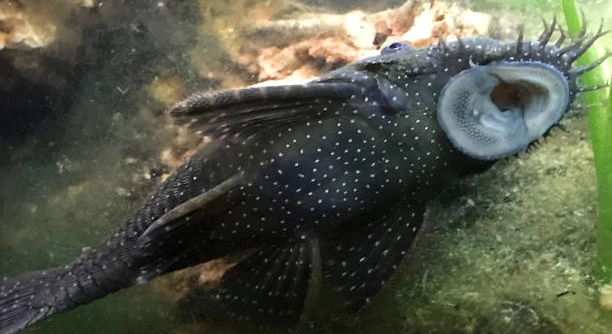
Plecos are fascinating fish that brighten up any aquarium with their calm presence and interesting habits. Observing them can be relaxing, and understanding their feeding patterns makes caring for them much easier. These fish have unique routines that owners should know.
Plecos generally eat the most during the evening and nighttime hours. Being primarily nocturnal, they are most active after the lights dim, which triggers their natural feeding behavior. This pattern is consistent across species and is influenced by environmental cues.
Knowing when plecos feed most can help you plan proper meals and maintain a healthy tank environment. Observing their habits ensures they get the nutrition they need consistently.
Understanding Pleco Feeding Habits
Plecos are bottom-dwelling fish that spend most of their day hiding or resting. They are nocturnal, which means their activity peaks at night. During the day, they often stay in caves, under driftwood, or behind plants, avoiding bright light. Their feeding behavior is closely linked to their natural instincts. In the wild, plecos graze on algae, biofilm, and small invertebrates along riverbeds during low-light hours. Tank conditions can influence their habits, but they typically follow a similar schedule. Providing hiding spots in your aquarium is important, as it mimics their natural environment and encourages healthy behavior. Observing when they emerge from hiding helps determine their feeding times. Many plecos prefer fresh vegetables and algae wafers in the evening. Understanding these patterns allows owners to feed efficiently and avoid overfeeding. Watching them adapt to your tank over time gives insight into their needs and ensures proper nutrition.
Feeding your pleco at night aligns with their natural activity, promoting better appetite and overall health.
Adjusting the lighting and feeding schedule to evening hours supports their nocturnal tendencies. Offering a variety of food ensures they receive adequate nutrition. Observing their response to meals can help refine feeding routines, preventing waste and maintaining water quality. Over time, plecos will develop a predictable pattern, making care simpler and more satisfying. Paying attention to their behavior allows you to notice any changes in health or activity early. Keeping a consistent schedule strengthens their immune system and encourages growth. With the right approach, plecos thrive and display more natural behaviors.
Best Foods for Plecos
Providing the right foods is key to maintaining a healthy pleco. Their diet should include a mix of algae, vegetables, and occasional protein supplements. Avoid overfeeding, as leftover food can degrade water quality.
Plecos thrive on a diet rich in fiber and low in processed ingredients. Vegetables such as zucchini, cucumber, and spinach are ideal. Algae wafers and sinking pellets supplement their grazing habits. Some species enjoy occasional protein treats like bloodworms or shrimp, but these should be offered sparingly. Feeding variety ensures nutritional balance and prevents deficiencies. Fresh, clean vegetables should be blanched or softened to ease consumption. Removing uneaten food promptly keeps the tank clean. Understanding individual species’ preferences allows for tailored feeding. Observing their eating habits helps identify the best schedule and portion sizes. A consistent diet promotes growth, strong immunity, and vibrant coloration. Monitoring water parameters ensures leftover food does not impact the tank environment. With careful attention to both quantity and quality, plecos will remain healthy, active, and content in the aquarium.
Signs Your Pleco is Hungry
Plecos become noticeably more active when hungry. They will leave hiding spots and start exploring the tank floor. You may see them grazing surfaces more frequently or nudging food that has been placed in the aquarium. Recognizing these signs helps in timing their meals effectively.
Hungry plecos often show interest in food even before it is offered. They may swim near the surface or hover around the feeding area, especially if they are accustomed to a regular schedule. Watching for these behaviors allows you to distinguish between normal activity and genuine hunger. Overfeeding can be avoided by observing how quickly they consume offered food. Adjusting portions to their appetite prevents leftover food from contaminating the tank. Maintaining a consistent feeding routine keeps plecos healthy and reduces stress. Noticing subtle changes in their movements or appearance can alert you to health issues early, making care more manageable and effective.
Some plecos display specific patterns when hungry, such as circling a favorite hiding spot or scraping algae-covered surfaces more vigorously. These behaviors indicate both appetite and instinctual feeding habits. Providing food during these periods ensures they receive adequate nutrition and reinforces their natural routine. Recognizing and responding to these signals strengthens your ability to maintain a balanced tank environment.
Evening Feeding Tips
Feeding plecos in the evening aligns with their nocturnal behavior. This timing encourages active feeding and reduces competition with other fish. Preparing food ahead ensures smooth feeding sessions.
Evening feeding should be consistent in timing and portion size. Offering food like algae wafers, blanched vegetables, or occasional protein supplements supports natural eating patterns. Observing how quickly plecos eat informs whether portions are appropriate, helping prevent waste and water quality issues. If other fish are present, placing food near the pleco’s preferred hiding spots reduces conflict. Using a dim light or red light can encourage nocturnal feeding without startling them. Gradually adjusting feeding times helps plecos adapt, ensuring they eat adequately and maintain health. Monitoring their response over several nights allows fine-tuning of both timing and types of food. Proper evening feeding enhances growth, activity, and overall well-being, making aquarium management simpler and more satisfying.
Adjusting Feeding Schedules
Plecos respond well to a consistent feeding schedule. Feeding at the same time each evening helps regulate their appetite. Sudden changes in timing may stress them or reduce food intake. Observing their behavior allows you to fine-tune the schedule gradually for optimal results.
Introducing small adjustments slowly is key. Shifting feeding times by 15–30 minutes over several days lets plecos adapt naturally. Keeping the routine predictable encourages active feeding and supports their nocturnal habits. Consistency ensures they remain healthy and reduces the risk of overfeeding or leftover food affecting water quality.
Portion Control
Proper portioning prevents uneaten food from contaminating the tank. Offer amounts that plecos can consume in one session. Removing excess food after 20–30 minutes maintains cleanliness and water quality.
Feeding Different Species
Not all plecos eat the same way. Some prefer more algae, while others enjoy vegetables or protein supplements. Understanding the specific species in your tank allows you to provide food that meets their nutritional needs. Observing eating habits and adjusting portions accordingly ensures each pleco thrives and maintains optimal health.
Monitoring Water Quality
Leftover food directly affects water quality. Regularly check ammonia, nitrite, and nitrate levels. Clean the tank promptly to maintain a healthy environment for plecos and other inhabitants.
FAQ
What time of day should I feed my pleco?
Feeding your pleco in the evening or at night works best. Plecos are nocturnal, meaning they are most active when lights are dim. Offering food during these hours encourages natural feeding behavior. Observing their activity patterns can help determine the exact timing for your specific tank setup.
How much should I feed my pleco?
Portion control is important. Offer only the amount your pleco can consume in 20–30 minutes. Overfeeding leads to leftover food, which can degrade water quality and cause stress. Watching how quickly your pleco finishes food helps adjust portions over time. A balanced diet includes algae wafers, vegetables, and occasional protein supplements.
Can plecos eat at different times than other fish?
Yes, plecos often feed at night while other fish are less active. Placing food near their hiding spots during the evening prevents competition. Some owners use sinking wafers or vegetables to ensure plecos get their share without conflict. Adjusting feeding schedules to their nocturnal nature supports health and growth.
What types of food do plecos prefer?
Plecos primarily eat algae, biofilm, and plant matter. In aquariums, blanched vegetables like zucchini, cucumber, and spinach work well. Algae wafers and sinking pellets are convenient supplements. Occasionally, protein treats like bloodworms or shrimp can be offered, but sparingly. Offering a variety ensures proper nutrition and prevents deficiencies.
How do I know if my pleco is hungry?
Hungry plecos show more activity, leave hiding spots, and explore the tank floor. They may scrape surfaces or hover near the feeding area. Observing these behaviors helps distinguish between routine activity and genuine hunger. Feeding during these times ensures they receive enough nutrition.
Is it okay to feed plecos during the day?
Feeding during the day is possible, but they are less active and may not eat as much. Feeding in dim light or near their favorite hiding spots can help, but evening feedings remain more effective. Maintaining a consistent routine supports healthy growth and reduces stress.
How often should plecos be fed?
Most adult plecos do well with one feeding per day in the evening. Younger or more active species may require small additional feedings. Observing consumption and adjusting frequency prevents overfeeding and maintains water quality. Feeding consistently at the same time encourages predictable behavior and appetite.
What should I do with leftover food?
Remove uneaten food after 20–30 minutes to prevent decay. Leftover food increases ammonia and nitrate levels, which can harm plecos and other fish. Regular cleaning and monitoring water quality are essential. Using sinking food near plecos’ hiding spots reduces leftover waste.
Do plecos eat live plants?
Some species may nibble on live plants, especially soft-leaved varieties. Providing blanched vegetables ensures they get adequate nutrition without damaging tank plants. Hardier plants can withstand occasional grazing, but monitoring their behavior helps protect delicate flora.
Can feeding affect water quality?
Yes. Overfeeding or leaving food in the tank increases ammonia, nitrites, and nitrates. This can stress plecos and other fish, promoting algae blooms or disease. Monitoring feeding portions, removing leftovers, and performing regular water tests maintain a healthy environment for all inhabitants.
Are there signs my pleco is not eating enough?
Signs include weight loss, dull coloration, or reduced activity. They may hide more often or ignore offered food. Adjusting the feeding schedule, providing preferred foods, and ensuring no competition from other fish can help them eat adequately. Observing behavior and appearance regularly prevents nutritional deficiencies.
Should I adjust feeding based on season or tank temperature?
Plecos may eat less in cooler temperatures due to slower metabolism. During warmer months or when water is optimal, appetite increases. Adjusting portions and monitoring consumption according to seasonal activity helps maintain proper nutrition and avoids overfeeding.
How long can plecos go without food?
Healthy adult plecos can survive several days without food, but this is not recommended regularly. Young or sick plecos are more sensitive. Maintaining a consistent feeding routine ensures they remain healthy and reduces stress. Monitoring their habits is essential for proper care.
Can plecos overeat?
Yes. Overeating leads to obesity, poor water quality, and digestive issues. Avoid leaving food in the tank for long periods. Stick to measured portions, observe consumption, and adjust diet as needed. Proper portion control supports longevity and overall well-being.
What is the best way to introduce new foods?
Introduce new foods gradually. Start with small amounts alongside familiar foods. Observe if the pleco eats it and monitor for digestive issues. Gradual introduction helps them accept a variety of foods while maintaining health. Rotating vegetables and protein supplements ensures a balanced diet.
Are there foods to avoid for plecos?
Avoid processed human foods, oily items, and anything high in starch or sugar. These can harm digestion and water quality. Stick to vegetables, algae-based wafers, and occasional protein supplements appropriate for their size and species. Observing their response ensures safe and effective feeding.
How does lighting affect feeding?
Plecos feed more when lighting is dim or during nighttime hours. Bright daytime light can make them hide and eat less. Using dim lighting or a red light during feedings encourages natural activity without disturbing other fish. Adapting lighting to their nocturnal habits improves feeding efficiency.
Can feeding frequency change as plecos grow?
Yes. Younger plecos may need more frequent feedings to support growth. Adult plecos generally require one consistent feeding per day. Observing consumption and growth ensures feeding frequency matches their developmental needs, keeping them healthy and active.
Is it necessary to soak or prepare food before feeding?
Blanching vegetables like zucchini, cucumber, or spinach softens them and makes it easier for plecos to eat. Algae wafers or sinking pellets can be offered directly. Preparing food properly prevents waste and ensures plecos can consume it effectively, promoting good nutrition and health.
How do I manage feeding if I have multiple plecos?
Ensure all plecos get access to food by placing it near hiding spots or using multiple feeding stations. Monitor consumption to avoid dominance by more aggressive individuals. Adjust portions and locations as needed to ensure equitable feeding and maintain water quality.
Can feeding routines reduce aggression in the tank?
Yes. Consistent and well-placed feeding reduces competition and stress among plecos and other fish. Providing food near their preferred hiding areas and at appropriate times helps maintain peace and encourages healthy feeding behavior throughout the tank.
What are the signs of food preference in plecos?
Plecos may focus on certain vegetables or wafers, leaving other food untouched. Observing which items are consumed first indicates preferences. Offering a variety of foods ensures they receive complete nutrition while catering to their natural inclinations. Preferences may also vary by species.
How long should I observe feeding before making adjustments?
Observe feeding for several days to a week. Note consumption, behavior, and leftovers. This period helps determine appropriate portion sizes, timing, and food types. Gradual adjustments based on observation support health, growth, and tank cleanliness. Tracking patterns makes long-term care more manageable.
Does stress affect pleco feeding?
Stress reduces appetite. Factors like poor water quality, aggressive tank mates, or sudden changes in lighting or environment can make plecos eat less. Identifying and addressing stressors ensures consistent feeding, overall health, and active behavior. Regular monitoring helps catch issues early and maintain a balanced environment.
Can feeding help with color enhancement?
Yes. Certain foods, like vegetables rich in carotenoids and high-quality algae wafers, can enhance coloration over time. Consistent feeding with varied, nutrient-rich options promotes vibrant appearance and overall health. Observing the effect helps refine the diet to achieve the best results.
How should I store pleco food?
Keep food in a cool, dry place to maintain freshness. Algae wafers and pellets should be sealed to prevent moisture exposure. Blanched vegetables should be stored in the fridge and offered within a few days. Proper storage ensures food quality, taste, and nutritional value remain high.
Can plecos eat frozen or dried foods?
Yes, but preparation is important. Thaw frozen protein treats before feeding. Dried foods like bloodworms or shrimp should be rehydrated or offered sparingly. Using these foods occasionally supplements diet without compromising water quality or pleco health.
Do plecos need supplements beyond regular food?
In most cases, a balanced diet of vegetables, algae wafers, and occasional protein treats is sufficient. Some species may benefit from calcium or vitamin supplements, especially if water conditions lack minerals. Observe growth, health, and activity to determine if supplementation is necessary.
How do I transition a pleco to a new feeding routine?
Change feeding times and food types gradually. Introduce new food alongside familiar options and adjust timing by 10–15 minutes each day. Monitoring consumption and behavior during the transition ensures the pleco adapts smoothly without stress or skipped meals.
What is the impact of overfeeding on other fish?
Excess food increases ammonia and nitrates, stressing all tank inhabitants. It can cause algae blooms and reduce oxygen levels, leading to illness. Controlling portions, feeding at appropriate times, and removing leftovers protects water quality and ensures the health of plecos and other fish.
Can plecos become picky eaters?
Yes, they may favor certain foods over others. Offering a variety and rotating vegetables and wafers encourages balanced nutrition. Gradual introduction of new items helps prevent pickiness and ensures they receive all necessary nutrients for growth, immunity, and vitality.
How can I tell if my pleco is overweight?
Overweight plecos appear rounder, with reduced activity. They may have difficulty maneuvering in the tank. Adjusting portion sizes, increasing feeding efficiency, and maintaining a consistent schedule helps manage weight and prevents health issues. Observation and portion control are essential for long-term care.
What feeding habits indicate a healthy pleco?
A healthy pleco actively grazes in the evening, consumes offered food fully, and maintains steady growth. Regular activity, vibrant coloration, and predictable eating patterns are positive indicators. Monitoring these habits allows early detection of health problems and ensures proper care.
How do I balance feeding multiple species in the same tank?
Feed different species based on their activity periods. Plecos in the evening, surface feeders in the morning or afternoon. Using multiple feeding stations and portion control ensures all species receive adequate nutrition without stress or food competition. Observation is key to successful coexistence.
Can feeding routines affect reproduction?
Consistent, nutrient-rich feeding supports reproductive health. Providing proper portions and variety ensures plecos have energy and nutrients for spawning. Observing behavior and adjusting diet for breeding species helps maintain optimal conditions and encourages natural reproductive cycles.
What adjustments are needed for sick or recovering plecos?
Offer easily digestible food in smaller portions. Feed during peak activity periods and remove leftovers promptly. Monitor consumption closely and adjust based on appetite. Proper feeding supports recovery while minimizing water contamination and stress.
How long does it take for plecos to adapt to a new diet?
Adaptation may take several days to a couple of weeks. Introduce new foods gradually, observe acceptance, and adjust portions as needed. Patience ensures plecos transition without stress and continue to receive adequate nutrition. Monitoring behavior and health is essential throughout the process.
Can feeding routines influence pleco lifespan?
Yes. Consistent, balanced feeding supports growth, immunity, and activity levels, contributing to a longer lifespan. Poor feeding practices, overfeeding, or inconsistent schedules can shorten life expectancy and lead to health issues. Regular observation and proper care are critical for longevity.
Are there differences in feeding between common pleco species?
Yes. Some species prefer more plant matter, while others require higher protein intake. Researching the specific species’ natural diet ensures proper nutrition. Observing consumption patterns and adjusting food type and portions helps maintain health and supports species-specific needs.
How often should I rotate foods?
Rotating foods every few days or weekly ensures a balanced diet and prevents nutrient deficiencies. Combining vegetables, algae wafers, and occasional protein treats provides variety while keeping feeding interesting for the pleco. Observation ensures each type is consumed adequately.
What is the best way to encourage picky plecos to eat vegetables?
Blanching or softening vegetables makes them easier to eat. Placing food near hiding spots and offering familiar items alongside new vegetables encourages acceptance. Gradual introduction helps plecos adapt without stress while ensuring proper nutrition and variety in their diet.
Can overfeeding lead to disease in plecos?
Yes. Excess food promotes bacterial and fungal growth, increases ammonia, and stresses the immune system. Overfed plecos are more prone to infections and digestive issues. Controlling portions and removing leftovers helps prevent disease and maintain a healthy tank environment.
How do I know if my pleco is getting enough protein?
Plecos primarily need plant-based food, but occasional protein supplements support growth and vitality. Observing activity, growth rate, and body condition indicates whether protein intake is sufficient. Adjusting diet with small portions of protein treats ensures balanced nutrition.
Are frozen or live foods better for plecos?
Both can be used sparingly. Frozen foods are convenient and safe, while live foods stimulate natural hunting instincts. Either option should complement a base diet of vegetables and algae wafers. Monitoring consumption and water quality ensures proper integration into their feeding routine.
Should I feed plecos before or after water changes?
Feeding after water changes is better. Water changes can stress plecos and alter their feeding behavior. Offering food once the tank is stable encourages normal eating and prevents food from being missed or wasted during adjustments.
Can feeding schedules reduce nocturnal tank mess?
Yes. Feeding consistently at night and removing leftovers quickly minimizes debris buildup. Proper portioning and timed feedings prevent uneaten food from contaminating water, keeping the tank cleaner and reducing maintenance. Observing habits ensures efficient feeding routines.
How do I handle multiple plecos with different feeding preferences?
Provide food at multiple locations and adjust types based on individual preferences. Observing consumption ensures all plecos get adequate nutrition. Separating dominant individuals if necessary reduces competition. Consistent monitoring and adjustments keep everyone healthy and reduce conflict.
What is the role of biofilm in pleco nutrition?
Biofilm is a natural food source for plecos, containing algae, microorganisms, and nutrients. Leaving surfaces for grazing supports natural behavior and provides essential nutrients. Supplementing with vegetables and wafers ensures a complete diet and maintains health.
How can I tell if a pleco is stressed by feeding routines?
Signs include hiding excessively, ignoring food, or erratic swimming. Adjusting feeding timing, portions, and placement can reduce stress. Monitoring behavior daily helps maintain a routine that supports appetite, activity, and overall well-being.
Are there feeding techniques that improve pleco health?
Yes. Consistent timing, portion control, variety, and proper placement near hiding spots support health. Observing preferences and activity levels allows adjustments, ensuring nutrition, growth, and immunity remain optimal. Attention to detail in feeding directly benefits longevity and overall vitality.
Can plecos eat floating foods?
Plecos are bottom dwellers and prefer sinking foods. Floating foods may be ignored or eaten by other fish first. Sinking pellets, wafers, and vegetables placed near the bottom encourage proper consumption and reduce waste, supporting both nutrition and tank cleanliness.
How important is observation during feeding?
Observation is essential. It allows you to monitor consumption, detect health issues, and adjust portions or food types. Watching behavior provides insight into hunger, preferences, and stress, making feeding more effective and ensuring plecos remain healthy and active.
What are the consequences of irregular feeding?
Irregular feeding can cause stress, reduce appetite, and lead to nutritional deficiencies. Plecos may become inactive, hide more, or compete aggressively when food is offered. Maintaining a predictable routine supports natural behavior, growth, and overall tank health.
Do plecos benefit from fasting days?
Occasional fasting for one day can mimic natural conditions and help regulate digestion. Do not fast for extended periods. Observing their reaction ensures it does not negatively affect health or behavior. Fasting can be part of a controlled feeding routine.
How do I transition plecos to a new food type?
Introduce small amounts alongside their current diet. Gradually increase the new food while decreasing the old. Observing acceptance and consumption ensures adaptation without stress. This method prevents waste, ensures proper nutrition, and supports long-term dietary changes.
Can feeding routines prevent boredom?
Yes. Offering variety in food types and placement stimulates natural foraging behavior. Regularly rotating vegetables and wafers encourages exploration and grazing, reducing inactivity. Engaging feeding routines contribute to mental stimulation, activity, and overall pleco well-being.
How does tank size affect feeding?
Larger tanks may require multiple feeding locations to ensure all plecos access food. Observing consumption helps adjust portions and placement. Proper feeding in appropriate spaces prevents competition, reduces stress, and maintains water quality in larger environments.
What is the best way to feed nocturnal plecos without disturbing other fish?
Use dim or red lighting and place sinking food near pleco hiding spots. This encourages feeding without stressing diurnal fish. Gradually adjusting timing and monitoring consumption ensures all fish receive proper nutrition while maintaining peaceful tank dynamics.
Are there seasonal changes in pleco appetite?
Yes. Appetite may decrease in cooler months and increase in warmer months due to metabolic changes. Adjust portions and observe consumption to match seasonal needs. Maintaining a consistent schedule with minor adjustments keeps plecos healthy year-round.
Can plecos eat frozen vegetables?
Yes, if properly thawed and softened. Frozen vegetables can be a convenient alternative to fresh options. Blanching ensures they are easy to consume and maintains nutritional content. Offer in moderation to avoid water contamination.
How do I handle picky plecos in community tanks?
Place food near their hiding spots and use sinking wafers to ensure access. Observe eating behavior and adjust portions to avoid waste. Rotating vegetables and protein supplements encourages balanced nutrition while minimizing conflict with other tank mates.
Is it necessary to track feeding times and portions?
Yes. Tracking ensures consistency, prevents overfeeding, and helps monitor appetite and health. It provides insight into patterns, allows for adjustments, and helps maintain water quality. Regular tracking supports long-term pleco care and wellbeing.
Can feeding influence behavior outside the tank?
Proper feeding promotes active grazing, exploration, and natural behavior. Irregular or inadequate feeding may lead to stress, aggression, or lethargy. Observing how plecos respond to food helps maintain a balanced, healthy, and peaceful tank environment.
Do plecos have favorite foods?
Individual plecos may prefer certain vegetables or wafers. Observing consumption patterns identifies preferences. Offering variety ensures they receive complete nutrition while accommodating tastes. Preferences may change over time or with species differences, so monitoring and adapting is important.
How long should a feeding session last?
Feeding sessions should last 20–30 minutes. This allows plecos to consume food without leaving excess that can spoil. Longer sessions increase risk of water quality issues and
Final Thoughts
Understanding pleco feeding habits is essential for keeping them healthy and active. These fish are nocturnal, meaning they are naturally more active in the evening and nighttime hours. Feeding them during this period aligns with their natural behavior and ensures they consume the proper amount of food. Observing their patterns and adjusting feeding schedules accordingly helps prevent overfeeding and reduces leftover food that can harm water quality. A consistent routine makes caring for plecos easier and helps maintain a balanced aquarium environment for all fish.
Providing the right foods is equally important. Plecos thrive on a combination of algae, vegetables, and occasional protein supplements. Fresh vegetables like zucchini, cucumber, and spinach are ideal, while algae wafers and sinking pellets offer convenient supplementation. Protein options, such as bloodworms or shrimp, should be offered sparingly, as plecos primarily rely on plant-based nutrition. Rotating foods and observing individual preferences ensures that each pleco receives adequate nutrition without causing stress or competition. Paying attention to portion sizes and removing uneaten food helps maintain water quality and reduces the risk of illness. Offering a variety of foods also supports growth, vibrant coloration, and overall vitality.
Monitoring your pleco’s behavior is a key part of proper care. Signs of hunger, such as increased activity, scraping surfaces, or hovering near hiding spots, indicate the best times to feed. Conversely, reduced appetite, lethargy, or avoiding food may signal health issues or stress. Consistent observation helps identify these patterns early, allowing for adjustments to feeding schedules, portion sizes, and food types. Maintaining proper lighting, tank conditions, and hiding spots further encourages natural feeding behavior. By understanding their needs and habits, you can ensure plecos remain healthy, active, and well-nourished while enjoying a thriving aquarium environment. Proper care, patience, and attention to detail make all the difference in supporting long-term health and well-being for these unique and fascinating fish.

Hello,
If you enjoy the content that we create, please consider saying a "Thank You!" by leaving a tip.
Every little bit helps us continue crafting quality advice that supports the health, happiness, and well-being of pets around the world, for pets of all shapes, sizes, and species.
We really appreciate the kindness and support that you show us!