
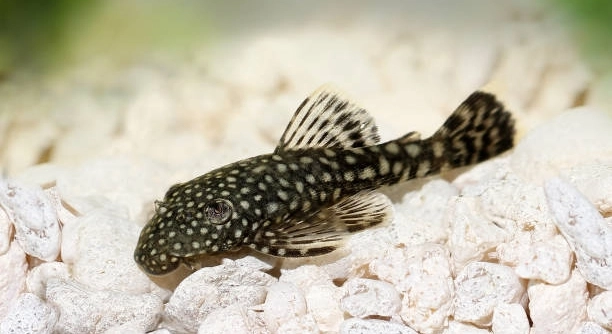
Have you ever set up a peaceful community tank but noticed your pleco seems to avoid its neighbors entirely? Even in a well-maintained aquarium, these fish often keep to themselves, making observation both intriguing and puzzling.
Plecos often ignore tank mates due to their nocturnal habits, territorial instincts, and specific dietary needs. These behaviors are natural, allowing them to conserve energy, avoid conflict, and focus on algae or specialized foods without interference from other fish.
Understanding these subtle behaviors can help improve your tank management and create a more harmonious environment for all your aquatic pets.
Nocturnal Nature of Plecos
Plecos are mostly active at night, which can make it seem like they are ignoring other fish. During the day, they often hide in caves, under driftwood, or behind plants. This behavior is normal and helps them feel safe. They rely on darkness to explore the tank, search for food, and establish territories without confrontation. Observing them during the day may show very little movement, but this is their natural pattern. Some plecos may become more visible around feeding times or if they feel secure in their environment. Even in community tanks, they tend to keep a low profile, avoiding bright areas or open water. Their nocturnal habits mean they may not interact with tank mates in ways other fish do. Patience is key when keeping plecos, and understanding their daily rhythms helps prevent unnecessary worry about social behavior.
These fish being nocturnal does not indicate illness. They are simply following their natural activity cycle.
Allowing your pleco to have hiding spots and shaded areas encourages natural behavior while keeping tank mates undisturbed, creating a peaceful coexistence.
Territorial Behavior
Plecos often claim areas in the tank as their own. They may defend these spots, especially if resources like algae or driftwood are limited.
Territorial instincts can lead plecos to ignore other fish, focusing on their designated space. Conflicts are rare when the tank has sufficient hiding spots, decorations, and food sources. Providing multiple caves or driftwood pieces reduces stress and encourages them to explore without feeling threatened. Overcrowded tanks increase tension, causing plecos to retreat and remain distant. Observing how a pleco marks its area, often through rubbing or settling in a preferred spot, reveals its need for personal space. Adjusting the tank layout or adding more structures can help plecos feel secure while coexisting with other fish. Properly sized tanks allow plecos to move freely without constantly encountering neighbors. By respecting these territorial behaviors, tank owners can maintain a calm and balanced aquatic environment for all species.
Dietary Preferences
Plecos focus on algae, vegetables, and specialized sinking foods. They often ignore other fish because their meals are on the tank bottom, away from active swimmers.
Many plecos have very specific dietary needs, preferring certain types of algae wafers, zucchini slices, or blanched vegetables. Their feeding habits keep them occupied in one area, which naturally reduces interaction with tank mates. Some species may also consume driftwood, scraping it for nutrients, further limiting their interest in nearby fish. These eating patterns are instinctive, allowing them to maintain energy and grow properly. In community tanks, providing enough food and variety helps prevent stress and ensures plecos stay healthy without competing aggressively with other fish.
Ignoring other fish is often a reflection of their focused feeding behavior rather than social disinterest. When they have access to preferred foods, plecos tend to thrive quietly, maintaining their calm and low-profile presence.
Stress and Environmental Factors
Stress can make plecos retreat and avoid tank mates, especially when conditions are not ideal.
Poor water quality, sudden temperature changes, or overcrowding can lead plecos to hide or become more withdrawn. Stress impacts their immune system, growth, and activity, so it is important to maintain consistent water parameters and avoid frequent disturbances. Proper filtration, regular water changes, and monitoring temperature help create a stable environment. Overcrowded tanks can heighten stress, as plecos need space to establish territories and feel secure. Hiding places such as caves, driftwood, and plants are essential to reduce stress and support natural behaviors. Environmental stability encourages plecos to explore more confidently while maintaining their health and reducing aggressive tendencies toward tank mates.
Stress can also result from incompatible tank mates. Fast, aggressive, or overly curious fish can make plecos feel threatened, prompting them to retreat. Choosing peaceful species and monitoring interactions ensures plecos remain calm. Creating zones within the tank, with shaded areas and open swimming spaces, allows plecos to avoid constant encounters. By managing environmental factors and observing behavior, owners can reduce stress and help plecos coexist peacefully with other fish.
Compatibility with Tank Mates
Plecos tend to ignore fish that are more active or aggressive. They prefer calm companions and space to move without interference.
Peaceful community fish reduce stress for plecos, allowing them to focus on feeding and resting. Fast swimmers or territorial species may cause them to hide more often.
Size and Growth
As plecos grow, they often become more reclusive. Larger size requires more territory and hiding spaces. Providing adequate space and structures prevents them from feeling crowded and allows them to maintain their natural behaviors. Smaller tanks or insufficient shelters can lead to constant hiding, limiting interaction with other fish. Proper tank planning ensures plecos remain healthy and comfortable while coexisting with community species.
Individual Personality
Each pleco has a unique temperament. Some are naturally social, while others prefer solitude and consistent routines.
FAQ
Why does my pleco hide all the time?
Plecos are naturally shy and nocturnal. They feel safest in dark or sheltered areas like caves, plants, or driftwood. Hiding allows them to conserve energy and avoid stress from bright lights or active tank mates. Providing multiple hiding spots helps them feel secure and reduces tension.
Can plecos coexist with aggressive fish?
Aggressive fish can stress plecos, causing them to hide or act defensively. While some plecos tolerate mild fin-nippers, consistently aggressive tank mates will limit their activity. Peaceful community fish are best. Ensuring the pleco has plenty of space and shelters helps reduce encounters and stress.
Do plecos need their own territory?
Yes. Most plecos are territorial, especially larger species. They establish favorite spots for feeding or resting. Adequate hiding places and space reduce conflicts and allow multiple plecos to coexist. Territorial behavior is natural and not a sign of poor health.
Why doesn’t my pleco interact with other fish?
Plecos are bottom dwellers and focus on algae, driftwood, or sinking foods. They naturally ignore mid- and top-level swimmers. Social interaction is limited by instinct, and they may not respond to active tank mates. Providing enough food and hiding spaces ensures they remain healthy despite minimal interaction.
How can I encourage my pleco to be more visible?
Plecos may become more active during feeding times or in dim lighting. Offering favorite foods like zucchini, cucumber, or algae wafers near open areas can encourage them to explore. Adjusting light cycles or providing shaded zones allows them to feel safe while becoming more observable.
Is my pleco ignoring me because it is sick?
Not necessarily. Plecos are naturally reclusive, especially during the day. Sudden lethargy, unusual hiding, or changes in appetite may indicate illness. Monitoring behavior and water quality ensures health. If concerning signs persist, consulting a professional is recommended.
Do plecos get along with other plecos?
Multiple plecos can coexist if the tank is large enough and offers sufficient hiding spots. Crowding increases territorial disputes. Smaller species or younger plecos are more tolerant of companions. Observing interactions and providing distinct territories reduces stress and allows peaceful sharing of space.
Will plecos ever become friendly with humans?
Some plecos may recognize feeding routines and swim closer during meals. However, they are not social fish by nature. They may respond to repeated, calm interactions but will generally prefer solitude. Patience and consistency help them feel safe without forcing interaction.
What environmental factors make plecos ignore other fish?
High stress from poor water quality, overcrowding, or sudden changes can make plecos retreat. Proper filtration, regular water changes, and stable temperatures encourage natural behavior. Adequate decorations and hiding places let them establish territory while coexisting peacefully with tank mates.
How do I know my pleco is happy despite ignoring others?
A healthy pleco maintains consistent feeding habits, displays normal coloration, and uses hiding spots comfortably. Occasional exploration of the tank and interaction with food indicates well-being. Even without socializing, plecos can thrive when their environmental and dietary needs are met.
Can plecos adapt to more social behavior over time?
Some plecos gradually become more active and visible as they acclimate to tank conditions and safe companions. However, this varies by individual personality and species. Respecting their natural tendencies ensures long-term health and reduces stress for both the pleco and other fish.
What are the signs of territorial disputes among plecos?
Rubbing, chasing, or brief aggression toward other bottom-dwellers signals territory defense. Providing multiple shelters and adequate space minimizes conflict. Most disputes are mild if the environment meets their needs, but persistent aggression may require tank rearrangement or separating individuals.
Does lighting affect pleco behavior?
Yes. Bright lighting can cause plecos to hide more frequently. Low or dim lighting simulates natural nocturnal conditions, encouraging activity. Timed light cycles help maintain predictable behavior patterns and reduce stress, allowing them to coexist with other fish without unnecessary retreat.
Are certain tank mates better for plecos than others?
Peaceful mid- and top-level swimmers work best. Active, non-aggressive species that occupy different levels of the tank reduce stress for plecos. Avoid fin-nipping or territorial species that compete for bottom resources. Careful selection ensures a harmonious community tank with minimal interference.
How much space does a pleco need to coexist with others?
Tank size depends on species, but most need at least 30–50 gallons per adult pleco. Larger tanks reduce territorial disputes and allow hiding spots, feeding zones, and open swimming areas. Proper spacing encourages healthy behavior and reduces stress caused by constant proximity to other fish.
Do plecos ignore tank mates more during certain seasons?
Seasonal changes in light, temperature, or feeding can influence activity. Plecos may hide more during warmer months if water quality fluctuates. Consistent environmental conditions and proper care help maintain predictable behavior regardless of seasonal changes.
Can diet influence social behavior in plecos?
Yes. Insufficient food or lack of preferred items can make plecos more defensive or withdrawn. Offering varied diets with algae, vegetables, and specialized sinking foods keeps them occupied and reduces unnecessary competition or stress from tank mates.
How do I balance multiple plecos in one tank?
Provide distinct territories, multiple hiding spots, and ample food. Observe interactions to ensure no individual is consistently stressed. Proper planning reduces territorial disputes and encourages peaceful coexistence, even if plecos largely ignore each other socially.
What’s the best way to monitor pleco health without constant interaction?
Check coloration, activity during feeding, and use of shelters. Water testing and routine tank maintenance ensure a stable environment. Observing subtle behaviors like grazing, resting, and occasional movement helps gauge well-being even when they avoid other fish.
Are some pleco species naturally more social than others?
Yes. Species like bristlenose plecos may explore more and tolerate companions, while common plecos often remain solitary and reclusive. Understanding species-specific traits helps set realistic expectations for interactions and tank management.
How long does it take for a pleco to settle into a new tank?
It can take several weeks. During this time, they may hide more and ignore other fish. Gradual acclimation, stable water conditions, and proper hiding spaces allow plecos to adjust while maintaining health and natural behavior.
Can plecos be trained to respond to feeding cues?
To some extent. Plecos can learn where food is placed and may appear during feeding times. However, they remain cautious and prefer routine rather than active social interaction. Consistency helps reinforce predictable behavior without forcing interaction.
What are common mistakes that make plecos avoid other fish?
Overcrowding, poor water quality, lack of hiding spots, and incompatible tank mates are frequent causes. Ignoring species-specific needs or sudden environmental changes also increases stress. Addressing these issues allows plecos to maintain natural behavior while coexisting safely with others.
Do plecos show affection toward tank mates?
Not in the traditional sense. Plecos do not form social bonds like schooling fish. They may tolerate the presence of other peaceful species but primarily focus on feeding, resting, and territory, showing contentment through normal behavior rather than interaction.
Can plecos live happily alone in a tank?
Yes. Plecos are solitary by nature and do not require companions. A single pleco with proper space, hiding places, and diet can thrive, making them suitable for tanks without multiple bottom-dwellers. This reduces potential stress and territorial conflicts.
How important is water quality for pleco behavior?
Extremely important. Poor water quality stresses plecos, causing hiding and reduced activity. Regular testing, filtration, and water changes maintain optimal conditions. Stable water encourages feeding, exploration, and calm coexistence with tank mates, allowing plecos to behave naturally without excessive retreat.
Do plecos ever play or interact with objects?
They often interact with driftwood, rocks, or algae surfaces. This behavior is instinctive for feeding and territory marking rather than play. Providing enrichment through natural tank elements keeps them engaged and supports mental and physical health while still avoiding unnecessary contact with other fish.
Can plecos change behavior as they age?
Yes. Juvenile plecos may explore more, while adults become more territorial and reclusive. Understanding these life stage changes helps manage tank setups, provide adequate hiding spots, and set realistic expectations for social interaction within the aquarium.
How can I tell if my pleco is stressed versus naturally shy?
Stress shows as rapid hiding, loss of appetite, unusual swimming, or color changes. Natural shyness involves consistent hiding during the day, grazing at night, and using shelters comfortably. Monitoring behavior and maintaining stable conditions ensures plecos remain healthy even when reclusive.
What type of substrate is best for plecos?
Soft sand or smooth gravel is ideal, allowing safe grazing and minimizing injury. Sharp substrates can stress or harm their delicate fins and undersides. Proper substrate encourages natural feeding behavior while supporting calm interactions with other tank mates.
How often should I feed my pleco?
Most plecos do well with feeding once daily or every other day, depending on species and tank conditions. Overfeeding can foul water and increase stress. Offering algae wafers, vegetables, and occasional protein treats keeps them healthy without affecting natural behavior toward other fish.
Do plecos need hiding spots even in large tanks?
Yes. Regardless of size, plecos need caves, driftwood, or plant cover. Hiding places reduce stress, allow territorial expression, and provide safe retreats. This ensures they maintain natural patterns without being forced into constant interaction with tank mates.
Can plecos coexist with shrimp or snails?
Generally, yes. Plecos typically ignore slow-moving invertebrates while focusing on algae or driftwood. Some larger species may accidentally harm smaller invertebrates, so monitoring interactions is recommended. Proper tank design allows peaceful coexistence without conflict.
Are plecos sensitive to tank rearrangements?
Yes. Moving decorations, hiding spots, or plants can stress them, causing withdrawal. Gradual adjustments and maintaining familiar areas help plecos feel secure while still allowing natural exploration and interaction with other fish.
Does temperature affect pleco activity?
Temperature outside their preferred range can reduce activity or increase hiding. Maintaining stable, species-appropriate temperatures promotes feeding, exploration, and calm behavior, allowing plecos to coexist with tank mates without unnecessary stress or retreat.
How do I know if my pleco is comfortable with tank mates?
Indicators include consistent feeding, normal coloration, occasional movement outside shelters, and minimal aggression. Comfort is also shown by exploring the tank during preferred active periods without excessive hiding or stress responses to other fish.
Can plecos be too shy to ever be seen?
Some individuals may remain mostly hidden, especially larger or naturally timid species. This is normal if environmental needs are met, including food, hiding spots, and calm tank mates. Their presence can still benefit the tank ecosystem despite minimal visibility.
Are plecos more active at night?
Yes. Nocturnal habits make plecos most active during low light or after lights out. They focus on feeding, exploring the tank bottom, and maintaining territory, which naturally limits daytime interaction with other fish while supporting their health.
Do plecos require decorations for mental stimulation?
Yes. Driftwood, caves, and plants provide physical activity, grazing surfaces, and security. These elements allow plecos to express natural behaviors and reduce boredom, stress, and unnecessary interaction with tank mates, ensuring long-term well-being.
Can plecos recognize feeding locations?
Over time, plecos may associate specific areas with food, appearing at those spots regularly. This is instinctive rather than social behavior, showing learning and routine adherence rather than interest in interacting with other fish.
How important is tank size for multiple plecos?
Larger tanks reduce territorial disputes and stress. Each pleco needs space to establish its area, graze, and hide. Adequate size ensures peaceful coexistence, prevents overcrowding, and allows all fish to maintain natural behavior without constant confrontation.
Can plecos coexist with schooling fish?
Yes. Plecos generally stay at the bottom and ignore mid- and top-level schooling fish. Peaceful schooling species add activity above the substrate without interfering with pleco feeding or territory, creating a balanced tank ecosystem.
Do plecos need driftwood for health?
Many species consume driftwood for nutrients. Providing wood supports digestion, natural scraping behavior, and territorial expression. It also offers hiding spaces, reducing stress and interaction with other fish, while promoting well-being.
How long do plecos live in captivity?
Depending on species, plecos can live 10–20 years with proper care. Long lifespan requires stable water conditions, adequate diet, and safe environment. Their tendency to ignore other fish does not affect longevity when needs are met.
Is it normal for plecos to be solitary?
Yes. Most plecos prefer solitude. Even in community tanks, they maintain independence, focusing on feeding and resting rather than interacting socially. Solitary behavior is natural and does not indicate health issues.
Can plecos adapt to new tank mates over time?
Some may tolerate new tank mates gradually. Providing space, hiding spots, and peaceful companions helps reduce stress. However, plecos often remain distant and focused on their own routines, reflecting their natural instincts rather than social rejection.
How can I tell if my pleco is thriving?
Healthy plecos eat regularly, maintain coloration, explore hiding spots, and display normal nocturnal activity. Even if they avoid other fish, these signs indicate comfort, proper nutrition, and a well-maintained environment.
Do plecos interact with other bottom dwellers?
Interaction is minimal and mostly territorial. Plecos focus on algae or driftwood, avoiding unnecessary conflict. Adequate space and shelters allow them to coexist with other bottom-dwellers without aggression.
Are plecos affected by overfeeding other fish?
Yes. Excess food can decay, affecting water quality and stressing plecos. Controlled feeding and removing uneaten items maintain clean conditions, ensuring plecos remain healthy and behave naturally around other fish.
Can plecos learn feeding schedules?
Yes. They recognize consistent feeding times, appearing at the substrate or preferred areas. Learning is instinctive and not social, helping them feel secure and maintain routines without interacting with tank mates.
Do plecos ever show curiosity toward humans?
Some plecos may approach during feeding, observing movements, but they remain cautious. Curiosity is limited and does not indicate sociability, reflecting their instinct to assess potential threats rather than seek interaction.
Is it normal for plecos to ignore all tank mates?
Yes. Natural tendencies, nocturnal habits, dietary focus, and territorial behavior contribute to this. Ignoring other fish is typical and not a concern when plecos display healthy eating, movement, and coloration.
How important is tank maintenance for pleco behavior?
Critical. Stable water parameters, clean substrate, and proper filtration reduce stress. Regular maintenance ensures plecos continue natural behaviors, interact minimally yet safely with other fish, and remain healthy over the long term.
Can plecos thrive in a tank without hiding spots?
They may survive, but stress increases, leading to excessive hiding in corners or lethargy. Providing caves, driftwood, and plants is essential for comfort, security, and natural behavior, even if they remain largely solitary.
Do plecos ever fight with other plecos?
Occasionally, especially in limited space or with insufficient shelters. Mild chasing or rubbing is common but usually not harmful. Adequate territory and hiding spots prevent prolonged disputes and ensure peaceful coexistence.
Can plecos live with aggressive bottom dwellers?
Not ideally. Aggressive species increase stress, hiding, and defensive behavior. Peaceful bottom dwellers or solitary setups are safer, allowing plecos to maintain normal routines and avoid unnecessary conflict.
How do I prevent plecos from being stressed by tank mates?
Provide adequate space, multiple shelters, and peaceful species. Maintain water quality, stable temperatures, and consistent feeding. Observing interactions and adjusting tank setup ensures plecos feel secure while minimizing unnecessary hiding or avoidance behavior.
Do plecos prefer specific tank decorations?
Caves, driftwood, and broad-leaf plants are favored for hiding, grazing, and territory. Natural elements mimic their habitat, reduce stress, and encourage healthy behaviors, while allowing peaceful coexistence with other fish.
How can I encourage a pleco to explore more?
Offer food in different areas, provide low lighting, and arrange multiple shelters. Gradual exposure to open spaces without threats encourages movement while maintaining comfort and safety in the tank.
Is it normal for plecos to ignore humans?
Yes. They are cautious by nature. Any approach is usually linked to feeding or curiosity, but plecos generally prioritize territory, hiding, and food over human interaction.
Do plecos need companions to be happy?
No. Solitary behavior is normal. They thrive with proper care, hiding spots, and diet. Companions are not necessary and may even cause stress if the tank is crowded or territorial disputes arise.
Can water flow affect pleco behavior?
Strong currents may stress plecos, leading to hiding. Moderate flow helps simulate natural habitat while allowing grazing and exploration. Balancing water movement ensures comfort and reduces unnecessary avoidance of other fish.
How do plecos respond to sudden tank changes?
They retreat and hide when decorations, water conditions, or lighting change abruptly. Gradual adjustments and familiar elements help them maintain comfort, reducing stress and unnecessary isolation from tank mates.
Are plecos more active at night or during feeding?
Both. Nocturnal habits make them most active at night, and feeding times provide opportunities for movement. These patterns limit daytime social interactions but reflect natural behavior and health.
Do plecos ever interact with plants?
Yes. They use plants for shelter and grazing surfaces. Interaction is functional rather than social, supporting feeding habits, territory marking, and stress reduction.
How do I know if my pleco is lonely?
Loneliness is not typically a concern. Plecos are solitary by nature. Signs of poor well-being are stress-related, such as hiding excessively, color changes, or loss of appetite, rather than social isolation.
Can plecos coexist with fast-moving fish?
Yes, if fast species occupy mid- or top levels. Plecos stay at the bottom, focusing on algae, driftwood, and hiding spots. Proper tank design reduces stress and avoids conflict.
Do plecos require specific pH levels?
Yes. Most plecos prefer slightly acidic to neutral water. Stable pH ensures health, feeding, and normal activity, allowing them to coexist calmly with tank mates.
Are plecos affected by lighting cycles?
Yes. Consistent light and dark periods support nocturnal activity and stress reduction. Gradual changes prevent excessive hiding or unusual behavior, helping maintain natural routines.
How often should I check on my pleco?
Daily observation of feeding, hiding, and general behavior is sufficient. Monitoring water parameters weekly ensures environmental stability. Frequent checks help identify
Plecos are unique fish with behaviors that may seem puzzling at first. They often keep to themselves, spend much of the day hiding, and focus on the bottom of the tank. These behaviors are completely normal and reflect their natural instincts. They are nocturnal, meaning they are most active at night, and they often establish personal territories that they protect quietly. Understanding these patterns can help you appreciate your pleco’s personality and avoid unnecessary concern when they ignore other fish. Even when a pleco is largely solitary, it is still contributing to the balance of the tank ecosystem. Their grazing helps control algae, and their movement across the substrate can prevent debris buildup.
A key factor in a pleco’s behavior is its environment. Providing hiding spots, shaded areas, and ample space allows a pleco to feel secure. Water quality, temperature, and tank size all play important roles in their overall well-being. Poor conditions or sudden changes can stress plecos, causing them to retreat even more than usual. Including driftwood, plants, and caves not only gives them places to rest but also supports their natural behaviors like scraping and grazing. Even in a community tank, giving each pleco room to establish a small territory reduces stress and prevents conflicts with other bottom dwellers. Observing their routines over time can give a clear picture of what a pleco is comfortable with and how it prefers to interact with its surroundings.
Diet and feeding habits also influence how plecos interact with tank mates. They focus on algae, vegetables, and sinking foods at the bottom of the tank, which naturally limits interaction with other fish. Providing a varied and consistent diet keeps them occupied and healthy while preventing competition for resources. Some plecos may become more visible during feeding times, but generally, their solitary nature remains. Accepting that plecos are independent and often prefer to ignore other fish is important for managing expectations. By maintaining stable water conditions, providing proper hiding spots, and ensuring a balanced diet, plecos can thrive in community tanks while still behaving naturally. Respecting their personality and habits ensures a calm, harmonious environment for all the fish in your aquarium.

Hello,
If you enjoy the content that we create, please consider saying a "Thank You!" by leaving a tip.
Every little bit helps us continue crafting quality advice that supports the health, happiness, and well-being of pets around the world, for pets of all shapes, sizes, and species.
We really appreciate the kindness and support that you show us!