
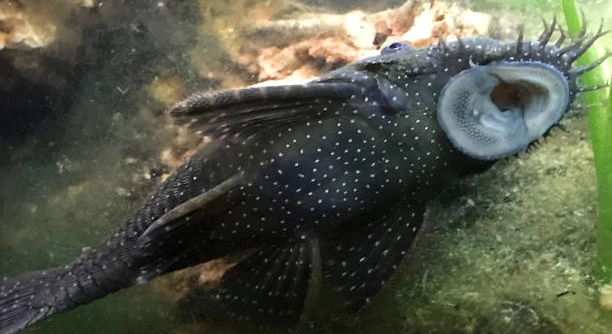
Overfeeding plecos is a common issue among aquarium enthusiasts. Many fish owners unintentionally provide more food than their plecos need, believing it will help them grow faster. This can lead to several health and environmental problems in the tank.
Excessive feeding of plecos can result in digestive issues, poor water quality, and abnormal behavior. Uneaten food decomposes, increasing ammonia and nitrate levels, while the fish may develop obesity or weakened immune responses, ultimately impacting their overall health and longevity.
Recognizing these issues early can help maintain a healthy aquarium and ensure your plecos thrive without unnecessary complications. Proper feeding habits are essential for their long-term well-being.
Uneaten Food and Water Quality
Overfeeding plecos often leaves leftover food in the tank, which quickly starts to decompose. This decomposition releases ammonia and nitrates, which can harm your plecos and other aquatic life. Cloudy water, foul odors, and algae blooms are common signs that uneaten food is affecting the tank. Maintaining a clean environment is critical. Regularly checking water parameters and removing leftover food can prevent these issues. Feeding only what plecos can consume in a short time helps maintain balance. Even small amounts of excess food can disrupt the tank’s ecosystem over time. Ensuring proper filtration and partial water changes supports water quality and reduces stress on your fish. Overfeeding might seem harmless, but it has immediate and long-term effects on the tank. Watching your plecos’ eating habits can prevent these problems and keep the aquarium healthy. A disciplined feeding schedule goes a long way in preserving both water quality and fish health.
Monitoring leftover food daily helps maintain stable water conditions. It reduces the risk of ammonia spikes and algae growth.
Taking proactive measures like adjusting feeding amounts and using tools such as siphons or nets ensures minimal waste. Proper feeding helps maintain a balanced ecosystem, improves pleco health, and creates a visually clean and appealing tank environment.
Digestive Issues and Obesity
Excess food can overwhelm plecos’ digestive systems, leading to constipation or bloating. Obese fish move slower, become lethargic, and may lose their appetite. They are more prone to infections and have weaker immune systems. Feeding too often or giving high-protein foods can worsen these conditions. Even if plecos appear eager for food, their bodies cannot always process large amounts efficiently. Moderation is key to preventing long-term health problems. Overfed plecos can develop fatty liver disease, making it harder to digest normal meals later. Observing your fish’s body shape and behavior can indicate if adjustments are needed. Choosing a diet that suits their digestive needs, such as algae wafers and occasional vegetables, supports healthy metabolism. Small, frequent meals are better than large, heavy feedings. Maintaining proper feeding habits prevents obesity and keeps plecos active and healthy, improving their overall quality of life.
Digestive issues can appear subtly, making careful observation essential. Early action prevents serious complications.
Adjusting feeding practices, reducing portion sizes, and monitoring pleco weight helps avoid bloating, constipation, and obesity. A balanced diet paired with a clean tank ensures your fish remain energetic, healthy, and resistant to disease over time.
Algae Overgrowth
Overfeeding plecos contributes to excess nutrients in the tank, encouraging rapid algae growth. Algae can cover decorations, glass, and plants, making the tank look unkempt. High algae levels also compete with plecos for oxygen, creating additional stress for your fish.
Algae blooms are fueled by leftover food and elevated nitrates. Even if plecos eat some of the food, any uneaten portion breaks down, releasing compounds that algae thrive on. Overgrown algae reduces water clarity, limits light for live plants, and can disrupt the natural balance of the tank. Managing feeding amounts, performing regular water changes, and monitoring nutrient levels help prevent these issues. Plecos can coexist with some algae, but excessive growth signals that adjustments are needed in care and feeding routines.
Maintaining a clean tank, limiting nutrients, and encouraging plecos to graze naturally reduces algae buildup. Filtration, water changes, and careful feeding protect both your fish and tank aesthetics.
Poor Behavior and Stress
Overfed plecos often display unusual behavior, such as restlessness or aggression toward tankmates. Stress from digestive discomfort or poor water conditions makes them more irritable and less active.
Stress from overfeeding impacts their immune system, making plecos vulnerable to disease. Lethargy, hiding, and erratic swimming are signs that the fish are struggling. Excess food can lead to competition among tankmates, further increasing tension. Consistent overfeeding alters their natural patterns, reduces grazing activity, and interferes with normal social interactions. Observing behavior closely allows early correction, such as adjusting portion sizes or spacing out feeding times. Providing hiding spots and monitoring water quality also reduces stress levels.
Balanced feeding and a stable environment are essential. Controlling food quantity and keeping the tank clean supports calm, healthy plecos with predictable, natural behavior patterns.
Foul Odors
Overfeeding plecos causes uneaten food to decay, producing strong, unpleasant smells in the tank. These odors indicate poor water quality and excess organic waste that can affect both fish and the surrounding environment.
Persistent smells often signal ammonia and nitrate buildup. Proper feeding routines and regular cleaning help eliminate these odors and maintain a healthier tank environment.
Fin Rot and Skin Issues
Excess food increases bacterial and fungal growth in the tank. Plecos exposed to poor water conditions from decaying food are more susceptible to fin rot, lesions, and skin infections. Maintaining clean water and reducing leftover food minimizes these risks.
Increased Maintenance
Overfeeding directly raises the amount of cleaning required. More frequent water changes, filter maintenance, and substrate cleaning are necessary to keep the tank healthy. Regular upkeep becomes essential to prevent long-term damage to the ecosystem.
Uneven Growth
Plecos that are overfed may develop uneven growth, with some fish gaining weight faster than others. This can lead to size disparity and dominance issues within the tank.
FAQ
How much should I feed my plecos each day?
Plecos should be fed in small amounts that they can finish within a few minutes. Most adult plecos do well with one portion per day, sometimes every other day depending on species. Excess food leads to water quality problems and health issues, so it’s better to underfeed slightly than overfeed. Observing how much they consume in 5–10 minutes helps determine the correct portion. Some plecos prefer grazing on algae or vegetables, which can be offered in moderation to supplement their diet.
Can overfeeding kill plecos?
Yes, overfeeding can indirectly lead to fatal conditions. Uneaten food decomposes and increases ammonia and nitrate levels, which are toxic to fish. Additionally, obesity and digestive issues caused by too much food weaken their immune system. Combined with poor water conditions, these factors can be deadly. Regular monitoring of feeding amounts and water parameters prevents serious harm. Healthy plecos thrive on controlled feeding and a clean environment, making prevention much safer than trying to fix advanced problems.
What foods are safe for plecos to prevent overfeeding problems?
Algae wafers, blanched vegetables, and occasional protein-based treats are generally safe. Avoid giving excessive high-protein foods, as plecos’ digestive systems are not designed for constant protein overload. Vegetables like zucchini, cucumber, and spinach can be offered in small amounts. Feeding small, measured portions and removing uneaten food after 10 minutes prevents nutrient buildup and water contamination. A varied diet helps maintain healthy digestion, prevents obesity, and reduces the chance of disease while keeping plecos active and vibrant.
How can I tell if my pleco is overfed?
Signs include bloating, lethargy, sluggish swimming, and visible fat around the abdomen. Uneaten food left in the tank after feeding also indicates too much was offered. Cloudy water, algae blooms, or foul odors are additional indicators of overfeeding. Observing your fish daily helps detect early signs. Adjusting portion sizes and monitoring behavior ensures plecos stay healthy. Maintaining a consistent feeding schedule and a clean tank prevents long-term effects of overfeeding, keeping your fish in optimal condition.
What steps can I take to fix overfeeding issues?
Start by reducing portion sizes and feeding only what plecos can finish in a short time. Remove leftover food promptly and perform partial water changes to improve water quality. Ensure the filter is functioning properly and clean it regularly. Observing the fish for signs of stress or illness is essential. Adjusting feeding routines gradually helps plecos adapt without causing sudden dietary shocks. Maintaining a balanced diet with occasional vegetable supplements supports healthy digestion while preventing obesity, fin problems, and other complications.
Is fasting ever beneficial for plecos?
Occasional fasting, such as skipping a day once or twice a week, can help prevent digestive issues and reduce the risk of obesity. Plecos are naturally adapted to periods without food, so brief fasting is safe. It also helps clear the tank of leftover food and maintains better water quality. Fasting should be used as a tool alongside careful feeding rather than as a primary solution. Monitoring the fish during fasting ensures they remain healthy and stress-free.
Can overfeeding affect other fish in the tank?
Yes, excess food can raise ammonia and nitrate levels, impacting all tank inhabitants. Overfeeding also encourages competition for food, leading to stress, aggression, or malnutrition in other species. Maintaining proper feeding amounts for plecos protects the entire aquarium ecosystem. Proper cleaning, monitoring water parameters, and portion control benefit all fish in the tank.
How often should I check water quality if overfeeding occurs?
Daily or every other day checks are recommended until the tank stabilizes. Test ammonia, nitrite, nitrate, and pH levels regularly. Keeping records helps track trends and prevents toxic spikes. Consistent monitoring ensures overfeeding does not compromise the tank’s health, protecting both plecos and other fish from stress and illness.
Final Thoughts
Overfeeding plecos is a problem that many fish owners face without realizing the consequences. Providing too much food may seem harmless at first, but it quickly leads to water quality issues, stress, and health problems for your fish. Plecos are naturally slow-eating bottom dwellers, and their digestive systems cannot handle large quantities of food at once. Even if they appear eager to eat, their bodies can only process a limited amount. Leftover food decomposes in the tank, raising ammonia and nitrate levels, which can harm both plecos and other fish. Observing feeding habits and adjusting portion sizes is a simple but effective way to prevent these issues. Small, measured feedings ensure the fish get the nutrition they need without creating problems in the tank. Overfeeding can also affect algae growth, leading to unsightly tanks and additional maintenance. A disciplined approach to feeding helps maintain a balanced environment and healthy fish.
Another important consideration is the health of your plecos. Overfeeding can cause digestive issues, bloating, and obesity. Lethargy, slow swimming, and unusual behavior often indicate that your plecos are struggling with too much food. Digestive problems reduce nutrient absorption and weaken the immune system, making the fish more vulnerable to infections and diseases. Even minor overfeeding can lead to serious health complications over time. Providing a varied diet with vegetables, algae wafers, and occasional protein treats supports proper digestion and overall well-being. Removing uneaten food promptly and maintaining clean water conditions are essential steps to prevent stress and maintain a healthy aquatic environment. Feeding less but more consistently, combined with careful observation, ensures plecos remain active and thrive in the tank. Monitoring water parameters regularly is equally important, as water quality directly affects fish health and longevity.
Maintaining the right balance in your tank requires patience and attention. Understanding how much your plecos need, observing their behavior, and keeping the tank clean are the best ways to prevent overfeeding problems. Small adjustments in feeding habits can make a significant difference in water clarity, algae control, and overall fish health. It is easy to underestimate the impact of excess food, but consistent care ensures your plecos live longer, healthier lives. A well-maintained tank creates a stress-free environment where plecos can exhibit natural behaviors and thrive. Prioritizing proper feeding practices benefits not only plecos but also the entire aquarium ecosystem. By focusing on moderation, observation, and maintenance, you can avoid many common issues and keep your tank balanced, clean, and enjoyable to watch.

Hello,
If you enjoy the content that we create, please consider saying a "Thank You!" by leaving a tip.
Every little bit helps us continue crafting quality advice that supports the health, happiness, and well-being of pets around the world, for pets of all shapes, sizes, and species.
We really appreciate the kindness and support that you show us!