
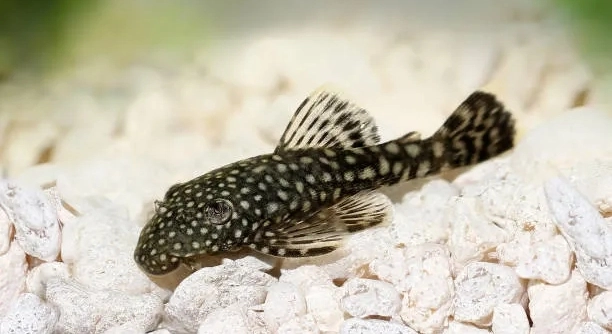
Do you ever find yourself arranging a peaceful aquarium and wondering how your bristlenose pleco reacts to tank mates? These unique fish bring charm to aquariums, but understanding their social preferences can improve both their comfort and your enjoyment.
Bristlenose plecos are generally solitary but do not mind company when provided sufficient space and hiding spots. They tolerate other peaceful species, and interactions are usually neutral, provided competition for food or territory is minimized.
Observing their behavior in a well-planned environment reveals subtle social cues and helps ensure a harmonious aquatic community for all tank inhabitants.
Understanding Bristlenose Plecos’ Social Behavior
Bristlenose plecos are peaceful fish that generally prefer solitude but can adapt to living with other non-aggressive species. They are nocturnal and spend much of their time hiding during the day, which helps reduce conflicts. Providing caves, driftwood, or other hiding spots ensures each pleco has its own territory. When multiple plecos are in a tank, it is essential to offer enough space and resources to prevent stress or competition. Observing their behavior closely, especially during feeding, can help you notice if any pleco feels threatened or overly dominant. Maintaining stable water conditions and feeding on a regular schedule also contributes to a calm environment. Plecos are mostly indifferent to flashy or active fish but may display curiosity without aggression. Small algae-eating plecos coexist well with tetras, rasboras, or guppies. Overcrowding, poor water quality, or insufficient hiding areas can trigger aggression, making careful tank management critical.
Providing adequate space and hiding spots encourages peaceful interactions among tank mates.
Bristlenose plecos are territorial by nature, but with proper planning, multiple plecos or other fish species can share the same tank. They tend to avoid conflict unless stressed or competing for food. By understanding their habits, aquarists can create a low-stress, harmonious environment. Watching how they interact with their surroundings and other species helps in adjusting tank setup, feeding schedules, and placement of decorations to suit their needs. Plecos also benefit from varied diets that include algae wafers and vegetables, supporting both health and social stability. Observing their behavior over time reveals subtle cues indicating comfort, stress, or curiosity. These fish communicate through body language, such as fin movements or subtle changes in swimming patterns. Regular monitoring, combined with thoughtful tank management, ensures plecos coexist without unnecessary stress. Overall, attention to space, hiding areas, and feeding routines fosters a peaceful community where plecos feel secure while maintaining their natural behaviors.
Signs Your Pleco Enjoys Company
Bristlenose plecos show calm behavior when tank mates are non-aggressive and well-spaced. They may swim near other fish without displaying territorial aggression.
Plecos may occasionally interact with other fish, exploring shared spaces or resting nearby. They can tolerate small community fish when competition for food is low. Observation of these behaviors can guide aquarists in adjusting tank arrangements and feeding practices. Ensuring multiple hiding spots and monitoring interactions during feeding can prevent tension. When plecos feel secure, they often remain near decorations or driftwood, sometimes gliding alongside gentle fish. Recognizing these subtle signs allows owners to create a balanced, stress-free environment, helping plecos thrive while coexisting with other species in the tank. Understanding these behaviors improves aquarium management and ensures the fish remain healthy, calm, and engaged with their environment without unnecessary conflict.
Feeding and Space Considerations
Bristlenose plecos need enough space to avoid competition during feeding. Providing multiple feeding areas and varied food helps reduce stress and prevents dominant fish from claiming all resources.
Spacing decorations and hiding spots evenly across the tank ensures each pleco has a territory. Plecos are mostly nocturnal, so placing food in different spots encourages natural foraging behavior. Algae wafers, blanched vegetables, and occasional protein sources support their health. Observing how fish react to feeding times helps in adjusting amounts or locations. Avoid overcrowding to maintain peaceful interactions. Multiple plecos can coexist if each has access to food and shelter without frequent confrontation.
Tank size also impacts social tolerance. A small tank increases stress and territorial disputes, while a larger tank allows multiple plecos to establish their own areas. Driftwood and caves act as both hiding spaces and grazing surfaces for algae. Water quality must be consistent to prevent stress, as unstable conditions can lead to aggression. Providing these environmental supports ensures plecos remain healthy, calm, and less likely to compete with tank mates, creating a harmonious setting.
Monitoring Behavior Over Time
Consistent observation of plecos is essential to ensure their comfort and safety. Subtle changes in swimming or hiding patterns may indicate stress or irritation.
Behavior monitoring involves watching for signs of aggression, stress, or unusual lethargy. Plecos may flare fins, chase others, or retreat excessively when unhappy. Noting these behaviors over weeks helps identify problems before they escalate. Adjustments to tank layout, hiding spots, and feeding routines can reduce stress. Plecos that tolerate other species well often display calm, relaxed movements and frequent exploration during night hours.
Long-term observation also allows you to notice interactions between plecos and other fish. Some plecos may gradually become more social, gliding near gentle tank mates, while others remain solitary. Changes in appetite or resting locations can signal stress or illness, making daily or weekly monitoring beneficial. Tracking behavior alongside water quality and feeding habits provides a complete picture of their well-being. With attention and small adjustments, plecos can coexist peacefully in a community tank, maintaining health and natural behavior patterns over time.
Ideal Tank Mates
Bristlenose plecos do best with peaceful, slow-moving fish. Avoid aggressive or overly active species that may harass or stress them. Community fish like tetras, rasboras, and guppies generally coexist without issue.
Plecos appreciate other bottom dwellers that do not compete aggressively for territory or food. Snails and small shrimp often coexist well, adding variety without conflict.
Managing Multiple Plecos
When keeping more than one pleco, provide several hiding spaces and grazing areas. This prevents territorial disputes and ensures each fish has a secure spot. Proper tank size and layout are essential for maintaining harmony.
Environmental Factors
Stable water conditions and appropriate temperature support pleco comfort. Maintaining clean water and regular monitoring reduces stress and promotes healthy social interactions.
Recognizing Stress Signs
Stress in plecos shows through erratic swimming, hiding excessively, or loss of appetite. Timely adjustments to environment and tank mates can improve their well-being.
FAQ
Do bristlenose plecos need companions to thrive?
Bristlenose plecos are naturally solitary and can live comfortably alone. They do not require other fish for social interaction. However, they tolerate peaceful tank mates if the aquarium is spacious enough and hiding spots are available. Their well-being depends more on water quality, diet, and territory than on companionship.
Can multiple plecos live in the same tank?
Yes, multiple bristlenose plecos can coexist if there is sufficient space and hiding places. Each pleco should have access to its own cave, driftwood, or shaded area to prevent territorial disputes. Overcrowding can lead to stress, aggression, and competition for food. Proper tank management is essential.
What types of fish are safe with plecos?
Peaceful, non-territorial fish are ideal companions. Tetras, rasboras, guppies, and small peaceful bottom dwellers coexist well. Avoid aggressive or fast-moving species that may harass plecos. Snails and shrimp can also share the tank, adding variety without causing conflict. Observation is important during the first interactions.
Do plecos show affection or curiosity toward other fish?
Bristlenose plecos generally do not show affection but may demonstrate curiosity. They occasionally swim near other non-aggressive fish or explore the same areas without conflict. Calm behavior, relaxed swimming, and grazing near others indicate they are comfortable in the tank.
How do I prevent pleco stress with other fish?
Provide multiple hiding spots, evenly distributed food, and stable water conditions. Ensure tank mates are non-aggressive and avoid overcrowding. Stress signs include hiding excessively, erratic swimming, fin flare displays, or refusal to eat. Adjusting the tank layout or reducing the number of fish can alleviate stress.
What is the ideal tank size for multiple plecos?
A larger tank reduces territorial disputes and allows multiple plecos to coexist peacefully. For two plecos, a minimum of 30 gallons is recommended, with additional space for each extra fish. Incorporating driftwood, caves, and shaded areas provides natural territory boundaries and grazing surfaces.
Do plecos compete for food with other fish?
Competition can occur if feeding areas are limited. Plecos may struggle to access food if tank mates are more aggressive or faster eaters. Placing food in multiple locations and offering algae wafers or vegetables separately ensures all plecos are nourished without conflict.
How can I tell if my pleco is comfortable with other fish?
Comfortable plecos swim calmly, explore their environment, and rest near hiding spots without showing aggression. They do not chase other fish or flare fins excessively. Observing feeding behavior and night activity can also reveal whether they feel secure and unthreatened.
Do plecos interact more at night?
Yes, bristlenose plecos are nocturnal and most active during evening and night hours. Nighttime is when they forage for algae, graze on driftwood, and explore their territory. Activity patterns may include brief interactions with tank mates, usually without aggression. Monitoring them at night provides insights into comfort and social tolerance.
How do I introduce a new pleco or fish to the tank?
Introduce new fish gradually, preferably using a quarantine period. Add hiding spots near their arrival area to reduce stress. Monitor interactions closely during the first few days to ensure no territorial disputes occur. Proper acclimation improves compatibility and reduces the risk of stress-related illness.
Can plecos tolerate fish that swim at the surface?
Yes, plecos are bottom dwellers, so surface swimmers generally do not bother them. They remain focused on grazing, hiding, and maintaining territory near the bottom. Proper tank management ensures peaceful coexistence even with active surface fish.
Do plecos form bonds with other species?
Bristlenose plecos do not form bonds but can tolerate or ignore peaceful fish nearby. Their interactions are functional, usually related to space, food, or curiosity. Understanding these behaviors helps owners provide a calm, stress-free environment.
How important is water quality for pleco social behavior?
Water quality is critical. Poor conditions increase stress, which can lead to aggression or hiding. Regular water changes, stable temperature, and proper filtration help plecos remain calm and tolerant of tank mates, promoting healthy interactions.
Can plecos adapt to new tank mates over time?
Yes, they can gradually adapt if the tank is well-structured and stress-free. Initial caution or hiding may occur, but with adequate hiding spots and feeding areas, plecos often coexist peacefully. Patience and observation are key during this adjustment period.
What signs indicate plecos are stressed by tank mates?
Stress signs include hiding constantly, erratic or frantic swimming, loss of appetite, fin damage, and aggressive chasing. If these behaviors persist, consider rearranging the tank, increasing hiding spaces, or reducing the number of tank mates.
Is it necessary to separate plecos during breeding?
During breeding, males become territorial and protective of caves. Separating them or providing ample space prevents conflicts and ensures both breeding success and tank harmony. Understanding territorial behavior is essential for multiple pleco management.
How does tank decoration affect social interactions?
Decorations create territories and reduce conflict. Driftwood, caves, and rocks offer hiding spots, grazing surfaces, and visual barriers, helping plecos feel secure. Properly arranged decorations minimize stress, prevent aggressive encounters, and encourage natural behavior.
Can plecos live with aggressive species if precautions are taken?
It is not recommended. Even with hiding spots, aggressive or highly active species can stress plecos, leading to illness or injury. A calm community tank is the safest environment for multiple plecos to thrive.
How often should I observe pleco behavior?
Daily observation is ideal. Monitoring swimming patterns, feeding behavior, and interactions with other fish helps detect stress early. Regular attention ensures timely adjustments to tank layout, feeding, or water conditions, supporting long-term health and peaceful coexistence.
What is the best diet for multiple plecos in a community tank?
Algae wafers, blanched vegetables, and occasional protein supplements work best. Feeding in multiple locations reduces competition, ensures adequate nutrition, and keeps plecos calm. Observing which foods each pleco prefers can help maintain a balanced and stress-free diet.
Do plecos ever fight with other fish?
Fights are rare if tank conditions are appropriate. Territorial disputes may occur among plecos or with bottom dwellers if space is limited. Providing hiding spots, sufficient food, and proper spacing prevents most conflicts and keeps the community peaceful.
How long does it take for plecos to adjust to a new tank or companions?
Adjustment can take days to weeks, depending on the fish and environment. Providing hiding spaces, proper feeding, and stable water conditions accelerates adaptation. Observing behavior over time ensures plecos are comfortable and reduces potential stress.
Are plecos sensitive to overcrowding?
Yes, overcrowding increases stress, aggression, and competition for food and territory. Proper tank sizing and limiting the number of plecos and other bottom dwellers are crucial for peaceful coexistence and overall well-being.
Can plecos tolerate juvenile fish?
Generally, yes. Juvenile fish are small and less likely to compete for territory or food. However, monitor interactions to ensure plecos do not accidentally harm smaller or slower-moving tank mates.
Do plecos interact differently with fish of their own species?
Bristlenose plecos are more territorial with their own kind. Males especially guard caves and can display aggression during feeding or breeding. Providing enough space and hiding spots mitigates conflicts among plecos in the same tank.
How can I tell if a pleco is thriving in a community tank?
Thriving plecos show calm, natural behavior, consistent feeding, and regular grazing. They explore caves, driftwood, and tank areas without excessive hiding or aggression. Healthy fins, bright coloration, and steady activity indicate comfort and well-being in their environment.
Are there signs of plecos being bored or unstimulated?
Bored plecos may remain inactive, overgraze a single area, or constantly search for hiding spots. Adding driftwood, algae growth, and varied feeding areas provides enrichment and encourages natural behaviors, reducing stress and monotony.
How often should plecos be fed in a community tank?
Feeding 2–3 times daily or providing grazing material continuously works well. Algae wafers, vegetables, and occasional protein treats support health. Distributing food in multiple spots reduces competition and ensures all plecos eat adequately.
Do plecos prefer certain companions over others?
They generally prefer non-aggressive, calm fish. Bottom dwellers or small community fish are best. Aggressive or highly active species often stress plecos. Observing interactions helps determine which tank mates are tolerated or avoided.
Can plecos coexist with fast-moving schooling fish?
Yes, fast-moving surface swimmers rarely bother plecos. They remain focused on the bottom, grazing, and resting. The presence of active fish does not usually disrupt plecos’ behavior or comfort in the tank.
Do plecos benefit from visual barriers in the tank?
Yes, visual barriers like rocks or plants reduce stress and territorial disputes. They allow plecos to establish separate zones and feel secure, particularly when multiple plecos share a tank.
Is breeding behavior affected by other fish?
Males become more territorial during breeding. If other fish intrude on caves, stress or aggression may occur. Adequate hiding spots and space ensure successful breeding while maintaining peace in the tank.
What are the best materials for pleco hiding spots?
Driftwood, ceramic caves, and smooth rocks are ideal. They provide shelter, grazing surfaces, and boundaries for territories. Avoid sharp or unstable materials that could injure fish.
Do plecos need nighttime feeding when other fish are present?
Nighttime feeding aligns with their nocturnal habits. Providing food in multiple areas ensures they eat without competition from other fish, supporting health and reducing stress.
Can plecos tolerate sudden changes in tank mates?
Sudden introductions may stress plecos. Gradual acclimation and providing extra hiding spaces minimize conflict and help them adjust to new fish safely. Observation during the first days is essential to prevent problems.
How do I balance community tank needs with pleco behavior?
Space, hiding spots, and multiple feeding locations are key. Calm tank mates and stable conditions support pleco comfort. Regular observation ensures all species coexist peacefully, maintaining a healthy and harmonious environment.
Do plecos require constant monitoring with other fish?
Consistent but not obsessive monitoring is sufficient. Daily observation of behavior, feeding, and territory ensures stress or aggression is detected early, allowing timely adjustments for a balanced tank environment.
Can plecos live with semi-aggressive fish if precautions are taken?
It is risky. Semi-aggressive fish may stress plecos even with hiding spots. Choosing calm species is safer and supports the plecos’ health and comfort.
What is the best way to rearrange a tank with multiple plecos?
Move decorations gradually, maintaining hiding spots and territory markers. Avoid sudden changes that could stress plecos. Observation after rearrangement ensures they adapt smoothly.
Do plecos need companions for mental stimulation?
No, plecos are self-sufficient. Natural enrichment comes from grazing, exploring hiding spots, and interacting with their environment rather than needing fish companions.
Can plecos tolerate algae-eating snails or shrimp in the tank?
Yes, these creatures coexist well. They share similar grazing habits without competing aggressively for space or food. Monitoring interactions ensures all species remain stress-free.
How do plecos signal discomfort or irritation?
Signs include rapid fin movements, chasing, hiding, or flaring. Recognizing these behaviors early allows adjustments in tank setup, feeding, or fish selection to reduce stress and maintain peace.
Are plecos sensitive to water flow in a community tank?
Moderate water flow is preferred. Too strong currents can stress plecos, while stagnant water reduces oxygenation. Proper filtration and circulation help maintain comfort for all tank inhabitants.
Can plecos adapt to long-term community tanks?
Yes, with adequate space, hiding spots, feeding areas, and peaceful companions, plecos thrive in community tanks for extended periods without stress.
How do I know if plecos are stressed by overcrowding?
Stress signs include hiding, aggression, refusal to eat, or erratic swimming. Increasing tank size, reducing fish numbers, or adding hiding spots helps alleviate these issues.
Do plecos need nighttime monitoring with other fish present?
Occasional checks are useful, especially during feeding. Most plecos are active at night, so monitoring ensures they eat and remain safe alongside other species.
Can plecos live peacefully with bottom-dwelling corydoras?
Yes, corydoras are gentle bottom dwellers that usually coexist well with plecos. Providing separate hiding spots and food areas minimizes competition and supports harmony.
Do plecos tolerate brightly colored or active tank mates?
Bright or active fish usually do not bother plecos as long as they remain non-aggressive. Plecos focus on bottom grazing and hiding rather than chasing or interacting aggressively.
How long does it take for plecos to establish territories?
Plecos typically establish territories within days of introduction. Providing multiple caves or shaded areas accelerates this process, reducing conflict and stress.
Are plecos affected by seasonal or light changes in a community tank?
Changes in light or temperature can influence activity but do not usually affect social tolerance. Maintaining stable conditions ensures comfort and consistent behavior.
Do plecos need specific tank décor to coexist with other fish?
Yes, driftwood, caves, and plants create territories and hiding spots. Proper decoration reduces stress, encourages natural behavior, and allows multiple plecos to coexist peacefully.
Can plecos coexist with larger, more aggressive fish if food is plentiful?
Abundant food helps but does not eliminate stress from aggressive species. Peaceful companions remain the safest option to maintain pleco health and calm behavior.
How do I maintain peace in a pleco community tank long-term?
Regular water changes, sufficient space, multiple hiding spots, balanced feeding, and observation are essential. Adjustments based on behavior ensure continued harmony and well-being.
Do plecos interact with their reflection or aquarium glass?
Some may explore reflections but typically do not become aggressive. This behavior is natural curiosity and rarely causes stress when other environmental needs are met.
Is it necessary to separate sick plecos from tank mates?
Yes, isolation prevents disease spread and reduces stress on both the sick pleco and healthy tank mates. Quarantine tanks are ideal for treatment.
Can plecos adapt to tanks with fluctuating light schedules?
Gradual changes are tolerated, but sudden light shifts can stress plecos. Consistent lighting routines help maintain calm behavior and natural nocturnal activity.
Do plecos require interaction with humans for comfort?
No, plecos thrive independently. Human presence is generally ignored, and their well-being depends on water quality, feeding, and tank environment rather than direct interaction.
Are plecos territorial only with their own species?
They show stronger territorial behavior with their own kind, especially males. Conflicts are rare with other species if space and hiding spots are adequate.
Can plecos coexist with other algae eaters like otocinclus?
Yes, these species usually share grazing areas without conflict. Multiple hiding spots and feeding locations ensure peaceful coexistence.
How do I know if plecos are stressed by new tank mates?
Excessive hiding, fin flaring, aggression, or loss of appetite indicates stress. Gradual introductions, additional hiding spots, and observation help reduce tension.
Do plecos tolerate fluctuating water parameters in a community tank?
No, sudden changes in temperature, pH, or hardness increase stress and aggression. Stable water conditions are critical for comfort and peaceful interactions.
Can plecos live with other territorial bottom dwellers?
Yes, but territory must be carefully managed. Adequate caves, driftwood, and spacing prevent disputes and allow peaceful coexistence.
Do plecos show preferences for certain hiding spots?
Yes, they favor caves, driftwood, and shaded areas that provide security and grazing surfaces. Multiple options prevent competition and stress.
How important is feeding variety for pleco behavior?
Varied diets keep plecos healthy and reduce competition. Algae wafers, vegetables, and occasional protein ensure proper nutrition and calm behavior.
Can plecos tolerate sudden tank rearrangements?
Sudden changes may stress plecos. Gradual adjustments, retaining key hiding spots, and observation help them adapt smoothly.
Do plecos interact more with shy or active fish?
They interact minimally with both types. Calm, non-aggressive fish are best for reducing stress and maintaining harmony.
How do I prevent pleco aggression in a shared tank?
Provide hiding spots, multiple food locations, proper spacing, and peaceful tank mates. Observing behavior and adjusting the environment reduces conflicts effectively.
Are plecos affected by water hardness or pH changes in a community tank?
Yes, drastic changes cause stress. Maintaining stable parameters is essential for health, calm behavior, and peaceful coexistence.
Do plecos ever groom or clean tank mates?
No, plecos focus on grazing algae and maintaining their own territory. They do not perform social grooming like some other species.
Can plecos thrive in a community tank with fast-moving schooling fish?
Yes, fast-moving surface fish do not interfere with plecos’ bottom-dwelling habits. Proper space and feeding areas ensure coexistence.
Do plecos need driftwood in a community tank?
Driftwood provides grazing surfaces, hiding spots, and territory markers. It supports health, reduces stress, and encourages natural behavior in multiple plecos.
Can plecos adapt to different tank sizes with proper management?
Yes, adequate space, hiding spots, and resources allow plecos to adjust to smaller or larger tanks while maintaining calm behavior.
Do plecos prefer dark or bright areas in a community tank?
They prefer shaded areas, caves, and driftwood. Brightly lit areas are usually avoided, especially during the day.
How do I encourage plecos to coexist peacefully?
Provide ample space, hiding spots, multiple feeding locations, and calm tank mates. Observation and minor adjustments maintain harmony.
Do plecos respond to other fish during feeding?
They may explore nearby fish but rarely display aggression if food is abundant and evenly distributed.
Can plecos tolerate fluctuating temperatures in a community tank?
No, sudden temperature changes increase stress and aggression. Stable temperature is essential for healthy social behavior.
Do plecos need constant hiding spots to coexist with others?
Yes, hiding spots reduce territorial disputes, stress, and aggression, especially when multiple plecos share a tank.
How long should new plecos acclimate before interacting with tank mates?
Several days to a week with proper hiding spots ensures gradual adjustment and reduces stress or conflict.
Can plecos live peacefully with other nocturnal fish?
Yes, nocturnal species often coexist without conflict
Bristlenose plecos are generally peaceful fish that can live happily in both solitary and community settings. Their naturally calm demeanor allows them to tolerate a variety of non-aggressive tank mates. Observing their behavior over time shows that they are adaptable but benefit from careful planning. Providing enough space, multiple hiding spots, and proper grazing surfaces is essential. Driftwood, caves, and shaded areas help plecos establish territories without conflict, while consistent feeding schedules reduce competition. Their nocturnal habits mean most activity occurs at night, which is when they explore, graze, and interact with their environment. A well-maintained tank with clean water and stable conditions supports both health and social tolerance. Paying attention to these basic environmental needs ensures plecos remain calm, stress-free, and compatible with other fish in the aquarium.
When keeping multiple plecos or a mixed-species tank, careful management is crucial. Overcrowding can increase stress and lead to aggressive behavior, even among naturally peaceful fish. Multiple feeding areas help ensure all plecos get adequate nutrition, while scattered decorations create visual barriers and separate territories. Observing how plecos interact with tank mates during feeding and rest periods provides insight into their comfort and adaptability. Subtle signs of stress, such as hiding excessively, erratic swimming, or fin flare displays, indicate adjustments are needed. Proper tank size, layout, and consistent water quality are as important as the number of companions in maintaining a harmonious aquarium. Plecos thrive when their natural habits—grazing, hiding, and exploring—are respected and facilitated through thoughtful care.
Ultimately, bristlenose plecos do not rely on social interaction for happiness, but they do respond positively to an environment that supports their needs. Community tanks work best when all species are compatible, and plecos are given sufficient space to establish their own areas. Observing their behavior carefully helps prevent conflicts and ensures their health over time. A structured environment with proper hiding spots, grazing options, and calm tank mates creates a peaceful habitat for plecos to thrive. Regular monitoring, thoughtful feeding routines, and stable water conditions foster a balanced community where plecos feel secure. By focusing on these factors, aquarists can enjoy a thriving, low-stress tank where bristlenose plecos coexist comfortably with other fish and express natural behaviors.

Hello,
If you enjoy the content that we create, please consider saying a "Thank You!" by leaving a tip.
Every little bit helps us continue crafting quality advice that supports the health, happiness, and well-being of pets around the world, for pets of all shapes, sizes, and species.
We really appreciate the kindness and support that you show us!