
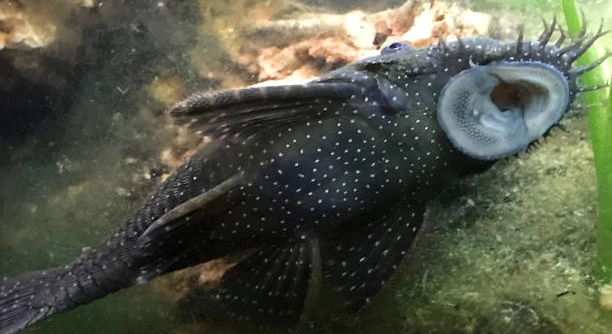
Bristlenose plecos are small freshwater fish often kept in home aquariums. Many owners notice how they interact with decorations and each other. These fish have unique behaviors that make them interesting to watch and care for.
Bristlenose plecos are capable of sensing touch through specialized cells on their bodies and fins. These sensory structures allow them to respond to environmental stimuli, navigate their surroundings, and interact with objects and other fish in their habitat.
Learning about how these fish sense their environment can help improve their care. Observing their behavior closely reveals important insights into their health and well-being.
How Bristlenose Plecos Sense Touch
Bristlenose plecos use a combination of tactile and chemical sensors to perceive their surroundings. Their skin and fins contain nerve endings that detect pressure, vibrations, and movement in the water. These sensory abilities help them navigate through tight spaces, find food, and avoid potential threats. They often explore objects with their mouths and barbels, which are sensitive appendages around their snout. The barbels allow them to feel textures and surfaces, giving them detailed information about their environment. While they do not have hands or fingers, their bodies are surprisingly responsive to contact. This sensitivity is crucial in aquariums where space may be limited and interactions with other fish occur frequently. Observing how plecos respond to touch can reveal a lot about their comfort levels, health, and overall behavior, helping owners create a safer and more stimulating habitat. Regular monitoring ensures that these fish remain active and stress-free.
Bristlenose plecos rely heavily on touch to understand their environment. Their barbels and skin are key sensory tools.
Touch allows plecos to interact naturally with their surroundings. When they brush against plants, rocks, or substrate, they are gathering important information. This interaction influences feeding habits, territorial behavior, and social responses. Plecos may also use touch to communicate subtly with other fish, establishing boundaries or assessing potential companions. Maintaining an environment with varied textures and safe surfaces can enhance these natural behaviors, promoting both mental stimulation and physical activity.
Observing Pleco Responses
Bristlenose plecos show immediate reactions to tactile stimulation, including slight movements or fin flicks.
Owners can notice that plecos respond differently to gentle contact versus sudden pressure. When touched lightly, they may explore or swim around curiously. Stronger contact can trigger avoidance behaviors or retreat. These responses reflect the fish’s sensitivity and instinctual awareness. In an aquarium, providing a mix of smooth and rough surfaces encourages natural exploration. Plecos may investigate rocks, driftwood, or plant leaves, adjusting their movements to assess each object. Watching these interactions closely can inform care decisions, such as substrate choice or tank decoration placement. Repeated observations allow owners to detect changes in behavior that could indicate stress, injury, or health issues. Ensuring that plecos have sufficient space to move and touch different surfaces supports their physical and mental well-being. Sensory stimulation is as important as diet or water quality in maintaining a happy, healthy pleco population.
Physical Interactions with the Environment
Bristlenose plecos use their bodies to explore surfaces. They often glide along rocks, driftwood, and plants, using their barbels to detect texture and resistance. These movements help them find food and feel secure in their surroundings.
Touch is essential for plecos to interact effectively with their environment. Their barbels are highly sensitive and allow them to examine surfaces before settling or feeding. When moving across gravel or wood, plecos can detect small changes in texture and pressure, which informs their choices and movements. This tactile feedback guides them around obstacles and helps avoid injuries. Plecos may also rub against surfaces to remove algae or parasites, which is both a feeding behavior and a self-care action. By observing these interactions, owners can learn which tank elements plecos prefer and how to arrange decorations for comfort and stimulation.
In addition to exploration, touch helps plecos communicate subtly. When multiple plecos occupy a space, they may brush against each other to establish boundaries or signal intentions. These interactions are generally gentle and rarely aggressive, highlighting the importance of tactile awareness. Owners can provide a variety of surfaces to encourage these natural behaviors. Smooth areas, rough rocks, and plants all contribute to a stimulating and safe habitat. Ensuring enough space prevents stress and allows plecos to interact freely, supporting both mental and physical well-being.
Behavioral Responses to Touch
Bristlenose plecos often react immediately when objects or other fish make contact with their bodies. These reactions range from slight movements to swimming away quickly.
Plecos rely on touch to gauge their environment and detect potential threats or opportunities. When exploring, they may press their barbels or mouth against surfaces to sense firmness or texture. Gentle touches from other fish often result in brief, calm reactions, whereas sudden or strong contacts can trigger retreat or defensive behavior. These responses are not just reflexes but essential survival strategies. In aquariums, observing how plecos respond to various stimuli can help owners adjust tank setup or groupings. Recognizing stress indicators early allows for timely intervention, ensuring the fish remain healthy. Regular monitoring of these tactile responses provides insight into the fish’s comfort, territorial tendencies, and social interactions, enhancing overall care.
Interaction with Tank Decor
Bristlenose plecos often use rocks, driftwood, and plants to navigate and explore. They press their barbels and bodies against surfaces to understand texture and stability. This helps them feel secure and identify areas for feeding or resting.
These fish may also rub against surfaces to clean themselves. Touch serves both as exploration and self-maintenance, keeping them healthy and comfortable in the tank.
Responses to Water Flow
Bristlenose plecos adjust their position and movements according to water currents. Strong flows may cause them to cling to surfaces or seek calmer areas. They sense changes through pressure on their fins and body, allowing them to maintain balance and control their movements. By reacting to flow, plecos avoid stress and conserve energy. This sensitivity is essential in aquariums where pumps and filters create varying currents, helping plecos stay stable and navigate efficiently. Observing how they handle water flow can inform tank setup, ensuring the fish have areas to rest and explore safely without being constantly pushed around.
Touch and Feeding Behavior
Bristlenose plecos use tactile feedback to locate food along surfaces, guiding their feeding habits efficiently.
FAQ
Can bristlenose plecos feel touch from humans?
Bristlenose plecos are sensitive to physical contact, including gentle touches from humans. They respond through slight movements, fin flicks, or swimming away. However, rough handling can stress them or cause injury. It’s best to avoid frequent direct contact and instead interact through feeding or observing natural behaviors in the tank.
Do plecos use touch to communicate with other fish?
Yes, bristlenose plecos often rely on tactile signals to interact with tank mates. Light brushing or nudging can indicate territory boundaries, submission, or curiosity. These interactions are subtle, and careful observation helps owners understand their social dynamics without interfering with natural behavior.
Why does my pleco rub against rocks or driftwood?
Rubbing against surfaces is a natural behavior for bristlenose plecos. It helps them remove algae and debris, stimulates sensory cells on their skin and barbels, and can relieve mild irritation. It also allows them to explore textures, which is important for mental and physical stimulation.
Can touch help plecos find food?
Absolutely. Plecos use their barbels and mouth to detect food on surfaces. This tactile exploration is essential, especially for algae wafers, vegetables, or small particles that settle along the tank bottom. Touch allows them to locate and assess food efficiently.
Do plecos react differently to gentle versus strong touches?
Bristlenose plecos respond differently depending on the intensity of contact. Gentle touches usually result in curiosity or minor adjustments, while strong or sudden touches trigger retreat or defensive behavior. These reactions reflect their sensitivity and instinct to protect themselves from potential harm.
How can I provide a touch-friendly environment for my pleco?
Offering a variety of surfaces such as smooth rocks, driftwood, and plants encourages natural exploration. Soft substrate prevents injury, and different textures stimulate their sensory abilities. Avoid sharp decorations or overcrowded tanks to reduce stress and ensure safe tactile interactions.
Does touch play a role in pleco health?
Yes. Tactile interactions, like rubbing against surfaces, aid in cleaning the skin and barbels, reducing parasites or algae buildup. It also stimulates activity and movement, which supports muscle development and overall well-being. A lack of stimulation may lead to boredom or inactivity.
Are plecos more sensitive in certain areas of their body?
The barbels and fins are the most sensitive parts of a bristlenose pleco. Barbels act like feelers, detecting texture, food, and nearby objects. Fins sense water pressure and contact with surfaces or other fish. Their body as a whole can feel vibrations and gentle touches, but these areas are particularly important for navigation and feeding.
Can plecos get stressed from too much touch?
Yes. Excessive or rough contact, either from humans or tank mates, can cause stress. Signs include hiding, decreased movement, refusal to eat, or aggressive behavior. Providing plenty of hiding spots and allowing the pleco to explore at its own pace minimizes stress.
How do plecos react to changes in water currents through touch?
Bristlenose plecos detect water flow using pressure-sensitive cells. Changes in currents prompt adjustments in position, fin movement, and swimming speed. They cling to surfaces or seek calmer areas to conserve energy. Understanding this helps owners position pumps, filters, and decorations for comfortable water flow.
Do plecos touch objects differently based on material?
Yes. Plecos may explore rough, textured surfaces differently from smooth ones. Rough surfaces often encourage rubbing and tactile exploration, while smooth areas are usually passed over quickly. Providing a mix of textures enhances mental stimulation and replicates natural conditions.
Can touch indicate health problems?
Changes in how a pleco interacts with its environment can signal health issues. Reduced rubbing, abnormal swimming, or unusual sensitivity to touch may indicate illness, injury, or stress. Monitoring tactile behaviors regularly helps owners detect problems early and adjust care accordingly.
Do plecos enjoy human interaction through touch?
While plecos are not social in the same way mammals are, some may tolerate gentle human contact over time. They generally prefer interacting with their environment rather than being handled. Observing and respecting their comfort zones encourages natural behavior and reduces stress.
Is tactile enrichment important for plecos?
Yes, tactile enrichment is crucial for mental stimulation. Providing diverse textures, objects to explore, and safe surfaces allows plecos to express natural behaviors. Enrichment promotes healthy activity levels, reduces boredom, and supports overall well-being in aquarium settings.
How often should plecos be exposed to touch-related stimuli?
Regular exposure to tactile stimuli through substrate, decorations, and safe exploration opportunities is ideal. There’s no need for forced interaction, but maintaining varied textures and surfaces ensures that plecos can engage naturally with their environment and stay mentally and physically active.
Can touch help plecos recognize their tank environment?
Yes. Tactile feedback allows plecos to map their surroundings, navigate tight spaces, and identify hiding spots or feeding areas. Their barbels and skin help them remember locations and detect changes in the tank, which enhances safety and confidence in movement.
Do plecos have different touch sensitivity as they age?
Younger plecos may explore more actively with their barbels, while older ones may rely on accumulated experience. Sensitivity remains important throughout life, guiding feeding, navigation, and interactions. Age may affect activity levels but not the fundamental importance of touch in daily behavior.
How do plecos respond to vibrations or water disturbances?
Vibrations are a form of tactile input. Plecos sense these through their body and fins, which helps them detect nearby movement or potential threats. Subtle vibrations prompt investigation, while strong disturbances often lead to avoidance or retreat, reflecting their natural survival instincts.
Can touch affect pleco breeding behavior?
During breeding, tactile interactions between a male and female pleco may occur. Males often establish nesting sites and use body contact to communicate with females. Sensory feedback helps coordinate spawning behaviors and ensures eggs are placed in suitable locations, highlighting touch’s role in reproduction.
Do all plecos have the same touch sensitivity?
While bristlenose plecos share general tactile abilities, individual sensitivity can vary based on genetics, age, and environment. Some may be more exploratory, while others prefer minimal contact. Observing individual behavior allows tailored care for each fish.
Does temperature or water quality affect touch response?
Poor water quality or extreme temperatures can reduce activity and responsiveness to touch. Healthy conditions support normal sensory function, while stressors may diminish tactile exploration. Maintaining stable, clean water ensures plecos remain responsive and comfortable in their environment.
Can plecos feel pain from rough surfaces?
Yes, plecos can detect harmful or abrasive surfaces through their skin and barbels. Sharp or rough decorations can cause injury or discomfort. Providing smooth or safe textured surfaces prevents damage while allowing natural tactile exploration.
Are there ways to safely interact with plecos using touch?
Indirect interaction, such as guiding them toward food or observing reactions to tank decor changes, is safest. Avoid direct handling unless necessary. Encouraging natural exploration through varied substrates and objects allows tactile engagement without stress or injury.
How important is touch compared to other senses for plecos?
Touch is one of the most critical senses for bristlenose plecos, alongside smell and sight. It allows navigation, feeding, and social interaction, particularly in low-light or densely planted tanks. Providing opportunities for tactile engagement supports overall well-being and natural behavior.
Can touch be used for training plecos?
While not trainable like mammals, plecos can learn to associate tactile stimuli with feeding or safe areas. Gentle guidance using surfaces or barriers can help them explore preferred zones, reinforcing natural behaviors and encouraging movement in the tank.
Do plecos use touch at night?
Yes. At night or in low-light conditions, tactile exploration becomes more important. Plecos rely on barbels and body contact with surfaces to navigate, find food, and maintain spatial awareness. Nighttime activity is guided largely by touch rather than sight.
Is touch more important in small tanks?
In smaller aquariums, tactile interaction with surfaces and tank mates is more frequent. Providing varied textures and hiding spaces helps reduce stress and supports natural exploration, ensuring plecos remain comfortable despite limited space.
How can I tell if my pleco enjoys tactile enrichment?
Signs include regular rubbing against surfaces, active exploration, and smooth interaction with decorations. A pleco that avoids surfaces or seems hesitant may be stressed or uncomfortable. Adjusting decor and offering safe textures encourages positive engagement and natural behaviors.
Do plecos respond differently to artificial versus natural textures?
Plecos can differentiate textures. Driftwood, smooth stones, and live plants are often preferred for rubbing and exploration. Artificial decorations may still provide stimulation but might not fully replicate the tactile variety of natural materials, which supports enrichment and well-being.
Can touch help with pleco rehabilitation after illness?
After illness or injury, tactile engagement aids recovery. Safe surfaces encourage gentle movement, stimulate sensory function, and promote natural behaviors without overexertion. Observing touch responses can also indicate improvement or detect lingering discomfort.
Do plecos have a favorite surface type for touch?
Individual preferences vary, but many plecos favor smooth driftwood or textured rocks for rubbing and exploration. Offering multiple options ensures each fish can engage in preferred tactile behaviors, supporting activity, comfort, and mental stimulation.
Can plecos distinguish between living and non-living objects by touch?
Yes, plecos use tactile cues to differentiate objects. Living plants may feel softer or more flexible, while rocks are firm. These distinctions guide feeding, resting, and exploration, allowing plecos to interact appropriately with their surroundings.
How long does it take for plecos to adapt to new surfaces?
Adaptation varies but generally takes a few days to a week. Initial hesitation or cautious rubbing is normal. Gradually, plecos will explore more confidently and engage fully with new textures, reflecting comfort and sensory adjustment.
Does touch influence pleco sleeping habits?
Plecos often rest against surfaces, using touch for stability and security. Smooth or firm areas provide comfort and help them remain in place during sleep. Ensuring safe resting surfaces supports natural sleeping behavior and reduces stress.
How can I monitor tactile health in plecos?
Observe rubbing, fin movement, barbels, and reactions to surfaces. Changes in these behaviors can indicate health issues, stress, or discomfort. Maintaining a clean, safe, and stimulating environment ensures that tactile abilities are preserved and the fish remain active and healthy.
Are plecos more tactile in certain seasons?
Seasonal changes in water temperature, light, and feeding can influence activity levels and tactile exploration. Warmer, well-lit conditions often encourage more movement and exploration, while cooler or dim periods may reduce interaction but still rely on touch for navigation and feeding.
Do plecos ever overuse tactile behaviors?
Excessive rubbing or repetitive contact may indicate irritation, parasites, or poor water quality. Monitoring frequency and context helps distinguish normal exploration from behaviors that signal potential health concerns, ensuring proper care and intervention.
Can plecos feel vibrations from other animals outside the tank?
Yes. Vibrations transmitted through water can alert plecos to movement or noise nearby. They may respond by swimming away, hiding, or investigating depending on intensity. This sensitivity helps them detect potential disturbances even beyond immediate tank interactions.
Does touch play a role in pleco stress relief?
Gentle tactile interaction with surfaces can provide comfort. Rubbing, exploring, or resting against textured objects reduces tension and encourages natural behavior. Providing a variety of safe surfaces supports stress relief and overall well-being in captive plecos.
Can touch help plecos avoid injuries?
Yes. By sensing textures and resistance, plecos navigate safely around sharp objects or unstable surfaces. Their sensitivity allows careful movement in complex environments, reducing the risk of harm and supporting healthy activity.
Is tactile interaction more important than visual cues in murky water?
In low-visibility conditions, touch becomes crucial. Barbels and skin detect surfaces, currents, and nearby objects, guiding feeding, navigation, and social interaction. Sensory reliance shifts toward tactile feedback, emphasizing its importance for survival and comfort in all environments.
How can touch enrich a pleco’s life daily?
Providing varied surfaces, decorations, and safe substrate allows plecos to explore, rub, and navigate. These tactile experiences stimulate mental and physical activity, replicate natural conditions, and encourage healthy behaviors, keeping plecos engaged and satisfied in their environment.
Do plecos react to human shadows or movements through touch?
Indirectly. Vibrations and water pressure changes caused by human movement can trigger tactile awareness. Plecos may swim cautiously, investigate, or retreat, showing how sensitive they are to changes in their surroundings.
Can touch enhance pleco interaction with tank mates?
Yes. Gentle contact allows plecos to establish boundaries, communicate, and explore together. Safe tactile interactions reduce conflict and support natural social behaviors, ensuring harmonious cohabitation in community tanks.
How important is touch compared to feeding for plecos?
Both are vital, but touch guides feeding behavior. Barbels help locate and identify food efficiently. Feeding relies on tactile feedback, and without it, plecos may struggle to find and consume nutrition properly.
Does touch influence pleco growth?
Indirectly. Regular tactile exploration promotes activity, exercise, and engagement with the environment. Active plecos develop muscles, maintain healthy metabolism, and exhibit natural behaviors, all contributing to proper growth and development.
Can plecos recognize objects they touched previously?
Yes. Plecos remember surfaces, hiding spots, and food locations through tactile memory. This recognition helps them navigate efficiently, reduces stress, and supports comfort in familiar areas of the tank.
Do plecos enjoy textured surfaces more than smooth ones?
Many plecos prefer rough or natural textures for rubbing and exploration. Smooth surfaces are used less for tactile interaction but may still serve as resting areas. Variety ensures engagement and prevents boredom.
How can owners test their pleco’s touch sensitivity safely?
Observing responses to substrate, driftwood, or decorations provides insight. Avoid direct handling. Monitor movements, rubbing, and exploratory behaviors. Consistent, gentle observation helps assess sensitivity and preferences without stressing the fish.
Do plecos respond differently to vertical versus horizontal surfaces?
Yes. Vertical surfaces like driftwood allow climbing, rubbing, and resting in unique ways, while horizontal surfaces are often used for feeding and exploration. Offering both types supports natural tactile behaviors and encourages varied activity.
Is touch more important for nocturnal activity in plecos?
During low-light periods, tactile exploration is essential. Plecos use barbels and body contact to navigate, find food, and assess surroundings. Touch guides movement when visual cues are limited, ensuring safe nighttime activity.
Do plecos communicate stress through touch?
Yes. Abrupt rubbing, rapid swimming, or avoiding contact can signal stress. Observing tactile behavior helps owners detect environmental or social issues and adjust care to reduce discomfort and support well-being.
Can touch be used to enrich a pleco’s mental stimulation?
Providing varied textures, hiding spots, and safe obstacles encourages exploration and tactile learning. These activities challenge the pleco’s senses, keeping them engaged and mentally active in the aquarium environment.
Does touch affect pleco territorial behavior?
Tactile interactions help establish and reinforce territory. Plecos may use nudges, rubbing, or body contact to communicate boundaries with tank mates. Understanding these cues supports harmonious tank management and reduces aggression.
Are plecos more tactile during feeding times?
Yes. Food presence increases exploration and contact with surfaces. Barbels and fins actively sense the substrate to locate and consume food efficiently. Touch is critical to their feeding strategy and success.
How can touch help detect early signs of disease?
Changes in tactile interaction, such as reduced rubbing, abnormal fin movement, or hesitancy to explore, may indicate illness. Monitoring these behaviors regularly allows early intervention and supports prompt treatment, maintaining pleco health.
Do plecos use touch to adjust swimming posture?
Yes. Contact with surfaces and pressure sensing in water help plecos balance, stabilize, and navigate efficiently. This is particularly important in strong currents or when interacting with tank decorations.
Can touch help plecos adapt to new tanks?
Tactile feedback allows plecos to explore unfamiliar surfaces, locate hiding spots, and map the environment. Safe, varied textures facilitate comfort and reduce stress during acclimation to new tanks.
Do plecos use touch differently when alone versus in groups?
When alone, touch primarily guides exploration and feeding. In groups, it also plays a role in social interaction, boundary setting, and subtle communication. Observing both contexts provides insight into behavioral preferences and comfort levels.
Can touch affect pleco energy levels?
Engaging with surfaces and exploring the tank through tactile feedback encourages activity and movement, supporting healthy energy expenditure. Lack of stimulation may lead to lethargy or inactivity, affecting overall health.
How long do plecos retain tactile memory?
Plecos can remember textures, hiding spots, and feeding locations for extended periods. This memory supports navigation, reduces stress, and allows efficient interaction with familiar objects in their environment.
Does touch play a role in pleco defense?
Yes. Sensitive barbels and skin help detect nearby threats. Contact with other fish or objects triggers evasive or defensive behaviors, protecting them from injury or aggression.
Can plecos detect vibrations through touch in the substrate?
Yes. Vibrations travel through substrate and water, alerting plecos to movement. This enhances environmental awareness, feeding responses, and predator avoidance, showing their reliance on tactile and pressure cues.
Are plecos more active with tactile stimulation?
Providing varied textures and surfaces encourages exploration, rubbing, and interaction. Tactile stimulation increases activity levels, promotes healthy behavior, and keeps plecos mentally and physically engaged in the tank.
Can touch guide plecos to hiding spots?
Yes. Barbels and body contact allow plecos to locate and access safe hiding areas. Familiarity with textures helps them feel secure and reduces stress, especially in complex or crowded aquariums.
Do plecos prefer natural or artificial textures for touch-based behavior?
Many plecos favor natural surfaces like driftwood and rocks. Artificial textures may still stimulate exploration but may not fully replicate tactile variety, highlighting the importance of offering natural elements for enrichment.
Can touch influence pleco mating behavior?
During spawning, tactile interactions help coordinate nest building and communication between mates. Sensory feedback ensures eggs are laid in safe locations and supports successful reproduction.
Does touch affect pleco cleaning habits?
Yes. Plecos rub against surfaces to remove algae, debris, or parasites. This behavior keeps them healthy and engages their tactile senses, supporting both hygiene and natural activity.
How does touch interact with other pleco senses?
Touch works alongside smell, sight, and vibration detection. It allows plecos to locate food, navigate, communicate, and respond to environmental changes, highlighting its critical role in daily survival and comfort.
Can plecos distinguish surfaces based on previous contact?
Yes. Plecos remember textures, using tactile memory to navigate efficiently. Familiar surfaces guide movement, feeding, and resting behavior, enhancing confidence and reducing stress in their environment
Final Thoughts
Bristlenose plecos are more sensitive to touch than many people realize. Their barbels, fins, and skin allow them to feel changes in their environment, detect food, and respond to other fish. This sensitivity plays a critical role in how they navigate and interact with their surroundings. Even small touches or vibrations can influence their behavior, guiding them toward food sources, hiding spots, or calmer areas of the tank. Understanding this aspect of their biology helps owners provide a safer and more comfortable environment. By observing how plecos respond to surfaces, currents, and tank mates, owners can gain insight into the health and well-being of their fish. Touch is not just a simple reflex for plecos—it is a key way they explore, communicate, and adapt. Providing appropriate textures and surfaces is essential for their physical and mental stimulation. Driftwood, smooth stones, and plants are particularly important because they allow plecos to express natural behaviors while exploring the tank. Avoiding rough or sharp decorations helps prevent injuries, ensuring tactile interactions remain safe and beneficial.
The importance of touch extends to feeding behavior. Plecos use their barbels to locate food along surfaces, especially algae wafers, vegetables, and small particles that settle on the substrate. This tactile feedback allows them to explore and consume food efficiently, even in low-light conditions or crowded tanks. Touch also contributes to social interactions, helping plecos establish boundaries and communicate subtly with other fish. When multiple plecos share a space, tactile interactions help prevent conflicts by signaling territory and intentions. Observing these behaviors can help owners understand individual preferences and temperaments. A pleco that rubs frequently or explores surfaces actively is generally healthy and engaged with its environment. On the other hand, a fish that avoids touching surfaces or seems hesitant may be stressed or unwell. By paying attention to these cues, owners can adjust tank conditions, provide additional hiding spots, or introduce more textured surfaces to encourage natural behaviors. Tactile enrichment is therefore not a minor detail—it is a fundamental part of maintaining a thriving pleco in captivity.
Finally, understanding how plecos respond to touch improves overall care and aquarium management. Providing varied textures, safe hiding areas, and proper water flow encourages exploration, reduces stress, and supports normal activity levels. Touch also plays a role in breeding, nighttime activity, and self-cleaning behaviors, highlighting its broad influence on daily life. Observing how plecos interact with surfaces and tank mates gives insight into their comfort and adaptability. In short, tactile experiences are essential for mental stimulation, physical health, and natural behavior expression. By respecting and supporting their sensitivity to touch, owners can create an environment that promotes well-being and allows plecos to thrive. A well-structured tank with appropriate surfaces, textures, and gentle stimuli ensures that plecos remain active, confident, and healthy throughout their lives. Understanding touch in plecos is a simple yet powerful way to improve care, making them more comfortable and responsive in their aquatic habitat.

Hello,
If you enjoy the content that we create, please consider saying a "Thank You!" by leaving a tip.
Every little bit helps us continue crafting quality advice that supports the health, happiness, and well-being of pets around the world, for pets of all shapes, sizes, and species.
We really appreciate the kindness and support that you show us!