
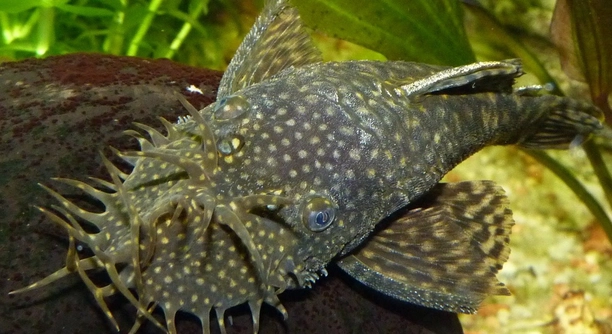
Do you ever notice your pleco quietly slipping around the tank while no one is watching? These peaceful creatures have a surprising curiosity that keeps them exploring every corner, crevice, and decoration in their environment.
Plecos engage in a range of behaviors when unwatched, including grazing on surfaces, investigating ornaments, hiding in caves, testing water currents, interacting with tank mates, nibbling on plants, and seeking out areas with minimal disturbance. These activities reflect natural instincts and environmental adaptation.
Observing these hidden behaviors helps you understand your pleco’s habits and maintain a healthier, more engaging aquarium for them.
Grazing on Surfaces
Plecos spend a lot of time grazing on surfaces throughout the tank. Their specialized mouths allow them to scrape algae, biofilm, and leftover food from decorations, rocks, and the glass walls. This behavior is natural and necessary for their diet, providing nutrients that are hard to get elsewhere. Watching them slowly move along surfaces shows how methodical and consistent they are. Some plecos focus on one area for a long time, while others move quickly from spot to spot, covering more ground. Grazing also helps them keep their environment cleaner, which can reduce the buildup of algae and prevent it from overwhelming the tank. Their constant activity on surfaces is more than feeding; it is an instinctual behavior that ensures they get enough food while exploring all areas of the aquarium. Providing enough surfaces for them to graze on encourages healthy activity and reduces stress in their habitat.
This grazing behavior supports their health and encourages natural activity that benefits both pleco and tank.
Regular surface cleaning combined with pleco grazing keeps tanks cleaner and helps maintain water quality. Observing how they interact with different textures and surfaces can guide you in placing decorations effectively, ensuring plecos have enough grazing options while creating an interesting environment. It also allows you to notice when they focus excessively on one spot, which can signal dietary or environmental adjustments. Understanding these habits ensures plecos remain active, engaged, and nourished, making the tank healthier overall.
Hiding in Caves
Plecos often seek out caves or shaded areas to rest or feel secure.
Cave usage is critical for plecos because it provides safety and a retreat from bright light or tank mates. They choose spaces that mimic their natural hiding spots, often squeezing into tight corners or under decorations. Providing multiple caves of different sizes and shapes ensures each pleco has a personal space. Hiding also reduces stress and gives them control over their environment, which supports overall health. Plecos may spend hours inside caves, coming out primarily to feed or graze, showing that secure spaces are a key component of a balanced habitat. Observing which caves they prefer helps in rearranging the tank for optimal comfort. By understanding their hiding habits, you can design an aquarium that meets both their dietary and environmental needs, promoting natural behavior and preventing territorial conflicts. Regularly checking these spots also ensures cleanliness and prevents buildup of debris or leftover food.
Interacting with Tank Mates
Plecos often interact with other fish, though they are generally peaceful. They may swim close, observe, or gently bump tank mates, asserting presence without aggression.
Interaction helps plecos establish territory and social understanding within the aquarium. While they usually avoid conflicts, certain fish may provoke defensive behavior. Plecos can display subtle body movements or fin flaring to communicate. Observing these interactions reveals which areas of the tank are favored and how plecos respond to movement around them. Some may follow slower-moving fish to graze nearby surfaces.
Understanding these interactions allows you to adjust tank arrangements, ensuring enough space for plecos to feel secure. Providing hiding spots and evenly distributing decorations minimizes stress and prevents unnecessary conflicts. These behavioral insights are important for maintaining a balanced, healthy aquarium, as plecos rely on environmental cues and gentle social exchanges to feel comfortable. Recognizing their social patterns helps in predicting behavior during feeding and maintenance.
Nibbling on Plants
Plecos sometimes nibble on live plants, though not all species do so heavily. Some prefer soft leaves, while others only test textures.
Nibbling provides fiber and contributes to their natural foraging behavior. While occasional nibbling is harmless, repeated damage can affect plant growth. Choosing hardy plants reduces the risk of destruction and ensures the tank remains visually appealing. Placement matters; plecos often target plants near grazing spots or caves, making strategic decoration important. Observing nibbling patterns shows preferences and dietary needs. Adjusting diet with supplemental vegetables can reduce plant damage while maintaining nutrition.
This behavior reflects a balance between natural instincts and aquarium management. By monitoring which plants are nibbled and providing alternatives, you can satisfy plecos’ foraging needs without sacrificing tank aesthetics. Offering vegetables like zucchini or cucumber can distract them from delicate leaves. Plant protection techniques, such as anchoring or selecting resilient species, ensure that nibbling does not compromise overall plant health. Observing these habits informs both feeding practices and tank design, supporting a harmonious environment for all inhabitants.
Testing Water Currents
Plecos often move against or with water currents to feel the flow. This helps them find comfortable resting spots and understand their environment.
They use currents to navigate efficiently, especially near filters or tank inlets. This behavior keeps them active and ensures they avoid overly strong flows that could stress them.
Exploring Decorations
Plecos frequently investigate decorations like rocks, driftwood, and ornaments. They may scrape surfaces, hide behind objects, or climb over them. This activity stimulates natural curiosity and helps maintain their physical health, keeping them active while assessing areas for safety and grazing opportunities.
Seeking Low-Light Areas
Plecos prefer dimly lit spots to rest or graze. Low-light areas reduce stress and mimic their natural habitat, providing security and comfort.
FAQ
Why does my pleco scrape the glass so much?
Plecos scrape the glass to feed on algae and biofilm. This behavior is natural and helps them get essential nutrients. Scraping also keeps surfaces clean, which benefits both the fish and the overall water quality. Excessive scraping may indicate hunger or insufficient grazing options in the tank.
Is it normal for plecos to hide most of the time?
Yes, plecos are nocturnal and naturally seek shelter during daylight hours. Hiding reduces stress and gives them control over their environment. Providing caves, driftwood, or shaded areas supports this behavior. They usually emerge during feeding or when the tank is quieter.
Why does my pleco nibble on plants?
Nibbling on plants is part of their foraging instinct. Some species prefer soft leaves, while others only explore textures. Occasional nibbling is fine, but repeated damage can harm plants. Offering supplemental vegetables like zucchini or cucumber helps satisfy this instinct without risking plant health.
Can plecos coexist with other fish?
Yes, plecos are generally peaceful and can share tanks with many fish species. They interact subtly, often swimming nearby or observing others. Conflicts are rare if there’s enough space and hiding spots. Proper tank layout and evenly distributed decorations help minimize stress.
Why does my pleco move against water currents?
Plecos test currents to find comfortable resting areas and maintain orientation. This behavior is natural, allowing them to adapt to varying flow strengths. Watching where they prefer to rest helps identify optimal tank setups and ensures the current is not too strong.
Do plecos need special decorations in their tank?
Decorations like driftwood, rocks, and caves are essential. Driftwood provides surfaces for grazing and may aid digestion. Caves offer shelter and security, while rocks and ornaments encourage exploration. Variety in texture and placement keeps plecos active and healthy.
Why does my pleco hide in low-light areas?
Low-light areas mimic their natural habitat, giving plecos a sense of safety. Resting in dim spots reduces stress and supports nocturnal activity patterns. Including shaded areas in the tank encourages natural behavior and provides balance between active and resting periods.
How often should I feed my pleco?
Feeding depends on the species and tank size, but most plecos do well with a few feedings per week. Include algae wafers, vegetables, and occasional protein sources. Overfeeding can harm water quality, so monitor consumption and adjust portions to maintain a clean, healthy tank.
Why does my pleco explore decorations repeatedly?
Repeated exploration reflects curiosity and instinct. Plecos assess safety, find grazing spots, and interact with their environment. Rotating decorations or adding new textures can keep them engaged. Observation helps identify patterns and ensures the tank provides sufficient stimulation.
What signs indicate my pleco is stressed?
Stress signs include excessive hiding, loss of appetite, rapid breathing, or aggression toward tank mates. Environmental issues like strong currents, insufficient hiding spots, or poor water quality often trigger stress. Monitoring behavior and adjusting tank conditions supports well-being and natural activity patterns.
Can plecos live alone?
Yes, plecos can thrive alone as long as their environment is enriched. Multiple hiding spots, grazing surfaces, and appropriate tank size are essential. Alone or with tank mates, their behavior remains natural if their physical and dietary needs are met.
How do I know my pleco is healthy?
Healthy plecos are active at night, have smooth skin, clear eyes, and consistent grazing patterns. They respond to feeding and interact with decorations. Regular water tests, proper diet, and observing behavior over time ensure long-term health.
Plecos are more than just quiet inhabitants of a tank. Their behaviors, from grazing on surfaces to hiding in caves, reveal a careful balance of instincts and curiosity. Observing these fish over time shows how they interact with their environment, testing currents, nibbling on plants, and exploring decorations. Each action has a purpose, whether it’s finding food, seeking shelter, or simply maintaining comfort. These natural behaviors are essential for their well-being, and recognizing them allows you to create a tank that supports both physical and mental health. By paying attention to these details, you not only keep your pleco healthy but also gain a better understanding of how these animals adapt to their surroundings.
Providing an enriched environment is key to supporting pleco behavior. Caves, driftwood, plants, and varied surfaces encourage natural activity while giving them the security they need. Water currents and lighting also play a role in their comfort, with low-light areas and gentle flows promoting stress-free conditions. A balanced diet that combines vegetables, algae wafers, and occasional protein sources complements grazing habits and keeps your pleco active. Understanding their social interactions and tendencies to explore helps prevent conflicts with other tank mates. When each aspect of the tank is designed thoughtfully, plecos display more natural and engaging behaviors, making them easier to care for and more enjoyable to watch. These small observations can guide decisions on decoration placement, feeding routines, and tank maintenance, creating a harmonious environment for both pleco and owner.
Regular attention to your pleco’s habits allows you to respond proactively to changes in behavior or health. Watching where they prefer to rest, how they interact with plants, and the paths they take while exploring can reveal much about their comfort level and needs. This awareness also helps maintain water quality, as plecos grazing on surfaces reduce algae buildup while remaining safe in well-structured hiding spots. The more you observe and accommodate these behaviors, the better you can anticipate issues before they affect health or tank stability. Plecos are creatures that reward careful attention with consistent activity and unique behaviors, making it possible to maintain a vibrant and well-balanced aquarium. By focusing on their natural instincts and creating a supportive environment, you ensure that plecos remain healthy, active, and engaged, enriching the overall tank ecosystem and your experience as a caretaker.

Hello,
If you enjoy the content that we create, please consider saying a "Thank You!" by leaving a tip.
Every little bit helps us continue crafting quality advice that supports the health, happiness, and well-being of pets around the world, for pets of all shapes, sizes, and species.
We really appreciate the kindness and support that you show us!