
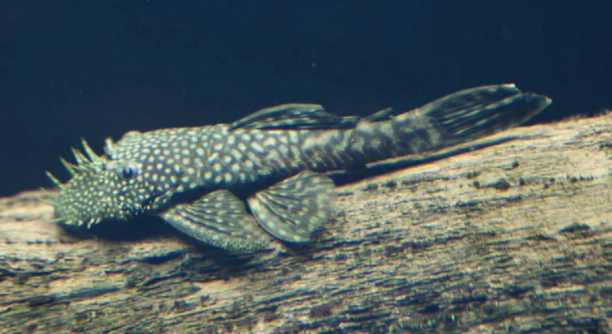
Have you ever noticed your pleco acting differently after you’ve rearranged the tank or added new decorations? These small yet fascinating fish often show subtle reactions to changes in their environment.
Plecos are capable of recognizing and remembering changes in their tanks, particularly those related to their surroundings and routines. Their spatial memory helps them navigate, locate hiding spots, and adapt to new setups, indicating a moderate level of environmental awareness.
Understanding how plecos perceive and respond to these changes can help create a more stable and comfortable home for them.
How Plecos React to Changes in Their Environment
Plecos are naturally cautious fish that value stability. When their surroundings change, they often respond by hiding more or becoming less active. This reaction is their way of adjusting to what feels like a new environment. They depend heavily on familiar structures and hiding spots, so even small rearrangements can momentarily unsettle them. Over time, however, they adapt and begin exploring again once they realize there is no threat. Their behavior reflects an ability to recognize patterns and remember safe areas within their tank. This sense of familiarity helps them feel secure and maintain normal routines such as feeding and resting.
Small adjustments, like adding new plants or moving decor, can trigger temporary stress. It’s important to make changes gradually and allow them time to adapt before adding anything new. Consistency helps them remain calm and confident in their surroundings.
Plecos also seem to recognize consistent feeding patterns and areas where food is placed. This shows their ability to remember where and when food usually appears, a behavior linked to both survival and comfort. By keeping regular routines, you help your pleco feel more at ease and build trust with its environment.
The Role of Memory in Plecos’ Daily Behavior
Plecos’ memory plays a key role in how they navigate and respond to their environment. They remember feeding times, resting areas, and even how their tank is arranged, helping them feel more settled and secure.
Studies and observations suggest that plecos possess a form of spatial memory similar to other bottom-dwelling fish. They rely on visual and tactile cues, such as the placement of rocks or driftwood, to move confidently within their territory. When decorations or tank structures change, they often take time to reestablish mental maps. This behavior indicates their awareness and memory retention, not just instinct. Plecos may also recognize consistent routines like feeding schedules or lighting changes. Keeping these consistent reduces stress and supports healthy habits. Understanding these patterns allows fish keepers to create environments that feel stable and predictable. When their surroundings remain familiar, plecos thrive, showing natural behaviors such as grazing on algae, resting under logs, and exploring calmly throughout the tank.
How Tank Conditions Affect Plecos’ Memory
Stable water conditions play a big part in how well plecos adjust and remember their surroundings. When temperature, pH, or lighting fluctuate too often, it can cause stress and affect their ability to stay calm and recognize familiar areas.
A clean and balanced tank helps keep your pleco healthy and responsive. When conditions remain consistent, plecos show smoother feeding habits, stronger exploration behavior, and less hiding. Poor water quality or frequent maintenance disruptions can confuse them and interfere with their memory-based behaviors. Maintaining regular cleaning schedules, stable temperatures, and gentle lighting transitions allows them to adapt naturally and remember familiar routines without anxiety. These stable conditions reduce unnecessary stress and strengthen their ability to form lasting associations with feeding spots and safe zones.
Providing a steady environment supports not just memory but also overall health. Plecos feel more secure and display natural behaviors like grazing and resting peacefully in their favorite hiding spots.
Environmental Enrichment and Stimulation
Adding variety to a pleco’s tank keeps its mind active and encourages exploration. Changing decorations slowly or adding new textures and shapes gives them stimulation without overwhelming them. This helps maintain both their mental and physical well-being over time.
When plecos encounter new items, they take time to observe and memorize them before fully interacting. This gradual process strengthens their memory and encourages learning through exploration. You can use driftwood, smooth rocks, and gentle currents to keep them engaged. Avoid making large changes all at once, as this can interrupt their memory patterns. Instead, introduce new features slowly to allow them to adapt comfortably. Regular enrichment not only improves their mental stimulation but also enhances their natural instincts, helping them stay alert, active, and content within their familiar environment.
How Plecos Respond to Familiar Faces
Plecos may recognize familiar faces, especially those of their caretakers. Over time, they associate specific movements or voices with feeding or tank maintenance. This recognition helps them feel safer and more comfortable when their environment remains consistent.
When handled with care and routine, plecos often show calmer behavior and less hiding. Their trust builds gradually through repetition and consistency. Feeding at the same times and approaching the tank gently encourages a sense of familiarity, allowing them to associate their owner’s presence with safety rather than stress.
Signs Your Pleco Is Adjusting Well
A pleco that remembers its surroundings behaves more naturally and confidently. You may notice it returning to favorite hiding spots, grazing openly, and moving through the tank with ease. Consistent feeding and stable conditions help reinforce these behaviors, showing your pleco is comfortable and adjusted.
When Plecos Forget Changes
Sudden or frequent changes can confuse plecos and cause them to forget new layouts. They might hide longer or explore less. Allowing them time to adapt after rearranging the tank helps restore their sense of direction and security.
FAQ
Do plecos recognize the same feeding times every day?
Yes, plecos are very aware of regular feeding schedules. They learn to associate certain times of day with food and will often move closer to their feeding area when they expect it. This behavior demonstrates their memory of routines and helps them feel secure in their environment. Regular feeding times reinforce their mental map of the tank, making it easier for them to find food without stress.
Can plecos remember where their hiding spots are?
Absolutely. Plecos rely on their memory to navigate the tank safely. They often return to preferred hiding spots, especially when feeling threatened or stressed. Familiar shelters provide security, and consistent placement of decorations and hiding areas helps plecos quickly recognize safe zones. Changes in hiding spots should be gradual to avoid disorienting them.
Do plecos react to new decorations immediately?
Plecos usually take time to explore new decorations. Initially, they may hide or move cautiously around unfamiliar objects. Over time, they investigate and incorporate these changes into their mental map. Introducing items slowly allows them to adapt and reduces stress, helping them remember new areas without confusion.
How long does it take for plecos to adapt to tank changes?
Adaptation varies depending on the pleco and the extent of the change. Minor adjustments, like moving a plant slightly, may only take a few hours for them to notice. Larger changes, like rearranging the tank layout or introducing multiple new items, can take several days to weeks. Patience is key for successful adaptation.
Can plecos remember people?
Plecos can recognize familiar caretakers, especially through repeated interaction during feeding or maintenance. They may swim closer or become more active when they see someone they associate with food and care. While not emotional in the human sense, this recognition shows memory and pattern recognition.
Do plecos remember stressful events in the tank?
Yes, plecos can remember stressful experiences, such as sudden temperature shifts, rough handling, or aggressive tankmates. After such events, they may hide more or explore less. Minimizing sudden changes and maintaining a calm, stable environment helps reduce stress and supports healthy memory retention.
Is it normal for plecos to forget after major changes?
If the tank is significantly rearranged or conditions fluctuate dramatically, plecos may appear disoriented. This temporary “forgetting” is normal as they reassess their environment. Gradually restoring stable conditions and allowing them to explore slowly helps them rebuild their mental map.
Do plecos have long-term memory?
Plecos demonstrate moderate long-term memory. They remember feeding routines, tank layouts, and familiar faces for extended periods. While they may not retain every detail, consistent environments and routines strengthen their memory and allow them to navigate and behave confidently in their habitat.
How can I help my pleco remember changes better?
Introduce changes gradually and keep routines consistent. Consistent feeding schedules, gentle handling, and stable water conditions help plecos adjust and remember. Slowly adding decorations or modifying the tank layout allows them to learn and incorporate new elements into their memory without stress.
Do plecos remember tankmates?
Plecos can recognize other fish through repeated interactions, especially in smaller tanks. They may remember which fish are aggressive or friendly. Maintaining stable social groups reduces stress and helps plecos navigate social dynamics more confidently.
Can a pleco forget if the tank is frequently cleaned or rearranged?
Frequent, drastic changes can confuse plecos. Constantly moving decorations or cleaning the tank too aggressively may make them hesitant to explore. A gentle, routine cleaning schedule allows plecos to maintain their mental map and feel secure, reducing stress-related behaviors.
Do plecos remember feeding locations within the tank?
Yes, plecos are good at remembering where food is placed. They often swim directly to familiar feeding spots and may ignore new areas until they are reassured that food might appear there. Consistency in feeding placement strengthens this memory and encourages confident behavior.
How can I tell if my pleco is remembering things well?
A pleco that recalls hiding spots, feeding routines, and responds to familiar people or objects is demonstrating good memory. Consistent, calm behavior, minimal hiding, and active exploration are signs that your pleco is adjusting well and remembering its environment.
Do plecos learn from repeated experiences?
Plecos do learn from repetition. Regular exposure to the same routines, structures, and feeding schedules reinforces memory. Over time, they become more confident and predictable in their actions, which is why consistency is important in caring for them.
Can plecos remember after being moved to a new tank?
When moved, plecos may take time to establish a new mental map. They gradually learn the new layout, favorite hiding spots, and feeding locations. Providing familiar decorations and keeping conditions stable helps them adjust faster and retain memory of essential areas in the new tank.
Do plecos recognize danger in the tank?
Plecos can remember sources of stress or perceived threats, such as aggressive tankmates or sudden environmental changes. They often adjust their behavior by hiding more or avoiding certain areas. Memory of these events helps them stay safer and navigate the tank with caution.
Can plecos adapt memory skills as they age?
Yes, plecos retain memory skills as they grow older, though very advanced age may slow learning slightly. Consistent routines, stable environments, and gentle interactions throughout their life help maintain memory and mental sharpness.
Do plecos remember lighting changes?
Plecos notice and remember lighting patterns, such as day-night cycles or gradual dimming. Predictable light changes help them maintain normal behaviors like resting, exploring, and feeding. Sudden lighting shifts can cause temporary disorientation or hiding, but regular cycles reinforce memory and comfort.
Can plecos remember tank temperature changes?
Plecos respond to temperature fluctuations and can recall stressful shifts. Consistent temperature helps them feel safe and maintain normal routines. Sudden changes can lead to hiding, reduced activity, or hesitation in exploring until they adjust to the stable conditions again.
Do plecos have preferences they remember over time?
Plecos show consistent preferences for certain hiding spots, feeding locations, and environmental features. They remember which areas are safest and most comfortable, which helps them reduce stress and engage in natural behaviors consistently.
Final Thoughts
Plecos are surprisingly aware of their surroundings. They remember feeding times, hiding spots, and even familiar people who care for them. Their memory may not be like a human’s, but it is strong enough to help them navigate, feel safe, and maintain their routines in the tank. When their environment is stable, plecos display natural behaviors more confidently, exploring, grazing, and resting without excessive stress. Changes in the tank, whether it’s rearranging decorations or introducing new tankmates, can initially confuse them, but with time and consistency, they adapt. Understanding how plecos respond to change is important for anyone keeping these fish, as it helps create a calm and secure environment.
Maintaining stable water conditions, feeding schedules, and familiar hiding spots strengthens a pleco’s memory. Sudden or frequent changes in temperature, pH, or tank layout can disrupt their mental map and make them anxious. Even small adjustments, if introduced gradually, are less likely to cause stress. Plecos also respond to enrichment, such as new decorations or textures, but they need time to explore and remember these additions. By giving them a predictable routine and slowly introducing new elements, plecos learn and adjust without feeling overwhelmed. Their memory and recognition of familiar surroundings help them thrive, showing that stability and consistency are key factors in keeping them healthy and content.
Plecos are more than just bottom-dwelling fish; they are intelligent creatures that use memory to interact with their environment and adapt to changes. Observing their behaviors, like returning to favorite spots or reacting to feeding routines, can reveal a lot about how well they remember and adjust. Providing a tank that balances stability with gentle stimulation helps them stay active, curious, and confident. Careful attention to their environment, habits, and social interactions ensures they feel secure and maintain healthy behaviors. By respecting their memory and natural tendencies, you can support their well-being and enjoy watching them thrive in a comfortable, familiar space.

Hello,
If you enjoy the content that we create, please consider saying a "Thank You!" by leaving a tip.
Every little bit helps us continue crafting quality advice that supports the health, happiness, and well-being of pets around the world, for pets of all shapes, sizes, and species.
We really appreciate the kindness and support that you show us!