
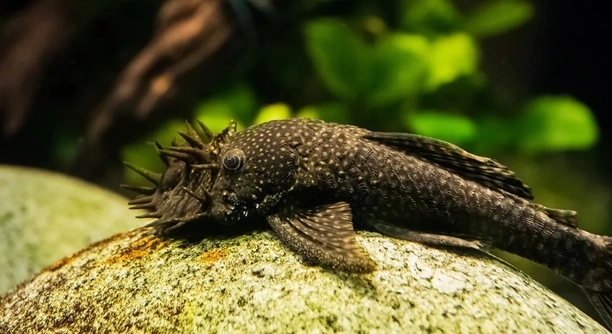
Do you ever find yourself struggling to get your shy Bristlenose to come out and eat while other fish rush to the food?
The most effective way to feed a shy Bristlenose is by using quiet, low-stress methods and offering food after lights are dimmed. Providing sinking foods, hiding spots, and consistent feeding routines encourage confident eating behavior and healthy growth.
Feeding time can be a peaceful moment once you understand their habits and create a calm environment that suits their gentle nature.
Understanding a Shy Bristlenose
A shy Bristlenose often hides behind driftwood or under rocks, avoiding open spaces during feeding time. This behavior is natural and stems from their instinct to stay protected from larger or more active fish. In a community tank, this can make feeding a challenge, especially when faster species grab food first. Creating a calm setting helps your Bristlenose feel secure enough to eat. Using dim lighting and gentle water flow encourages them to come out more often. It’s also helpful to feed at the same time each day, as they quickly learn routines. Their timid nature simply needs patience and consistency.
Many shy Bristlenose catfish become more confident over time, especially when they realize food is available regularly and without threat from other fish.
By keeping a consistent schedule and adjusting the tank’s environment, your Bristlenose will soon start appearing more often during meals, showing steady improvement.
Choosing the Right Feeding Technique
Feeding a shy Bristlenose requires careful timing and suitable food types that reach them easily before others eat it all.
One effective method is to use sinking wafers or algae tablets placed near their favorite hiding spots. Feeding them after lights go out also helps, as they are naturally more active in low light. Zucchini, cucumber, and blanched spinach are excellent natural options that can be anchored to the substrate. Another helpful approach is to feed the tank in two spots—one for active fish and one near your Bristlenose’s shelter. This reduces competition and ensures they get their share. If your fish remains shy, try using feeding cones or dishes that direct food closer to them. Over time, gentle consistency will help your Bristlenose associate feeding time with safety, encouraging them to eat more confidently and maintain better health.
Creating a Comfortable Feeding Space
A calm feeding space helps shy Bristlenose catfish feel more secure. Avoid bright lighting and strong water currents during feeding. Hiding spots made from caves, wood, or plants make them feel safe enough to come out and eat peacefully.
Place food close to their hiding areas rather than in the center of the tank. This helps them eat without competing with faster fish. Keep the area clean to prevent uneaten food from decaying, which can harm water quality. If your Bristlenose hides too much, try turning off bright lights for a while before feeding. Over time, they’ll associate these calm moments with mealtime. Regularly checking that food reaches them ensures they get the nutrition they need to stay healthy.
Once your Bristlenose starts feeling comfortable, you may notice them exploring more often. Feeding will become easier, and you’ll see more natural behaviors, like grazing on algae or resting calmly after eating.
Timing and Routine
Feeding time consistency helps shy Bristlenose catfish feel safe. They learn patterns quickly, so feeding at the same time daily encourages predictable behavior and reduces stress. Evening feedings are often best since they’re most active in lower light conditions.
Keep lights dim and distractions minimal during feeding. Offer food slowly to prevent overcrowding from other fish. When you maintain a steady schedule, your Bristlenose becomes more confident approaching food and begins to trust the routine. Consistent feeding also helps track their appetite and ensures balanced nutrition. Patience plays a key role; sudden changes in timing or tank conditions may cause them to withdraw again. Over time, a structured routine builds familiarity, comfort, and healthier eating habits.
Using the Right Food Texture
Soft vegetables like zucchini, cucumber, and spinach are gentle on their mouths and easy to nibble. Blanching them first softens the texture, making it simpler for shy Bristlenose catfish to eat without much effort.
Avoid hard or large pellets that sink too fast or crumble easily. Instead, use small, sinking wafers that maintain shape underwater. This allows slow eaters to feed calmly without losing their meal. Balanced textures help encourage consistent eating and prevent digestive discomfort.
Encouraging Natural Feeding Behavior
Bristlenose catfish enjoy grazing on surfaces, especially algae-covered wood and stones. Adding driftwood to their tank helps mimic their natural feeding environment. It not only offers shelter but also aids digestion, as they scrape and nibble on it regularly for fiber and comfort.
Monitoring Feeding Progress
Keep an eye on how much food disappears overnight. A healthy Bristlenose leaves only small scraps. Uneaten food may indicate stress or poor diet, which can be improved by adjusting feeding times or types of food offered.
FAQ
How often should I feed my shy Bristlenose catfish?
Feed your shy Bristlenose once or twice daily, depending on their size and tank setup. A single feeding in the evening usually works best since they are more active in dim lighting. If your tank includes other fish, provide an extra small feeding later to ensure your Bristlenose gets enough food. Avoid overfeeding, as uneaten food can quickly spoil and harm water quality. Observing their behavior after feeding helps you know if the timing or portion needs adjusting.
What foods are best for shy Bristlenose catfish?
Offer a variety of sinking wafers, algae tablets, and blanched vegetables. Zucchini, cucumber, spinach, and green beans are great choices. Supplement these with protein sources like bloodworms or shrimp wafers once or twice a week. The combination of plant-based and protein-rich foods supports proper growth, color, and health. Always remove uneaten food within a few hours to maintain good water conditions and prevent stress. Variety keeps their diet balanced and encourages regular feeding even when they’re shy.
Why does my Bristlenose hide during feeding?
Hiding during feeding is normal for shy Bristlenose catfish. They prefer eating when it’s quiet and the lights are low. In a community tank, faster fish often outcompete them for food, making them more reserved. Providing shaded areas or placing food near their hiding spots helps them eat comfortably. Over time, as they grow familiar with the routine, they’ll begin coming out more during feeding time. Avoid tapping on the glass or sudden movements, as these can reinforce hiding behavior.
Can I hand-feed a shy Bristlenose?
Hand-feeding a shy Bristlenose takes patience. They rarely accept food directly at first, but you can encourage this by consistently placing food in the same spot. Over time, they associate your presence with feeding. Keep movements slow and gentle, allowing them to approach on their own terms. Eventually, some may take food close to your hand, but never force interaction. Respecting their comfort builds trust naturally.
What should I do if my Bristlenose isn’t eating?
If your Bristlenose refuses food, first check water parameters. Poor water quality often causes loss of appetite. Ensure the temperature stays around 73–80°F and the tank remains clean. Try offering softer vegetables or fresh algae wafers during the evening. Dim the lights to reduce stress, and make sure they have hiding spots where they feel safe. If the fish continues not eating for several days, consider isolating it temporarily in a quiet space to observe behavior more closely.
Do Bristlenose catfish eat algae only?
No, while they love algae, it doesn’t provide complete nutrition. They need a balanced diet that includes vegetables, wafers, and occasional protein. In tanks with little algae, relying on natural growth alone isn’t enough. Regular feedings ensure they stay healthy, energetic, and maintain their beautiful bristles. A mix of plant and protein food supports both digestion and long-term health.
How can I tell if my Bristlenose is getting enough food?
A well-fed Bristlenose will have a slightly rounded belly, active movement, and regular grazing behavior. If it looks thin or hides constantly, it may not be getting enough. Watch food distribution in community tanks—fast fish may take more than their share. Adjust feeding locations or timing if necessary. Consistency helps shy Bristlenose build confidence and approach food faster.
Is it okay to leave food in the tank overnight?
Yes, for shy Bristlenose catfish, leaving food like sinking wafers or vegetables overnight is beneficial since they feed most after dark. However, remove leftovers in the morning to keep the tank clean. Rotting food can raise ammonia levels, affecting overall tank health. Using small portions helps avoid waste.
Can lighting affect their feeding habits?
Lighting plays a big role. Bright lights make shy Bristlenose retreat into hiding. Dimming or turning off lights before feeding encourages them to come out. Moonlight or soft LED lighting can help them feel safer during evening feedings. Consistent light cycles also support stable behavior and comfort in the tank.
Do shy Bristlenose eventually become less timid?
Yes, most become braver once they feel secure in their environment. Consistent feeding times, stable water conditions, and a peaceful atmosphere help build confidence. As they adapt, they’ll start exploring more during the day and feed more openly. Patience and routine are key to helping them feel at ease and thrive.
Final Thoughts
Caring for a shy Bristlenose catfish can feel challenging at first, especially when they refuse to eat while other fish rush to food. Their quiet behavior is not unusual and often reflects their natural instincts. In the wild, Bristlenose catfish spend most of their time hiding under logs or rocks, venturing out mainly at night to graze on algae and soft foods. In a home aquarium, they still follow this routine. Creating a calm, low-stress environment with dim lighting and plenty of hiding spaces helps them feel secure. Once they sense safety, they begin to appear more often during feeding time. Consistency in feeding schedules and food placement gives them a sense of predictability, which is comforting for shy species like the Bristlenose.
Feeding them properly is not only about giving the right food but also about understanding their habits. Offering sinking wafers, blanched vegetables, and the occasional protein-rich treat ensures balanced nutrition. It’s also important to monitor their eating patterns and make small adjustments when needed. For example, if food remains untouched, try feeding after lights are turned off or place food closer to their hiding areas. Clean water and stable conditions play a major role in keeping them healthy and willing to eat. Even minor stress from aggressive tank mates, sudden noise, or bright lights can make them retreat and avoid food. Patience is key here—over time, most shy Bristlenose catfish adapt and gain confidence, especially when they realize food always comes safely and regularly.
Understanding your Bristlenose’s personality makes a big difference in their well-being. Each fish has its own comfort level and routine. Some will always prefer feeding in private, while others grow comfortable enough to eat alongside other tank mates. Respecting their space, maintaining good water quality, and keeping a peaceful atmosphere all contribute to their comfort and health. Once your Bristlenose feels safe, you’ll notice them grazing more frequently, displaying vibrant colors, and appearing calm and steady. Feeding time can then become an easy, enjoyable part of your daily routine. It may take time and patience, but helping a shy Bristlenose catfish feel secure and well-fed is rewarding. They’re gentle, quiet fish that bring balance and calm to any aquarium, and their subtle presence becomes one of the most peaceful sights to enjoy.

Hello,
If you enjoy the content that we create, please consider saying a "Thank You!" by leaving a tip.
Every little bit helps us continue crafting quality advice that supports the health, happiness, and well-being of pets around the world, for pets of all shapes, sizes, and species.
We really appreciate the kindness and support that you show us!