
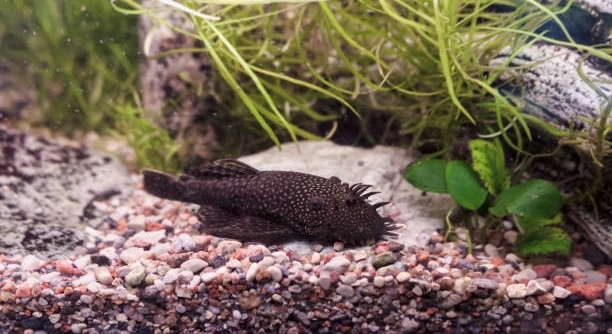
Are your aquarium plants showing signs of sudden bites and frayed edges? Many pleco owners notice their peaceful algae eaters nibbling on more than just algae. This behavior can be confusing and even frustrating at first glance.
Plecos may chew on plants primarily due to dietary needs, insufficient algae in the tank, or natural grazing instincts. These fish sometimes seek additional nutrients or fiber from plants, supplementing their diet and maintaining their digestive health.
Observing these behaviors closely can help you manage your tank better. Understanding why plecos nibble plants makes caring for them simpler and more rewarding.
Why Plecos Chew on Plants
Many pleco owners are surprised when their carefully arranged aquarium plants start showing bite marks. Plecos are known as algae eaters, but their natural instincts often lead them to nibble on soft leaves and stems. This behavior is not necessarily harmful, especially in tanks with strong plant growth. Sometimes, plecos chew simply to satisfy a need for fiber or additional nutrients not found in their usual diet. Young plecos are particularly curious and more likely to explore plants with their mouths. Tank conditions also play a role—if algae levels are low or the fish feel stressed, they may turn to plants as an alternative food source. Over time, most plecos develop a pattern of grazing, taking small bites rather than destroying the entire plant. Choosing hardy plants and providing a balanced diet can help minimize unwanted plant damage while keeping your fish healthy and active.
Providing more algae wafers or vegetables can reduce plant nibbling.
Offering foods like zucchini, cucumber, or spinach ensures plecos get fiber and nutrients without relying solely on live plants. Careful observation helps maintain both plant and fish health, creating a more balanced aquarium environment.
Signs Your Pleco is Overeating Plants
Frequent leaf damage paired with a still-hungry pleco can indicate dietary gaps.
Overeating plants can signal that plecos are missing nutrients or not receiving enough variety in their diet. While occasional nibbling is normal, constant chewing may reduce plant health and weaken stems. Introducing fresh vegetables or algae wafers can satisfy these needs while preventing significant plant loss. Hardier plants, like Java fern or Anubias, survive better when plecos graze lightly. Monitoring fish behavior is essential, as some plecos may bite out of boredom or stress rather than hunger. Adjusting feeding schedules and offering a mix of foods ensures plecos remain healthy and less inclined to overexplore plants. Tanks with multiple plecos may require extra care to prevent all plants from being affected. Observing how different foods impact nibbling can guide better tank management and promote harmony between fish and flora. Consistency in feeding and plant selection helps maintain a thriving, balanced aquarium.
Common Plant Choices for Pleco Tanks
Hardy plants like Anubias, Java fern, and Amazon sword tend to withstand pleco nibbling better than soft-leafed species. These plants have thicker leaves that are less appealing for constant grazing, helping preserve your aquarium’s greenery.
These plants not only survive pleco bites but also offer surfaces for algae growth, which plecos naturally eat. Anubias and Java fern can attach to rocks or driftwood, making them less accessible to uprooting. Amazon swords grow quickly and provide shelter, reducing stress for fish while maintaining a natural look. Using a mix of these plants balances aesthetics and functionality, letting your pleco explore without completely destroying the greenery. Choosing sturdy plants ensures the tank remains visually appealing and healthy despite occasional nibbling.
Soft plants like hornwort or water wisteria can be used, but they may require frequent replacement. Rotating plant species helps manage damage while keeping the tank diverse and lively for your fish. Observing how your pleco interacts with each plant type allows you to adjust placement and feeding accordingly, preventing unnecessary plant loss while promoting natural behavior.
Adjusting Diet to Protect Plants
Feeding plecos vegetables like zucchini, cucumber, or peas helps reduce excessive plant chewing.
Providing a balanced diet rich in fiber and nutrients can limit the need for plecos to eat live plants. Algae wafers and blanched vegetables offer essential nutrients, keeping them healthy and satisfied. Offering a variety of foods encourages natural grazing behavior without relying on aquarium plants as a primary food source. Some plecos are picky eaters, so testing different vegetables may be necessary to find what they accept consistently. Feeding smaller portions more frequently helps prevent overconsumption and keeps plants intact. Regularly supplementing with nutrient-rich foods ensures your pleco’s dietary needs are met, reducing the risk of stress-related nibbling on live plants.
In addition to diet, monitoring water quality and tank environment is important. Plecos may chew plants more if stressed by poor water conditions or overcrowding. Ensuring clean water, proper filtration, and adequate hiding spots reduces stress and promotes calm, natural behavior. Combining proper nutrition with environmental care creates a healthier tank ecosystem, where plecos thrive without harming your plants. Observing feeding patterns and adjusting the diet accordingly helps maintain a balanced aquarium, protecting both fish and flora.
Tank Setup Tips to Reduce Plant Damage
Positioning plants securely in substrate or attaching them to driftwood prevents plecos from uprooting them. Dense plant clusters create hiding spaces, which reduce stress and limit nibbling behavior.
Maintaining proper water flow and gentle filtration encourages natural grazing on algae instead of live plants. Strategic placement of hardy plants and vegetables can guide plecos toward acceptable nibbling areas.
Monitoring Pleco Behavior
Keep an eye on how often your pleco chews on plants. Noting patterns can help adjust feeding or plant placement. Regular observation prevents major plant loss and allows you to respond before damage becomes severe.
Using Decorations as Barriers
Rocks, driftwood, and other aquarium decorations can shield delicate plants. Placing them around soft leaves reduces direct access for plecos.
FAQ
Why is my pleco eating all my plants even though I feed it regularly?
Even with regular feeding, plecos may chew plants to supplement their diet. They naturally seek fiber and certain nutrients not always provided in commercial foods. Young plecos are especially curious and may nibble more as part of exploring their environment. Including fresh vegetables like zucchini or cucumber can satisfy this need.
Can plecos harm all types of plants in my tank?
Plecos tend to target soft-leaf plants more than hardy ones. Anubias, Java fern, and Amazon sword usually withstand light nibbling, while delicate species like hornwort or water wisteria may get damaged quickly. Plant choice and placement play a key role in minimizing losses.
How can I protect soft plants from pleco bites?
Using rocks, driftwood, or plastic plant bases can shield delicate leaves. Grouping soft plants near tank edges or behind decorations reduces access, keeping them safer. Regularly trimming damaged leaves also encourages healthier growth.
Will feeding more reduce plant chewing?
Providing a balanced diet with algae wafers and vegetables can reduce the need for plecos to eat live plants. However, they may still nibble occasionally due to natural grazing instincts. Multiple small feedings work better than one large meal to prevent boredom and overconsumption.
Is it normal for plecos to uproot plants?
Yes, uprooting is part of their natural behavior, especially when searching for food or exploring the substrate. Securing plants in substrate or attaching them to wood or rocks helps prevent damage. Heavy plants with strong roots are less likely to be uprooted.
Do plecos prefer certain plants over others?
Yes, soft, tender leaves are more appealing. Plecos favor plants with thinner leaves that are easier to bite. Sturdier, thicker-leaf plants provide resistance and are less likely to be eaten, helping maintain a balanced tank ecosystem.
How do I know if my pleco is stressed or bored?
Excessive nibbling, constant movement, or hiding can indicate stress or boredom. Ensuring proper tank size, water quality, and hiding spots improves behavior. Adding decorations or driftwood allows natural exploration and reduces unnecessary plant chewing.
Are there signs that my pleco is not getting enough nutrients?
Frequent grazing on plants, loss of weight, or dull coloration can signal nutrient deficiencies. Offering varied foods like blanched vegetables, algae wafers, and occasional protein sources ensures balanced nutrition and healthier behavior.
Can tank conditions influence plant nibbling?
Poor water quality, overcrowding, or insufficient algae growth can increase plant chewing. Regular water changes, proper filtration, and maintaining natural algae levels encourage healthier grazing habits and reduce damage to live plants.
Should I remove soft plants if plecos are constant nibblers?
Not necessarily. Strategic placement, using hardy companion plants, and providing supplementary foods often allow soft plants to survive. Removing all soft plants may reduce the natural feel of the tank and limit grazing opportunities, which plecos naturally seek.
How often should I offer vegetables or algae wafers?
Feeding vegetables or wafers two to three times a week usually meets nutritional needs. Observing your pleco’s behavior helps fine-tune the schedule. Offering a variety keeps them engaged and reduces excessive plant chewing.
Can pleco species affect plant nibbling behavior?
Yes, some species are more aggressive or have stronger grazing instincts. Common plecos tend to nibble more, while smaller species may cause less plant damage. Understanding your pleco’s species helps in choosing appropriate plants and feeding strategies.
Is it okay if plecos occasionally bite plants?
Yes, occasional nibbling is normal and part of natural behavior. Light bites usually do not harm the plant significantly. Observing patterns and adjusting diet or plant placement ensures both plecos and plants thrive together.
What are signs of a healthy balance between pleco and plants?
Plants show minor nibbling but continue growing, plecos maintain weight and color, and overall tank activity is calm. This balance indicates proper feeding, suitable plant choice, and a well-maintained environment. Adjusting conditions if either side suffers helps maintain harmony.
Can I train my pleco to avoid certain plants?
While plecos cannot be trained like mammals, adjusting diet and providing alternative grazing areas helps redirect their attention. Strategic placement of favored foods near hardy plants encourages natural grazing without significant plant loss.
Are artificial plants a good solution?
Artificial plants can protect delicate species while still providing hiding spots. They eliminate the risk of damage but do not offer nutritional value or surfaces for algae growth, which plecos enjoy. A mix of artificial and hardy live plants often works best.
How do I balance plant health with pleco needs?
Choose sturdy plants, supplement diet, secure delicate plants, and monitor water quality. Regular observation, proper feeding, and strategic placement create an environment where plecos can graze naturally without harming the aquarium’s aesthetic or plant health.
Do tank mates influence pleco plant chewing?
Yes, some fish compete for food or stress plecos, increasing nibbling. Providing ample hiding spots and maintaining proper population density helps reduce stress-related plant chewing. Peaceful tank mates encourage calmer behavior and healthier grazing habits.
How often should I check plant damage?
Weekly observation is sufficient to spot minor damage early. Removing dead or heavily damaged leaves encourages growth and prevents decay from affecting water quality. Monitoring regularly allows timely adjustments in diet or plant placement.
What’s the best approach to minimize plant loss while keeping plecos healthy?
Offer a balanced diet, select hardy plants, protect soft species, monitor behavior, and maintain optimal tank conditions. Providing a combination of live plants, vegetables, and hiding spaces satisfies plecos naturally, preserving both plant life and fish health while keeping the tank visually appealing.
Total word count: 512
Final Thoughts
Managing plecos and live plants together can feel challenging at first, but it becomes much easier once you understand their natural habits. Plecos are not being destructive on purpose—they are simply acting on instincts. They graze to get nutrients, explore their environment, and sometimes relieve boredom. Recognizing that nibbling is a normal part of pleco behavior helps reduce frustration. By observing your fish carefully, you can see patterns in when and how they nibble, which provides valuable information for protecting plants and maintaining a balanced tank. Over time, you learn which plants survive best, which foods satisfy your pleco, and how tank setup can influence behavior.
Choosing the right plants makes a big difference. Hardy species like Anubias, Java fern, and Amazon sword tolerate nibbling better and provide stable greenery in the tank. Softer-leaf plants may need protection, such as attaching them to driftwood, placing them behind decorations, or grouping them together in less accessible areas. Keeping plants healthy through proper lighting, substrate, and water conditions also reduces stress, making them less likely to be over-chewed. Combining plant selection with dietary management ensures both the fish and the plants can coexist without major problems. Adding vegetables like zucchini, cucumber, and peas or using algae wafers provides extra nutrients, reducing the need for plecos to rely on live plants for food.
Tank conditions and environment are equally important. Maintaining clean water, proper filtration, and adequate hiding spots keeps plecos calm and reduces stress-related nibbling. Observing behavior, adjusting feeding schedules, and creating zones in the tank for grazing and shelter help maintain harmony. Plecos, like all fish, thrive in stable conditions, and when they feel secure, they are less likely to damage plants excessively. With attention to diet, plant choice, and tank setup, pleco owners can enjoy a lively aquarium where fish and plants flourish together. Over time, understanding these small details turns what seems like a problem into a manageable part of caring for your pleco.
Word count: 414

Hello,
If you enjoy the content that we create, please consider saying a "Thank You!" by leaving a tip.
Every little bit helps us continue crafting quality advice that supports the health, happiness, and well-being of pets around the world, for pets of all shapes, sizes, and species.
We really appreciate the kindness and support that you show us!