
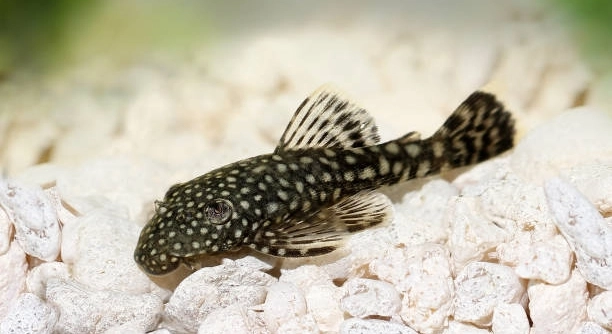
Have you ever noticed your Bristlenose Pleco lingering near the bottom of the tank on cooler days? Many aquarists pay close attention to their behavior, wondering how water temperature may affect their comfort and health.
Bristlenose Plecos prefer stable, slightly cooler water but not extreme cold. Ideal temperatures range from 73°F to 81°F, as sudden drops or prolonged exposure to cold can stress them, affect their immune system, and slow their metabolism significantly.
Maintaining the right temperature ensures your Pleco stays active and healthy, while also supporting proper feeding habits and natural behaviors in the aquarium environment.
Understanding Bristlenose Pleco Temperature Needs
Bristlenose Plecos are hardy fish, but they thrive best when their environment stays consistent. Sudden changes in water temperature can stress them, causing them to hide more often or eat less. These fish naturally live in slow-moving rivers and streams with stable climates, which means they are sensitive to fluctuations. Even small shifts can affect their metabolism, slowing digestion and growth. Maintaining a thermometer in the tank is crucial to monitor temperature accurately. Many aquarists find that using a heater or adjusting room temperature helps keep the water within the ideal range. Proper filtration also plays a role, ensuring water doesn’t become too cold near the bottom. Observing your Pleco’s behavior daily can indicate if the water is too cold or too warm. Signs like lethargy, clamped fins, or reduced appetite usually point to environmental stressors. Adjustments should be gradual to avoid shock and maintain their health.
Keeping water temperature consistent is key to your Pleco’s well-being.
Stable temperatures prevent stress, encourage regular feeding, and support natural behavior, making the aquarium a comfortable home for your Pleco.
Effects of Cold Water on Bristlenose Plecos
Exposure to cold water can slow a Pleco’s metabolism.
Cold water reduces activity levels and weakens the immune system, leaving them more susceptible to illness. When the temperature drops, their digestive system works less efficiently, which may cause leftover food to decay, impacting water quality. If the tank is too cold for prolonged periods, growth can slow, and breeding behaviors may stop entirely. Additionally, cold stress can make Plecos more vulnerable to bacterial infections and parasites. Even short-term exposure to water colder than 72°F can make them lethargic. Aquarists often notice Plecos hiding more and becoming less responsive. Avoid placing tanks near drafts, windows, or air conditioners that can lower water temperature. Gradual adjustments to heating elements or using insulated covers can help maintain a stable environment. Properly balancing water temperature is also important for the other inhabitants of the tank. By keeping the water within the recommended range, your Pleco will stay active, feed regularly, and display natural behaviors, making it easier to care for them long-term.
Adjusting Your Tank for Optimal Temperature
Even small heaters or chillers can make a big difference. Placing a reliable thermometer helps monitor fluctuations. Consistent water temperature reduces stress, keeps your Pleco active, and supports proper feeding.
Using a heater is often the easiest method to maintain ideal conditions. Choose one appropriate for your tank size and ensure it provides stable heat. Position it so that the warm water circulates evenly, avoiding hot or cold spots. If your tank is in a drafty room, consider insulation or a tank cover to prevent sudden drops in temperature. Regularly check the thermometer to catch changes early. Gradual adjustments are safer than sudden temperature shifts, which can shock your Pleco. Combining heating with proper filtration also helps maintain stable conditions, supporting overall water quality and fish health.
Cold areas in the tank can be minimized by rearranging decorations and plants. Driftwood or caves can act as buffers, giving Plecos warmer zones. Avoid placing the tank near windows, vents, or air conditioning units. Observing where your Pleco spends time can indicate if some areas are too cold. Adjust placement of heating elements and monitor activity levels. A stable environment encourages feeding, reduces stress, and helps your Pleco maintain a healthy metabolism. Even minor adjustments improve comfort and long-term well-being in the tank.
Monitoring Pleco Behavior in Cooler Conditions
Bristlenose Plecos become less active in colder water, often hiding for longer periods. Watching their patterns helps assess comfort levels.
Reduced movement and slow swimming indicate low water temperature, which may require slight adjustments. Appetite changes are also a clear sign; they may eat less when water is cooler. Keeping notes on feeding habits and activity helps identify issues before they become serious. Some Plecos may remain near the bottom or in warmer corners of the tank. Lighting, filtration, and tank decorations can also influence how they respond to cooler conditions. Gradual modifications to water temperature, combined with careful observation, ensure your Pleco remains healthy and active, avoiding long-term stress or illness.
Signs Your Pleco is Too Cold
Lethargy is the first clear sign of cold stress. Reduced appetite and clamped fins often follow, showing the fish is uncomfortable.
Hiding more than usual or staying at the bottom for long periods can indicate water is below the ideal temperature. Monitoring these behaviors helps prevent health issues early.
Gradual Temperature Adjustments
Raising the water temperature slowly is essential to avoid shocking your Pleco. Increasing by one or two degrees per day allows their metabolism to adjust. Sudden changes can stress the immune system, making them prone to illness. Combine adjustments with careful observation of activity levels and feeding habits.
Using Tank Heaters Safely
Choose heaters suitable for your tank size and fully submersible. Avoid placing them near decorations that block circulation. Proper placement ensures even warmth and reduces risk of cold spots that can stress your Pleco.
FAQ
Do Bristlenose Plecos survive in cold water?
Bristlenose Plecos can survive short periods in cooler water, but prolonged exposure below 73°F can cause stress and health issues. Their metabolism slows, making them less active and reducing appetite. Long-term cold can weaken their immune system, increasing the risk of bacterial infections. Maintaining stable, slightly cooler water is fine, but extreme cold is harmful.
How cold is too cold for a Pleco?
Water temperatures below 70°F are generally too cold. At this level, Plecos may become lethargic and stop eating. Prolonged exposure can slow growth and affect their natural behaviors, like hiding or feeding. Always monitor with a thermometer to ensure the tank stays within the safe range of 73°F to 81°F.
Can sudden temperature changes harm Plecos?
Yes. Sudden shifts, even by a few degrees, can shock your Pleco. Shock can weaken the immune system and lead to stress-related illnesses. Gradual changes of one or two degrees per day are safer. Combining heating adjustments with careful observation of activity and appetite helps prevent problems.
Do Plecos need a heater in all tanks?
Not always. If your room temperature is stable and within the safe range, a heater may not be necessary. However, most homes have temperature fluctuations that can affect water. A reliable heater ensures consistent conditions, reducing stress and supporting natural behavior. Always choose a heater appropriate for your tank size.
What signs show a Pleco is comfortable with water temperature?
Active swimming, regular feeding, and exploring the tank are good indicators. Fins should be relaxed, and the fish should not cling to one spot excessively. Healthy Plecos maintain natural color, exhibit normal breathing, and respond to the environment. Regular observation helps spot early signs of stress.
How can I adjust tank temperature safely?
Gradual adjustments are key. Raise or lower the temperature by one or two degrees per day. Use a heater or chiller suitable for your tank size and monitor with a thermometer. Avoid placing tanks near windows, air conditioners, or drafts. This helps maintain a stable, safe environment for your Pleco.
Can Plecos live with other fish in cooler water?
Yes, if the temperature remains within the safe range for all species. Some tankmates tolerate slightly cooler water, but extreme cold may stress certain fish. Observe behavior and feeding patterns of all inhabitants. Maintaining stable water conditions benefits the entire tank ecosystem.
What should I do if my Pleco shows cold stress?
Raise the water temperature gradually and ensure filtration is working properly. Remove uneaten food to prevent water quality issues. Monitor behavior daily and adjust as needed. Providing hiding spots and gentle water flow can reduce stress and help the Pleco recover comfortably.
Does water quality affect temperature tolerance?
Absolutely. Poor water quality can make Plecos more sensitive to temperature changes. Regular water testing and maintenance support overall health and improve tolerance to minor fluctuations. Stable temperature and clean water work together to ensure your Pleco thrives in its environment.
Are juvenile Plecos more sensitive to cold?
Yes, young Plecos are more vulnerable. Their immune systems are less developed, and sudden temperature drops can impact growth and survival. Extra care is needed with juveniles, including stable water, gradual temperature adjustments, and regular observation to ensure healthy development.
Can Plecos recover from mild cold stress?
If addressed quickly, Plecos often recover from mild cold stress. Gradually raising the temperature, ensuring clean water, and monitoring feeding habits can help. Recovery may take several days, and continued observation is important to ensure no long-term effects occur.
Is it normal for Plecos to hide more in cooler water?
Yes, hiding increases as a response to stress or lower metabolism. They often stay near the bottom or behind decorations where water feels slightly warmer. Occasional hiding is normal, but excessive inactivity signals that temperature may need adjustment.
Do Plecos need different temperatures in winter?
Indoor tanks can drop in temperature during winter. Slightly warmer water may be necessary to maintain comfort. Avoid large swings by using a reliable heater and insulating the tank. Gradual seasonal adjustments prevent stress and keep Plecos active and healthy.
How do I balance temperature for mixed-species tanks?
Consider the temperature requirements of all fish. Maintain a range that suits the most sensitive species while remaining safe for Plecos. Gradual changes, proper filtration, and monitoring activity help balance the needs of different species without compromising health.
Can tank decorations influence temperature zones?
Yes, driftwood, caves, and plants can create microzones with slightly warmer or cooler water. Plecos may use these areas to regulate their comfort. Observing where your Pleco spends time helps identify any cold spots or areas needing adjustment.
Does feeding frequency change in colder water?
Yes. Metabolism slows in cooler water, so Plecos may eat less. Offer smaller portions to avoid leftover food decaying and affecting water quality. Adjust feeding based on observed appetite rather than a fixed schedule.
Are Plecos more active in warmer water?
Within their ideal range, slightly warmer water can increase activity and feeding behavior. However, water that is too warm can cause stress, oxygen depletion, and faster metabolism, so maintaining the proper range is crucial.
Do Plecos need extra oxygen in cooler water?
Cooler water holds more oxygen naturally, but stagnant areas may still cause low oxygen zones. Ensure proper water circulation and aeration, especially if using heaters or tanks with heavy decorations, to keep oxygen evenly distributed for the Pleco.
Can stress from cold water affect lifespan?
Chronic stress from low temperatures can shorten lifespan by weakening the immune system and increasing susceptibility to disease. Maintaining stable, appropriate water temperature is key to ensuring long-term health and normal growth patterns for your Pleco.
Is it safe to leave the tank unheated overnight?
If room temperature stays within the safe range, occasional unheated nights are generally safe. However, frequent drops can stress the Pleco. Using a heater ensures consistency and protects against unexpected cold periods, particularly in colder climates or winter months.
This FAQ section covers the most common concerns about Bristlenose Plecos and cold water, helping ensure proper care, comfort, and health for your fish.
Final Thoughts
Bristlenose Plecos are generally hardy fish, but their well-being depends on a stable and suitable water temperature. While they can tolerate slightly cooler conditions than tropical fish, consistently cold water can cause stress, reduce activity, and affect their appetite. Monitoring water temperature with a reliable thermometer is a simple step that makes a significant difference in their health. Using a properly sized heater or adjusting room conditions can help maintain a comfortable range, typically between 73°F and 81°F. Gradual changes in temperature are always safer than sudden shifts, as sudden drops can shock their metabolism and weaken their immune system. Observing daily behavior, such as swimming patterns, feeding, and resting habits, helps indicate whether the temperature is appropriate. A Pleco that is active, eating well, and exploring the tank is usually thriving, while one that hides excessively or moves sluggishly may need environmental adjustments.
Proper temperature management also benefits the overall tank ecosystem. Cold stress in Plecos can indirectly affect water quality, as reduced feeding or slowed digestion may lead to leftover food decaying and increasing waste levels. Maintaining stable water conditions supports healthy filtration and prevents fluctuations in oxygen and chemical balance. Tank decorations, plants, and driftwood can influence microzones of temperature, offering warmer or cooler areas that your Pleco may use. Paying attention to where your fish spends most of its time can guide small adjustments, such as repositioning heaters, adding insulation, or changing water circulation patterns. Consistent maintenance and careful observation create an environment that allows Plecos to show natural behaviors, feed properly, and grow steadily. Even minor improvements in tank setup can have a noticeable impact on their comfort and longevity.
Caring for Bristlenose Plecos requires attention to both water temperature and overall habitat conditions. While they are resilient, prolonged exposure to temperatures outside their preferred range can cause long-term health issues, including slowed growth and increased vulnerability to disease. Providing stable water, proper filtration, and balanced feeding supports their immune system and encourages regular activity. Adjusting conditions gradually, monitoring behavior, and maintaining clean water helps prevent stress-related problems. A tank that maintains stable temperatures not only keeps your Pleco healthy but also creates a balanced environment for other tank inhabitants. With consistent care, your Bristlenose Pleco can thrive, demonstrating active swimming, natural feeding, and healthy growth, making it a satisfying and enduring part of your aquarium.

Hello,
If you enjoy the content that we create, please consider saying a "Thank You!" by leaving a tip.
Every little bit helps us continue crafting quality advice that supports the health, happiness, and well-being of pets around the world, for pets of all shapes, sizes, and species.
We really appreciate the kindness and support that you show us!