
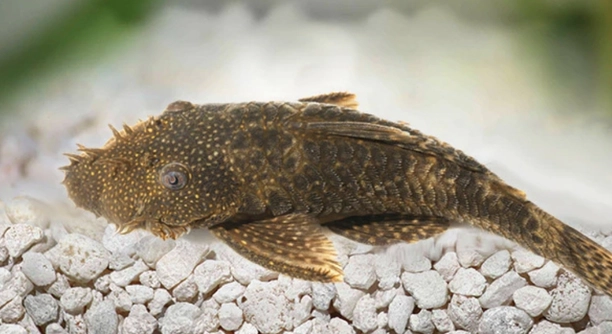
Are your plecos growing slower than expected despite your careful attention to their tank and diet? Many aquarists face this challenge without realizing small missteps can accumulate and affect their fish’s overall development and health.
Several factors can hinder pleco growth, including inadequate tank size, poor water quality, insufficient nutrition, and inconsistent feeding schedules. Recognizing and correcting these missteps ensures optimal growth rates, better health, and a more vibrant appearance in your plecos over time.
Addressing these common mistakes can help your plecos thrive and reach their full potential more efficiently. Careful adjustments make a significant difference in their development.
Inadequate Tank Size
Plecos need ample space to grow properly. A tank that is too small restricts their movement and can stunt growth. Many plecos eventually reach a size that makes standard tanks insufficient, so monitoring their adult size is crucial. Overcrowding also increases stress, which affects feeding and immune function. Providing hiding spots and territories within the tank reduces stress and allows natural behaviors, such as grazing and exploring. When planning a tank, consider both the adult size of your pleco and the number of other fish. A tank that allows free swimming and offers multiple zones for resting will support healthy development. Proper filtration and circulation are also essential in larger tanks, helping maintain water quality. Regular water changes and testing ensure the tank remains a safe environment. The investment in a suitable tank benefits both the fish’s health and your overall satisfaction with your aquarium.
Providing more space allows plecos to move freely and grow steadily without stress.
Larger tanks also reduce competition for food and oxygen, creating a healthier ecosystem. Plecos can establish territories and exhibit natural behaviors. A properly sized tank allows for better filtration and water quality management, which directly impacts their growth. Monitoring adult size and planning accordingly prevents long-term health issues, ensuring plecos thrive comfortably in their environment.
Poor Water Quality
Ignoring water quality can quickly impact pleco development. Even minor fluctuations in pH, ammonia, nitrites, or nitrates can stress fish and slow growth.
Maintaining stable parameters is key. Frequent testing and water changes prevent harmful spikes and ensure a clean, balanced habitat.
Plecos rely on consistent water conditions to thrive. Dirty or unbalanced water increases susceptibility to disease and reduces appetite, slowing development. High nitrate levels or sudden pH changes disrupt their digestive and immune systems. Filtration must match tank size, and substrates should not trap debris excessively. Temperature stability is also critical; plecos prefer slightly warm water, which promotes proper metabolism and feeding behavior. Observing the fish regularly helps identify stress signs, like sluggishness or unusual hiding, indicating water quality issues. Using conditioned water, avoiding overfeeding, and cleaning uneaten food promptly keeps the environment safe. Over time, stable, clean water encourages consistent growth, better coloration, and stronger immunity, allowing plecos to reach their potential size and health.
Insufficient Nutrition
Plecos require a balanced diet to grow well. Feeding only one type of food can lead to deficiencies and slow development. Variety is essential for proper health.
A diet high in vegetables, algae wafers, and occasional protein sources ensures plecos get necessary vitamins and minerals. Avoid relying solely on processed foods or pellets, as they may lack key nutrients. Fresh vegetables like zucchini, cucumber, and spinach are ideal for daily feeding. Occasional protein from shrimp or bloodworms supports growth but should not dominate the diet. Feeding small amounts multiple times a day encourages healthy digestion and prevents overfeeding, which can foul water. Monitoring what the pleco eats helps adjust portions and ensures no food is wasted. Maintaining this balanced feeding routine allows plecos to develop steadily while maintaining vibrant coloration and strong health.
Consistent attention to diet and variety improves growth rates. Observing how your pleco responds to different foods helps refine their feeding schedule. Balanced nutrition directly impacts metabolism and immunity, supporting long-term vitality. Over time, a carefully managed diet prevents stunted growth and strengthens overall resilience, making plecos more active and robust.
Inconsistent Feeding Schedules
Skipping meals or feeding at irregular intervals stresses plecos and slows growth. Regular feeding establishes routine and improves overall health.
A stable schedule helps plecos maintain proper metabolism and energy levels. Feeding at the same time each day allows them to anticipate food and digest efficiently. Irregular feeding can lead to overeating during some meals and missed nutrients during others, causing uneven growth. Young plecos may require more frequent feeding, while adults need consistent portions to prevent obesity or malnutrition. Observation is crucial; adjust timing based on activity levels and appetite. Automatic feeders can assist in maintaining a regular schedule, especially when away from home. Over time, this consistency promotes steady growth, healthier behavior, and a well-maintained tank environment.
Feeding consistency also improves water quality by reducing leftover food. Predictable routines encourage natural grazing behaviors and reduce stress. Regular observation allows you to identify changes in appetite early, helping to prevent potential health issues.
Overcrowding
Too many fish in a tank limits space for plecos to move and grow. Overcrowding increases stress, which slows development.
Limited space also reduces oxygen availability and raises waste levels. Each pleco needs room to graze, hide, and establish territory to maintain healthy growth.
Lack of Hiding Spots
Plecos need caves, driftwood, or plants for security. Without hiding areas, they become stressed and eat less. Stress directly affects growth, coloration, and immunity, so providing ample shelters helps plecos feel safe and encourages natural behaviors.
Improper Lighting
Excessive or inadequate lighting disrupts plecos’ natural cycles. Plecos are nocturnal and prefer dim lighting, which supports feeding, resting, and growth. Bright or prolonged light periods can stress them, reducing appetite and slowing development. Adjusting light duration and intensity improves overall well-being.
Ignoring Signs of Illness
Early signs of illness like lethargy, faded color, or abnormal swimming often indicate underlying issues. Addressing health problems promptly prevents stunted growth and long-term damage.
FAQ
How often should I feed my pleco?
Plecos benefit from a consistent feeding schedule. Younger plecos may need food twice daily, while adults can thrive on once-a-day feedings. Offer small amounts at each meal to avoid overfeeding and water pollution. Include a mix of vegetables, algae wafers, and occasional protein to support healthy growth. Observing how much your pleco eats helps adjust portions and timing effectively.
What vegetables are best for plecos?
Zucchini, cucumber, spinach, and peas are ideal staples. These vegetables provide essential fiber and nutrients while supporting healthy digestion. Rotate different vegetables to prevent nutritional gaps. Blanching tougher vegetables softens them for easier consumption. Avoid feeding only one type of vegetable, as variety encourages balanced development and better appetite.
Can plecos live with other fish?
Yes, but tank size and compatibility matter. Overcrowding or aggressive tank mates can stress plecos, affecting growth. Ensure hiding spots and territories for your pleco. Peaceful community fish generally coexist well, while large, aggressive, or territorial species can create stress and competition for food. Observation is important to prevent conflicts and maintain a stable environment.
How do I maintain water quality for growth?
Regular testing of ammonia, nitrites, nitrates, and pH is essential. Perform weekly water changes to remove waste and maintain balance. Use proper filtration suitable for the tank size. Avoid overfeeding, as leftover food deteriorates water quality. Stable water temperature and gentle circulation reduce stress and support metabolism, feeding efficiency, and immunity.
Why does my pleco hide constantly?
Plecos are naturally nocturnal, so hiding during the day is normal. However, excessive hiding may indicate stress, poor water quality, or illness. Ensure the tank has proper hiding spots, stable water parameters, and a balanced diet. Monitor behavior, appetite, and coloration to identify underlying issues that may affect development.
Do plecos need supplements?
Occasionally, supplements like calcium or vitamins can support shell and fin growth, especially if diet lacks variety. However, overuse may harm water quality. Focus on providing fresh vegetables and high-quality algae wafers first. Only add supplements if deficiencies are observed or recommended by a knowledgeable aquarist.
How fast do plecos grow?
Growth rates depend on species, tank conditions, diet, and water quality. Some plecos grow quickly within months, while others take years to reach full size. Providing ample space, clean water, and consistent nutrition ensures the fastest and healthiest development possible. Monitor progress and adjust care as needed to support steady growth.
What are signs of stunted growth?
Slow or uneven growth, dull coloration, small fins, and weak body structure indicate stunting. Stress, poor water quality, inadequate diet, or overcrowding often cause this. Identifying and correcting these factors early can reverse some effects. Maintaining consistent care practices helps plecos reach their potential size over time.
Can I speed up my pleco’s growth safely?
Yes, by improving diet, water quality, and tank conditions. Avoid overfeeding or unsafe additives. Providing a variety of foods, stable water parameters, proper tank size, and hiding spots encourages natural, steady growth. Quick fixes rarely work and may harm the fish. Patience and consistent care yield the best results.
Is breeding plecos affected by these missteps?
Yes, stressed or poorly nourished plecos may fail to breed. Proper tank setup, clean water, and balanced nutrition are critical. Healthy adults are more likely to spawn successfully, while compromised conditions reduce fertility and offspring survival. Ensuring optimal care supports both growth and reproductive success.
How often should I check water parameters?
Testing water weekly is ideal for stable growth. Frequent monitoring catches harmful spikes early. Ammonia, nitrite, nitrate, and pH levels should remain within safe ranges. Adjust filtration, perform partial water changes, and observe fish behavior to maintain a healthy environment that promotes consistent development.
What is the best tank temperature for growth?
Most plecos prefer slightly warm water, typically between 74–80°F (23–27°C). Stable temperatures support metabolism, appetite, and digestion. Sudden changes or extreme temperatures stress the fish, reducing feeding efficiency and slowing growth. Use a reliable heater and thermometer to maintain consistent conditions.
How do I know if my pleco is healthy?
Healthy plecos are active at night, show vibrant coloration, eat regularly, and have smooth fins and scales. Lack of appetite, discoloration, unusual hiding, or labored breathing signals problems. Promptly addressing water quality, diet, and potential illness helps maintain optimal development and prevents stunting.
Can tank decorations affect growth?
Yes, insufficient or sharp decorations can stress plecos or cause injuries. Provide driftwood, caves, and smooth hiding spots to encourage natural behavior and reduce stress. Proper decor also supports grazing, resting, and territorial needs, which directly impact growth and overall health.
Is it normal for plecos to grow at different rates?
Yes, genetics, diet, tank conditions, and social hierarchy affect growth rates. Some plecos naturally grow faster, while others are slower. Focus on maintaining consistent care, providing proper nutrition, and monitoring health rather than comparing individuals. Variation is normal, but severe lag may indicate underlying issues.
Final Thoughts
Caring for plecos requires attention to several key factors, each of which directly impacts their growth and overall health. Many plecos fail to reach their potential size due to common mistakes that can easily be overlooked. Providing a properly sized tank is one of the most important steps. A tank that allows ample swimming space and room for multiple hiding spots reduces stress and encourages natural behavior. Plecos need areas to graze, rest, and establish territories. Overcrowding not only limits physical movement but also increases competition for food and oxygen, which slows development. Maintaining a clean environment with adequate filtration and regular water changes is equally critical. Monitoring water quality helps prevent spikes in ammonia, nitrites, or nitrates, which can cause illness or stunt growth.
Nutrition plays an equally vital role in pleco development. Offering a variety of foods, including vegetables, algae wafers, and occasional protein, ensures that plecos receive all necessary vitamins and minerals. A limited or unbalanced diet can quickly lead to deficiencies and slower growth. Feeding schedules also matter; regular, consistent meals promote better digestion and metabolism. Irregular feeding or skipping meals can stress plecos, reduce appetite, and hinder their development. Paying attention to how your pleco responds to different foods allows you to adjust portions and timing to meet their individual needs. Supplements can help in specific cases, but the focus should remain on a diverse, balanced diet to support steady growth naturally.
Monitoring behavior and health is just as important as tank size, water quality, and diet. Signs of stress, disease, or stunted growth should be addressed promptly to prevent long-term issues. Plecos that are lethargic, have faded coloration, or hide excessively may need adjustments to their environment, diet, or water parameters. Providing proper lighting, hiding spots, and a stable environment reduces stress and allows plecos to thrive. Growth will not always be immediate, and genetics also play a role, but maintaining consistent care practices creates the best conditions for healthy, steady development. By focusing on these factors and making small, careful adjustments, plecos are more likely to grow efficiently, remain healthy, and exhibit vibrant natural behavior in the aquarium. Consistency, observation, and attention to detail are key elements in supporting their long-term well-being.

Hello,
If you enjoy the content that we create, please consider saying a "Thank You!" by leaving a tip.
Every little bit helps us continue crafting quality advice that supports the health, happiness, and well-being of pets around the world, for pets of all shapes, sizes, and species.
We really appreciate the kindness and support that you show us!