
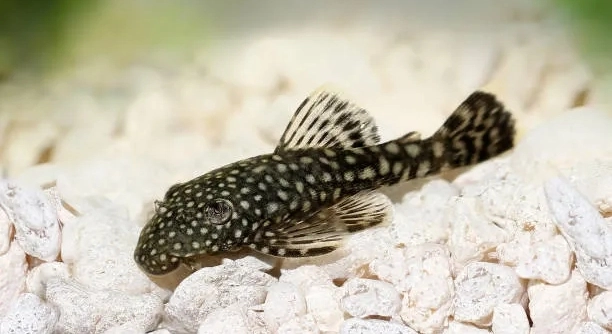
Have you ever noticed your Bristlenose Pleco exploring every corner of the tank and wondered if it truly needs a cave to stay healthy and content?
Bristlenose Plecos can survive without caves, but they do not thrive. Caves offer security, reduce stress, and provide essential breeding spaces. Without them, Plecos may become anxious, territorial conflicts can arise, and their natural behaviors may be suppressed over time.
Providing caves not only supports their instincts but also enhances their overall well-being and aquarium harmony.
Why Bristlenose Plecos Need Caves
Caves are more than just decoration for Bristlenose Plecos—they are essential for their comfort and natural behavior. These fish are nocturnal and prefer spending most of their time hidden during the day. In the wild, they retreat into crevices, driftwood hollows, or shaded areas to rest and avoid predators. When kept in aquariums without proper hiding spaces, they may feel exposed and stressed. A cave provides a safe environment where they can relax and feel secure. It also helps them establish territory, especially when living with other tankmates, reducing aggressive behavior and tension.
Without caves, Bristlenose Plecos may become restless or less active. Their natural need to hide and claim space is part of their instinctive behavior. Giving them a cave supports this instinct and promotes a more balanced temperament.
Caves also play a vital role in the breeding process. Male Plecos use caves to attract females and guard eggs until they hatch. Having the right type of cave, typically narrow and dark, ensures successful spawning. Breeding becomes safer for both parents and fry, as the cave offers protection from other fish. A tank with proper shelter not only enhances their health but also creates a more natural and peaceful habitat overall.
Choosing the Right Cave for Your Pleco
Selecting the right cave depends on the size and personality of your Pleco. It should be snug enough to make them feel secure but large enough to move comfortably.
Caves can be made from various materials like ceramic, driftwood, or natural stones. Ceramic and clay caves are easy to clean and last long, while driftwood adds a natural appearance and additional hiding spots. Avoid sharp edges that may injure your Pleco or harm its sensitive body. The cave entrance should be wide enough for easy access but small enough to create a sense of safety. Place the cave in a shaded area of the tank with minimal current to mimic their natural habitat. Maintaining several hiding spots, especially in community tanks, ensures every Pleco has its own space. A thoughtful setup not only supports their instincts but also brings calmness and stability to the aquarium environment.
What Happens When Bristlenose Plecos Don’t Have Caves
When Bristlenose Plecos lack caves, they often display signs of stress such as hiding behind filters, decorations, or plants. This constant search for shelter can lead to fatigue, reduced activity, and weaker immune function over time.
Without a proper hiding place, Plecos become territorial and defensive. They may chase other fish away or show aggression to claim improvised spaces. This behavior can disrupt the calmness of the aquarium. Stress also affects their appetite, causing them to eat less or become picky. Over time, a lack of shelter can make them more prone to diseases and shorten their lifespan. Providing a comfortable cave helps them feel safe, lowering aggression and stress-related issues.
Additionally, breeding becomes nearly impossible without caves. Male Bristlenose Plecos need secure spots to care for eggs, and females require protection during spawning. Without caves, their breeding instincts are suppressed. Reproductive success depends heavily on the availability of these private, enclosed areas. Offering even a few well-placed caves can restore their natural routines and promote healthier behavior.
Ideal Tank Setup for Comfortable Plecos
A well-structured tank provides everything a Pleco needs to thrive—security, comfort, and space to explore. Focus on natural elements that reflect their native river environments for the best results.
Include caves, driftwood, and flat rocks to offer hiding places and algae surfaces for grazing. Maintain stable water parameters, with temperatures between 73°F and 81°F, and ensure proper filtration to keep the water clean. A dimly lit environment supports their nocturnal nature and reduces stress. Adding smooth substrates prevents injury to their sensitive bellies. Plants like Anubias or Java Fern can create extra shade and make the aquarium feel more natural. Regular cleaning and consistent feeding with vegetables and algae wafers help them remain healthy. When all these conditions come together, Bristlenose Plecos stay calm, active, and display their best colors.
Common Mistakes When Setting Up Caves
Many aquarists make the mistake of choosing caves that are too large or too bright. Bristlenose Plecos prefer tight, dark spaces where they feel secure. Oversized or transparent caves make them uncomfortable and fail to provide proper hiding spots.
Another common issue is poor placement. Caves positioned near strong water currents or bright lights discourage Plecos from using them. It’s best to place caves in shaded areas with stable flow and near natural decorations like driftwood or plants for added comfort.
How Many Caves Should You Have
The number of caves depends on the number of Plecos and tank size. Ideally, provide at least one cave per Pleco to avoid territorial disputes. In community tanks, having extra caves prevents aggression and ensures every fish has its own safe space. More caves create a calmer, more balanced aquarium environment overall.
Maintaining the Caves
Regular maintenance keeps caves safe and clean. During water changes, gently remove debris and algae buildup inside the caves. Avoid harsh chemicals—simple rinsing with tank water helps maintain a healthy bacterial balance. Clean, well-kept caves encourage your Plecos to use them regularly and remain active.
FAQ
Can Bristlenose Plecos survive without caves?
Yes, they can survive without caves, but survival does not mean thriving. Without caves, Plecos may experience higher stress levels and display more aggressive or restless behavior. Providing hiding spots helps them feel secure and supports natural behaviors such as resting, grazing, and establishing territories.
What types of caves are best for Plecos?
Caves made from ceramic, clay, driftwood, or smooth rocks work well. Driftwood also provides grazing surfaces for algae. Avoid sharp edges that could injure their delicate fins and bodies. The entrance should be snug but allow comfortable entry and exit. Dark, enclosed spaces are ideal.
How many caves should I provide?
Ideally, each Pleco should have its own cave to reduce stress and prevent territorial disputes. In community tanks, having extra caves ensures everyone has a hiding spot. Multiple caves also allow for natural behaviors such as resting and grazing without competition.
Can Plecos breed without caves?
Breeding is unlikely without caves. Male Plecos rely on secure, enclosed spaces to guard eggs, and females prefer protection when laying eggs. Lack of caves suppresses spawning instincts, making reproduction difficult. Even a few properly placed caves can significantly improve breeding success.
Do caves affect Pleco health?
Yes, caves directly influence health. A secure environment lowers stress, reduces aggression, and promotes normal activity. Stress from inadequate hiding spots can weaken the immune system, reduce appetite, and make Plecos more prone to illness. Clean, safe caves support both physical and mental well-being.
Can I use plants as hiding spots instead of caves?
Plants can offer partial cover but are not a full substitute for caves. While broad leaves or dense plant clusters provide some security, they do not offer the same enclosed safety. Plecos need tight, dark spaces to feel completely secure, especially for resting or breeding.
How often should caves be cleaned?
Caves should be gently cleaned during regular water changes. Remove debris and excess algae without using chemicals, which can harm Plecos. Rinsing with tank water is sufficient to maintain hygiene while preserving beneficial bacteria that support the tank’s ecosystem.
Will Plecos fight over caves?
Yes, without enough caves, territorial disputes can occur. Aggression increases if multiple Plecos try to claim the same hiding spot. Providing multiple caves reduces stress, prevents conflicts, and allows each fish to establish its own secure area within the tank.
Can I make DIY caves for Plecos?
Yes, DIY caves are possible using safe materials such as coconut shells, PVC pipes, or untreated driftwood. Ensure there are no sharp edges and that materials are aquarium-safe. Caves should be sturdy, dark inside, and appropriately sized for the Plecos to enter and exit easily.
Do caves need to be anchored or weighted?
Yes, caves should be stable to prevent tipping or floating. Heavy ceramic, stone, or properly anchored driftwood works best. Unstable caves can injure fish or damage the tank substrate. Secure placement ensures safety and encourages consistent use by your Plecos.
Can Plecos adapt if caves are introduced later?
Yes, Plecos generally adapt quickly to new caves, even if added after they have been in the tank for some time. They will explore and eventually settle into the new hiding spots, showing calmer behavior and increased activity.
Are caves necessary in small tanks?
Even in small tanks, caves are important. Limited space makes hiding spots even more critical to reduce stress and aggression. Choose smaller caves that fit comfortably but still provide security. Proper placement ensures Plecos have a safe, stress-free environment regardless of tank size.
Do caves help Plecos molt or grow bristles?
Yes, caves support natural behaviors that contribute to healthy growth, including bristle development. Secure, stress-free environments encourage normal feeding, resting, and breeding behaviors, all of which support physical development and overall well-being.
Can multiple Plecos share a cave?
Sharing a cave is not ideal, especially for adults. Territorial conflicts may arise, causing stress and aggression. Juvenile Plecos may tolerate sharing temporarily, but providing separate caves ensures safety, calm behavior, and healthy interaction among tank inhabitants.
Do Plecos use caves during the day or night?
Primarily during the day. Bristlenose Plecos are nocturnal and use caves to rest in shaded, secure environments. At night, they become more active, leaving caves to graze on algae, driftwood, and other surfaces throughout the tank.
Can adding caves improve Pleco longevity?
Yes, providing secure caves reduces stress, supports natural behavior, and promotes proper feeding and resting habits. These factors contribute to overall health and can help Plecos live longer, more active, and less anxious lives in captivity.
Do Plecos prefer one type of cave over another?
They often prefer darker, enclosed spaces with smaller entrances. Driftwood or ceramic caves with natural textures are popular. Observing their behavior helps determine which caves are most comfortable. Placement, darkness, and security are more important than material type.
Is it okay to have caves near filters or heaters?
No, caves should be placed away from strong currents or heat sources. Excessive flow or heat can discourage Plecos from using them. Position caves in calm areas of the tank, ideally shaded and protected by plants or decorations, for optimal comfort and safety.
Can caves reduce stress for other fish in the tank?
Yes, caves can indirectly reduce overall tank stress. By giving Plecos secure hiding spots, they become less aggressive toward tankmates. A calmer, more peaceful environment benefits all fish, promoting natural behavior and stable social interactions within the aquarium.
Do Plecos need different cave types as they grow?
Yes, as Plecos grow, they require larger caves to accommodate their size. Small caves suitable for juveniles may become restrictive. Providing appropriately sized caves throughout different life stages ensures they continue to feel secure and exhibit natural behaviors consistently.
Can caves prevent algae overgrowth on tank surfaces?
Indirectly, yes. Caves encourage Plecos to graze on algae-covered surfaces nearby. While caves themselves won’t eliminate algae, they create a comfortable environment that motivates Plecos to feed naturally, contributing to algae control and maintaining a balanced aquarium ecosystem.
Are there signs a Pleco dislikes its cave?
Yes, signs include avoiding the cave entirely, staying in exposed areas, or constantly moving in search of other hiding spots. Improperly sized, brightly lit, or unstable caves often lead to these behaviors. Adjusting size, darkness, or placement usually resolves the issue.
How do I know if my Pleco is using its cave?
Observation is key. Plecos often enter caves during the day to rest. Look for signs of activity around the cave, such as bite marks on driftwood, algae grazing nearby, or the fish retreating into the space regularly. Consistent use indicates comfort and security.
Can caves be combined with other hiding solutions?
Yes, combining caves with dense plants, driftwood, or rock formations provides varied hiding options. Multiple layers of cover create a naturalistic environment, reduce stress, and allow Plecos to express normal behavior without overcrowding or territorial disputes.
Do Plecos need caves in a bare-bottom tank?
Absolutely. Bare-bottom tanks lack natural hiding spaces, making caves essential. They offer shelter, reduce stress, and allow Plecos to display normal behaviors like resting and grazing. Proper cave placement compensates for the lack of substrate or decorations.
Is there a preferred cave shape for Plecos?
Narrow, elongated caves with a single entrance work best. Rounded or dome-shaped caves also suit them, as long as the interior feels secure. The goal is to mimic natural crevices and hollows, providing a safe, enclosed area where Plecos can feel protected.
Do caves affect Pleco feeding habits?
Indirectly, yes. Stress from inadequate hiding spots can reduce appetite and make feeding irregular. Comfortable caves create a calm environment, encouraging regular grazing and consumption of algae, vegetables, and other prepared foods, supporting overall nutrition and health.
Can Plecos share caves with other species?
It is generally not recommended. Other fish may intrude, causing stress or aggression. If sharing occurs, ensure there are enough caves to allow all species to retreat safely. Multiple hiding options reduce conflict and maintain a balanced tank environment.
Are caves necessary for all Pleco species?
While some species tolerate bare tanks better, Bristlenose Plecos specifically rely on caves for comfort, stress reduction, and breeding. Providing caves is a best practice for their well-being and natural behavior, regardless of tank setup or size.
Can caves influence Pleco coloration?
Yes, a stress-free environment with proper caves allows Plecos to maintain vibrant colors. Stress and exposure in open tanks can dull their coloration. Comfortable hiding spots promote overall health, resulting in brighter, more consistent color patterns.
How long do Plecos typically stay in caves?
During daylight hours, they often remain inside for most of the day, emerging primarily at night to feed. The duration depends on stress levels, tank conditions, and tankmate activity. Secure, well-placed caves increase the likelihood of extended rest periods.
Can multiple cave styles be used in one tank?
Yes, combining driftwood, ceramic, and rock caves provides variety and accommodates different preferences. Some Plecos may prefer one type over another. Offering multiple styles increases comfort, encourages exploration, and reduces territorial disputes.
Do Plecos need caves in planted tanks?
Yes, even in heavily planted tanks. Dense vegetation provides partial cover but not the secure, enclosed shelter that caves offer. Caves complement plants, giving Plecos dedicated resting and breeding spaces while still allowing them to graze and explore naturally.
Are caves important for juvenile Plecos?
Yes, juvenile Plecos need caves for security and to establish territory as they grow. Smaller caves help them feel protected, reduce stress, and encourage normal growth and feeding habits. As they mature, larger caves should be provided to match their size and behavior needs.
Can Plecos refuse to use a cave?
Yes, if the cave is too large, too bright, or poorly placed. Observing their behavior helps identify unsuitable caves. Adjusting size, placement, or darkness usually resolves this, allowing Plecos to feel comfortable and utilize the hiding space.
Do caves require special care for breeding Plecos?
Yes, breeding caves should be clean, stable, and appropriately sized for the male and female. They must provide a secure, enclosed space for egg laying and guarding. Regular checks during spawning ensure eggs remain safe and the environment supports natural breeding behaviors.
Can caves reduce aggression in community tanks?
Yes, caves allow Plecos to claim their own space, reducing territorial disputes and aggression toward tankmates. Multiple hiding spots ensure all fish feel secure, creating a calmer, more stable tank environment and promoting peaceful interactions.
Do Plecos explore multiple caves or stick to one?
Many Plecos explore several caves but often select a primary favorite for resting and breeding. Others may serve as temporary retreats or grazing areas. Offering variety ensures comfort and encourages natural exploratory behavior without causing stress or competition.
Are caves only for adult Plecos?
No, caves benefit Plecos at all life stages. Juveniles need protection and space to grow, while adults rely on caves for stress reduction, resting, and breeding. Properly sized caves should be available for each stage to ensure ongoing health and natural behavior.
Can cave placement affect tank aesthetics?
Yes, strategic placement of caves enhances both functionality and visual appeal. Position them near plants or driftwood to create natural-looking hideouts. Thoughtful arrangement ensures Plecos feel secure while maintaining an attractive, organized tank layout.
Do Plecos prefer horizontal or vertical caves?
Horizontal caves with a low entrance are generally preferred, resembling natural river crevices. Vertical caves may be used occasionally but are less popular. Observing your Plecos helps determine which orientation they favor.
Can caves help reduce stress during water changes?
Yes, caves provide a stable refuge during routine maintenance or disturbances. Plecos can retreat safely, minimizing stress and preventing sudden defensive or erratic behaviors during water changes or other tank adjustments.
Do caves need to be replaced over time?
Caves may need replacement if they degrade, develop sharp edges, or become unsuitable in size. Driftwood can naturally soften, while ceramic may crack. Replacing or adjusting caves ensures safety and continued comfort for your Plecos.
Can adding caves retroactively improve a tank?
Yes, introducing caves after initial setup can calm stressed Plecos and encourage natural behaviors. Observing how they interact with new caves allows you to adjust placement for maximum comfort and security.
Do caves affect Pleco activity patterns?
Yes, proper caves encourage daytime resting and nighttime activity. Plecos feel safe and maintain their natural nocturnal behavior. Without caves, activity may become irregular due to stress and lack of secure resting spaces.
Can I use artificial caves for Plecos?
Yes, artificial caves like plastic or resin structures are safe if aquarium-approved. Ensure no sharp edges or toxic materials are present. While natural materials are preferred, artificial caves provide convenience and durability without compromising Pleco comfort.
How do I know if my Pleco prefers one cave over another?
Observe their behavior. Frequent entry, resting, and grazing around a specific cave indicate preference. Multiple caves allow Plecos to choose, reflecting natural instincts and ensuring they feel secure in their selected space.
Can cave size affect Pleco stress levels?
Yes, caves that are too large may feel exposed, while too small caves restrict movement. Appropriately sized caves reduce stress, encourage natural resting behavior, and allow the Pleco to feel protected and comfortable.
Do Plecos need caves in high-traffic tanks?
Yes, caves are especially important in tanks with active fish or frequent disturbances. They provide a retreat from constant movement, reducing stress and promoting calm, natural behavior even in busier environments.
Can caves influence Pleco lifespan?
Yes, secure caves contribute to longer lifespans by reducing stress, supporting proper feeding, and promoting healthy behavior. Plecos in well-structured tanks with adequate hiding spaces generally live longer and remain active and vibrant.
Is cave location more important than material?
Location often matters more than material. Caves should be in shaded, calm areas with low current. While material affects texture and appearance, proper placement ensures Plecos feel safe and consistently use the caves.
Can Plecos become attached to a specific cave?
Yes, many Plecos develop a favorite cave for resting or breeding. They often return to the same spot consistently, highlighting the importance of providing stable, secure, and comfortable caves to meet their instinctual needs.
Do caves need to be covered or open-top?
Covered or enclosed caves are preferred. Open-top caves offer less security and may be avoided by stressed or shy Plecos. Enclosed spaces mimic natural hiding spots, encouraging regular use and supporting overall well-being.
Can caves reduce fighting between Plecos and tankmates?
Yes, multiple caves give Plecos a sense of territory, reducing conflicts with other fish. Having enough hiding spots allows for coexistence, minimizes stress, and maintains a calmer tank environment for all inhabitants.
Do Plecos need caves even if they are alone?
Yes, solitary Plecos still require caves. Even without tankmates, they rely on hiding spots for resting, grazing, and security. A cave ensures they feel safe, promotes natural behavior, and reduces unnecessary stress.
Can caves prevent Plecos from damaging plants?
Partially. When Plecos have secure caves, they are less likely to uproot or disturb plants searching for shelter. Providing designated hiding spots encourages them to focus on caves rather than plant coverage, protecting the aquarium’s vegetation.
Do Plecos prefer smooth or textured caves?
Textured caves are often preferred as they mimic natural environments and provide surfaces for grazing algae. Smooth caves are acceptable but may feel less secure. Observing Pleco behavior helps determine the best texture for comfort and use.
Can cave color affect Pleco usage?
Darker caves are generally preferred. Light or transparent caves may feel exposed, reducing usage. Dark interiors mimic natural crevices, making Plecos feel safe and more likely to use them consistently for resting or breeding.
Are caves necessary in planted tanks with driftwood?
Yes, driftwood alone provides some cover but does not fully replace caves. Even in heavily decorated or planted tanks, enclosed, dark spaces remain essential for resting, breeding, and reducing stress.
Do Plecos need caves if they have floating plants?
Floating plants provide partial shade but not secure, enclosed hiding spaces. Caves are still necessary to allow Plecos to rest safely, establish territories, and express natural behaviors without feeling exposed.
Can adding caves retroactively calm aggressive Plecos?
Yes, introducing additional caves often reduces aggression by giving Plecos secure retreat areas. They can establish territories without conflict, improving overall tank harmony and reducing stress-related behavior.
Do Plecos need multiple caves of different sizes?
Multiple caves of varying sizes accommodate growth, preferences, and multiple fish. Different shapes and dimensions allow Plecos to choose based on comfort, activity, or breeding needs, promoting natural behavior and reducing stress in the tank.
Can cave material affect water quality?
Yes, some untreated wood may release tannins, affecting pH slightly. Ceramic, resin, or properly treated driftwood is safe. Choose materials that do not leach harmful substances to maintain stable, healthy water conditions for your Plecos.
Are caves required for Pleco territorial behavior?
Yes, caves help Plecos establish territory, reducing aggression and stress. Providing multiple hiding spots allows each fish to claim its own space, supporting natural social hierarchy and a calmer tank environment.
Can Plecos share caves with shrimp or snails?
Occasionally, but competition may occur. It’s best to provide separate caves for Plecos and smaller invertebrates. This prevents stress and protects both species, ensuring a balanced, safe environment.
Do Plecos prefer natural or artificial caves?
Natural caves such as driftwood or stone are often favored, but artificial caves are acceptable if safe and stable. Security, darkness, and size matter more than the material itself.
Can caves help Plecos during tank rearrangements?
Yes, caves provide stable shelter during changes, helping Plecos cope with stress. They retreat safely while the tank is adjusted, maintaining normal behavior and reducing anxiety during disturbances.
Do Plecos need caves if they are shy?
Yes, shy Plecos benefit most from caves. Enclosed spaces allow them to rest and feel secure, encouraging feeding, exploration, and natural behaviors without exposure to stress or tankmate aggression.
Can caves influence Pleco social behavior?
Yes, caves support peaceful interactions by giving each Pleco a secure space. Adequate hiding spots reduce fights and stress, allowing for calmer coexistence with other Plecos or tankmates.
Do Plecos need caves year-round?
Yes, caves remain important throughout the year. They provide ongoing security, resting areas, and breeding spaces. Consistent access to proper hiding spots supports their health, behavior, and overall well-being in all
Final Thoughts
Bristlenose Plecos are fascinating fish with unique needs, and caves are a key part of providing a comfortable and healthy environment for them. While they can survive without caves, survival does not equal thriving. A tank without proper hiding spaces can leave them stressed, restless, and more prone to aggression or illness. Providing caves allows them to feel secure, express natural behaviors, and rest during the day without constant exposure. Observing how your Plecos use these spaces can also give insight into their behavior, preferences, and overall well-being. A carefully set-up tank with the right number and type of caves creates a calmer and more balanced environment for the fish, encouraging natural activity while reducing unnecessary stress.
Caves also play an essential role in breeding and territorial behavior. Male Bristlenose Plecos use caves to attract females, lay eggs, and guard their offspring. Without secure, enclosed spaces, breeding is difficult and often unsuccessful. Even in tanks where reproduction is not a goal, caves still support natural behaviors such as grazing, exploring, and resting. The right type of cave, whether it is ceramic, driftwood, or smooth stone, provides both security and functionality. Placement matters as much as the cave itself. Dark, calm areas with minimal current mimic their natural habitat and encourage use, while poorly placed or oversized caves may remain unused. Maintaining multiple caves in a community tank ensures that each Pleco has access to its own space, reducing territorial disputes and promoting a peaceful aquarium.
In addition to behavior and breeding, caves contribute to overall health and longevity. Stress from lack of shelter can weaken the immune system, reduce appetite, and make Plecos more susceptible to disease. Providing a secure, comfortable environment encourages consistent feeding, normal activity, and proper rest. Regular maintenance of caves, including gentle cleaning to remove debris and algae buildup, ensures that the environment remains safe and supportive. Even small adjustments, like adding additional caves or repositioning them for better accessibility, can make a significant difference in the fish’s comfort and well-being. Ultimately, caves are more than a decorative feature; they are an essential component of a healthy and thriving Bristlenose Pleco habitat. By providing thoughtful shelter and maintaining it properly, you create an environment where Plecos can live a longer, more active, and stress-free life.

Hello,
If you enjoy the content that we create, please consider saying a "Thank You!" by leaving a tip.
Every little bit helps us continue crafting quality advice that supports the health, happiness, and well-being of pets around the world, for pets of all shapes, sizes, and species.
We really appreciate the kindness and support that you show us!