
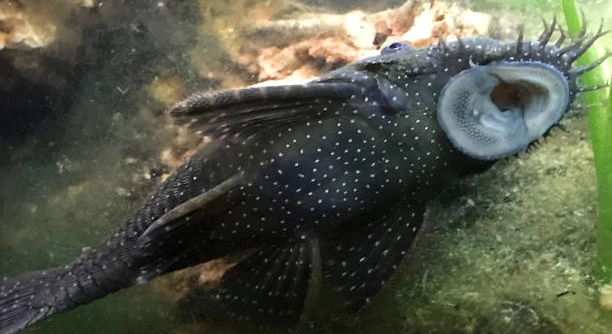
Do your plecos seem less lively when their tank looks cloudy and messy? Maintaining a clean aquarium is essential not only for their health but also for the overall beauty of your aquatic setup. Regular upkeep makes a big difference.
Improving pleco tank cleanliness involves consistent water changes, substrate vacuuming, proper filtration, controlled feeding, plant maintenance, algae management, and monitoring water parameters. Implementing these methods reduces waste accumulation and promotes a healthy environment for plecos to thrive.
Following these practical steps will simplify your tank care routine and ensure your plecos remain healthy and active in a clean, balanced habitat.
Consistent Water Changes
Changing your tank water regularly is the most important step in maintaining a clean pleco environment. I make it a habit to replace about 20–30% of the water weekly. This helps remove leftover food, fish waste, and other debris that accumulate at the bottom. Over time, these substances can affect water quality, leading to stress or illness in plecos. Using a siphon makes the process easier and ensures you don’t disturb the substrate too much. I also take care to use dechlorinated water that matches the tank’s temperature. Sudden changes in temperature or chemical levels can shock your plecos. Tracking the water changes on a calendar helps me stay consistent. Even small, regular changes prevent algae buildup and make overall tank maintenance simpler. Clean water promotes healthy growth, vibrant coloration, and active behavior in plecos. It’s a simple habit that pays off every week.
Regular water changes are essential for reducing waste and keeping plecos healthy. Consistency is key.
Beyond weekly water changes, it’s helpful to monitor your tank’s water parameters. Using test kits, I check ammonia, nitrite, nitrate, and pH levels regularly. If any values are off, corrective measures, like additional water changes or adjusting filtration, can prevent long-term harm. Consistent maintenance also helps identify problems early, such as overfeeding or filter inefficiency. I pair water changes with gentle cleaning of decorations, removing any uneaten food or dead plant material. Over time, these small efforts reduce the chance of algae overgrowth and keep the tank visually appealing. Plecos are sensitive to changes in water quality, and maintaining a clean environment encourages natural behaviors such as grazing and exploring. By combining regular water changes, careful monitoring, and spot cleaning, the tank remains balanced without overwhelming daily chores. These routines build a stable ecosystem that supports the health and happiness of your plecos, ensuring a long-lasting, thriving aquarium.
Substrate Vacuuming
Vacuuming the tank substrate removes waste and leftover food that plecos may not eat. Regular vacuuming helps prevent foul odors and keeps the tank floor clean.
Using a siphon or gravel vacuum, I carefully clean the substrate without disturbing plants or decorations. Removing debris reduces harmful bacteria growth and prevents water cloudiness. I usually vacuum once a week, targeting areas where plecos often feed or hide. While plecos graze on surfaces, food particles still settle in corners and crevices. I make sure to stir lightly to lift debris but avoid disrupting beneficial bacteria in the substrate. Over time, vacuuming prevents buildup of sludge that can affect water quality and harm fish. I’ve noticed that plecos are more active and healthier when the substrate is consistently clean. It also makes water changes more effective, as less debris is stirred up into the water column. By combining substrate cleaning with proper feeding and water maintenance, the tank stays balanced and visually clear. Consistency in this routine is key to sustaining a healthy pleco habitat.
Proper Filtration
A strong, reliable filter is essential to maintain clear water and remove waste. I rely on a combination of mechanical, chemical, and biological filtration to keep my pleco tank balanced and healthy.
Mechanical filtration captures floating debris and leftover food before it settles. I clean or replace the filter media regularly to ensure efficiency. Chemical filtration, like activated carbon, helps remove odors and dissolved substances that cloud water. Biological filtration establishes beneficial bacteria that break down ammonia and nitrites, keeping water safe for plecos. Maintaining all three components ensures stable water parameters and reduces stress on the fish. I also monitor the filter flow, as plecos prefer moderate currents, not overly strong ones that may disturb their grazing behavior. A properly maintained filter complements water changes and substrate cleaning, creating a cleaner, healthier tank. Over time, consistent filtration makes overall tank maintenance simpler and keeps the environment suitable for pleco growth.
I adjust the filter’s flow to suit pleco activity. Too strong a current can stress them, while moderate flow encourages natural movement.
Regular filter upkeep prevents clogs and reduces the risk of sudden water quality drops. I take time each week to rinse sponges or replace media, ensuring the system functions efficiently. Combining filtration with monitoring water parameters allows me to maintain a stable, clean environment. The filter works continuously, so proper maintenance prevents harmful chemical buildup and supports a thriving ecosystem. Plecos benefit from steady water conditions, showing brighter colors and active feeding habits. Proper filtration also reduces the frequency of deep cleaning, as debris is captured before it decomposes. I’ve found that investing time in filter care saves effort later, making tank upkeep more manageable. A clean, well-filtered tank provides a stress-free home for plecos, supporting their long-term health and activity.
Controlled Feeding
Overfeeding can quickly pollute a pleco tank, so I carefully measure portions. Feeding smaller amounts daily keeps water cleaner.
I use a feeding schedule to prevent leftover food from accumulating. Plecos graze throughout the day, but excess pellets or vegetables decay quickly, contributing to poor water quality. Monitoring how much they eat helps reduce waste and limits algae growth. I also remove uneaten food after a few hours to keep the tank clean. This practice minimizes debris buildup in the substrate and prevents spikes in ammonia or nitrites. I’ve noticed that plecos are more active and healthier when fed properly, and water clarity improves significantly. Controlled feeding works hand in hand with filtration and water changes to maintain a balanced aquarium.
Pairing controlled feeding with occasional treats like algae wafers ensures plecos receive nutrition without overloading the tank. I alternate fresh vegetables, such as zucchini or cucumber, to provide variety while monitoring how much is consumed. Any uneaten pieces are promptly removed, preventing decay. I also adjust portions based on the number of plecos and their size. Feeding only what is necessary supports their digestion and prevents obesity while reducing maintenance demands. Over time, this careful feeding routine contributes to a stable tank ecosystem, where water quality remains high and fish remain healthy. By observing consumption habits and adjusting amounts accordingly, I can maintain a thriving, clean pleco tank with minimal effort.
Plant Maintenance
Removing dead or decaying plant leaves prevents waste from polluting the tank. I check plants weekly to keep the environment clean.
Trimming overgrown plants also improves water flow and light distribution. Healthy plants support natural filtration and provide hiding spots for plecos.
Algae Management
I scrape algae from tank walls and decorations regularly. Algae can build up quickly, especially with strong lighting or overfeeding. Maintaining a balance between light exposure, nutrient levels, and feeding helps limit excessive growth. I occasionally introduce algae-eating species or use algae pads to support cleaning without harming plecos.
Monitoring Water Parameters
Regularly testing ammonia, nitrite, nitrate, and pH levels ensures the tank stays safe. I record results weekly to track changes and prevent sudden spikes.
Cleaning Decorations
Rinsing or gently scrubbing decorations removes trapped debris and algae. Clean decorations contribute to better water quality and a healthier environment for plecos.
FAQ
How often should I change my pleco tank water?
I change about 20–30% of the water weekly. Regular water changes help remove waste, leftover food, and toxins that build up over time. Smaller, consistent changes are better than occasional large water replacements, as they reduce stress on plecos and keep water parameters stable.
What is the best way to vacuum the substrate?
I use a siphon or gravel vacuum to gently lift debris without disturbing beneficial bacteria. Focusing on corners and areas where plecos feed ensures leftover food and waste are removed. Weekly vacuuming keeps the substrate clean and prevents water cloudiness or harmful buildup.
How do I know if my filtration is working properly?
I check water clarity, flow rate, and monitor ammonia, nitrite, and nitrate levels. Mechanical, chemical, and biological filtration all play a role. Cleaning sponges or replacing media regularly ensures the filter operates efficiently, keeping the tank balanced.
How much should I feed my plecos?
I feed small portions daily, adjusting based on the number and size of plecos. Uneaten food should be removed after a few hours. Controlled feeding prevents overloading the tank with waste, keeps water clean, and reduces algae growth.
Can plants help with tank cleanliness?
Yes. Healthy plants absorb nutrients from fish waste and leftover food, which helps reduce algae growth. I trim decaying leaves and overgrown plants weekly to maintain water flow and keep the tank balanced.
What is the best way to manage algae?
I scrape tank walls and decorations regularly and adjust lighting and feeding to prevent excessive growth. Introducing algae-eating species or pads can help control algae without harming plecos. Maintaining balance between nutrients and light is key.
How often should I test water parameters?
I test ammonia, nitrite, nitrate, and pH weekly. Keeping a record helps me spot changes early. Immediate action, like partial water changes or filter adjustments, prevents sudden spikes that could harm plecos.
Do decorations affect cleanliness?
Yes. Debris can collect in crevices, so I rinse or gently scrub decorations weekly. Clean decorations improve water quality and provide a healthier environment for plecos to explore.
Can plecos survive without algae in the tank?
Plecos can eat algae wafers or fresh vegetables, but natural algae helps supplement their diet. A combination of feeding and tank cleaning ensures they stay healthy without relying solely on algae growth.
How do I balance feeding, cleaning, and filtration together?
I feed measured portions, vacuum the substrate weekly, and maintain the filter properly. Together, these routines create a stable environment, reduce maintenance effort, and keep plecos healthy and active in a clean tank.
What are the signs of a dirty pleco tank?
Cloudy water, strong odors, excessive algae, and lethargic plecos indicate poor tank conditions. Prompt water changes, substrate cleaning, and filtration maintenance usually restore balance and health.
Can I use chemicals to clean the tank faster?
I avoid harsh chemicals that can harm plecos. Safe methods include siphoning, rinsing decorations, and adjusting feeding. Using natural cleaning techniques keeps the tank safe while maintaining cleanliness.
How long does it take to establish a clean routine?
With consistent effort, a weekly schedule for water changes, substrate vacuuming, and filter maintenance becomes manageable within a few weeks. Observing pleco behavior and water clarity helps refine the routine over time.
Are plecos sensitive to water changes?
Yes, sudden large changes in temperature or chemical levels can stress them. I match new water temperature and treat it for chlorine before adding it to the tank, keeping changes gradual and safe.
Can controlled feeding reduce algae growth?
Absolutely. Overfeeding provides extra nutrients for algae to thrive. I feed measured portions, remove leftovers, and adjust amounts based on pleco consumption, which directly helps limit algae buildup.
How important is consistency in tank maintenance?
Consistency is essential. Weekly routines for water changes, substrate cleaning, and filter upkeep prevent sudden water quality issues and maintain a healthy, stable environment for plecos. Regular observation allows me to catch problems before they escalate.
What if my pleco tank still gets cloudy?
Cloudiness may result from overfeeding, inadequate filtration, or disturbed substrate. I address each factor individually—adjusting feeding, cleaning the filter, and vacuuming the substrate—until water clarity returns. Patience and routine care are key to a clear tank.
Do plecos eat leftover food at the bottom?
They do, but not everything. Uneaten food can rot and harm water quality. I remove excess food after a few hours to prevent buildup and maintain a cleaner tank.
How can I make maintenance easier long-term?
I combine consistent water changes, regular substrate vacuuming, proper filtration, controlled feeding, and plant care. Setting a weekly schedule and observing pleco habits simplifies maintenance while keeping the tank clean and healthy.
What are the most common mistakes in pleco tank cleaning?
Overfeeding, inconsistent water changes, neglecting filtration, and ignoring algae growth are the biggest issues. I focus on consistency and monitoring to avoid these problems, ensuring plecos thrive in a clean, balanced tank.
Maintaining a clean pleco tank takes consistent effort but pays off in many ways. A clear, balanced tank supports the health and activity of your plecos, ensuring they thrive in a stable environment. Regular water changes, substrate vacuuming, proper filtration, controlled feeding, plant maintenance, and algae management all work together to keep the tank clean. Each step contributes to maintaining water quality, reducing toxins, and preventing problems before they become serious. Over time, following a consistent routine makes tank upkeep easier and less time-consuming. I have found that small, regular efforts are far more effective than occasional intensive cleaning, as they maintain balance and prevent sudden changes that could stress the fish.
Consistency is also important when monitoring water parameters. Regularly testing ammonia, nitrite, nitrate, and pH levels allows you to spot any issues early. Plecos are sensitive to sudden changes, so observing these values and making small adjustments helps keep them healthy. Using proper filtration and maintaining the substrate also supports a stable ecosystem by removing excess food, debris, and waste. Feeding in controlled amounts ensures the tank does not become overloaded with nutrients that can promote algae growth or harm water quality. Overfeeding is one of the most common mistakes in pleco care, but following a measured feeding schedule, combined with prompt removal of leftovers, reduces this problem significantly.
Cleaning decorations, trimming plants, and managing algae are additional steps that enhance the overall environment for plecos. Healthy plants and clean surfaces not only support water quality but also create spaces for plecos to explore and graze naturally. Managing algae helps maintain a visually appealing tank and prevents harmful overgrowth. By combining all of these strategies, you create a long-term maintenance routine that is manageable and effective. With attention to detail and regular care, a pleco tank can remain clean, clear, and healthy, providing a safe habitat for the fish while reducing stress for the caretaker. Over time, these practices become second nature, ensuring your plecos thrive and the tank remains balanced.

Hello,
If you enjoy the content that we create, please consider saying a "Thank You!" by leaving a tip.
Every little bit helps us continue crafting quality advice that supports the health, happiness, and well-being of pets around the world, for pets of all shapes, sizes, and species.
We really appreciate the kindness and support that you show us!