
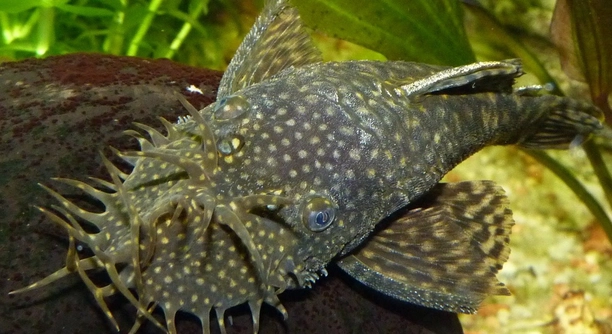
Are your plecos showing unusual behavior after being moved to a new tank? Many fish owners notice sudden hiding, reduced appetite, or aggression in their plecos during this transition period. These changes can be worrying but are often temporary.
Plecos may act out after a move primarily due to stress from environmental changes. Adjustments in water parameters, lighting, and tank layout can disrupt their comfort and routine, leading to defensive or erratic behaviors until they acclimate.
Understanding these behavioral shifts can help you provide a smoother transition for your pleco. Observing and supporting your fish carefully will promote long-term well-being in its new environment.
Changes in Water Conditions
When a pleco is moved to a new tank, the most immediate change it notices is in the water. Differences in temperature, pH, hardness, and chemical composition can create stress, even if the new tank appears clean and well-maintained. Plecos are sensitive to fluctuations, and even minor variations can trigger hiding, decreased movement, or aggressive behavior toward other tank mates. It is important to ensure that the new tank closely matches the water parameters of the previous environment. Gradually acclimating your pleco using a drip method or floating its transport bag can help reduce shock. Monitoring water quality and making slow adjustments over the first few days allows the fish to adapt without undue stress. Avoid sudden changes in water temperature, adding chemicals, or rearranging the tank immediately, as these actions can amplify anxious behaviors and delay settling. Patience during this adjustment period is key to supporting your pleco’s health.
Even minor water differences can trigger significant stress. Keeping conditions consistent ensures a smoother adjustment for your pleco.
Proper acclimation not only reduces stress but also prevents illness. Plecos that adapt gradually are more likely to feed normally, explore the tank, and interact peacefully with other fish. Sudden changes can compromise their immune system, leading to infections or long-term health issues. Observing behavior, testing water daily, and keeping a stable environment allows the pleco to regain normal patterns quickly. Providing hiding spots, maintaining proper filtration, and avoiding overfeeding are additional steps to help your fish feel secure. Over time, your pleco will demonstrate regular movement, resume grazing on algae or prepared foods, and show less territorial aggression. Understanding how water conditions affect behavior empowers you to manage transitions calmly and effectively, promoting both immediate comfort and lasting well-being in your aquatic environment.
Tank Layout and Hiding Spaces
Plecos rely on structured spaces to feel secure, so a sudden change in tank layout can create stress. A lack of adequate hiding spots may cause erratic swimming or defensive behavior.
Rearranging caves, driftwood, or plants too frequently can confuse your pleco. They rely on familiar locations for resting and feeding. When moving them, keep some elements consistent and gradually introduce new decorations. Hiding spaces reduce aggression and encourage exploration. Proper tank design supports both comfort and natural behavior.
Introducing new territories without overwhelming the fish ensures it will adapt safely. Maintaining familiar structures while slowly adding enrichment helps plecos feel secure. Monitoring their reactions to changes provides insight into preferred locations and social boundaries. Over time, the fish will explore more confidently, establish territories, and show less stress-driven behavior. Adjusting tank features in measured steps fosters a balanced environment. Providing a mix of open areas and shelters creates options for both activity and retreat. Observing their daily patterns allows you to optimize placement of decorations, ensuring a calmer, healthier fish. Thoughtful layout changes can prevent long-term stress and encourage natural behaviors. Tracking feeding, movement, and interactions with other fish helps identify when the tank setup meets your pleco’s comfort needs. By carefully managing space and hiding areas, you help your pleco transition smoothly into its new environment.
Stress from Transport
Transporting plecos can be stressful, even for short distances. Sudden movement, jostling, or temperature changes can cause shock. Minimizing handling and keeping them in water from their original tank helps reduce immediate stress.
During transport, plecos are highly sensitive to vibration and motion. Using a padded container or insulated bag helps maintain stable conditions. Sudden temperature fluctuations or rough handling can lead to rapid breathing, clamped fins, or lethargy. Keeping the fish calm during travel improves their ability to acclimate once placed in the new tank. Avoid overcrowding containers and ensure adequate oxygen by using a well-sealed bag with air or oxygenation. Transporting them during cooler parts of the day and limiting exposure to bright light can also reduce anxiety. Gradual transfer to the new environment is essential for minimizing post-move behavioral issues.
After transport, plecos may hide more than usual or resist feeding. Stress hormones can remain elevated for several hours, affecting appetite and movement. Monitoring behavior closely during the first 24–48 hours allows for timely intervention if signs of distress persist. Providing gentle water flow, stable lighting, and familiar tank decorations encourages them to resume normal activities. Observing these adjustments ensures the pleco feels safe and gradually regains confidence in its surroundings. Regular water testing and careful feeding support recovery.
Acclimation Period
The first days in a new tank are critical. Plecos need time to adjust to water chemistry, temperature, and tank layout.
During acclimation, behavioral changes such as increased hiding or reduced activity are normal. It is important to maintain consistent feeding schedules and observe for signs of illness. Avoid making sudden changes to the environment during this period.
Patience is essential during acclimation. Plecos may take several days or even a week to fully explore their new habitat. Offering familiar foods and maintaining stable water parameters helps reduce stress. Monitoring interactions with other fish ensures territorial conflicts do not arise. Providing multiple hiding spots and gentle lighting supports comfort. Gradually introducing small changes, like rearranging decorations or adjusting flow, allows the fish to adapt without overwhelming stress. Keeping a consistent routine encourages normal feeding and movement patterns. Over time, the pleco will regain confidence, reducing defensive or erratic behaviors. Observing progress carefully ensures the acclimation period is effective and supports long-term well-being.
Diet and Feeding Changes
A new environment can affect a pleco’s appetite. Stress may cause them to eat less or ignore familiar foods. Monitoring feeding patterns helps identify when the fish is adjusting.
Offering a variety of foods, including algae wafers and vegetables, encourages eating. Small, frequent feedings reduce pressure and help maintain nutrition during the transition.
Light and Noise Sensitivity
Bright lighting or sudden noises in a new location can stress plecos. They may hide more or move erratically when exposed to unfamiliar stimuli. Adjusting light intensity and minimizing loud sounds helps them feel secure.
Interaction with Tank Mates
Plecos may act defensively around other fish during the adjustment period. Territorial behavior can increase, especially in smaller tanks. Monitoring interactions and separating aggressive individuals if necessary maintains a peaceful environment.
Observation and Monitoring
Tracking your pleco’s behavior daily is essential. Look for changes in hiding, swimming, and feeding to gauge stress and adaptation.
FAQ
Why is my pleco hiding constantly after a move?
Hiding is a normal stress response in plecos. They use concealment to feel safe when faced with new surroundings. The change in tank layout, water parameters, and nearby activity can make them retreat. Providing adequate hiding spaces like caves, driftwood, or dense plants encourages confidence while they adapt. Over time, as they become familiar with the environment, hiding decreases.
How long does it take for a pleco to settle after relocation?
Most plecos start adjusting within a few days, but full acclimation can take one to two weeks. Factors like water consistency, tank size, and presence of other fish influence the adjustment period. Gradual acclimation, careful monitoring of water parameters, and maintaining consistent feeding schedules help speed up this process. Avoid changing decorations or water conditions during the first week to reduce stress.
Should I change their diet after a move?
A sudden change in environment can temporarily reduce appetite. Continuing their regular diet helps maintain nutrition. Offering small portions of familiar foods, including algae wafers or vegetables like zucchini, ensures they eat without adding pressure. Avoid overfeeding, which can further stress the fish and pollute the water. Observing feeding behavior provides clues about recovery and comfort level.
Is it normal for my pleco to be aggressive toward other fish after moving?
Yes, temporary territorial behavior is common. Plecos may feel vulnerable in a new tank and defend spaces they consider safe. Monitoring interactions is important, especially in smaller tanks. Providing multiple hiding spots and separate territories reduces conflicts. Aggression typically decreases as the pleco settles and becomes familiar with its surroundings.
Can water temperature or chemistry changes cause behavioral issues?
Absolutely. Plecos are sensitive to temperature, pH, and hardness fluctuations. Even small differences from their previous tank can trigger hiding, erratic swimming, or lethargy. Regularly testing water and making gradual adjustments ensures stability. Using water from the old tank during acclimation can reduce shock and support smoother behavioral recovery.
What should I do if my pleco refuses to eat?
Refusal to eat is often a stress response. Continue offering small, frequent meals of familiar foods. Ensure water conditions are stable, hiding spots are available, and lighting is gentle. If refusal persists beyond several days, check for signs of illness like discoloration, clamped fins, or rapid breathing. Early intervention is key to preventing malnutrition or health decline.
How important is tank layout for a newly moved pleco?
Tank structure is crucial. Plecos rely on familiar hiding spots and territories for comfort. Rearranging decorations gradually helps them adjust. Providing a mix of open spaces for swimming and sheltered areas for hiding promotes natural behavior. Observing where they prefer to rest can guide future tank adjustments and support long-term well-being.
Can stress from moving make plecos sick?
Yes, prolonged stress weakens the immune system, making plecos more susceptible to infections. Common issues include fin rot, ich, or bacterial infections. Keeping water clean, providing stable conditions, and minimizing sudden changes helps reduce stress and supports immune function. Early recognition of stress behaviors allows timely intervention before illness develops.
How do I know if my pleco is finally comfortable in its new tank?
Signs of comfort include regular feeding, normal swimming patterns, exploring the tank, and reduced hiding. They may interact calmly with other fish and exhibit natural behaviors such as grazing on surfaces. Consistent observation over several days or weeks helps determine when the pleco has fully acclimated and adjusted to its environment.
Are there ways to make a move less stressful for plecos in the future?
Yes, careful planning helps. Using water from the original tank, gradual acclimation, minimizing handling, and providing familiar decorations reduce stress. Maintaining consistent lighting, feeding routines, and water parameters supports a smoother transition. Preparing the new tank in advance ensures a stable environment for the pleco to feel secure immediately upon arrival.
What should I do if my pleco continues to act out after weeks?
Persistent stress behavior may indicate underlying issues. Check water quality, tank mates, and diet. Ensure the tank is large enough with sufficient hiding spaces. If problems continue, consult a veterinarian or experienced aquarist. Sometimes illness or long-term stress requires professional guidance to restore your pleco’s health and normal behavior.
This FAQ addresses the most common concerns regarding pleco behavior after a move. Observing, adjusting, and providing stability are the most effective ways to support your pleco during this transition period.
Final Thoughts
Moving a pleco to a new tank is often more stressful for the fish than it appears to be for us. These fish are highly sensitive to changes in water conditions, temperature, and tank layout. Even small differences from their previous environment can cause them to hide, eat less, or act defensively. It is important to remember that these behaviors are normal reactions to stress rather than signs of permanent problems. By maintaining stable water parameters, providing sufficient hiding spots, and gradually acclimating the pleco, you can help reduce stress and support a smoother transition. Patience is key during this time, as pushing the fish to adjust too quickly can make the situation worse. Observing their behavior carefully over the first several days gives insight into how well they are settling in and whether additional adjustments are necessary.
Diet plays a significant role in helping plecos recover from the stress of a move. Stress often reduces appetite, so continuing their regular feeding schedule while offering familiar foods can encourage eating. Providing small portions of algae wafers, vegetables, or other foods plecos normally enjoy ensures they remain nourished without overwhelming them. Avoid overfeeding, as this can pollute the water and add to stress. In addition to feeding, monitoring interactions with other fish in the tank is important. Territorial or defensive behaviors are common initially but typically decrease as the pleco becomes familiar with its surroundings. Ensuring there are enough hiding spaces and separate areas for each fish helps prevent conflicts and allows the pleco to feel secure.
Overall, the adjustment period after a move requires careful observation, patience, and attention to detail. Supporting your pleco’s acclimation with stable water conditions, consistent feeding, and a well-organized tank layout encourages natural behavior and reduces stress. Daily monitoring helps detect signs of lingering stress or illness early, allowing for timely intervention. Over time, as the pleco adapts, it will begin to explore the tank more confidently, resume normal feeding patterns, and interact more calmly with other fish. Understanding that these behaviors are temporary and part of the adjustment process allows you to provide the care needed for long-term health and comfort. By giving your pleco a stable environment and time to acclimate, you ensure a smoother transition and support the well-being of your aquatic companion for months and years to come.

Hello,
If you enjoy the content that we create, please consider saying a "Thank You!" by leaving a tip.
Every little bit helps us continue crafting quality advice that supports the health, happiness, and well-being of pets around the world, for pets of all shapes, sizes, and species.
We really appreciate the kindness and support that you show us!