
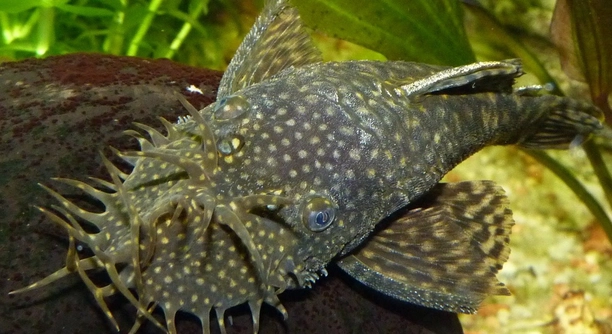
Do you ever find yourself watching your Bristlenose Pleco swim around and wonder if it enjoys the bubbles in your aquarium?
Bristlenose Plecos do not require bubbles for comfort, but they do appreciate the oxygenation that bubbles provide. The movement from air stones or filters increases oxygen levels, supporting healthy breathing and overall well-being for these bottom-dwelling fish.
Understanding how bubbles affect your Pleco’s environment can help you create a calmer, healthier aquarium that supports its natural behavior and comfort.
Why Bubbles Benefit Bristlenose Plecos
Bristlenose Plecos thrive in well-oxygenated water, and bubbles can help maintain those ideal conditions. The movement from air stones or bubble walls increases surface agitation, which allows more oxygen to mix into the water. This is especially important in tanks with limited water flow or when other fish compete for oxygen. Bubbles also help circulate the water evenly, preventing stagnant areas that could trap waste or reduce oxygen levels near the bottom where Plecos spend most of their time. In warmer tanks, where oxygen dissolves less efficiently, having bubbles can make a noticeable difference in your Pleco’s breathing and energy levels.
Adding bubbles not only supports your Pleco’s health but also helps maintain water balance for the entire aquarium. Consistent water movement ensures oxygen reaches all areas, creating a cleaner and more stable environment.
When combined with proper filtration, bubbles contribute to an aquarium that mirrors natural freshwater habitats. Plecos are accustomed to steady currents and oxygen-rich environments in the wild. While they can survive without bubbles if water flow is sufficient, providing them adds comfort and stability. It also encourages more active behavior, as Plecos often enjoy resting near gentle bubble streams. Ensuring your aquarium has adequate oxygen through bubbles is an easy and effective way to support your fish’s long-term health.
How to Create the Right Bubble Environment
Bristlenose Plecos prefer soft, consistent water movement rather than strong, disruptive currents. Using a small air stone or adjustable bubbler can create a calm and balanced bubble flow that supports their natural habits.
When setting up your bubble system, placement and intensity are key. Position the bubbler or air stone where it promotes surface movement without disturbing the substrate. Too much agitation near the bottom can stress Plecos, as they enjoy resting on smooth surfaces. Aim for gentle airflow that keeps the water oxygenated without overwhelming their space. Using a sponge filter with an air pump can be an ideal solution, as it provides both filtration and soft bubbling. Additionally, monitor the oxygen levels and water parameters regularly, especially in tanks with multiple fish. Maintaining the right balance of bubbles ensures your Pleco stays relaxed and active. A calm, steady bubble flow helps mimic their natural habitat, promoting better breathing, appetite, and overall health.
Signs Your Bristlenose Pleco Enjoys Bubbles
A Bristlenose Pleco that enjoys bubbles will often stay near gentle streams of air, resting close to the bubble source. Calm, steady movement and regular feeding are also indicators that the environment feels comfortable and properly oxygenated.
If your Pleco frequently stays near the bubble flow, it means the oxygen level suits its needs. When bubbles are balanced, Plecos appear more active during their natural feeding times and display smooth, relaxed fin movements. However, if bubbles are too strong, they may avoid the area or hide more often. Observing these small behaviors helps determine the right bubble intensity for your tank. Maintaining proper water quality and oxygen balance ensures your Pleco continues to thrive and remain comfortable.
Plecos rely on a stable and calm environment to stay healthy. Watching their behavior closely helps you understand whether the bubble setup supports their comfort. Balanced oxygen levels, gentle movement, and a stress-free atmosphere all contribute to a content and active Bristlenose Pleco that feels secure in its environment.
Adjusting Bubble Levels for Comfort
Too many bubbles can overwhelm your Pleco, especially if the water current becomes too strong. Reducing air pressure or using smaller air stones helps maintain gentle water flow suitable for their calm nature.
When adjusting bubble levels, start slowly and observe your Pleco’s behavior after each change. A good balance keeps water circulating while allowing the Pleco to rest undisturbed. Adjusting the position of the air stone or using a valve to control airflow can help fine-tune the setup. Plecos prefer mild, even oxygenation across the tank rather than concentrated streams. If your Pleco hides or avoids the bubbler, it may indicate discomfort from excessive bubbles. A calm, balanced tank ensures the fish feels secure while still receiving the oxygen it needs. Regular observation and small adjustments help you maintain a healthy, peaceful environment your Pleco can comfortably thrive in.
Common Mistakes When Using Bubbles
Many aquarium owners make the mistake of using overly powerful air pumps, creating strong currents that stress Plecos. These fish prefer calm waters with soft airflow, so excessive bubbling can disrupt their resting areas and natural behavior patterns.
Another common mistake is placing the bubbler too close to the substrate. This stirs up debris, making the water cloudy and uncomfortable for bottom-dwelling Plecos. Positioning it higher in the tank helps distribute oxygen evenly without disturbing their preferred resting zones.
Maintaining the Ideal Bubble Setup
Keeping your bubble setup balanced requires regular maintenance and observation. Check the air pump, tubing, and air stones for blockages that could restrict airflow. Replacing worn parts ensures consistent performance. Clean the air stones periodically to prevent buildup that reduces bubble output. Maintaining proper airflow helps your Pleco stay calm and healthy.
Final Thoughts on Bubbles for Plecos
A well-balanced bubble system improves oxygenation, supports natural behavior, and creates a cleaner, calmer tank. Adjusting intensity and placement ensures your Bristlenose Pleco enjoys its environment without stress or disruption.
FAQ
Do Bristlenose Plecos need bubbles to survive?
Bristlenose Plecos do not strictly need bubbles to survive. They can live in a tank with proper filtration and water flow. However, bubbles help maintain oxygen levels, which supports overall health, activity, and energy. Gentle bubbles improve circulation and reduce stagnant areas that could stress the fish.
Can too many bubbles harm my Pleco?
Yes, strong or excessive bubbles can stress a Bristlenose Pleco. These fish prefer calm, steady water movement. Strong currents can make them hide more often, reduce feeding activity, and affect their breathing. Adjusting airflow and positioning the air stone properly ensures they remain comfortable while still benefiting from oxygenation.
Where should I place the air stone in the tank?
Air stones should be placed in areas that create gentle water movement without disturbing the substrate. Avoid placing them directly near caves or resting spots, as Plecos often rest near the bottom. Proper placement ensures oxygen is distributed evenly and minimizes stress for the fish.
How can I tell if my Pleco enjoys the bubbles?
A Pleco that enjoys the bubbles will stay near gentle streams of water, display normal feeding behavior, and swim calmly around the tank. Signs of discomfort include hiding, frantic swimming, or avoiding the bubbler entirely. Observing their behavior daily helps gauge the right bubble intensity.
Do different tank sizes affect bubble needs?
Yes, tank size impacts how many bubbles are necessary. Smaller tanks may only need a single gentle air stone, while larger tanks benefit from multiple sources to maintain oxygen levels evenly. Too few bubbles in a large tank can create stagnant zones, while too many can stress the fish.
Can bubbles improve water quality for Plecos?
Indirectly, yes. Bubbles improve water circulation, which distributes oxygen and prevents buildup of debris or harmful gases. While bubbles do not filter the water themselves, proper placement alongside a filtration system helps create a cleaner and healthier environment for your Pleco.
Should I turn off the bubbles at night?
It is not necessary to turn off bubbles at night. Bristlenose Plecos rest during the day and are more active at night, so keeping gentle oxygenation running ensures stable conditions. Turning off the bubbles is only needed if the airflow is too strong and disrupts their resting areas.
Can Plecos survive in a tank without an air pump?
Yes, Plecos can survive without an air pump if the water flow is sufficient and oxygen levels remain stable. Filtration systems often provide enough water movement to support them. However, adding a gentle bubble system can enhance oxygenation and overall comfort, making it easier to maintain a healthy environment.
What type of air stone is best for Plecos?
Small or medium-sized air stones that produce fine bubbles are ideal. They create gentle movement without stressing the fish. Porous or ceramic air stones work well, as they produce consistent bubbles and are easy to clean. Adjusting the airflow allows for a calm, even distribution in the tank.
How often should I check the bubble system?
Regular checks are important to ensure the system is functioning properly. Inspect air stones, tubing, and pumps weekly for blockages, wear, or reduced airflow. Keeping the bubble system consistent helps maintain a comfortable environment for your Pleco and prevents sudden changes that may stress the fish.
Can bubbles help during high temperatures?
Yes, bubbles improve oxygen levels in warmer water where oxygen naturally decreases. Gentle aeration ensures Plecos can breathe easily and remain active. Maintaining steady bubbles helps prevent stress caused by low oxygen during hot periods, supporting their health and behavior in warmer conditions.
Do Plecos interact with bubbles differently than other fish?
Bristlenose Plecos spend most of their time at the bottom of the tank, so they often interact with bubbles near the substrate less directly than mid-water fish. They may rest near gentle streams, but excessive bubbles can disturb them more than other active species. Observing their reactions helps adjust airflow appropriately.
Are there signs of oxygen deficiency in Plecos?
Yes, signs include rapid gill movement, lethargy, staying near the water surface, or reduced feeding. These behaviors indicate low oxygen levels, which can be alleviated with gentle bubbles or increased water flow. Monitoring their behavior ensures proper adjustments are made to keep the tank safe and comfortable.
Can I combine bubbles with filtration?
Absolutely. Using bubbles alongside filtration enhances circulation, helps oxygenate the tank, and supports cleaner water. Properly balanced filtration combined with gentle aeration creates a stable environment for Plecos, mimicking natural water movement without stressing the fish.
Do bubbles reduce maintenance needs?
While bubbles do not replace regular cleaning, they help prevent stagnant areas and improve circulation, which can reduce debris accumulation. Consistent oxygenation supports bacterial balance in the tank, indirectly contributing to a cleaner, healthier environment for your Pleco with less frequent disruptive cleaning.
Are Plecos attracted to the bubbles themselves?
Some Plecos may appear curious and hover near gentle bubbles, but this is usually related to water movement and oxygen rather than play. Observing how they respond helps determine if the bubble intensity is appropriate and comfortable, allowing them to enjoy the tank naturally.
Can I use multiple air stones for a single tank?
Yes, multiple air stones can distribute bubbles evenly in larger tanks, preventing stagnant zones. Ensure airflow is gentle and consistent, avoiding strong currents that stress the Pleco. Spreading air stones strategically across the tank ensures stable oxygen levels and a calm environment for the fish.
Do Plecos need bubbles year-round?
Bristlenose Plecos do not need constant bubbles if water quality and oxygen levels are stable, but maintaining gentle bubbles year-round can improve overall comfort. This is especially helpful in warmer water or heavily stocked tanks where natural oxygen may fluctuate, ensuring consistent conditions for the fish’s health and behavior.
How do I clean the air stones without disrupting the tank?
Remove the air stones periodically and soak them in a mild solution of water and vinegar to remove buildup. Rinse thoroughly before replacing them. This keeps bubbles consistent without introducing harmful chemicals into the tank, ensuring the Pleco continues to enjoy a calm, oxygen-rich environment.
Is it okay if my Pleco ignores the bubbles?
Yes, as long as the water is properly oxygenated, a Pleco may choose to rest away from the bubbles. Not interacting directly does not mean harm, but the gentle bubbles still help maintain water quality and circulation, supporting the fish even if they avoid the immediate flow.
Can bubbles help new Plecos acclimate to a tank?
Gentle bubbles can assist new Plecos by improving oxygen levels and creating movement that encourages exploration without stress. Observing their response during the first days allows you to adjust bubble placement and intensity for comfort, helping them settle into the tank smoothly.
How do I know when to adjust the bubbles?
Adjust bubbles if the Pleco hides excessively, avoids the area, or if water appears cloudy due to substrate disturbance. Small, gradual changes help maintain comfort, ensuring the environment stays calm and properly oxygenated without sudden disruptions to the fish’s habitat.
Are bubbles more important for breeding Plecos?
Yes, consistent oxygenation supports reproductive health by maintaining stable water conditions. Gentle bubbles improve water movement and oxygen availability, creating a safer, healthier environment for breeding pairs and fry while minimizing stress during sensitive periods.
Do Plecos react differently to bubbles in planted tanks?
Planted tanks reduce the need for aggressive bubbles, as plants naturally produce oxygen. Gentle aeration helps distribute oxygen evenly and prevents debris buildup without disturbing plants. Plecos in planted tanks often prefer calm streams and resting areas near vegetation, benefiting from subtle water movement.
Can bubbles replace surface agitation?
Bubbles help with surface agitation, increasing oxygen exchange. While they cannot replace mechanical filtration entirely, combining gentle bubbles with existing water flow improves oxygen levels, circulation, and overall tank health, supporting the Pleco’s comfort and natural behavior.
Is bubble size important for Plecos?
Yes, small, fine bubbles are ideal. They create gentle water movement without overwhelming the Pleco or stirring up debris. Larger bubbles can be disruptive, increasing stress and preventing resting areas from remaining calm. Fine bubbles maintain comfort and steady oxygenation for healthy behavior.
How long should bubbles run each day?
Bristlenose Plecos benefit from continuous, gentle bubbles. Running them 24 hours ensures stable oxygenation, mimicking natural flowing water. Only adjust or reduce airflow if the current becomes too strong or if tank maintenance requires temporary interruption. Consistency supports calm, healthy behavior.
Do Plecos prefer bubbles near the surface or bottom?
Plecos spend most time near the bottom, so they benefit indirectly from surface bubbles that improve overall oxygen distribution. Gentle bubbles at mid-level or slightly above the substrate help oxygen reach all areas without disturbing resting spots, supporting natural behavior and comfort.
Can strong bubbles damage Pleco fins?
Strong, turbulent bubbles can stress Plecos and potentially cause minor fin damage over time if they are constantly buffeted. Gentle, even airflow prevents this issue, allowing the fish to move comfortably without risking injury to delicate fins while still receiving oxygen benefits.
Should I adjust bubbles based on tank temperature?
Yes, warmer water holds less oxygen, so increasing gentle bubble activity can help maintain adequate oxygen levels. Conversely, in cooler water, bubbles can remain moderate. Monitoring behavior and water conditions ensures Plecos stay comfortable across temperature changes.
Do Plecos need bubbles if I have other active fish?
Yes, in tanks with active swimmers, bubbles help maintain oxygen for all species. Active fish can deplete oxygen more quickly, so gentle bubbles ensure Plecos, which are slower and bottom-dwelling, receive enough oxygen to stay healthy and calm.
Can bubbles help with disease prevention?
Indirectly, yes. Improved water circulation and oxygenation reduce stagnant zones, limiting harmful bacteria and fungal growth. While not a cure or direct prevention, bubbles contribute to a healthier environment that supports the Pleco’s immune system and overall well-being.
Are Plecos more active with bubbles?
Bristlenose Plecos may appear more alert and exploratory when oxygen levels are adequate, but excessive bubbles can have the opposite effect. Gentle, well-placed bubbles improve comfort, encouraging natural movement without forcing them into stressful activity or hiding behaviors.
Do Plecos like bubbles in cold water?
Cold water naturally holds more oxygen, so bubbles are less critical but still beneficial for circulation. Gentle bubbles help prevent stagnant areas, supporting a clean environment. Plecos tolerate cooler water well, and bubbles mainly aid in movement and oxygen distribution rather than survival.
Is there a difference between air pumps and sponge filters?
Sponge filters provide both filtration and gentle bubbles, making them ideal for Plecos. Air pumps with separate air stones focus only on oxygenation. Choosing the right method depends on tank size, filtration needs, and desired water movement. Sponge filters often create calmer environments for bottom dwellers.
Can bubbles help new tank setups stabilize?
Yes, gentle bubbles improve oxygen levels and water circulation, helping establish a balanced environment for Plecos and other fish. This supports beneficial bacterial growth, reduces stagnant zones, and creates consistent conditions during the critical early stages of tank setup.
Do Plecos use bubbles for play or interaction?
Plecos rarely interact with bubbles for play. Their behavior is more focused on resting and feeding. Any interest is generally due to water movement or oxygenation rather than entertainment. Observing their reactions helps ensure bubbles are comfortable and not stressful.
How do I balance bubbles with filtration flow?
Combine gentle air stones with your filtration system to maintain steady oxygen without strong currents. Monitor Pleco behavior and adjust the airflow to avoid excessive movement near resting or feeding areas. A balanced approach ensures healthy oxygenation and a calm environment.
Can bubbles affect water chemistry?
Bubbles primarily improve oxygen levels and circulation without directly altering pH or hardness. Indirectly, they help prevent stagnant zones and distribute heat and nutrients evenly. Monitoring water parameters regularly ensures conditions remain suitable for Plecos while using bubbles safely.
Are there specific times Plecos prefer bubbles?
Plecos are nocturnal and more active at night, so bubbles provide oxygen when they are feeding and exploring. Gentle, continuous bubbles support both daytime resting and nighttime activity, ensuring oxygen remains consistent across the entire 24-hour cycle.
How do I know if the bubble setup is too weak?
Signs of insufficient bubbles include lethargic behavior, staying near the surface, or signs of low oxygen. Increasing gentle airflow or adding another small air stone helps maintain healthy oxygen levels without overwhelming the Pleco. Observation ensures the balance stays correct.
Can I use decorative bubble wands for Plecos?
Yes, decorative bubble wands can work if they produce gentle, fine bubbles and do not create strong currents. Placement should avoid caves or resting areas. Functionality and comfort are more important than aesthetics for supporting Pleco health.
Do Plecos react differently to varying bubble speeds?
Yes, slow, steady bubbles are preferred. Fast or turbulent bubbles can stress them and reduce time spent resting or feeding. Adjusting speed and placement ensures oxygenation without disrupting natural behaviors, keeping the tank comfortable and stable.
Are bubbles more necessary in heavily stocked tanks?
Absolutely. More fish increase oxygen demand, making gentle bubbles essential to prevent low oxygen levels. Proper distribution ensures all fish, including bottom-dwellers like Plecos, have sufficient oxygen and reduces stress caused by overcrowding or stagnant water areas.
Can Plecos tolerate periods without bubbles?
Yes, as long as oxygen levels remain sufficient from filtration and water movement. Occasional interruptions are usually safe, but long-term absence may reduce oxygenation, especially in warm or heavily stocked tanks. Gentle bubbles provide extra stability and comfort over time.
Do Plecos prefer bubbles near plants or open areas?
They usually favor areas with some shelter near plants or décor, staying close to gentle water movement without being directly in strong streams. Balanced placement near open areas can aid oxygenation, but Plecos often rest in shaded or protected spaces while still benefiting from circulation.
How do I prevent bubbles from disturbing Pleco substrate?
Use gentle airflow and position air stones slightly above the substrate. Avoid placing them directly on sand or fine gravel, which can cause cloudiness and stress. Fine bubbles and careful placement maintain oxygenation while keeping the bottom calm for Plecos.
Can I combine multiple types of bubble systems?
Yes, combining air stones, sponge filters, or decorative bubble wands can help distribute oxygen evenly. Ensure the combined output remains gentle to prevent stress. Observing Pleco behavior ensures the environment remains calm and suitable while maintaining healthy circulation.
Do Plecos respond to bubbles differently during feeding?
Plecos may stay near oxygenated areas during feeding but generally focus on bottom algae and food. Gentle bubbles support their breathing and activity without interfering with feeding habits. Too strong a stream may drive them away, so balanced placement is key.
How long do air stones last before needing replacement?
Air stones can last several months to a year depending on water conditions and maintenance. Cleaning them periodically extends life, but worn stones may reduce bubble output. Regular checks ensure continuous oxygenation and consistent water movement for Plecos.
Can bubbles affect tank temperature?
Bubbles do not significantly alter temperature but can slightly increase surface evaporation. Maintaining stable water temperature with a heater or chiller ensures bubbles improve oxygen without affecting thermal stability, keeping Plecos comfortable.
Do Plecos react to bubble noise?
Plecos are generally not bothered by bubble noise, as they rely more on water movement than sound. Strong turbulence may cause stress, but gentle bubbling is tolerated well and provides benefits without disturbing their natural behaviors.
Is it better to have one large air stone or multiple small ones?
Multiple small air stones provide even distribution and reduce strong currents. One large stone may create concentrated flow, which can stress Plecos. Smaller stones allow for adjustable, gentle oxygenation across the tank, keeping the environment calm and consistent.
How do bubbles interact with tank decorations?
Bubbles help circulate water around decorations, preventing debris buildup and ensuring oxygen reaches shaded areas. Placement should avoid direct streams into caves or resting spots to maintain comfort while still benefiting from circulation around décor and plants.
Can bubbles reduce ammonia or nitrate levels?
Bubbles do not directly remove toxins but improve water circulation, supporting filtration and bacterial activity that helps process waste. Consistent aeration ensures a healthier tank environment, indirectly assisting in controlling ammonia and nitrate buildup for Plecos.
Are Plecos more sensitive to bubbles than other catfish?
Bristlenose Plecos are calmer and bottom-dwelling, making them more sensitive to strong currents than active mid-water catfish. Gentle, evenly distributed bubbles are preferable, allowing the fish to rest, feed, and explore naturally without unnecessary stress.
Do Plecos benefit from bubbles in community tanks?
Yes, gentle bubbles help maintain oxygen levels for all species. In mixed tanks, they reduce competition for oxygen and improve circulation, supporting Plecos who might otherwise receive less oxygen near the bottom, promoting a healthier environment for every fish.
Can bubble placement affect algae growth?
Indirectly, yes. Gentle circulation from bubbles prevents stagnant zones where algae may flourish excessively. Proper placement maintains a balanced flow, discouraging buildup while still allowing natural feeding areas and hiding spots for Plecos to remain comfortable.
Are there seasonal considerations for bubbles?
In warmer months, increased airflow helps compensate for reduced oxygen solubility. In cooler months, bubbles may remain moderate. Adjusting based on temperature and activity levels ensures Plecos remain healthy year-round without unnecessary stress from excessive flow.
Do Plecos ever interact with bubbles socially?
Bristlenose Plecos are not social with bubbles but may tolerate the same streams when multiple fish are in the tank. Observing their spacing helps ensure no fish is stressed or displaced while maintaining even oxygenation throughout the tank.
Can bubbles improve overall tank aesthetics?
Bubbles can enhance visual appeal while improving oxygenation. Using fine bubbles or decorative bubble wands provides gentle movement that supports Pleco comfort without being intrusive. A well-placed system balances aesthetics with functional benefits for health and activity.
How often should I replace air pump tubing?
Tubing can degrade over time, leading to leaks or reduced airflow. Replacing tubing every 6–12 months ensures consistent bubble output, supporting steady oxygen levels and a calm, healthy environment for Bristlenose Plecos.
Do Plecos benefit more from continuous or intermittent bubbles?
Continuous gentle bubbles are preferable. They maintain stable oxygen levels and support calm behavior. Intermittent bubbles can create fluctuations in water movement, potentially stressing Plecos or causing uneven oxygen distribution, making continuous aeration the better approach.
Can bubbles help reduce carbon dioxide buildup?
Yes, bubbles improve surface agitation, allowing excess carbon dioxide to escape and increasing oxygen exchange. This supports healthy water chemistry, contributing to proper respiration and overall comfort for Plecos and other tank inhabitants.
Are there any risks with decorative bubble effects?
Decorative bubbles are safe if they produce gentle, fine streams. Strong or uneven decorative effects can stress Plecos by creating turbulence or stirring up substrate. Observing behavior ensures the setup benefits oxygenation without compromising comfort or resting areas.
Do Plecos prefer vertical or horizontal bubble streams?
Final Thoughts
Bristlenose Plecos are calm, bottom-dwelling fish that thrive in stable, well-oxygenated environments. While they do not strictly need bubbles to survive, providing gentle, consistent aeration improves water quality and supports their natural behavior. Bubbles help circulate oxygen throughout the tank, preventing stagnant areas and promoting a healthier living space. In tanks with limited water movement or higher fish populations, bubbles become even more important, as they ensure oxygen reaches the lower areas where Plecos spend most of their time. Proper placement and intensity of bubbles allow Plecos to rest comfortably while still benefiting from improved water circulation, making their environment feel closer to natural conditions.
It is important to observe how your Pleco reacts to the bubbles you provide. Signs of comfort include staying near gentle streams of water, relaxed fin movement, and regular feeding behavior. If a Pleco avoids the bubbler or hides frequently, the airflow may be too strong, and adjustments are needed. Small, gradual changes in air stone placement or air pressure can help find the ideal balance. Using multiple small air stones or a sponge filter with gentle output often works better than a single strong source, as it distributes oxygen more evenly without stressing the fish. Monitoring your Pleco’s behavior daily provides insight into whether the bubble setup is beneficial, allowing you to maintain a calm and healthy tank environment.
Overall, bubbles are a useful addition for maintaining oxygen levels and improving water circulation, but they must be used thoughtfully. Gentle, consistent bubbles support Plecos’ natural resting habits, feeding, and overall health. Overly strong or poorly placed bubbles can have the opposite effect, causing stress or interfering with their preferred bottom-dwelling areas. By carefully adjusting bubble intensity, placement, and monitoring your Pleco’s reactions, you can create an environment that promotes both comfort and vitality. Maintaining a balance between aeration, filtration, and tank setup ensures your Bristlenose Pleco has the stability it needs to thrive. With a properly managed bubble system, your tank can remain clean, well-oxygenated, and suitable for Plecos to live calmly and healthily for years.

Hello,
If you enjoy the content that we create, please consider saying a "Thank You!" by leaving a tip.
Every little bit helps us continue crafting quality advice that supports the health, happiness, and well-being of pets around the world, for pets of all shapes, sizes, and species.
We really appreciate the kindness and support that you show us!