
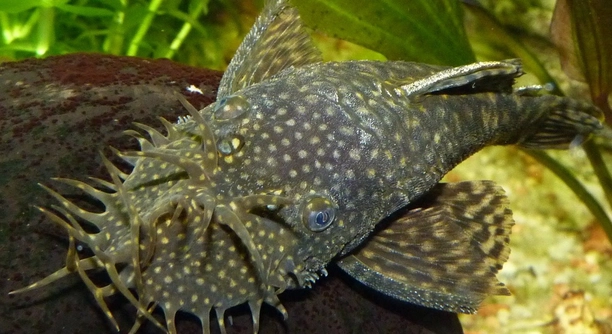
Your pleco may seem calm and peaceful, but sometimes signs of stress or conflict can appear quietly. Observing their behavior carefully helps ensure they are living in a healthy and balanced environment with their tank mates.
Plecos may display aggression, territorial behavior, or unusual hiding patterns when they are not getting along. Monitoring feeding times, physical interactions, and movement within the tank can provide clear indicators of tension among your aquatic pets.
Knowing these warning signs allows you to intervene early, maintain harmony in the tank, and ensure each pleco thrives in a comfortable environment.
Unusual Aggression
Sometimes plecos will suddenly chase or nip at other tank mates without a clear reason. This behavior is often a sign that your pleco feels stressed or overcrowded. It can also appear when food is scarce or when a new fish is introduced. Watching for repeated chasing or biting helps determine if aggression is consistent. Aggressive plecos may also bump into decorations or the tank walls more than usual, showing irritation. Ensuring plenty of hiding spaces and monitoring tank population can reduce these aggressive displays. Keep track of which fish are being targeted to understand patterns and prevent injuries. Observing feeding behavior is crucial, as plecos sometimes compete aggressively for food. By identifying these behaviors early, you can take action to calm tensions and create a more peaceful tank environment. Consistency in feeding and space management often reduces incidents over time.
Aggression in plecos often stems from stress, territorial disputes, or competition for food within the tank. Proper tank management and observation are essential.
Monitoring aggression daily can help prevent serious injuries and maintain harmony. Small adjustments can make a significant difference.
Hiding More Than Usual
Excessive hiding is a clear indicator your pleco may not feel comfortable in its environment. This behavior can result from bullying, poor water conditions, or limited hiding spots. Plecos are naturally nocturnal, but constant retreat during the day signals stress. Adjusting tank layout and ensuring water quality can encourage healthier activity. Providing multiple hiding spaces, such as caves or plants, allows plecos to feel secure without isolating themselves. Keeping track of how long and how often a pleco hides helps gauge their comfort level. Changes in behavior, like reduced feeding or lethargy, often accompany prolonged hiding. Observing interactions with other fish is also important, as repeated bullying may force your pleco into constant seclusion. By improving environmental conditions and monitoring social dynamics, you can reduce excessive hiding and support a healthier, more active pleco.
Hiding too much can impact feeding and overall health. Awareness is key to improvement.
Plecos need a balance between space and security. Overcrowding or poor tank conditions increase stress and can lead to prolonged hiding. Regular maintenance, proper diet, and suitable hiding spots help maintain their well-being. Consistent observation ensures early detection of issues, allowing for timely interventions. Adjusting tank mates, decorations, and feeding schedules can prevent isolation and encourage more natural behavior. Over time, plecos regain confidence and become more visible and active.
Loss of Appetite
A pleco that suddenly stops eating may be stressed or uncomfortable with tank mates. Appetite changes often signal tension or illness. Observing feeding habits closely is essential.
Loss of appetite in plecos can result from bullying, water quality issues, or competition at feeding time. When food is scarce, dominant fish may prevent weaker plecos from eating. Illness can also reduce interest in food, making observation crucial. Monitoring your pleco’s behavior during feeding helps determine if the issue is social or health-related. Adjusting feeding locations, providing extra hiding spots, or separating aggressive tank mates can encourage eating. Maintaining clean water and balanced nutrition supports overall health. Plecos need consistency in their environment to reduce stress and restore appetite.
Providing small, frequent meals and ensuring each pleco has access to food often resolves minor eating issues. Watching interactions during feeding allows early intervention before stress affects health.
Rapid Gill Movement
Rapid gill movement indicates stress or poor water conditions in plecos. This sign should never be ignored, as it often precedes illness or conflict. Observing closely helps identify the source.
When plecos display rapid gill movement, oxygen levels may be low, or water quality could be compromised. Stress from bullying or territorial disputes can also trigger this behavior. Plecos exposed to aggressive tank mates may show constant gill activity, signaling fear or overexertion. Frequent observation of water parameters, such as ammonia, nitrate, and oxygen levels, is essential. Adjusting tank filtration, aeration, and hiding spaces can reduce stress. Monitoring interactions and removing overly aggressive fish may be necessary to restore calm. Rapid gill movement often indicates an immediate need for intervention to prevent long-term health issues. Ensuring stable water temperature and quality promotes normal breathing patterns and reduces chronic stress.
Constant Swimming
Plecos that swim constantly without resting may be stressed or uncomfortable. This behavior often reflects tension with other fish or dissatisfaction with their environment.
Continuous swimming can indicate that your pleco is avoiding aggressive tank mates or searching for more secure hiding spots. Stress and overcrowding increase this restless behavior.
Damaged Fins
Damaged or torn fins are a clear sign of conflict. Plecos may injure themselves during fights or when escaping aggressive fish. Observing interactions closely helps identify the responsible dynamics.
Unusual Color Changes
A pleco that suddenly changes color may be stressed or feeling threatened. Darkening or fading can reflect fear, poor water conditions, or dominance issues within the tank. Monitoring water quality and social interactions is important to prevent further stress.
FAQ
Why is my pleco hiding all the time?
Plecos are naturally shy and nocturnal, but constant hiding often signals stress. This can result from aggressive tank mates, overcrowding, or poor water quality. Providing multiple hiding spots, like caves or plants, helps plecos feel safe while reducing stress. Regularly checking water parameters ensures their environment is stable.
What should I do if my pleco stops eating?
Loss of appetite may indicate bullying, illness, or insufficient access to food. Try feeding in multiple locations, offering extra portions, and monitoring tank interactions. Ensuring clean water, stable temperature, and a balanced diet supports their health and encourages normal feeding behavior.
How can I tell if my pleco is stressed?
Signs of stress include rapid gill movement, constant swimming, color changes, damaged fins, and frequent hiding. Observing interactions with other fish, monitoring feeding behavior, and checking water quality are essential steps to identify stressors and take corrective action.
Is aggressive behavior normal for plecos?
Some aggression is natural, especially among territorial plecos. However, persistent chasing, nipping, or fighting indicates tension. Providing sufficient space, hiding spots, and multiple food sources can reduce aggressive interactions and help maintain a calm environment.
Can water quality affect my pleco’s behavior?
Absolutely. Poor water conditions, including high ammonia, nitrites, or low oxygen, can cause stress, hiding, rapid gill movement, and loss of appetite. Regular testing, partial water changes, and proper filtration are essential to maintain a healthy tank environment.
What are the best tank conditions for plecos?
Plecos thrive in tanks with stable water temperature, clean water, moderate flow, and plenty of hiding places. A balanced diet and adequate space reduce stress and prevent aggressive encounters. Overcrowding should be avoided, as it increases tension and reduces overall health.
Should I separate plecos if they fight?
If fighting is severe, temporary separation may be necessary. Use a divider or move the more aggressive fish to another tank. Once aggression subsides, reintroduce them carefully, ensuring adequate space, hiding spots, and monitoring interactions closely.
How can I prevent fin damage?
Providing smooth decorations, avoiding sharp objects, and reducing aggressive interactions help prevent torn fins. Observing tank mates and separating aggressive fish when needed also protects plecos from injuries caused by bullying or territorial disputes.
Are plecos happier with other fish or alone?
Plecos can coexist with other species if the tank is spacious and there are enough hiding spots. Overcrowding or pairing incompatible species may cause stress, hiding, or aggression. Observing behavior and adjusting tank population ensures plecos remain comfortable and active.
Can diet improve my pleco’s mood?
Yes. A varied diet with vegetables, algae wafers, and occasional protein treats keeps plecos healthy and reduces stress. Feeding consistently, in adequate portions, helps prevent competition at mealtime and supports normal behavior and activity levels.
How long does it take for plecos to settle in a new tank?
Plecos usually need a few days to several weeks to adjust. Providing hiding spaces, monitoring interactions, and maintaining water quality helps them feel secure. Gradual introduction to other fish reduces stress and ensures a smoother transition.
What should I watch for after introducing a new tank mate?
Observe for chasing, nipping, or hiding. Check feeding behavior and physical condition. Ensuring adequate space, multiple hiding spots, and equal food access helps reduce tension and allows plecos to coexist peacefully.
Can stress affect my pleco’s lifespan?
Yes. Chronic stress can weaken the immune system, reduce appetite, and increase vulnerability to disease. Maintaining clean water, proper diet, space, and monitoring social interactions are essential for long-term health.
How often should I check on my plecos?
Daily observation is recommended. Watch for changes in behavior, feeding, color, and breathing. Early detection of stress or conflict allows timely interventions and helps maintain a peaceful and healthy tank environment.
What are common mistakes that cause pleco stress?
Overcrowding, poor water quality, insufficient hiding spots, aggressive tank mates, inconsistent feeding, and sudden environmental changes are the most common causes. Regular monitoring and small adjustments prevent stress and support overall well-being.
This FAQ provides practical guidance to recognize and address common issues, helping plecos stay healthy, active, and stress-free in their environment.
Final Thoughts
Keeping plecos happy and healthy requires careful observation and attention to their environment. Plecos are often quiet and unassuming fish, but subtle signs like hiding, loss of appetite, or damaged fins indicate that something may be wrong. Recognizing these behaviors early allows you to make small adjustments that improve their well-being. Providing a well-maintained tank with clean water, adequate hiding spots, and a proper diet ensures that plecos can live comfortably alongside other fish. Paying attention to water temperature, oxygen levels, and the general cleanliness of the tank also plays a significant role in reducing stress and preventing health issues. Regular monitoring helps you identify problems before they escalate, allowing for timely interventions.
Behavioral changes in plecos often reflect environmental or social stress. Aggression, rapid gill movement, or constant swimming are signs that your pleco may feel threatened or uncomfortable. These behaviors can be caused by overcrowding, incompatible tank mates, or insufficient food resources. Observing interactions between plecos and other fish helps you understand the dynamics of the tank. Simple steps like adding hiding spots, adjusting the feeding routine, or temporarily separating aggressive fish can significantly reduce tension. Maintaining a calm environment and providing a predictable routine encourages plecos to feel secure, which often leads to more natural and relaxed behavior. Even small adjustments, such as rearranging decorations or adding a plant, can make a noticeable difference in your pleco’s comfort and overall health.
Plecos are resilient fish, but their well-being depends on consistent care and careful attention to both physical and social factors. Regular observation, proper diet, and a stable environment create conditions where they can thrive. Addressing signs of stress or conflict early not only protects their health but also helps maintain harmony in the tank for all inhabitants. By understanding pleco behavior and responding appropriately, you can create a peaceful, healthy aquarium where your fish feel secure and active. Taking the time to monitor and adjust their environment builds confidence in caring for them and ensures they remain strong, healthy, and stress-free. Ultimately, the effort put into maintaining a balanced and supportive habitat for plecos results in a more enjoyable and satisfying aquarium experience.

Hello,
If you enjoy the content that we create, please consider saying a "Thank You!" by leaving a tip.
Every little bit helps us continue crafting quality advice that supports the health, happiness, and well-being of pets around the world, for pets of all shapes, sizes, and species.
We really appreciate the kindness and support that you show us!