
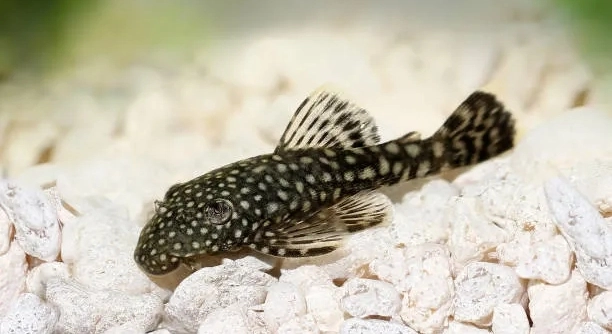
Have you ever noticed your Bristlenose Pleco moving in certain patterns around your tank at the same times each day? Observing these behaviors can spark curiosity about whether these fish can recognize routines. Their daily actions often suggest more than random movement.
Bristlenose Plecos are capable of learning simple tank routines through consistent feeding times and environmental cues. These fish can associate specific locations or signals with food or activity, showing a form of learned behavior and adapting their habits accordingly.
Understanding how they respond to routines can improve care and interaction. Observing their behavior closely may reveal patterns that help maintain a healthy tank environment.
Understanding Bristlenose Pleco Behavior
Bristlenose Plecos are generally calm and predictable fish. They spend most of their time hiding in caves or along tank surfaces. Observing them over several days reveals small patterns in their behavior, such as emerging during feeding or exploring specific areas. These routines often develop when conditions are consistent. They rely on visual cues and the presence of food to guide their actions, and they gradually learn when to expect meals. Plecos may also respond to changes in lighting or water flow. Their ability to recognize these cues shows a basic level of memory and learning. By noting their reactions, you can better understand how they adjust to changes in the tank. Over time, regular feeding schedules and consistent tank maintenance help reinforce these behaviors. Recognizing these patterns can also make caring for them easier, as you know when they are most active and ready to interact with their environment.
Small daily changes in the tank can disrupt these patterns. Consistency in feeding times helps them feel secure and maintain healthy habits.
Observing these behaviors allows owners to fine-tune care. By adjusting feeding schedules or introducing new structures slowly, Plecos can adapt without stress. Their predictable routines make it easier to anticipate activity and ensure their environment meets their needs consistently.
Training Bristlenose Plecos with Tank Routines
Plecos respond best to consistent cues, like feeding at the same time each day.
Introducing a simple routine begins with predictable feeding times and consistent placement of food. Using visual signals, such as tapping the tank lightly or approaching the same spot, can help Plecos associate the action with food. Start gradually, offering small portions in one area, and observe their response. Over a few weeks, the fish will begin to recognize these cues and adjust their movements accordingly. Rewarding their behavior by leaving food accessible reinforces learning. It’s important to maintain environmental stability, as sudden changes in lighting, water flow, or decorations can disrupt learned routines. Tracking their reactions helps determine which methods are effective. Some Plecos may take longer to adapt than others, but patience and consistency are key. By creating predictable patterns, owners can foster a more engaging and stress-free tank environment, benefiting both the fish and the overall tank ecosystem.
Recognizing Learned Behaviors
Bristlenose Plecos show learned behaviors through repeated actions. They remember feeding spots, hiding places, and respond to familiar movements in the tank. Observing these cues closely helps identify patterns and predict their daily activities effectively.
Watching Plecos over time reveals consistent responses to environmental cues. They often swim toward food immediately when feeding time approaches, even before anyone enters the room. Changes in lighting or water movement can trigger specific behaviors, like hiding or exploring. By tracking these reactions, you can determine how they adapt to new stimuli. Their memory allows them to link certain signals, such as sounds or shadows, to feeding, which demonstrates cognitive recognition. Plecos gradually adjust to patterns, showing patience and repetition are effective in teaching routines.
Recognizing these behaviors is also useful when maintaining tank health. Plecos may signal discomfort through unusual hiding or avoiding certain areas. By noting these behaviors, adjustments to water quality, decorations, or feeding routines can be made. Their learned responses indicate how well they are adapting, which helps prevent stress and ensures their environment remains suitable. Observing them provides insight into their comfort level and overall well-being in the tank.
Reinforcing Daily Routines
Consistency strengthens Plecos’ learning and comfort. Daily feeding and stable tank conditions encourage predictable activity patterns.
Reinforcing routines requires patience and repetition. Placing food in the same location at the same time each day helps Plecos anticipate meals. Gradually, they begin moving toward food without direct prompts, showing recognition of the schedule. Repeating signals like a soft tap or hand motion before feeding strengthens associations. Stability in lighting and water parameters supports learning, reducing stress and promoting confidence in their environment. Avoid sudden changes, as these can confuse or disrupt established routines. Tracking progress over several weeks highlights how quickly Plecos adapt and which cues are most effective.
Maintaining reinforced routines also improves overall tank harmony. When Plecos follow predictable patterns, interactions with other tank mates become calmer. Observing their behavior helps identify signs of stress or discomfort early, allowing adjustments before problems escalate. Consistent routines not only foster learning but also contribute to health, feeding efficiency, and environmental comfort. These practices ensure that Plecos can thrive in a structured setting while remaining responsive to their surroundings and adaptable to minor changes when needed.
Feeding Cues
Bristlenose Plecos respond quickly to feeding cues. They notice the placement of food, shadows, and movements near the tank. Over time, these fish associate specific signals with meals, making feeding smoother and more predictable.
Repeated exposure to the same signals strengthens their response. Plecos gradually learn to recognize patterns, such as tapping the tank or approaching at a certain time. This behavior shows that they can link actions to outcomes, which is helpful for maintaining consistent feeding routines and observing their daily activity.
Environmental Consistency
Stable tank conditions help Plecos feel secure. Water temperature, lighting, and decorations influence their comfort and routine. When changes occur slowly, they adapt more easily.
Plecos thrive when their surroundings remain consistent. Sudden adjustments in water parameters or tank layout can stress them, disrupting established routines. Providing familiar hiding spots and feeding areas encourages predictable behavior. Observing their reactions allows you to notice subtle signs of stress or discomfort. Gradually introducing new elements, like decorations or water flow changes, ensures they adapt without anxiety. Consistency in their environment supports learning, reinforces habits, and promotes overall health in the tank.
Observing Activity Patterns
Tracking daily activity helps identify learned behaviors. Plecos often emerge at predictable times for feeding or exploration.
FAQ
Can Bristlenose Plecos recognize their owners?
Bristlenose Plecos do not recognize owners in the way mammals might, but they can become familiar with regular movements near the tank. They may react to consistent signals like tapping the glass or hand motions by swimming toward food or observing quietly from hiding spots. Over time, they link these cues to meals and feel more comfortable with routine interactions.
How long does it take for Plecos to learn a routine?
The time can vary depending on the individual fish and consistency of the routine. Some Plecos may start showing predictable behaviors within a week, while others may take several weeks to respond reliably. Consistent feeding schedules, stable tank conditions, and repeated signals all help accelerate learning. Patience and observation are key, as rushing changes can cause stress and disrupt progress.
What cues are best for teaching Plecos routines?
Visual and environmental cues are most effective. Placing food in the same spot, tapping the tank lightly, or using a specific hand motion before feeding can signal meal times. Plecos respond to consistent patterns rather than random stimuli, so repeated exposure and stability reinforce learning. Avoid sudden changes in lighting or tank layout, as these can confuse the fish and slow down the learning process.
Can Plecos adapt to changes in schedule?
Yes, but gradual adjustments work best. If feeding times or tank conditions need to shift, make changes incrementally over several days. Sudden alterations can stress Plecos, causing hiding or irregular behavior. Observing their reactions during transitions helps ensure the fish are adjusting comfortably while maintaining overall health and activity levels.
Do tank decorations affect learned behaviors?
Absolutely. Plecos use hiding spots and landmarks to navigate and feel secure. Rearranging decorations suddenly can confuse them, interrupting routines. Keeping familiar caves, driftwood, and substrate in consistent positions helps reinforce learned patterns. When introducing new elements, doing so slowly allows the fish to explore without disrupting established behaviors.
Is it necessary to interact with Plecos daily for routines?
Daily interaction is not strictly necessary, but consistent feeding and environmental cues help maintain routines. Plecos are primarily responsive to predictable signals rather than social interaction. Regular observation ensures they stay healthy and adapt well to changes while reinforcing recognition of feeding cues and activity patterns.
Do Plecos show signs of stress when routines are disrupted?
Yes. Signs include hiding for longer periods, reduced activity, and irregular feeding behavior. Stress can also lead to health issues if disruptions are frequent or severe. Monitoring behavior and maintaining consistency in lighting, temperature, and feeding times are essential for minimizing stress and supporting learned routines.
Can Plecos learn to anticipate feeding without direct cues?
Yes, many Plecos start moving toward feeding areas when meals are consistently timed. They rely on repetition and environmental cues to anticipate food, demonstrating memory and learned behavior. Over time, they may swim toward food locations before anyone approaches the tank, reflecting a clear understanding of daily patterns.
Are all Plecos equally capable of learning routines?
Not exactly. Individual temperament, age, and previous experiences can influence learning speed. Younger or more active Plecos may adapt faster, while shy or older fish might take longer. Consistency and patience are key factors in helping all Plecos recognize and follow tank routines successfully.
How can I reinforce positive learned behaviors in my Pleco?
Consistency is crucial. Keep feeding times regular, provide stable environmental conditions, and repeat familiar cues. Reward behaviors by allowing access to food immediately after they respond correctly. Gradual introduction of new stimuli or objects ensures they continue to learn without stress. Observing and adjusting based on their reactions supports positive reinforcement effectively.
Can learned routines improve the health of Plecos?
Yes, predictable routines reduce stress, support feeding efficiency, and encourage natural behaviors like exploring and hiding. A stable environment and regular cues promote better digestion, activity, and overall well-being. Learned routines also make monitoring their health easier, as deviations from normal behavior are easier to spot early.
Are Plecos capable of learning more complex tasks beyond feeding routines?
Bristlenose Plecos have limited cognitive abilities. While they can associate simple cues with food or environmental changes, complex tasks requiring multi-step problem solving are beyond their typical learning capacity. Their learning is primarily linked to survival and comfort within the tank rather than advanced behavioral training.
Final Thoughts
Bristlenose Plecos are fascinating fish that show more intelligence than many people expect. While they are not as interactive as some other freshwater fish, they are capable of learning simple routines and responding to consistent cues. Observing them closely reveals patterns in behavior, such as emerging at feeding times, hiding in familiar spots, or exploring specific areas of the tank. These behaviors suggest that Plecos can remember locations, signals, and schedules over time. Consistency in feeding times, placement of food, and stable tank conditions helps reinforce these learned behaviors, making them more predictable and easier to care for. Understanding their habits allows for a more comfortable and stress-free environment, which benefits both the fish and the owner.
Maintaining a structured routine is particularly important for Bristlenose Plecos because it gives them a sense of security. They rely on stable conditions to feel comfortable and confident in their environment. Sudden changes in lighting, water flow, or tank layout can disrupt their learned patterns and cause stress. By observing how Plecos react to different situations, owners can make gradual adjustments that help the fish adapt without anxiety. Simple actions, like tapping the tank before feeding or keeping hiding spots consistent, provide visual and environmental cues that Plecos can associate with food and safety. Over time, these repeated cues create predictable patterns, demonstrating their ability to learn and respond to their surroundings. Even small changes in schedule or environment should be introduced slowly to maintain trust in the tank and avoid unnecessary stress.
Learning and recognizing routines also improves the overall health and well-being of Plecos. When they know what to expect, feeding becomes more efficient, and they are less likely to overeat or miss meals. Predictable behavior also makes it easier to monitor their activity and notice any signs of illness or discomfort early. This can include changes in movement, hiding habits, or appetite. By paying attention to these subtle cues, owners can intervene quickly and make necessary adjustments to water quality, diet, or tank conditions. Supporting learned routines does not require constant interaction, but consistent observation, feeding, and environmental stability are essential. Overall, understanding and reinforcing these behaviors helps Bristlenose Plecos thrive, promotes a healthy tank environment, and makes caring for them a more straightforward and rewarding experience.

Hello,
If you enjoy the content that we create, please consider saying a "Thank You!" by leaving a tip.
Every little bit helps us continue crafting quality advice that supports the health, happiness, and well-being of pets around the world, for pets of all shapes, sizes, and species.
We really appreciate the kindness and support that you show us!