
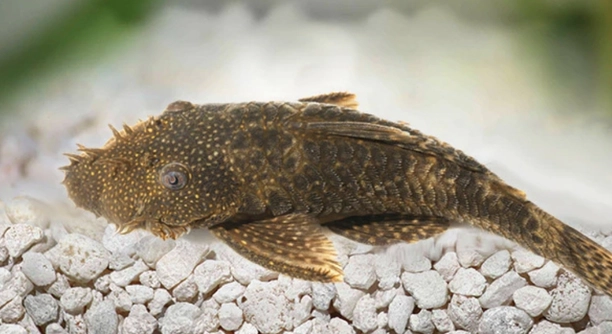
Have you ever noticed your plecos swimming sluggishly or hiding more than usual in their tank? Keeping them healthy requires attention to water quality, diet, and tank conditions, which all play a critical role in their wellbeing.
Maintaining a healthy pleco tank involves regular water changes, proper filtration, balanced nutrition, suitable decorations, and careful monitoring of temperature and pH levels. These steps collectively reduce stress, prevent disease, and support long-term growth and vitality in plecos.
Implementing these strategies can make a significant difference, helping your plecos thrive and keeping their environment stable and safe for the long term.
Keep the Water Clean
Keeping the tank water clean is essential for pleco health. Regular water changes remove excess waste and prevent harmful chemicals from building up. Filtration helps maintain clarity and reduces toxins, making the environment safer for your fish. A clean tank also supports beneficial bacteria, which break down waste naturally and help maintain stable water conditions. Testing the water for ammonia, nitrites, and nitrates ensures that levels remain safe, and adjusting them when necessary can prevent stress or illness. Even small changes in water quality can affect plecos, so consistent maintenance is key. Using a gravel vacuum or siphon during water changes helps remove debris from the substrate, while monitoring filter performance ensures it functions properly. Avoid overfeeding, as leftover food contributes to waste accumulation. Providing a consistent schedule for cleaning helps your plecos adapt and keeps their environment predictable.
Regular water changes and proper filtration are the most effective ways to prevent disease and keep plecos thriving in their tank.
A stable water environment not only prevents illness but also encourages natural behavior. Plecos will be more active, eat better, and explore their habitat when conditions are optimal. Clean water supports their immune system and overall vitality. Consistency in care ensures long-term tank health and a happy, thriving pleco population.
Provide Proper Hiding Spots
Plecos need spaces to hide and feel secure. Driftwood, caves, and dense plants create areas for resting and reducing stress.
Hiding spots reduce aggression and allow plecos to rest during the day. They also mimic natural habitats, providing comfort and security. Including multiple hiding areas encourages natural behaviors and prevents territorial disputes, which improves overall health.
Providing a mix of driftwood, rocks, and plants benefits plecos physically and mentally. Driftwood not only offers shelter but also releases beneficial compounds into the water, supporting digestion and providing a natural food source. Rocks and caves give them places to retreat, rest, and avoid stress from tankmates. Plants provide cover and contribute to water quality by absorbing nitrates. Arranging the tank with multiple hiding spaces ensures every pleco has access to shelter, reducing stress and competition. Observing how plecos use these areas helps determine if adjustments are needed, ensuring their environment remains suitable and enriching. Properly placed hiding spots lead to a more natural, balanced, and healthy tank environment for your plecos.
Feed a Balanced Diet
Plecos need more than just algae to stay healthy. Providing sinking pellets, fresh vegetables, and occasional protein sources ensures proper nutrition and supports growth. Variety prevents deficiencies and keeps them active and strong.
A balanced diet supports digestive health and prevents malnutrition. Vegetables like zucchini, cucumber, and spinach supply essential fiber, while sinking pellets provide vitamins and minerals. Occasional protein treats, such as bloodworms or shrimp, help maintain muscle development and energy levels. Feeding in moderation prevents leftover food from decaying and polluting the tank. Watching how plecos respond to different foods allows adjustments to their diet, ensuring all nutritional needs are met.
Consistency in feeding times also helps plecos develop predictable routines. Overfeeding can harm water quality and lead to obesity, while underfeeding slows growth. Rotating vegetables and pellets encourages natural foraging behavior, keeps plecos interested in food, and ensures they receive a complete diet. Proper nutrition strengthens immunity, reduces stress, and supports overall vitality, making your plecos more resilient to illness and environmental changes.
Monitor Water Temperature
Plecos thrive in stable temperatures between 74°F and 80°F. Fluctuations can cause stress, affecting appetite and activity.
Using a reliable heater and thermometer keeps conditions consistent. Avoid placing the tank near windows or vents, which may cause sudden temperature changes. Regular monitoring ensures a safe environment.
Temperature stability is critical for metabolic function and overall health. Sudden drops can weaken the immune system, while high temperatures increase oxygen demand, creating stress. Consistent warmth encourages natural behaviors, including feeding and resting patterns. Some pleco species prefer slightly cooler or warmer ranges, so researching the specific type ensures ideal conditions. Using a quality thermometer allows precise readings, while a stable heater prevents extreme fluctuations. Regular checks, particularly during seasonal changes, protect plecos from stress-related illnesses. Maintaining proper temperature also supports bacterial balance in the tank, contributing to cleaner water and a healthier habitat.
Maintain Proper Filtration
A good filter removes waste and keeps water clear. Plecos produce a lot of debris, so filtration is essential for stable water conditions. Regularly cleaning or replacing filter media ensures it continues working efficiently.
Filters also support beneficial bacteria that break down harmful chemicals. Choosing the right filter size for your tank prevents overcrowding and maintains consistent water flow, creating a healthier environment for your plecos.
Avoid Overcrowding
Too many fish in a tank increases stress and competition. Overcrowding leads to poor water quality and aggression, affecting pleco health. Giving each fish enough space reduces conflict, supports growth, and ensures proper oxygen levels for all inhabitants.
Include Driftwood
Driftwood serves as a natural food source and hiding place. Plecos graze on the surface, which aids digestion and provides essential nutrients.
Driftwood also softens water slightly, which benefits some pleco species. Providing a piece large enough for multiple fish ensures everyone can access it without stress. Regularly checking driftwood for decay helps maintain water quality while keeping plecos healthy and comfortable.
Regular Tank Checks
Routine inspections catch problems early. Checking water, equipment, and fish behavior prevents issues from escalating and keeps plecos safe.
FAQ
How often should I change the water in my pleco tank?
Water changes are essential for maintaining a healthy environment. A common practice is changing 20–25% of the water weekly. This helps remove waste, excess food, and harmful chemicals. If your tank is heavily stocked, consider more frequent changes to prevent ammonia or nitrate buildup. Regular partial water changes maintain stable water conditions, which reduces stress and supports healthy pleco growth. Always treat tap water with a dechlorinator before adding it to the tank to protect beneficial bacteria and prevent harm to your fish. Monitoring water parameters alongside changes ensures the tank remains safe.
What foods are best for plecos?
Plecos require a mix of sinking pellets, fresh vegetables, and occasional protein sources. Vegetables such as zucchini, cucumber, and spinach provide fiber and essential nutrients, while sinking pellets supply vitamins and minerals. Occasional protein, like bloodworms or shrimp, supports growth and energy. Avoid overfeeding to prevent leftover food from decaying and polluting the water. Rotating foods helps encourage natural foraging behavior and keeps plecos interested in their diet. Watching how your pleco eats allows you to adjust portions or food types to meet its nutritional needs effectively.
Do plecos need hiding spots in their tank?
Yes, hiding spots are crucial for pleco health. Driftwood, caves, and dense plants give them spaces to rest, feel secure, and reduce stress. Hiding areas mimic their natural environment and reduce territorial disputes with other fish. Providing multiple spots ensures every pleco has access to shelter. Driftwood also releases beneficial compounds that aid digestion, while rocks and caves create places to retreat. Observing pleco behavior around these spaces helps determine if you need to add or rearrange hiding spots. A well-structured tank improves both mental and physical health for plecos.
How do I maintain proper water temperature for plecos?
Plecos thrive in stable temperatures, typically between 74°F and 80°F. Using a reliable heater and thermometer ensures consistency. Avoid placing the tank near windows, vents, or direct sunlight, which can cause sudden fluctuations. Sudden changes in temperature can stress plecos, weaken their immune system, and affect appetite. Some species have slightly different preferences, so research your specific pleco type. Regular monitoring during seasonal changes prevents stress-related illnesses. Consistent temperature also supports the balance of beneficial bacteria in the tank, which keeps water quality stable and your plecos healthier.
How can I prevent diseases in my pleco tank?
Preventing disease starts with good tank maintenance. Regular water changes, proper filtration, and avoiding overcrowding reduce stress and limit harmful bacteria growth. Providing a balanced diet strengthens the immune system, while hiding spots help reduce aggression. Quarantining new fish before introducing them prevents the spread of illness. Observing your plecos daily allows early detection of unusual behavior, spots, or fin damage. Addressing small issues quickly prevents them from escalating. Maintaining stable water conditions, temperature, and pH levels is also key. A clean, well-organized tank environment minimizes risks and promotes long-term health.
Is driftwood necessary in a pleco tank?
Driftwood is highly beneficial, though not strictly mandatory. It serves as both a natural food source and a hiding place. Plecos scrape wood surfaces to aid digestion and supplement their diet with nutrients. Driftwood also softens water slightly, benefiting certain species. Providing enough driftwood ensures multiple fish can access it without competition. Regularly checking it for decay prevents water contamination. Combined with other hiding spots, driftwood enhances tank structure, encourages natural behaviors, and contributes to overall pleco health. It also creates a more natural and aesthetically pleasing environment for both fish and caretaker.
How do I know if my pleco is stressed?
Signs of stress include hiding constantly, reduced appetite, sluggish swimming, or unusual aggression. Stress can also result in color fading or clamped fins. These behaviors often indicate water quality issues, temperature fluctuations, or overcrowding. Observing your plecos daily helps detect early signs. Addressing underlying causes, such as adjusting water parameters, improving diet, or adding hiding spots, can reduce stress quickly. A consistent tank routine and stable environment support pleco wellbeing. Minimizing disturbances and maintaining proper care ensures your plecos remain active, healthy, and display natural behavior.
Can plecos live with other fish?
Yes, plecos can live with other fish if tankmates are compatible. Avoid aggressive or overly territorial species, as plecos need space to feed and hide. Providing ample hiding spots and maintaining a balanced population reduces stress and competition. Monitor interactions to ensure no bullying occurs. Peaceful community fish usually coexist well with plecos. Proper tank size and careful selection of companions are key. Keeping plecos with compatible species ensures a harmonious environment where all fish thrive, maintaining both physical health and natural behavior patterns.
What is the best way to clean the tank without harming plecos?
Use a siphon or gravel vacuum during water changes to remove debris without disturbing the fish. Clean filters according to manufacturer instructions, using tank water to avoid killing beneficial bacteria. Avoid harsh chemicals or soaps, as they can harm plecos. Regular maintenance prevents toxin buildup and keeps the environment safe. Check decorations and driftwood for decay, rinsing them gently if needed. Observing your plecos during cleaning helps ensure they remain stress-free. A consistent, careful cleaning routine maintains water quality while supporting the long-term health and wellbeing of your fish.
This FAQ covers the most common concerns for pleco care, providing practical guidance to maintain a safe, healthy, and thriving tank environment. Proper diet, water quality, and habitat management are key to long-term pleco wellbeing.
Maintaining a healthy pleco tank requires consistent attention and care. Plecos are resilient fish, but they rely on a stable and well-maintained environment to thrive. Clean water, proper filtration, and regular monitoring of temperature and pH levels are all essential for preventing stress and disease. A clean tank not only supports the plecos’ physical health but also encourages natural behaviors such as grazing, exploring, and resting in secure hiding spots. Neglecting water changes or filter maintenance can lead to harmful chemical buildup, which can quickly affect their immune system. Keeping the tank conditions consistent helps your plecos adapt to their environment and maintain normal activity levels, which contributes to their overall wellbeing.
Providing a balanced diet is equally important for pleco health. While they do graze on algae, additional nutrition from sinking pellets, vegetables, and occasional protein sources ensures they receive the vitamins and minerals needed for growth and energy. Rotating their food encourages natural foraging behavior and prevents dietary deficiencies. Overfeeding or leaving uneaten food in the tank can cause water pollution, so portion control and observation of eating habits are crucial. Offering proper hiding spaces like driftwood, caves, and plants also supports their mental and physical health. These areas give plecos a sense of security, reduce stress, and help prevent aggression. Observing how your plecos interact with their environment allows you to adjust hiding spots and decorations to better suit their needs.
Finally, regular tank checks and maintenance routines are critical for long-term pleco health. This includes monitoring water parameters, inspecting filtration, and watching for signs of stress or illness. Early detection of issues, such as unusual behavior, reduced appetite, or changes in color, allows for timely interventions before problems become serious. Maintaining a calm and stable environment benefits both the fish and the caretaker by reducing potential stressors and simplifying routine care. With consistent attention to water quality, diet, temperature, and habitat structure, plecos can live long, healthy lives while displaying natural behaviors. Proper care ensures that their tank remains a safe and thriving home where they can grow, feed, and interact comfortably. Taking these steps creates a balanced environment that supports not only physical health but also mental wellbeing, allowing your plecos to flourish over time.

Hello,
If you enjoy the content that we create, please consider saying a "Thank You!" by leaving a tip.
Every little bit helps us continue crafting quality advice that supports the health, happiness, and well-being of pets around the world, for pets of all shapes, sizes, and species.
We really appreciate the kindness and support that you show us!