
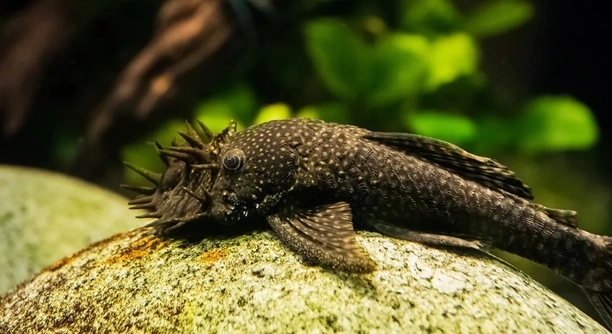
Are your plecos showing subtle changes that are easy to miss? Observing their behavior and appearance closely can help identify early signs of illness before they become serious issues. Small shifts often indicate underlying health problems.
Uncommon signs of pleco illness include unusual swimming patterns, discoloration, frayed fins, loss of appetite, irregular breathing, excessive mucus, and lethargy. Recognizing these symptoms early allows for timely intervention, reducing the risk of severe health complications and mortality.
Noticing these uncommon signs can make a significant difference in keeping your plecos healthy and thriving in their environment.
Unusual Swimming Patterns
Plecos typically glide smoothly along tank surfaces, exploring and feeding quietly. When their swimming becomes erratic, jerky, or they constantly stay near the bottom or surface, it can signal illness. Changes may indicate stress, parasites, or internal issues. Observing how your pleco moves daily helps detect subtle differences. Sometimes, they may spin or float strangely, which is not typical behavior. Even minor deviations from their usual patterns should be taken seriously. Environmental factors like water quality, temperature, and tank setup can also influence movement. Maintaining stable conditions can reduce stress that often leads to erratic swimming. Regular monitoring allows you to catch problems before they escalate. Behavioral changes often appear before visible symptoms. Paying attention to these patterns is one of the easiest ways to ensure your pleco stays healthy.
Tracking swimming behavior consistently provides early insight into potential health problems, making preventive care simpler.
Swimming abnormalities often accompany other signs of illness. Combined with appetite loss or color changes, these behaviors strengthen the case for immediate action.
Fin Damage or Fraying
Frayed or damaged fins indicate more than rough tank décor or minor accidents.
Fin deterioration can result from bacterial infections, poor water quality, or aggression from tank mates. Over time, fraying may worsen if not addressed. It can also make plecos vulnerable to secondary infections. Checking water parameters like ammonia, nitrite, and pH is essential. Adequate hiding spaces and smooth surfaces reduce accidental fin damage. Observing interactions with other fish can help identify if aggression is contributing. Treatment may include antibacterial medications, improving water conditions, or temporarily separating the affected pleco. Attention to diet supports fin repair, as proper nutrition promotes tissue regeneration. Consistency in care is crucial for recovery, preventing recurring issues.
Plecos with frayed fins often need both environmental adjustments and targeted care to restore health fully.
Loss of Appetite
Loss of appetite in plecos can signal stress, illness, or poor water conditions. Sudden disinterest in food should not be ignored.
Monitoring feeding habits daily is essential. Changes in appetite may indicate internal parasites, bacterial infections, or other health issues. If your pleco stops eating, examine water quality, temperature, and diet. Ensure tank conditions are stable and provide a balanced diet with vegetables, algae wafers, and occasional protein. Observing how long the appetite change lasts helps determine severity. Sometimes, short-term appetite loss occurs after moving or adjusting the tank environment, but prolonged refusal to eat requires intervention.
Treating appetite loss often involves a combination of water maintenance, dietary adjustments, and, if needed, medication. Prompt attention prevents weight loss, weakness, and increased susceptibility to secondary infections. Consistent monitoring and adjustments improve recovery chances.
Discoloration
Discoloration in plecos is an uncommon but clear indicator of health issues. Pale, dark, or uneven patches can suggest stress or disease.
Color changes may result from poor water quality, infections, or nutrient deficiencies. Stressful environments, such as overcrowding or sudden temperature fluctuations, can also trigger fading or darkening. Observing these changes alongside other signs, like fin damage or lethargy, helps identify underlying causes. Correcting water parameters, improving diet, and maintaining a clean tank are critical steps in restoring natural coloration.
Maintaining consistent lighting and a proper diet supports vibrant colors. Certain illnesses may require medication to reverse discoloration, making early detection essential. Regular observation ensures your pleco’s appearance reflects its overall health.
Excessive Mucus
Excessive mucus on a pleco’s body often signals irritation, stress, or infection. It can appear as a thick, cloudy coating covering the skin and fins.
High mucus levels may result from poor water quality, bacterial infections, or parasite infestations. Immediate attention is needed to prevent further health decline.
Irregular Breathing
Irregular breathing in plecos can indicate gill damage, low oxygen levels, or internal disease. Gasping at the surface or rapid gill movement are common signs. Observing their breathing patterns daily helps detect problems early and ensures proper intervention before conditions worsen.
Lethargy
Lethargy in plecos often shows as reduced movement and prolonged resting periods. A healthy pleco should explore the tank and feed actively. Lack of energy can point to illness, stress, or poor environmental conditions, requiring prompt care to prevent further decline.
Swelling or Bloating
Swelling or bloating in plecos may indicate internal infection, constipation, or organ issues. Sudden or unusual changes in body shape should not be ignored, as early detection improves treatment success.
FAQ
What causes a pleco to swim erratically?
Erratic swimming is often a response to stress, poor water quality, or illness. Parasites, low oxygen levels, or sudden temperature changes can affect their movement. Observing your pleco’s behavior regularly helps catch issues early. Adjusting water parameters and maintaining a stable environment usually reduces abnormal swimming.
Why is my pleco’s fin fraying?
Frayed fins can result from bacterial infections, poor water quality, or aggression from tank mates. Sharp decorations or rough surfaces may also contribute. Ensuring smooth surfaces, proper nutrition, and clean water supports fin repair. Severe fraying may require medication to prevent infection.
How can I tell if my pleco is not eating enough?
Loss of appetite may appear as refusal to eat algae wafers, vegetables, or protein. Stress, disease, or poor water conditions can cause this behavior. Observing feeding patterns daily helps detect problems. Short-term appetite loss may resolve with stable conditions, but prolonged disinterest requires intervention.
What does discoloration indicate in plecos?
Discoloration, such as pale or dark patches, often signals stress, nutrient deficiencies, or illness. Poor water quality and environmental stress can cause color changes. Tracking color alongside other symptoms like lethargy or frayed fins helps identify the cause. Correcting tank conditions and diet often restores natural color.
Why does my pleco produce excessive mucus?
Excessive mucus usually occurs when the fish’s skin or gills are irritated. Bacterial infections, parasites, or poor water quality can trigger overproduction. Regular water testing, tank cleaning, and proper diet reduce stress and support skin health. Severe cases may require treatment with appropriate medications.
What should I do if my pleco is breathing irregularly?
Rapid or labored gill movement often signals gill damage, low oxygen, or internal disease. Improving oxygen levels, maintaining clean water, and monitoring temperature are essential. If irregular breathing continues, consulting a vet or using targeted treatment can prevent further complications.
How do I recognize lethargy in plecos?
Lethargic plecos remain inactive for long periods, avoid feeding, and explore the tank minimally. Environmental stress, illness, or poor water quality are common causes. Providing a stable, clean tank with adequate nutrition helps restore normal activity levels. Persistent lethargy requires monitoring and possible medical care.
Why is my pleco bloated or swollen?
Swelling can indicate internal infections, organ problems, or constipation. Sudden body shape changes are serious and require attention. Adjusting diet, monitoring water quality, and seeking professional advice may be necessary. Early detection increases the chances of recovery.
How often should I check water quality for my pleco?
Daily observation of temperature, pH, ammonia, nitrite, and nitrate levels is recommended. Even minor fluctuations can stress plecos. Consistent maintenance prevents illness and supports long-term health. Regular partial water changes and monitoring help maintain a stable environment.
Can diet impact my pleco’s health significantly?
Yes, diet directly affects growth, color, and immune function. Providing vegetables, algae wafers, and occasional protein ensures balanced nutrition. Poor diet can lead to lethargy, color fading, or digestive issues. Adjusting feeding habits and supplementing nutrients helps prevent illness and promotes vitality.
Is it normal for plecos to hide frequently?
Hiding is normal but excessive hiding may indicate stress or illness. Check water quality, tank mates, and environmental conditions. Providing proper hiding spots supports comfort without masking potential health issues. Monitoring behavior ensures that hiding remains a natural, healthy habit rather than a sign of trouble.
When should I consult a vet for my pleco?
If symptoms persist beyond a few days despite proper care, a veterinarian specializing in fish health should be consulted. Unexplained lethargy, discoloration, irregular breathing, or swelling are signs that professional evaluation is necessary. Early intervention improves treatment success and overall recovery.
How can I prevent uncommon pleco illnesses?
Maintaining stable water conditions, providing a balanced diet, and observing daily behavior are key. Avoid overcrowding and ensure adequate hiding spaces. Regular cleaning and monitoring prevent most issues before they escalate. Prevention is more effective than treating advanced illness.
Can stress alone cause multiple health issues in plecos?
Yes, stress weakens the immune system and can trigger erratic swimming, loss of appetite, fin damage, and color changes. Stable water parameters, consistent routines, and minimal disturbances reduce stress, supporting overall health and preventing secondary complications.
How do I safely treat minor infections at home?
Minor infections often respond to improved water quality, salt baths, and targeted antibacterial treatments. Always follow dosage instructions and isolate severely affected fish if possible. Monitor recovery closely, adjusting care as needed. Proper tank maintenance supports healing and prevents recurrence.
What are the warning signs that indicate urgent intervention?
Severe lethargy, persistent loss of appetite, pronounced discoloration, swelling, or difficulty breathing require immediate attention. Prompt water testing, environmental adjustment, and veterinary consultation can prevent fatal outcomes. Acting quickly improves recovery chances and protects other fish in the tank.
How long does it take for a pleco to recover from minor illness?
Recovery varies depending on the condition and intervention. Minor issues often resolve within a week with proper care. Maintaining clean water, balanced nutrition, and stable conditions accelerates healing. Severe illnesses may take longer and require professional treatment to ensure full recovery.
Can plecos recover fully from serious health problems?
Yes, with timely intervention, proper treatment, and consistent care, plecos can recover from serious conditions. Early detection, water quality management, and veterinary guidance are crucial. Full recovery is more likely when multiple symptoms are addressed promptly and environmental stressors are minimized.
Is it normal for plecos to show multiple uncommon signs simultaneously?
Yes, illnesses often present several symptoms at once, such as frayed fins, discoloration, lethargy, and irregular breathing. Observing multiple signs together helps pinpoint the underlying problem. Immediate attention and corrective measures increase the chances of successful treatment and long-term health.
How important is regular observation for pleco health?
Daily observation is vital. Subtle changes in behavior, appearance, or appetite often precede serious health issues. Tracking these details allows for early intervention, reducing the risk of severe complications. Consistent attention ensures plecos remain active, healthy, and thriving in their environment.
What adjustments can improve a stressed pleco’s environment?
Stable water parameters, clean substrate, smooth decorations, and adequate hiding spaces reduce stress. Avoid overcrowding and provide a balanced diet. Consistency in tank maintenance and minimizing sudden changes creates a safe environment, preventing illness and encouraging natural behavior.
How do I know if treatment is working for my pleco?
Improvement in swimming, appetite, color, and activity levels indicates positive response. Monitoring daily allows you to track recovery. If symptoms persist or worsen, adjusting care or consulting a veterinarian may be necessary. Early detection and consistent maintenance significantly impact treatment success.
Can plecos transmit disease to other tank mates?
Some bacterial or parasitic infections can spread in shared tanks. Isolating sick fish, maintaining clean water, and monitoring all inhabitants reduces the risk of transmission. Quick intervention protects both the sick pleco and the overall health of the aquarium ecosystem.
Are there natural remedies to support pleco health?
Providing a varied diet, stable water conditions, and stress-free environments are natural ways to support health. Occasional supplements like vegetable enrichment or salt baths can help minor issues. These measures complement proper care and prevent the onset of more serious illnesses.
How do I differentiate between normal aging and illness in plecos?
Older plecos may slow down naturally, but sudden lethargy, color changes, or fin damage is usually disease-related. Comparing behavior to their usual patterns and monitoring multiple signs helps distinguish aging effects from health problems. Early attention ensures comfort and longevity.
What is the most effective way to maintain long-term pleco health?
Consistent water testing, balanced diet, regular observation, proper tank size, and minimizing stress are the most effective strategies. Preventive measures and early intervention reduce the risk of illness. Stability and attention to detail ensure plecos remain healthy, active, and vibrant throughout their life.
How often should I clean the tank to prevent illness?
Regular partial water changes, substrate cleaning, and filter maintenance every one to two weeks help prevent bacterial buildup and parasites. Overcleaning can stress plecos, so balance is key. Maintaining hygiene alongside monitoring water quality prevents common and uncommon health issues.
Can plecos hide symptoms until illness is severe?
Yes, plecos often mask discomfort until conditions worsen. Subtle behavioral changes, slight color fading, or reduced feeding are early warnings. Daily observation and proactive care are essential to catch problems before they become serious, improving recovery chances and maintaining overall health.
Is quarantine necessary for new plecos?
Quarantining new plecos for at least two weeks prevents introducing disease into an established tank. Observation during this period allows early detection of parasites, bacterial infections, or stress-related symptoms. Quarantine protects both the new fish and existing tank inhabitants.
What are the most common overlooked signs of pleco illness?
Subtle changes like irregular swimming, minor fin fraying, slight color shifts, mucus production, or mild lethargy are often missed. Regular observation and detailed attention to daily behavior ensure early intervention before symptoms escalate, supporting overall pleco well-being.
How does tank size impact pleco health?
Insufficient space increases stress, aggression, and competition for resources. A properly sized tank with hiding spots and enough swimming area reduces stress-related illnesses. Adequate room supports natural behavior, feeding, and long-term health, minimizing risks of uncommon health issues.
Can water chemistry fluctuations cause multiple illnesses?
Yes, unstable pH, ammonia spikes, or nitrite accumulation can trigger fin damage, color changes, respiratory problems, and lethargy. Regular testing, gradual adjustments, and consistent maintenance prevent stress-related complications and support immune function. Monitoring chemistry is crucial for preventing common and uncommon illnesses.
How can I tell if a treatment is harming my pleco?
Signs like increased lethargy, rapid breathing, unusual discoloration, or worsening fins indicate treatment stress or adverse reaction. Stop treatment if needed, review dosages, and consult a veterinarian. Observing responses ensures safe and effective care.
Is it normal for plecos to lose weight during minor illness?
Mild weight loss can occur during illness, stress, or appetite changes. Monitoring body condition helps assess severity. Prompt care, proper diet, and stable water conditions prevent excessive weight loss and promote recovery, supporting overall health and energy levels.
Do plecos recover faster in smaller or larger tanks?
Recovery depends on water quality and environmental stability rather than tank size alone. Larger tanks provide more swimming space and dilution of toxins, reducing stress. Stable, clean, and well-maintained tanks of adequate size support quicker recovery and long-term health.
Can stress from tank mates cause unusual illness signs?
Aggressive or territorial fish can stress plecos, leading to color changes, fin fraying, or lethargy. Monitoring interactions, providing hiding spots, and adjusting tank composition reduces stress-induced health issues. Proper social environment is essential for preventing uncommon illnesses.
What is the most effective combination of care for sick plecos?
Stable water, proper nutrition, environmental enrichment, and timely medical intervention work together. Isolation of severely affected fish, attentive observation, and gradual adjustments ensure recovery. Combining preventive and reactive measures gives plecos the best chance to regain full health.
Are there signs that indicate chronic illness rather than temporary issues?
Persistent lethargy, repeated color fading, continual fin fraying, and ongoing appetite loss suggest chronic conditions. Long-term observation, consistent care, and veterinary consultation are necessary. Addressing chronic issues early improves quality of life and reduces mortality risks.
How do I differentiate between minor stress and serious health problems?
Minor stress is short-lived, often caused by environmental changes or temporary disturbances. Serious health issues show multiple persistent symptoms like lethargy, discoloration, or fin damage. Comparing behavior to normal patterns and tracking multiple signs helps determine severity. Early intervention ensures better outcomes.
Can plecos recover fully from combined symptoms?
Yes, with proper care, water management, and medical attention, plecos can recover from multiple simultaneous symptoms. Early detection, consistent treatment, and stress reduction improve the likelihood of full recovery, ensuring long-term health and vitality.
How important is observation compared to treatment?
Observation is as important as treatment. Catching subtle signs early allows preventive measures or timely intervention, often avoiding severe illness. Daily monitoring ensures that corrective actions are effective and helps maintain the pleco’s overall health consistently.
What are the most reliable signs that indicate recovery?
Improved appetite, normal swimming, vibrant color, healed fins, and active exploration indicate recovery. Regular monitoring ensures these signs are genuine and that the pleco is regaining full health. Consistency in water quality and care supports continued improvement.
Can recurring minor illnesses indicate a larger problem?
Yes, repeated minor issues may signal underlying chronic disease, persistent stress, or inadequate environmental conditions. Thorough assessment of water quality, diet, tank mates, and behavior is necessary. Addressing root causes prevents further complications and promotes long-term health.
How can I create a stress-free environment for my pleco?
Stable water parameters, adequate hiding spots, smooth tank décor, proper tank size, and minimal disturbances create a stress-free environment. Reducing competition, providing consistent feeding, and avoiding sudden changes improve health and reduce the risk of uncommon illnesses.
What should I monitor daily for optimal pleco health?
Check swimming behavior, appetite, color, gill movement, and fin condition daily. Observing subtle changes in activity, posture, or mucus production helps detect problems early. Daily monitoring combined with proper care prevents both common and uncommon health issues, supporting overall vitality.
Can environmental enrichment impact recovery from illness?
Yes, hiding spots, smooth surfaces, and varied textures reduce stress and encourage natural behaviors. A comfortable environment supports immune function, reduces aggression, and helps sick plecos recover faster. Environmental enrichment complements medical treatment and proper care, promoting long-term health.
How long should I monitor a recovering pleco before returning it to a community tank?
Observe until normal swimming, feeding, color, and fin condition are fully restored. Recovery duration depends on the illness severity. Ensuring the pleco is fully healthy prevents reinfection or stress-related relapse when reintroduced to the main tank.
What are the common mistakes in treating pleco illness?
Overmedicating, ignoring water quality, neglecting diet, and failing to isolate sick fish are frequent mistakes. Rapid environmental changes and inconsistent observation also impede recovery. Following proper treatment protocols and maintaining stable conditions ensures more effective care.
How can I support pleco health long-term after illness?
Maintain clean water, stable conditions, balanced diet, regular observation, and adequate tank space. Preventing stress, monitoring behavior, and providing enrichment help reduce the risk of recurring illness and promote overall vitality. Consistency is key to long-term well-being.
Are there signs that indicate permanent damage from illness?
Persistent fin damage, color fading, chronic lethargy, or stunted growth may suggest lasting effects. Early intervention reduces permanent harm. Continuous care and monitoring help manage any long-term impacts, ensuring comfort and functionality for the pleco.
Can diet alone prevent uncommon pleco illnesses?
Diet is important but not sufficient alone. Water quality, stress management, tank conditions, and observation are equally critical. Balanced nutrition supports immunity and recovery, but prevention requires a holistic approach addressing all environmental and behavioral factors.
How do I maintain consistent care for multiple plecos?
Track feeding, monitor behavior, and test water regularly. Ensure adequate hiding spots and space for each fish. Observing individual patterns helps detect early signs of illness. Consistency in care, combined with proper tank management, ensures the health of all plecos.
Is it necessary to adjust care seasonally?
Temperature fluctuations, lighting changes, and seasonal water chemistry variations may require adjustments. Monitoring water quality and feeding patterns throughout the year helps maintain stable conditions. Seasonal care prevents stress and reduces the risk of uncommon illnesses.
How quickly should I act when I notice the first uncommon sign?
Immediate attention is essential. Early action—adjusting water, diet, or seeking treatment—prevents minor symptoms from escalating. Prompt response improves recovery chances and minimizes the impact on the pleco’s overall health.
Can minor injuries lead to serious illness in plecos?
Yes, small cuts or frayed fins can allow bacteria or parasites to enter, leading to infections. Maintaining clean water and treating minor injuries promptly prevents escalation and supports long-term health.
What is the best way to track pleco health over time?
Keeping a log of behavior, feeding habits, color, fin condition, and water parameters helps identify trends. Regular notes allow early detection of subtle issues, making interventions more effective. Long-term tracking supports preventive care and overall health management.
How do I balance observation, treatment, and environmental care effectively?
Monitor daily for changes, maintain clean water, and provide proper nutrition. Apply treatments carefully when necessary, and adjust the environment to minimize stress. A balanced approach ensures that plecos receive comprehensive care for both recovery and prevention.
Can untreated minor symptoms lead to multiple complications?
Yes, ignoring minor signs like lethargy, fin fraying, or color changes can allow infections, stress, or organ problems to develop. Early attention prevents escalation and improves the chance of full recovery, reducing the risk of long-term damage.
How can I know if my pleco is fully healthy again?
Consistent normal behavior, active feeding, vibrant color, intact fins, and regular swimming indicate full recovery. Monitoring for several days after treatment confirms stability and ensures the pleco is ready to continue thriving in its environment.
What is the most reliable strategy to prevent uncommon pleco illnesses?
Maintain stable water quality, provide balanced nutrition, reduce stress, and observe behavior daily. Isolation of new or sick fish and environmental enrichment further support health. Preventive care combined with consistent attention is the most effective approach for long-term well-being.
How do I identify subtle signs that may be easily overlooked?
Focus on minor deviations in swimming, gill movement, feeding patterns, fin edges, and color. Daily observation, comparison to normal behavior, and noting small changes ensures early detection of uncommon illnesses before they escalate.
Can multiple minor issues appear simultaneously without obvious illness?
Yes, subtle changes like slight fin fraying, mild lethargy, color shifts, or reduced appetite may occur together. Observing multiple small signs helps identify underlying problems and allows early intervention before serious illness develops.
How do environmental factors interact with pleco health?
Water quality, temperature, tank size, décor, and tank mates all influence health. Stress from environmental changes can exacerbate illness. Maintaining consistent, suitable conditions supports immune function and prevents uncommon signs from appearing.
Are there signs of recovery that appear before full health is restored?
Partial improvement in swimming, feeding, or color often occurs before complete recovery. Noticing these incremental changes helps guide continued care, ensuring treatment adjustments
Monitoring plecos for uncommon signs of illness is an important part of maintaining a healthy aquarium. These fish often hide subtle changes in behavior or appearance until problems become more serious, making careful observation essential. Paying attention to swimming patterns, feeding habits, fin condition, color, and mucus production helps identify issues early. Early detection allows for quick intervention, which can prevent minor problems from turning into serious health concerns. Even small adjustments, such as improving water quality, stabilizing temperature, or adjusting diet, can have a significant impact on a pleco’s overall well-being. By staying attentive and consistent, you can ensure that your pleco thrives and remains active and vibrant in its tank environment.
Providing a stable and clean habitat is just as important as monitoring behavior. Plecos rely on well-maintained water conditions, adequate hiding spaces, and proper nutrition for optimal health. Regular water testing, partial water changes, and keeping the tank free from debris and excessive waste help reduce the risk of infections and stress. Ensuring the tank is neither overcrowded nor too small gives plecos space to move and reduces conflicts with other fish. Nutrition also plays a key role, as a balanced diet supports immune function and helps repair minor damage, such as frayed fins or slight color changes. Small, consistent steps in tank management contribute to long-term health and reduce the likelihood of uncommon illness appearing in the first place.
Even with careful care, plecos may occasionally experience health challenges, and knowing how to respond is crucial. Observing multiple signs together, such as lethargy, discoloration, or bloating, often indicates the need for immediate attention. Addressing these issues may involve adjusting the environment, providing targeted treatment, or consulting a veterinarian specializing in fish health. Recovery can take time, and consistency is key—maintaining water quality, proper nutrition, and minimal stress throughout the healing period helps ensure the pleco regains strength and vitality. By combining careful observation, preventive care, and timely intervention, you can create an environment that supports not only recovery but also long-term wellness. Maintaining this level of care ensures your plecos remain healthy, active, and visually vibrant, making the effort to watch for uncommon signs worthwhile for any aquarium owner.

Hello,
If you enjoy the content that we create, please consider saying a "Thank You!" by leaving a tip.
Every little bit helps us continue crafting quality advice that supports the health, happiness, and well-being of pets around the world, for pets of all shapes, sizes, and species.
We really appreciate the kindness and support that you show us!