
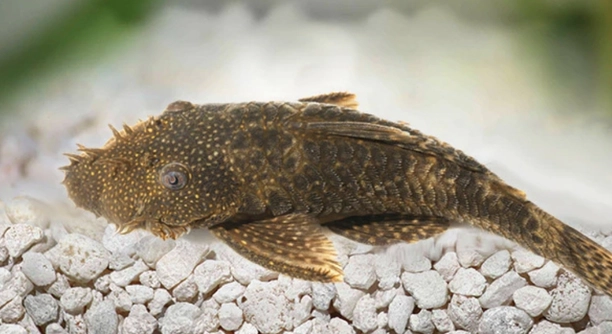
Is your pleco spending most of its time away from the gravel area in your aquarium? Observing its behavior can help you understand what may be causing this unusual preference in its environment.
Plecos often avoid gravel areas due to stress, improper substrate, or inadequate hiding spaces. Rough textures can irritate their sensitive undersides, and insufficient shelter can make them feel exposed, leading them to favor smoother or more protected sections of the tank.
Knowing these factors can help you create a more comfortable and natural environment for your pleco to thrive in.
Understanding Your Pleco’s Habitat Preferences
Plecos are naturally cautious fish, and their environment plays a major role in how comfortable they feel. Gravel areas may be avoided if the texture is uncomfortable or sharp, which can irritate their sensitive undersides. Smooth surfaces or sand may feel safer for resting and moving around. Light levels also influence their behavior. Brightly lit gravel zones can make plecos feel exposed, so they often prefer shaded or covered areas. Decorations, driftwood, and plants not only provide hiding spots but also simulate natural habitats. Water flow is another factor; strong currents near gravel may deter them, while calmer spots allow for easier resting and feeding. Temperature and water quality are essential as well. Even small changes in pH or hardness can cause plecos to avoid certain areas. Observing patterns over time helps identify preferences and adjust the tank to make all sections more appealing for your fish.
Adjusting the gravel or providing more cover can encourage your pleco to explore these areas.
Creating a comfortable habitat involves trial and observation. Testing different substrates, rearranging decorations, and monitoring water conditions will show what your pleco prefers. Over time, small changes can make gravel areas feel safer and more inviting, promoting natural behavior and activity.
Feeding and Gravel Interaction
Plecos often interact with substrate when feeding, but gravel can affect this behavior. Hard or sharp gravel may prevent proper foraging and scraping, leading them to avoid it entirely.
Choosing soft, smooth substrates or providing feeding spots on driftwood or flat surfaces encourages natural grazing. Many plecos enjoy algae wafers or vegetables placed strategically, reducing stress and promoting consistent feeding habits. Observing how your pleco responds to different feeding setups can guide adjustments to make the tank more comfortable and stimulating. Over time, they may begin exploring previously avoided areas once they feel safe and can feed effectively. Combining substrate adjustments with proper diet ensures your pleco maintains healthy behavior patterns while minimizing avoidance of gravel zones. Regular monitoring of interactions with the substrate allows you to identify subtle preferences and prevent potential health issues caused by stress or injury. Adapting your aquarium setup with these insights enhances both the welfare of your pleco and the overall harmony of your tank.
Water Quality and Its Impact
Poor water quality can make plecos avoid certain areas. High ammonia, nitrite, or nitrate levels stress them, causing them to hide in safer spots and avoid gravel zones where they feel exposed.
Regular testing and maintaining stable parameters are essential. Plecos are sensitive to fluctuations in pH, temperature, and hardness. Even small changes can affect their movement and comfort, prompting them to stay in calmer or covered areas. Clean water encourages normal behavior and allows them to explore more freely. Adjusting filtration, performing partial water changes, and monitoring levels consistently helps maintain a healthy environment for your pleco. Over time, they will feel secure enough to use all parts of the tank, including previously avoided gravel zones.
Observing behavior alongside water tests ensures you understand what your pleco prefers. Safe, clean water directly impacts their confidence and activity.
Providing Adequate Hiding Spaces
Plecos need hiding spots to feel safe and avoid stress. Driftwood, caves, and plants offer shelter while giving them control over their environment.
Adding multiple hiding spaces encourages exploration. When plecos feel secure, they are more likely to use different areas of the tank, including gravel sections. They often alternate between hiding and feeding, so accessible shelters reduce anxiety. Providing varied textures, shapes, and locations supports natural behavior. Overcrowding or placing decorations incorrectly may limit movement, leading to avoidance of some areas. Observing your pleco’s patterns helps identify which spots are preferred and which require adjustment. Adjusting the layout gradually ensures comfort while encouraging balanced activity. Proper hiding options improve overall tank dynamics and fish well-being, promoting healthier, more active plecos.
Substrate Texture Matters
Plecos are sensitive to the texture of the substrate. Rough or sharp gravel can irritate their undersides, causing them to avoid those areas entirely.
Smooth or fine substrates allow them to rest and move comfortably. Sand or rounded gravel is often preferred, making the tank feel safer for them.
Light and Shadow Effects
Brightly lit gravel areas can make plecos feel exposed and stressed. They naturally seek shaded or dim spots for comfort and security. Adjusting lighting or adding plants and decorations creates calmer zones, encouraging exploration and reducing avoidance behavior.
Observation and Adjustment
Careful observation helps identify why your pleco avoids certain areas. Tracking behavior shows preferences for substrate, hiding spots, or water conditions.
FAQ
Why is my pleco avoiding the gravel area?
Plecos often avoid gravel because it may feel uncomfortable or unsafe. Rough, sharp, or uneven surfaces can irritate their sensitive undersides. They also prefer areas with cover or smoother surfaces where they feel less exposed. Adjusting the substrate or adding hiding spots can encourage them to explore more freely.
Can the type of gravel hurt my pleco?
Yes, certain gravel types can harm plecos. Sharp, coarse, or jagged gravel can scrape their bellies or fins, leading to stress or minor injuries. Smooth, rounded gravel or sand is better, providing a safe surface for resting, moving, and feeding without irritation.
Does water quality affect gravel usage?
Absolutely. Poor water quality can make plecos stressed and more cautious about exposed areas, including gravel zones. High ammonia, nitrite, or nitrate levels can cause them to hide in safer spots. Maintaining stable pH, temperature, and cleanliness encourages normal activity and exploration.
How can hiding spots influence gravel interaction?
Plecos need places to hide. Driftwood, caves, and plants provide shelter and make them feel secure. When hiding options are limited, they may avoid open gravel areas entirely. Adding multiple shelters throughout the tank can help balance safety and activity.
Does lighting impact where plecos go?
Bright lighting can make plecos feel vulnerable. They naturally gravitate toward shaded or dim areas. Adjusting lighting levels, adding plants, or using decorations to create shadows can make gravel zones more inviting without causing stress.
Will feeding location affect gravel behavior?
Yes. Plecos often forage or graze near their food. If food is placed on rough gravel, they may avoid it. Using flat surfaces, driftwood, or smooth areas for feeding encourages natural grazing and reduces avoidance of gravel areas.
Can substrate changes make a difference over time?
Gradual adjustments to substrate can help. Switching to smoother gravel or sand, combined with adding shelters and monitoring water quality, can encourage plecos to explore previously avoided areas. Observing their response over days or weeks helps fine-tune the environment.
Is stress a reason for avoiding gravel?
Stress is a common reason plecos avoid certain areas. Overcrowding, aggressive tankmates, or sudden environmental changes can make them seek safer spots. Providing adequate space, calm tankmates, and predictable conditions reduces stress and encourages normal behavior.
How do temperature and water flow affect behavior?
Plecos prefer stable temperatures and moderate water flow. High currents near gravel can make them avoid the area, while calm spots provide rest and comfort. Ensuring consistent temperature and gentle water movement improves confidence in exploring the tank.
What else can I do to make gravel areas appealing?
Combining smooth substrates, hiding spots, proper lighting, and calm feeding locations makes gravel zones safer and more attractive. Observing your pleco’s behavior helps you identify preferences and adjust the tank for comfort, encouraging natural movement and healthy activity.
How long does it take for plecos to adapt to changes?
Adaptation varies. Some plecos adjust within days, while others take weeks. Patience is key. Gradually introducing changes and monitoring behavior ensures they feel secure, reducing avoidance and promoting exploration over time.
Can injuries or illness cause avoidance?
Yes. Scrapes, fin damage, or illness can make plecos avoid rough surfaces. Checking for signs of injury or disease and treating issues promptly ensures they feel safe moving across all tank areas.
Do all pleco species behave the same way?
Different species have varying preferences. Some tolerate rough gravel better, while others need very smooth surfaces. Researching your specific species’ needs helps create an environment that reduces avoidance and supports natural behavior.
Is tank size a factor in gravel avoidance?
Tank size affects comfort and movement. Smaller tanks with limited hiding spots can make plecos feel exposed, leading to gravel avoidance. Ensuring adequate space, proper substrate, and multiple shelters improves confidence and encourages exploration throughout the tank.
How important is consistency in the tank environment?
Consistency is very important. Sudden changes in water parameters, decorations, or substrate can stress plecos. Maintaining a stable environment encourages them to feel safe and gradually explore areas they previously avoided, including gravel zones.
Final Thoughts
Understanding why your pleco avoids the gravel area requires observing its behavior and paying attention to its environment. Plecos are sensitive fish that rely on comfort and security to move freely. They may avoid gravel that feels rough, sharp, or uncomfortable on their undersides. Smooth or fine substrates, like rounded gravel or sand, often make them feel safer. Adjusting the substrate is one of the simplest ways to encourage your pleco to explore previously avoided areas. Along with substrate, the placement of hiding spots plays a significant role. Driftwood, plants, and caves provide areas of shelter that make the tank feel secure. When plecos have safe spaces, they are more likely to venture onto gravel and interact with the environment naturally. Observing how your pleco reacts to different textures and layouts can help you identify preferences and adjust the tank accordingly. This attention to detail ensures your fish feels comfortable and reduces stress-related avoidance.
Water quality and lighting are additional factors that influence gravel usage. Plecos are very sensitive to changes in pH, temperature, ammonia, nitrite, and nitrate levels. Poor water quality can make them feel exposed or unsafe, causing them to stay in calmer or more shaded areas. Maintaining stable water conditions through regular testing, partial water changes, and proper filtration helps support their confidence and activity. Lighting also affects behavior; bright lights can make gravel areas feel open and unsafe. Adding plants or decorations to create shaded spots encourages plecos to move across different parts of the tank. Feeding practices can influence this as well. Placing food on smooth surfaces or on driftwood reduces stress and encourages natural grazing behavior. Combining these elements—substrate, hiding spots, water quality, lighting, and feeding location—creates a tank environment that supports healthy activity and reduces avoidance of certain areas.
Patience and observation are key to helping your pleco feel comfortable with the entire tank environment. Gradual changes allow them to adapt without stress. Each pleco is different, and their preferences may vary based on species, personality, and past experiences. Watching patterns in movement, preferred resting spots, and interactions with gravel or other surfaces provides insight into what adjustments are needed. Over time, small improvements in substrate texture, shelter placement, lighting, and water quality can make a noticeable difference in their behavior. Consistency and careful monitoring ensure the tank is a safe, comfortable, and stimulating environment. By paying attention to these details, you create conditions that support the pleco’s natural instincts, encourage exploration, and promote long-term health. A thoughtful approach not only helps your pleco feel secure but also enhances the overall balance and harmony within the aquarium.

Hello,
If you enjoy the content that we create, please consider saying a "Thank You!" by leaving a tip.
Every little bit helps us continue crafting quality advice that supports the health, happiness, and well-being of pets around the world, for pets of all shapes, sizes, and species.
We really appreciate the kindness and support that you show us!