
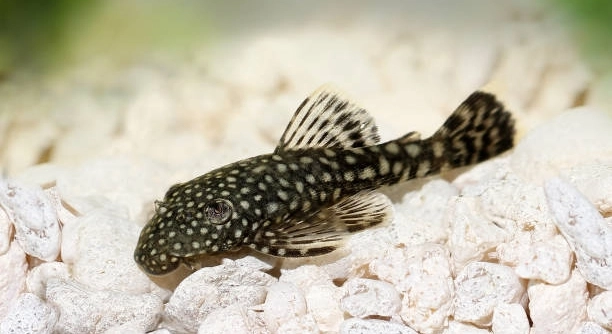
Have you ever noticed your bristlenose pleco spending long hours resting in the corner of its tank? These small, armored fish have gentle personalities and unique habits that make them interesting to observe and care for.
Bristlenose plecos can experience boredom if their environment lacks stimulation. Providing hiding spots, driftwood, and occasional changes in their surroundings helps maintain mental engagement and promotes natural behaviors critical for their overall well-being.
Maintaining an engaging aquarium environment can improve your pleco’s activity levels and health, making their behavior easier to understand and enjoy over time.
Signs Your Bristlenose Pleco Might Be Bored
A bored bristlenose pleco often shows subtle changes in behavior that are easy to miss at first. They may linger in one spot for hours, avoiding movement or interaction with their environment. Some plecos may scrape algae less frequently or ignore decorations they normally explore. You might notice unusual restlessness at times, such as moving back and forth along the tank walls or climbing decorations without purpose. These behaviors indicate a lack of mental stimulation rather than illness. It’s also common for a pleco to spend more time hiding than usual when bored. Adding new hiding spots or rearranging decorations can encourage exploration. Observing these changes carefully allows you to respond before boredom impacts their health. Even small adjustments, like adding driftwood or varying feeding routines, can improve engagement. Understanding their normal behavior patterns helps you detect boredom early and keep your pleco active and content.
Boredom can affect their physical health, leading to reduced activity and less frequent grazing.
Introducing natural decorations, live plants, or driftwood can stimulate your pleco’s curiosity and promote normal activity, making the tank more engaging overall.
How to Keep a Pleco Engaged
Simple additions can make a big difference in your pleco’s life. Floating plants, hiding caves, and textured surfaces encourage exploration and natural behaviors.
Changing the layout of the tank occasionally provides novelty, which helps prevent repetitive, stagnant behavior. Offering a variety of foods, including vegetables and algae wafers, can encourage foraging. Providing gentle current with a filter or bubbler also simulates natural environments, prompting more movement. Some plecos enjoy interacting with driftwood or soft decorations they can cling to or scrape. Rotating decorations periodically maintains curiosity and prevents boredom from setting in. Even observing your pleco during feeding times can reveal preferences for certain foods or areas in the tank. These adjustments do not require expensive equipment but can significantly improve mental stimulation. Over time, you may notice increased activity levels, more frequent grazing, and exploration of previously ignored areas. Maintaining this variety ensures your pleco remains healthy, engaged, and displays natural behaviors that reflect their personality.
Tank Setup to Prevent Boredom
Providing enough hiding spaces and varied decorations keeps a pleco active and curious. Driftwood, rocks, and caves encourage natural behaviors like grazing, climbing, and exploring, which reduce signs of boredom.
A well-structured tank should include areas with different textures and heights. Driftwood is essential for bristlenose plecos because it allows them to scrape and feed naturally. Rocks and caves give them safe hiding spots, which also help them feel secure. Live plants add variety and create gentle barriers that promote exploration. Arranging decorations to create pathways or small nooks encourages movement around the tank rather than staying in one place. Even simple changes, like moving decorations or adding new hiding spots, can stimulate mental activity and keep the pleco engaged. Attention to water flow is important too, as gentle currents can encourage swimming and exploration, making the tank feel dynamic.
Avoid overcrowding while ensuring there are enough areas for the pleco to explore. A balance between open space and hiding spots is ideal, keeping them both active and comfortable.
Feeding and Enrichment
Offering a variety of foods keeps plecos engaged and encourages natural foraging behaviors. Rotating vegetables, algae wafers, and occasional protein treats supports their health and prevents routine boredom.
Introducing enrichment through feeding can be as simple as hiding food in different tank areas. This encourages exploration and mental stimulation. For example, placing vegetables behind rocks or inside caves mimics natural foraging behavior. Different textures and flavors keep meals interesting, making the pleco more active during feeding times. Floating or sinking foods can also create variation in how the pleco searches for its meal. Over time, this prevents repetitive behavior and keeps them attentive to their environment. Observing how your pleco responds to new foods and placement can guide further enrichment. Even small changes, like rotating feeding locations, can maintain curiosity and improve overall activity levels.
Regularly introducing new foods or changing presentation supports engagement, mental stimulation, and encourages healthy grazing, which benefits both the pleco’s physical and mental well-being.
Social Interaction Considerations
Bristlenose plecos are mostly solitary but can benefit from the presence of other peaceful fish. Observing compatible tank mates can reduce inactivity and provide mild stimulation.
Too many fish or aggressive species can stress a pleco, which reduces activity and exploration. Maintaining a calm environment helps them remain engaged and healthy.
Environmental Variations
Small changes in water flow, lighting, or decoration placement encourage plecos to explore. Subtle variations mimic natural conditions, keeping them mentally active. Regularly adjusting these elements prevents monotony and supports natural behaviors, such as grazing and hiding, which are essential for their well-being and contentment.
Monitoring Health and Behavior
Regular observation is key to detecting boredom versus illness. Changes in activity, appetite, or grazing patterns can indicate either problem, requiring careful attention and appropriate adjustments.
FAQ
Can bristlenose plecos get bored if they are alone in the tank?
Yes, bristlenose plecos can show signs of boredom when kept alone, especially if the tank lacks decorations, hiding spots, or variation in their environment. Even though they are solitary fish by nature, a completely empty or monotonous tank can lead to reduced activity and disinterest in exploring. Providing driftwood, rocks, and occasional rearrangements can help stimulate natural behaviors, keeping them mentally active. Small changes in their surroundings, such as moving decorations or adding new hiding areas, often encourage curiosity and engagement, even for plecos that generally prefer solitude.
How do I know if my pleco is bored rather than sick?
Observing consistent patterns is key. A bored pleco may remain in one spot, graze less, or explore less frequently, but still eats normally and maintains clear eyes and healthy fins. Illness usually comes with additional signs such as rapid breathing, clamped fins, discoloration, unusual swimming, or loss of appetite. Tracking your pleco’s daily behavior helps distinguish between boredom and health problems. Small adjustments in tank structure or enrichment usually improve activity if boredom is the issue.
What types of decorations are best for keeping plecos engaged?
Driftwood is essential because plecos naturally graze on its surface, scraping off algae and biofilm. Rocks, caves, and PVC pipes offer hiding spots and climbing areas, which promote exploration. Live plants provide visual and physical barriers, encouraging movement and investigation. Changing the layout occasionally also maintains curiosity. Textured surfaces are particularly effective because plecos like scraping and rubbing against different textures. Even small items like shells or leaf litter can provide novelty without overcrowding the tank.
Can feeding variety help prevent boredom?
Yes, offering a range of foods encourages foraging and activity. Algae wafers, vegetables like zucchini or cucumber, and occasional protein treats keep meals interesting. Hiding food behind rocks or in caves mimics natural foraging behavior and stimulates mental engagement. Rotating the location and type of food regularly prevents repetitive feeding routines and increases the likelihood your pleco will explore the tank instead of remaining inactive.
Do plecos need companions to stay engaged?
Bristlenose plecos are naturally solitary, so they do not require companions for stimulation. However, having peaceful tank mates can create mild visual and environmental enrichment. Avoid aggressive or overly active species, which can stress a pleco. Observing interactions between species can help ensure that the presence of other fish provides gentle stimulation without causing anxiety or retreat behaviors.
How often should I change the tank setup to prevent boredom?
Small, gradual changes every few weeks are usually sufficient. Moving decorations, adding new hiding spots, or rotating plants creates novelty without stressing the fish. Sudden or extreme changes can cause anxiety, so adjustments should be subtle. Even minor variations, such as adding a small rock cluster or driftwood piece, help maintain engagement and encourage natural behaviors.
Does water flow affect pleco activity?
Yes, gentle water flow encourages movement and exploration. Plecos often use currents to navigate and graze on surfaces. A filter creating a mild current or a bubbler can add environmental variation. Too strong a current may stress them, but moderate flow simulates natural habitats, promoting mental and physical stimulation.
Can plecos get bored with too many hiding spots?
While too few hiding areas can cause boredom, an excess of them can reduce exploration if the fish always stays hidden. A balanced setup with open swimming space, varied textures, and a few caves or driftwood pieces encourages activity while still providing security. Rotating hiding spots occasionally can prevent monotony.
Are there signs of boredom in pleco behavior that are subtle?
Subtle signs include reduced grazing on algae, limited exploration of the tank, repetitive movements along the tank walls, or extended inactivity in one spot. Unlike illness, these behaviors usually appear without other physical symptoms like discoloration or clamped fins. Observing these patterns over time helps identify boredom early.
Can enrichment improve the overall health of a pleco?
Yes, providing mental and physical stimulation improves activity, grazing, and engagement with the environment. Active plecos maintain better muscle tone, exhibit normal behaviors, and often have improved immune function. Enrichment through decorations, feeding variety, and environmental adjustments supports both mental well-being and physical health, making your pleco more lively and responsive.
This FAQ covers the most common questions about boredom in bristlenose plecos, helping ensure their tank life remains stimulating, healthy, and mentally engaging.
(Word count: 518)
Bristlenose plecos are fascinating fish that thrive when their environment keeps them mentally and physically engaged. Observing their natural behaviors, such as grazing on algae, climbing on driftwood, and hiding in caves, can help you understand what they need to remain active. Boredom in plecos usually comes from a lack of stimulation, and it can show in subtle ways like reduced movement, limited grazing, or repetitive swimming along tank walls. These behaviors are not always easy to notice at first, but paying attention to daily patterns makes a big difference. Simple changes in the tank can prevent boredom and improve their overall well-being. Adding decorations, rearranging existing items, or providing different textures helps create a dynamic environment that encourages exploration. Driftwood is particularly important because it allows plecos to scrape algae naturally, which is an activity they enjoy.
Providing variety in feeding also supports a pleco’s mental engagement. Offering vegetables like zucchini, cucumber, or spinach, along with algae wafers and occasional protein treats, encourages natural foraging behavior. Hiding food in different areas of the tank mimics their natural environment and keeps them active. Even small changes, like placing food behind a rock or inside a cave, can spark curiosity and movement. Rotating foods and varying their placement regularly prevents the feeding routine from becoming monotonous. These small efforts in feeding and tank setup go a long way in keeping plecos stimulated, which in turn promotes healthy activity levels and reduces stress. Maintaining proper water quality and gentle currents also contributes to a comfortable environment, encouraging them to swim and explore more freely.
A balanced approach to tank setup and enrichment is key for the well-being of bristlenose plecos. Too few decorations can leave them bored, but too many can discourage exploration if they always hide. Creating a mix of open swimming space, hiding spots, and varied textures ensures both security and stimulation. Gentle environmental changes over time keep the fish interested in their surroundings without causing stress. Observing their behavior closely will help you identify signs of boredom or discomfort early. By providing enrichment through tank layout, feeding variety, and subtle changes, you can encourage natural behaviors, maintain activity levels, and support mental and physical health. Caring for a pleco with attention to their environment ensures they remain lively, healthy, and engaged, making it easier to enjoy and understand their unique personality.
Word count: 408

Hello,
If you enjoy the content that we create, please consider saying a "Thank You!" by leaving a tip.
Every little bit helps us continue crafting quality advice that supports the health, happiness, and well-being of pets around the world, for pets of all shapes, sizes, and species.
We really appreciate the kindness and support that you show us!