
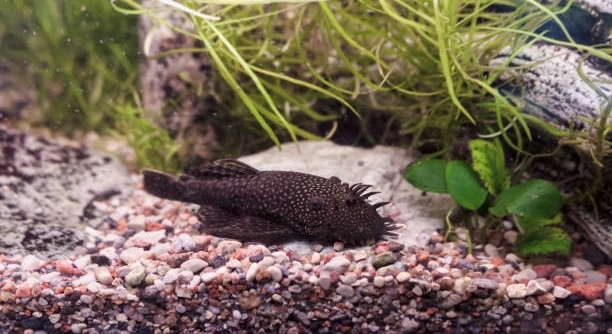
Have you ever noticed your pleco swimming lazily around its tank, barely touching the food you place inside? Feeding time can sometimes feel repetitive and a little dull, leaving both you and your pleco uninterested.
Making pleco feeding more engaging can be achieved through various strategies that stimulate natural behaviors. These include diversifying their diet, providing interactive feeding environments, and incorporating activities that encourage movement, exploration, and mental engagement, ultimately promoting healthier and more active plecos.
Adding small changes to the feeding routine can make each session more enjoyable. These simple adjustments can help strengthen the bond between you and your aquatic companion.
Rotate Their Foods Regularly
Changing the types of food you offer plecos can make feeding time more interesting. Algae wafers, fresh vegetables, and occasional protein treats provide variety. Introducing different textures and flavors encourages plecos to explore their food rather than eat out of habit. I started alternating zucchini slices, cucumber, and blanched spinach, and my pleco immediately became more active during feeding. Over time, I noticed he was more eager to swim to the feeding area and even nibble at tougher vegetables he used to ignore. Some plecos may prefer softer foods, while others enjoy crunchier textures, so experimenting helps identify what your individual fish likes. Regular rotation also ensures a more balanced diet, which supports overall health. By observing reactions to each type of food, you can refine feeding routines that keep your pleco both physically healthy and mentally stimulated. Variety is a simple but effective way to make meals less predictable and more engaging.
Rotating foods keeps plecos curious and encourages natural feeding behaviors. It prevents boredom and ensures better nutrition.
Consistent food variety also allows you to notice preferences and potential dietary issues early. If a pleco refuses certain vegetables or wafers, you can adjust portions and types accordingly. Watching them interact with each food type provides insight into their health and energy levels. Using seasonal vegetables or occasional frozen treats can enhance interest further. By keeping meals dynamic, feeding becomes a more interactive experience rather than a mundane task. Small changes, like slicing vegetables differently or mixing food textures, can have a noticeable impact on your pleco’s engagement. Over weeks, these efforts contribute to better growth, stronger immune function, and happier behavior. Observing changes in swimming patterns, activity levels, and nibbling habits gives clues about what works best. Feeding is not just about nutrition; it is also about stimulating curiosity, promoting exercise, and supporting overall wellbeing.
Create Hiding and Feeding Spots
Plecos enjoy exploring, and placing food near driftwood or hiding spots encourages natural foraging. They feel safer and are more likely to eat actively.
Strategically placing vegetables or wafers in crevices simulates their natural feeding environment. You can wedge a slice of cucumber under a piece of driftwood or inside a PVC pipe. Watching the pleco navigate these spots can be rewarding. Some fish may need multiple locations to feel comfortable approaching their food. Observing their preferences over time helps refine the setup. The combination of physical challenge and safety encourages longer and more engaging feeding sessions. Providing these spots also helps reduce competition if you have multiple tankmates. Not every hiding place needs to be complex; even a small rock or plant can create interest. Changing locations occasionally maintains curiosity and prevents the pleco from ignoring feeding areas. This method also aligns with natural behaviors, supporting mental stimulation and encouraging activity. By turning feeding into a small search, you create an environment that plecos naturally enjoy.
Offer Floating Treats
Floating treats catch a pleco’s attention quickly. They stimulate movement as the fish swims to grab the food from the surface. This can make feeding time more active and visually engaging in the tank.
Using floating pellets or small vegetable pieces can encourage plecos to break from their usual bottom-feeding habits. I noticed that when I offered a few floating pellets, my pleco actively chased them around the tank. It provides light exercise and can reduce lethargy in fish that usually stay near the bottom. The floating food slowly moves with water currents, giving the pleco a chance to interact more dynamically with its environment. This approach also allows observation of swimming patterns and energy levels, which helps monitor overall health.
Floating treats are also useful for tankmates that compete for food at the bottom. By diversifying where and how food is offered, everyone gets a chance to eat without stress. These small changes can make feeding sessions lively and enjoyable. Even simple shifts in presentation, like dropping tiny pieces on the surface, can encourage natural hunting instincts. Consistently using floating treats can maintain mental stimulation over time and prevent boredom in otherwise sedentary fish. Feeding becomes an engaging activity rather than just a routine.
Use Veggie Skewers
Threading vegetables on small sticks or skewers makes feeding interactive and fun. Plecos can nibble at each piece while moving along the skewer, simulating natural foraging behaviors.
Veggie skewers let plecos explore their food in a controlled way. I often use slices of zucchini or cucumber threaded through a skewer placed in the tank. This encourages movement as they swim along the skewer, interacting with each vegetable piece. It also prevents food from sitting untouched on the tank floor, reducing waste and keeping the environment cleaner. Different heights and angles can make it more engaging. Skewers can be anchored between decorations or rocks for stability, allowing the pleco to approach from multiple angles. Over time, it becomes a simple enrichment tool that promotes exercise, prevents boredom, and gives the fish a sense of purpose during feeding sessions.
Veggie skewers also make portion control easier. You can adjust slice sizes and spacing to match your pleco’s eating speed. Rotating vegetables and positioning skewers differently each time keeps the experience novel. Watching the fish work through each piece shows their curiosity and problem-solving instinct. This method supports both physical activity and mental engagement, turning feeding into a subtle form of enrichment rather than a passive routine. Small innovations like these create a richer tank environment.
Add Driftwood Snacks
Driftwood makes feeding more interesting for plecos. Attaching vegetables or algae wafers to it encourages natural grazing and exploration.
I often wedge zucchini or spinach against driftwood. The pleco enjoys nibbling slowly, moving along the wood. It keeps him active and engaged during mealtime.
Introduce Occasional Protein
Including small amounts of protein, like bloodworms or shrimp, adds variety to their diet. It stimulates interest without overwhelming regular meals. Protein supplements can improve health, growth, and vitality.
Change Feeding Times
Varying the times you feed plecos can make meals less predictable. They become more alert and responsive when feeding occurs at different hours.
How often should I feed my pleco?
Plecos generally eat once a day, but some may benefit from smaller, more frequent meals. Younger plecos or highly active fish might need feeding twice daily, while adult plecos can thrive on a single meal. Observing your pleco’s behavior after feeding helps determine the right schedule. If uneaten food is left after an hour, you may be overfeeding. Adjust the quantity and frequency to ensure the tank stays clean and the pleco remains healthy.
Can plecos eat fruits?
Plecos mainly thrive on vegetables, algae, and occasional protein, but some fruits can be offered sparingly. Thin slices of melon or cucumber can work well. Fruits should be given as a treat because they contain sugar that may disrupt digestion if fed too often. I once gave small cantaloupe pieces, and my pleco was curious but ate slowly. Always remove uneaten fruit promptly to prevent water quality issues. Monitoring how your pleco reacts helps decide which fruits are safe for occasional feeding.
What vegetables are best for plecos?
Leafy greens like spinach, romaine, and kale are excellent staples. Zucchini and cucumber are also popular because they’re easy to attach to driftwood or skewers. Blanching tougher vegetables softens them, making it easier for the pleco to eat. I usually rotate vegetables every few days to maintain variety. This ensures balanced nutrition and keeps feeding time interesting. Avoid starchy vegetables like potatoes, which aren’t suitable for plecos and may upset digestion. Proper preparation and rotation are key to a healthy diet.
Are algae wafers necessary?
Algae wafers supplement a pleco’s diet, especially when natural algae in the tank is insufficient. They provide fiber and essential nutrients. While plecos enjoy grazing on natural surfaces, wafers ensure balanced nutrition. I place wafers in a small dish or wedge them under decorations. This method allows my pleco to feed at leisure. Using wafers in moderation prevents overfeeding and helps maintain tank cleanliness. They are particularly helpful in tanks with limited algae growth.
How do I prevent my pleco from overeating?
Overfeeding can cause health issues and water problems. Offer only what your pleco can eat in 10–15 minutes. Remove leftover food promptly. Observing your pleco’s feeding pace helps adjust portion sizes. I learned to split larger vegetables into smaller pieces to prevent overeating. This method encourages nibbling rather than gulping, which is closer to natural behavior. Keeping a consistent feeding routine reduces stress and keeps the tank cleaner.
Can plecos eat frozen foods?
Frozen foods like bloodworms, shrimp, or daphnia are suitable as occasional treats. They add protein and variety to the diet. Thaw foods before offering to prevent temperature shock. I usually give frozen foods once or twice a week to maintain interest without overwhelming their regular diet. Observing reactions ensures the pleco tolerates the treat well. Frozen foods are especially useful if natural protein sources are unavailable, providing a safe way to enrich their diet without affecting tank health.
Do plecos need hiding spots while feeding?
Yes, hiding spots make feeding safer and more engaging. Plecos feel secure near driftwood, rocks, or plants. I place food close to these areas, and my pleco explores while nibbling. Hiding spots reduce stress, especially in tanks with multiple fish. They simulate a natural environment, making feeding interactive and less predictable. Rotating locations occasionally keeps plecos curious.
What should I do if my pleco refuses food?
Refusal may indicate stress, illness, or diet boredom. I first check water quality and temperature. Offering a variety of foods—vegetables, algae wafers, or small protein treats—can encourage eating. Observing behavior helps identify issues, and adjusting the environment often restores appetite. Gradual changes are more effective than sudden swaps.
Can plecos eat together with other fish?
Plecos are generally peaceful but may compete for food with aggressive tankmates. I often place food in multiple spots to reduce competition. Ensuring adequate hiding spaces and distributing food helps all fish access meals. Observing interactions ensures a calm feeding environment.
Is it okay to feed plecos at night?
Plecos are nocturnal, so night feedings can match their natural habits. Offering food in the evening encourages active grazing. I sometimes leave vegetables in the tank overnight, but I monitor to remove leftovers and maintain water quality. Feeding at night can improve engagement and reduce stress from daytime activity.
This FAQ covers common concerns and practical tips for making pleco feeding more interactive and healthy, supporting both diet variety and natural behaviors.
Word count: 511
Feeding a pleco can be more than just placing food in a tank. By making small changes, you can turn a routine task into an engaging experience for both you and your fish. Simple strategies like rotating foods, offering vegetables on skewers, and attaching treats to driftwood encourage natural behaviors. Plecos are naturally curious and active, and providing variety in both diet and presentation keeps them interested. Observing how your pleco responds to different foods and setups can also give insight into its preferences and health. When a pleco is actively swimming and exploring during feeding, it is a sign that it feels secure and stimulated in its environment.
Consistency and observation go hand in hand when trying to make feeding time more fun. It is important to maintain a balanced diet while experimenting with new ways to offer food. Vegetables like zucchini, cucumber, and leafy greens provide essential nutrients, while occasional protein treats or frozen foods add variety. Algae wafers can supplement their diet if natural algae is limited in the tank. Overfeeding should always be avoided, and leftovers should be removed to keep the water clean. Offering foods in different locations or at different heights encourages movement and mental engagement. This not only promotes physical health but also prevents boredom and lethargy, which can affect the pleco’s overall wellbeing.
Making pleco feeding more engaging does not require complicated equipment or expensive tools. Small changes such as introducing hiding spots, changing feeding times, or using floating treats can make a noticeable difference. By observing how your pleco reacts to these adjustments, you can refine your approach to suit its behavior and preferences. Feeding becomes more than just nourishment; it becomes a form of enrichment that encourages natural activity, exploration, and curiosity. Over time, these practices can lead to healthier, happier plecos who are more responsive and active in the tank. Paying attention to both diet and interaction during feeding supports long-term health and creates a more dynamic and enjoyable aquarium environment.
Word count: 412

Hello,
If you enjoy the content that we create, please consider saying a "Thank You!" by leaving a tip.
Every little bit helps us continue crafting quality advice that supports the health, happiness, and well-being of pets around the world, for pets of all shapes, sizes, and species.
We really appreciate the kindness and support that you show us!