
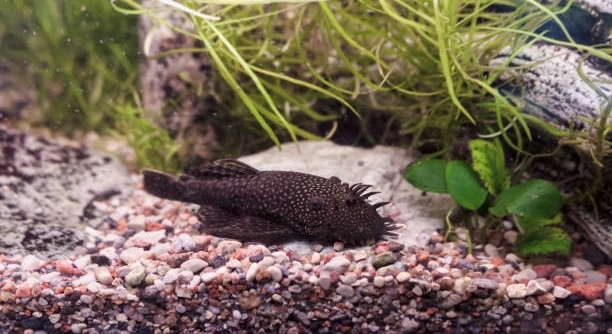
Have you ever noticed your Pleco fry behaving differently in their tank during the first few weeks of life? Observing their growth and daily activity can be both fascinating and challenging for new aquarists.
Proper handling of Pleco fry involves maintaining stable water conditions, providing appropriate nutrition, and ensuring a safe environment. Regular monitoring and gentle interaction reduce stress, supporting healthy growth and increasing survival rates in juvenile Plecos.
Learning the right techniques early on can make a significant difference in the development and wellbeing of your Pleco fry. These practices ensure a stronger, healthier start for your young fish.
Maintaining Optimal Water Conditions
Keeping water stable is the first step in raising healthy Pleco fry. Temperature, pH, and hardness must be monitored daily to prevent sudden changes. Small fry are sensitive, and even slight fluctuations can cause stress or disease. Frequent water changes are necessary, but they must be done carefully to avoid shocking the fry. Using a gentle filtration system helps remove waste without disturbing the fry’s environment. Aeration is also important, as young Plecos need well-oxygenated water. Avoid overcrowding the tank, as it can lead to competition for food and poor water quality. Observing behavior during daily checks can indicate if conditions are suitable. Healthy fry swim actively and respond to food. Unhealthy conditions often manifest as lethargy or erratic swimming. Maintaining clean water reduces the risk of fungal and bacterial infections, which can spread quickly among young fish. Consistency and attention to detail make a noticeable difference in survival rates.
Proper water maintenance ensures fry grow steadily without unnecessary stress or illness, supporting overall tank stability.
Regular testing of water and adjusting levels gradually creates a reliable environment for Pleco fry to thrive, reducing sudden health problems and promoting balanced growth in their first critical weeks.
Providing Appropriate Nutrition
Fry require small, frequent meals to support rapid growth and strong development.
Feeding high-quality, finely crushed pellets, algae wafers, and occasional fresh vegetables ensures they receive enough nutrients. Overfeeding can pollute the water, while underfeeding slows growth. A balanced diet helps fry develop strong digestive systems and resist disease. Varying foods slightly encourages natural feeding behavior and provides essential vitamins and minerals. Monitoring feeding habits daily allows you to adjust portions according to appetite and growth rates. Early nutrition impacts long-term health, so introducing the right foods at the right time is crucial. Some aquarists prefer supplementing with protein-rich sources like baby brine shrimp or bloodworms for faster growth. Avoid sudden diet changes, as young Plecos have sensitive digestive systems. Gentle observation during feeding also gives insight into their health and activity levels. Consistency in feeding schedules reduces stress and competition in group tanks. A proper diet is a foundation for strong, thriving Pleco fry and ensures they develop into robust adult fish.
Creating Safe Hiding Spaces
Young Pleco fry need areas where they can feel secure. Adding small caves, driftwood, or dense plants reduces stress and prevents bullying from other tank inhabitants. Fry are more active when they have secure spots to retreat to.
Hiding spaces are essential because they provide both physical shelter and mental comfort. Fry often explore slowly and cautiously, so accessible retreats prevent injuries and reduce stress-related behavior. Using natural materials like smooth driftwood or small clay pots works best. Avoid sharp decorations that could harm delicate fins. Placement is important: ensure hiding spots are easy to reach but do not block swimming areas or reduce water flow. Observing how fry interact with these spaces can help adjust their setup for maximum comfort. Overcrowding hiding spots is not necessary; a few well-placed areas are sufficient for small groups of fry. Regularly cleaning these areas prevents waste buildup and maintains a healthy tank environment.
Including varied textures and shapes in hiding spaces stimulates natural behavior and encourages exploration. Fry gain confidence when they can retreat safely, which supports better feeding habits and stronger growth.
Monitoring Growth and Health
Regular observation helps detect early signs of illness or stunted growth. Fry that appear smaller or inactive may need adjustments in diet or water conditions.
Tracking growth rates weekly allows for prompt intervention. Measure fry carefully without causing stress and note any deformities or unusual swimming patterns. Sudden changes in behavior or appetite may indicate water issues, nutritional deficiencies, or infections. Using a magnifying glass can help identify subtle differences in body shape or fin development. Quarantining sick fry prevents disease from spreading and allows targeted treatment. Keeping a log of water parameters, feeding schedules, and growth patterns provides useful data for long-term care. Maintaining proper hygiene, including regular cleaning and careful handling, reduces the risk of fungal or bacterial infections. Healthy fry should display consistent growth, vibrant color, and active swimming. Adjusting environmental factors based on these observations helps ensure that all fry reach maturity successfully.
Observation combined with precise care strengthens the ability to raise robust Pleco fry. Consistent monitoring, minor adjustments in water quality or feeding, and careful record-keeping minimize stress and improve survival rates. This hands-on approach also deepens understanding of Pleco behavior and developmental needs.
Controlling Tank Population
Overcrowding can stress Pleco fry and reduce survival rates. Keeping numbers manageable ensures fry have enough space to grow and access food without competition.
Separating fry into smaller groups or using breeding tanks can prevent dominance issues. Adequate spacing supports healthy development and reduces aggressive behavior, especially among larger or faster-growing individuals.
Gentle Handling Practices
When moving or inspecting fry, always use soft nets or containers. Rough handling can damage delicate fins or scales, leading to infections.
Minimize direct contact and avoid squeezing or sudden movements. Handling should be quick and deliberate, maintaining calm water conditions to reduce stress. This helps fry remain healthy and develop normally.
Observing Social Behavior
Fry often show subtle signs of interaction, like chasing or grouping together. Watching these behaviors helps identify stress or competition.
Understanding social dynamics allows adjustments in tank layout, feeding, or population to promote harmony and healthier growth among all Pleco fry.
FAQ
How often should I feed Pleco fry?
Feeding small Pleco fry multiple times a day is essential for steady growth. Offer finely crushed pellets, algae wafers, or soft vegetables in small portions. Avoid overfeeding, as uneaten food can quickly pollute the water, creating a stressful environment for fry. Observing their appetite helps determine the right amount.
What is the best water temperature for Pleco fry?
Pleco fry thrive in stable temperatures between 77–82°F (25–28°C). Sudden changes can stress them and slow growth. Using a reliable heater and thermometer ensures the water remains consistent. Frequent monitoring, especially during seasonal changes, is important to maintain optimal conditions.
How do I prevent disease in young Plecos?
Maintaining clean water and providing proper nutrition are the most effective preventive measures. Regular water changes, gentle filtration, and minimal handling reduce infection risks. Quarantining new or sick fish prevents disease spread. Observing fry daily allows early detection of unusual behavior or physical changes.
Do Pleco fry need hiding spaces?
Yes, they require secure retreats to feel safe. Driftwood, small caves, or dense plants provide protection from stress and bullying. Fry that have hiding spots are more active, feed better, and grow stronger. Avoid sharp or rough decorations that could injure delicate fins.
When should I separate fry by size?
Separating fry becomes necessary when size differences are noticeable. Larger fry can outcompete smaller ones for food, leading to stunted growth or injuries. Using smaller tanks or partitions helps maintain fair access to food and reduces stress.
Can Pleco fry eat the same food as adults?
Fry need softer, finely crushed foods. Adult pellets or wafers may be too large for small fry to consume effectively. Providing a mix of easily digestible foods ensures proper growth and strengthens their digestive systems for future adult diets.
How often should I test water parameters?
Daily testing of pH, temperature, and hardness is recommended, especially during the first few weeks. Fry are sensitive to changes, and early detection of imbalances prevents stress or illness. Keeping a log helps track trends and identify potential problems before they escalate.
What signs indicate stress or poor health?
Lethargy, clamped fins, irregular swimming, or lack of appetite are common signs. Rapid changes in body color or fin deterioration may indicate infection or water problems. Prompt adjustment of conditions and careful observation improves survival chances.
Is it necessary to aerate the tank for fry?
Yes, young Plecos require well-oxygenated water. Gentle air stones or sponge filters maintain oxygen levels without disturbing fry. Adequate oxygen supports metabolism, growth, and overall health, especially in smaller or densely populated tanks.
Can I use medication if fry get sick?
Medication should be used cautiously, as fry are very sensitive. Only use treatments approved for juvenile fish, following dosage instructions carefully. Quarantine sick fry if possible to prevent spreading disease and reduce stress on healthy individuals.
How do I encourage natural behavior in Pleco fry?
Providing varied hiding spots, gentle water flow, and appropriate foods stimulates exploration and feeding instincts. Observing their interactions helps adjust tank setup to support healthy social and developmental behavior. Fry that display natural behaviors are more likely to thrive and grow properly.
What is the expected growth rate of Pleco fry?
Growth rates vary by species and diet, but healthy fry typically show noticeable size increases within weeks. Regular feeding, optimal water conditions, and low stress contribute to steady growth. Monitoring progress helps adjust care strategies for best results.
How long should fry stay in a separate tank?
Fry remain in a controlled environment until they can compete for food and withstand normal tank conditions without excessive stress. This period varies by species and growth rate but usually lasts several weeks to a few months. Careful observation ensures safe integration.
What are common mistakes to avoid with Pleco fry?
Overfeeding, sudden water changes, overcrowding, and rough handling are frequent mistakes. Neglecting water quality or ignoring early signs of stress can reduce survival rates. Following consistent routines and gentle care significantly improves outcomes for young Plecos.
Can I mix Pleco fry with other fish?
Mixing with other species is risky until fry are large enough to avoid predation or bullying. Even peaceful tankmates can outcompete fry for food. It’s best to keep fry in a dedicated space until they are strong enough to join a community tank safely.
How do I know when fry are ready for adult food?
When fry can easily consume small pellets or wafers without difficulty, they are ready to transition. Gradually introduce adult foods while maintaining some finely crushed options to ensure proper digestion. Observation of appetite and growth confirms readiness.
What equipment is essential for raising Pleco fry?
Basic essentials include a small tank or breeding box, heater, thermometer, gentle filtration, air stone or sponge filter, hiding spots, and reliable water testing kits. Simple, functional setups are more effective than overly complex systems that may stress fry.
How do I reduce stress during tank maintenance?
Perform water changes slowly, handle fry minimally, and avoid sudden movements or loud noises. Using gentle nets or containers ensures safety. Stress reduction supports healthy feeding, growth, and resistance to disease, improving overall survival rates.
Are there species-specific considerations for fry care?
Different Pleco species grow at different rates and have slightly varied dietary preferences. Researching species-specific needs, such as ideal temperature ranges or preferred foods, helps tailor care. Small adjustments based on species improve survival, health, and development outcomes.
What is the role of observation in fry care?
Daily observation is key to detecting problems early, adjusting feeding, monitoring social behavior, and ensuring water stability. Being attentive allows timely interventions, preventing minor issues from becoming serious threats to the fry’s health. Consistent care builds confidence and supports better growth.
How long does it take for Pleco fry to mature?
Depending on the species, Plecos may take several months to over a year to reach full size. Steady growth depends on proper nutrition, stable water conditions, and low-stress environments. Monitoring progress ensures they develop into strong, healthy adults ready for a community tank.
What should I do if fry stop eating?
Loss of appetite often signals stress, illness, or poor water quality. Check water parameters, remove potential threats, and adjust feeding strategies. Offering small, high-quality foods in multiple short feedings encourages consumption and helps restore normal feeding behavior quickly.
Is it important to provide variety in fry diet?
Yes, varying foods ensures balanced nutrition and supports strong growth. Combining pellets, algae wafers, vegetables, and occasional protein sources like brine shrimp provides essential vitamins and minerals, helping fry develop healthy digestive systems and robust bodies.
How do I safely acclimate fry to a new tank?
Introduce water slowly, matching temperature and pH levels to avoid shock. Use gentle nets or containers to transfer fry carefully. Acclimation should be gradual, over several hours, to reduce stress and ensure a smooth transition to the new environment.
What are signs of good growth and development?
Active swimming, steady size increase, vibrant coloration, and responsive feeding indicate healthy growth. Fins should remain intact and undamaged. Regular observation ensures fry are thriving and allows adjustments if growth slows or behavior changes.
How can I prepare fry for community tanks?
Gradually introduce adult foods, maintain strong health, and ensure fry can compete for resources. Monitor behavior in small mixed setups before full transfer. Fry that adapt confidently are more likely to succeed in a community tank environment.
What water changes are ideal for Pleco fry?
Frequent, small water changes maintain quality without shocking the fry. Typically, 10–20% changes every few days work well, but adjustments depend on tank size, population, and feeding. Consistency supports health and growth effectively.
How important is tank cleanliness for fry survival?
Very important. Waste buildup increases disease risk and stress levels. Regularly cleaning substrate, decorations, and filters ensures a safe environment. Clean water promotes better feeding, reduces infections, and supports overall growth and wellbeing.
Can fry tolerate mild water flow?
Yes, gentle water movement encourages exercise and stimulates natural behavior. Avoid strong currents, which can exhaust or injure young fry. Proper flow also helps oxygen distribution and prevents stagnant areas, contributing to a healthier tank.
Are there signs that fry are ready to breed in the future?
Mature size, healthy coloration, and strong swimming ability indicate readiness for breeding later. Observing growth patterns and overall health provides insight into when fry will reach sexual maturity, depending on species and care.
What common mistakes slow Pleco fry growth?
Poor water quality, inconsistent feeding, overcrowding, and lack of hiding spots all hinder development. Addressing these issues early ensures steady growth. Consistent monitoring and proper care are far more effective than sudden, reactive measures.
How can I support fry during stressful events?
During tank moves, illness, or water adjustments, keep changes gradual, maintain hiding spots, and ensure optimal nutrition. Reducing stress helps fry maintain normal feeding and activity, which is crucial for survival and development.
Is lighting important for fry?
Yes, moderate lighting supports algae growth for grazing and helps regulate natural behavior. Avoid overly bright lights that can stress fry. Creating shaded areas with plants or decorations allows fry to control exposure.
How do I know when to stop using breeding tanks?
Once fry are strong, active, and feeding confidently on adult foods, they can be transferred. Gradual acclimation and observation ensure they adapt well to larger community tanks without excessive stress or competition.
How long should I observe fry daily?
Even a few minutes daily is enough to detect changes in behavior, appetite, or health. Consistent observation allows early action and ensures fry develop properly under optimal conditions.
Can fry survive with minimal care?
Survival without proper water management, diet, and observation is low. Young Plecos require consistent attention. Neglecting care increases disease risk, stunted growth, and mortality. Proper routines ensure the highest chances of healthy development.
What tools make fry care easier?
Thermometers, water test kits, soft nets, small feeding containers, and magnifying glasses simplify monitoring, feeding, and handling. Using these tools reduces stress for both the fry and the caretaker while improving overall results.
How do I prevent fin damage among fry?
Avoid overcrowding, sharp decorations, and rough handling. Proper hiding spots and gentle observation reduce aggression and accidental injuries. Healthy fins support swimming, feeding, and overall growth, making their protection essential.
Can Pleco fry live without hiding spots?
Technically yes, but survival and growth rates decrease. Hiding spots reduce stress and support natural behaviors. Fry without retreats are more likely to be stressed, compete poorly for food, or suffer injuries, affecting overall development.
How do I handle sudden fry illness?
Quarantine affected fry immediately, test water parameters, and adjust diet. Use approved medications carefully if necessary. Quick intervention prevents disease spread and improves recovery chances.
What role does tank size play in fry health?
Larger tanks provide more space, stable water conditions, and room for hiding spots. Overcrowding in small tanks increases stress, competition, and disease risk. Choosing appropriate tank size supports healthier growth and reduces mortality.
Is it normal for some fry to grow faster than others?
Yes, size variation is common. Ensure smaller fry have access to food and hiding spaces. Monitoring and occasional separation of size groups prevent stunted growth or injuries among weaker individuals.
How important is consistency in feeding and care?
Very important. Regular schedules and predictable routines reduce stress, encourage healthy feeding habits, and promote steady growth. Inconsistent care can slow development and increase susceptibility to disease.
Can I raise Pleco fry without prior experience?
It is possible, but careful research and attention to water quality, nutrition, and observation are essential. Following best practices significantly increases survival and supports healthy growth, even for new aquarists.
How long does it take for fry to become independent feeders?
Typically a few weeks, depending on species and diet. Fry start grazing on algae and small foods while gradually reducing reliance on frequent hand-feeding. Observation ensures they transition safely.
What is the biggest factor affecting fry survival?
Stable water quality, proper diet, and low-stress conditions are the most critical factors. Neglecting any of these can lead to illness, stunted growth, or mortality. Consistency and careful observation are key to high survival rates.
Are all Pleco species cared for the same way as fry?
Basic principles like water stability, nutrition, and safe spaces apply to most species, but specific temperature, growth rate, and dietary needs vary. Researching species-specific requirements ensures optimal care and growth.
How can I track growth effectively?
Measure fry weekly with minimal stress, record size, and monitor behavior. Logs help identify issues early, adjust feeding, and confirm healthy development over time. Consistent tracking improves long-term success.
Do fry require supplements or vitamins?
Occasionally, high-quality foods and fresh vegetables provide necessary nutrients. Additional supplementation is rarely required if diet is varied and balanced. Over-supplementing can cause digestive issues or water pollution.
How do I know when fry are healthy enough for community interaction?
When they feed confidently, swim actively, and can navigate hiding spots without stress, they are ready. Gradual introduction ensures they adapt without excessive competition or injury.
What signs show that hiding spaces are being used properly?
Fry should retreat when stressed or resting and explore the tank actively otherwise. Balanced use indicates comfort and reduced aggression, supporting normal growth and development.
Can I use artificial plants for hiding?
Yes, as long as they are smooth, non-toxic, and firmly anchored. Avoid sharp edges that could damage fins. Artificial plants can supplement natural hiding spots effectively.
How do I reduce competition for food among fry?
Feed small amounts frequently, provide multiple feeding spots, and separate larger fry if necessary. Observing feeding behavior ensures all fry get adequate nutrition, supporting uniform growth and health.
Are water conditioners necessary for fry care?
Yes, especially to remove chlorine, chloramine, and heavy metals. Using safe conditioners protects sensitive gill tissue and overall fry health, preventing stress and mortality.
What is the best substrate for Pleco fry?
Fine sand or smooth gravel works well. Avoid sharp or rough substrates that can injure fry. Substrate choice also influences cleaning ease and hiding spot placement.
How do I manage waste buildup effectively?
Regular small water changes, gentle siphoning, and proper filtration prevent harmful buildup. Consistent maintenance reduces ammonia and nitrite spikes, supporting healthy fry development and survival.
Can fry tolerate mild temperature fluctuations?
Minor daily fluctuations are usually manageable, but sudden or extreme changes can stress fry. Maintaining stable, species-appropriate temperatures is crucial for growth, immune function, and overall survival.
What is the role of observation in feeding adjustments?
Watching feeding behavior allows portion adjustments, prevents overfeeding, and ensures all fry eat. Observation helps detect early signs of stress or competition, supporting better growth outcomes.
How often should I clean decorations and hiding spots?
Regularly, without removing all biofilm. Gentle cleaning every few weeks prevents waste accumulation while preserving beneficial bacteria. Over-cleaning can disrupt the tank’s balance and harm fry.
Can fry survive in tanks with minimal plants?
They can, but natural or artificial hiding spaces improve security, reduce stress, and support feeding behavior. Plants or structures also provide gentle water flow variations for exercise and stimulation.
What are the early signs of fungal or bacterial infection?
White or fuzzy patches, fin rot, lethargy, or clamped fins are common indicators. Early detection allows treatment and isolation, preventing widespread issues.
How do I handle fry that are bullying others?
Provide additional hiding spaces, monitor feeding to prevent competition, and separate aggressive individuals if necessary. Managing behavior ensures smaller fry grow safely without injury or stress.
Is it normal for fry to hide most of the time?
Yes, especially during early development. Fry use hiding spots for safety while adjusting to the tank. Gradually, they become more active as they gain confidence and grow.
Can fry survive without a filter?
Technically possible in very small setups with frequent water changes, but filters help maintain stable water quality, reduce stress, and promote growth. A gentle sponge filter is ideal for fry tanks.
What is the ideal pH for Pleco fry?
Most species prefer slightly acidic to neutral water, around 6.5–7.5. Stable pH supports metabolism, feeding, and immune function. Frequent testing helps maintain optimal levels.
How do I reduce stress during water changes?
Change water slowly, match temperature and parameters, and avoid sudden currents. Minimal handling during the process helps fry remain calm, supporting growth and survival.
Can fry survive in tap water directly?
No, untreated tap water can contain chlorine, chloramine, or heavy metals harmful to fry. Using proper conditioners ensures safe water for delicate young Plecos.
How do I handle fry during tank relocation?
Transport gently in containers with tank water, maintain temperature, and minimize exposure to air. Gradual acclimation reduces stress and prevents shock during transfer.
Are there visual cues for when fry need more hiding spaces?
Excessive clustering, fin nipping, or stress behavior indicates insufficient retreats. Adding a few well-placed hides reduces aggression and improves comfort.
Can fry survive without protein-rich foods?
Minimal protein slows growth and weakens immunity. Including brine shrimp or similar sources occasionally supports healthy development and stronger bodies.
How long should fry spend in low-light conditions?
Moderate shading helps fry feel secure. Continuous darkness slows growth, but intermittent low light encourages natural exploration while reducing stress.
What is the best way to introduce vegetables to fry?
Blanch or soften small pieces of zucchini, cucumber, or spinach. Ensure sizes are manageable and remove uneaten portions to prevent water contamination. Gradually introducing vegetables supports balanced nutrition and healthy digestion.
How do I prevent mold on uneaten food?
Remove leftover food promptly, feed small portions, and maintain water flow. Mold and decay harm water quality and stress fry, so careful feeding management is essential.
Are there seasonal considerations for fry care?
Temperature and light changes affect metabolism and growth. Adjust heating and feeding slightly during seasonal fluctuations to maintain stable conditions and reduce stress.
How do I know when fry are stressed?
Lethargy, hiding constantly, clamped fins, or irregular swimming are signs. Address water quality, diet, or overcrowding to reduce stress and support healthy development.
Can fry adapt to new diets quickly?
Gradual introduction is key. Mixing new foods with familiar options encourages acceptance without digestive upset. Sudden changes can cause refusal or health issues.
How do I support fry during illness recovery?
Maintain clean water, optimal temperature, and gentle care. Provide high-quality, easily digestible foods, and reduce handling. Qu
Raising Pleco fry requires patience, attention, and consistency. These tiny fish are delicate during their early stages, and even small mistakes can affect their growth and survival. Maintaining stable water conditions is the foundation of their care. Temperature, pH, and cleanliness must be monitored regularly, and sudden changes should be avoided. Gentle filtration and proper aeration support healthy development while preventing stress. Fry are sensitive to overcrowding, so keeping their numbers manageable and providing enough space is essential. Observing their daily behavior, activity levels, and feeding habits allows you to detect problems early and make adjustments before they escalate.
Nutrition plays a key role in Pleco fry growth. Young fish need small, frequent meals of finely crushed pellets, algae wafers, and soft vegetables. Overfeeding can quickly deteriorate water quality, while underfeeding can slow growth and weaken immunity. Offering a variety of foods ensures they get essential vitamins and minerals while encouraging natural feeding behaviors. Occasional protein-rich sources like baby brine shrimp can support faster growth, but sudden changes in diet should be avoided, as fry have sensitive digestive systems. Observing their appetite and adjusting portions based on growth and activity ensures each fry receives adequate nutrition. Proper nutrition combined with careful observation contributes to strong, healthy development.
Providing a safe environment and minimizing stress are equally important. Hiding spots, like driftwood, caves, or dense plants, give fry places to retreat and feel secure. This reduces aggression, improves feeding confidence, and promotes natural behavior. Gentle handling, slow water changes, and careful cleaning routines prevent injuries and stress. Monitoring social behavior helps identify issues, such as bullying or uneven growth, which can be addressed through separation or adjustments to the tank layout. Consistent attention to these details ensures that Pleco fry grow steadily, stay healthy, and develop into strong adult fish. By following these best practices, aquarists can support the fry’s survival, create a comfortable environment, and enjoy observing their development over time.

Hello,
If you enjoy the content that we create, please consider saying a "Thank You!" by leaving a tip.
Every little bit helps us continue crafting quality advice that supports the health, happiness, and well-being of pets around the world, for pets of all shapes, sizes, and species.
We really appreciate the kindness and support that you show us!