
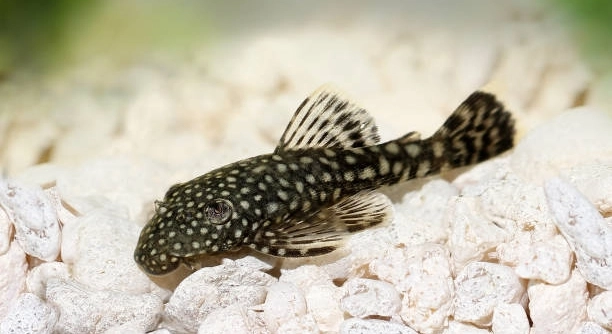
Have you ever noticed your Bristlenose Pleco seeming larger than expected, leaving you curious about its growth patterns in your aquarium? Many fishkeepers are unsure how quickly these peaceful bottom dwellers can develop.
Bristlenose Plecos can indeed grow faster than anticipated if provided with optimal water conditions, a nutrient-rich diet, and adequate space. Excessive growth may lead to health problems, making careful monitoring and controlled feeding essential for their long-term well-being.
Understanding their growth rate can help prevent future health issues and maintain a balanced aquarium environment for your fish. Proper care ensures your Pleco thrives without unwanted complications.
Factors Influencing Bristlenose Pleco Growth
Bristlenose Plecos grow at different rates depending on several key factors. Water quality is critical, as poor conditions can stunt growth or cause stress, while clean, stable water encourages steady development. Temperature also plays a role; these fish thrive in warmer waters around 72–82°F, which promotes healthy metabolism. Diet is equally important. A varied diet including algae wafers, vegetables, and occasional protein sources ensures they receive the nutrients needed for proper growth. Tank size and space matter as well. Crowded conditions can limit growth and cause behavioral issues, while adequate room allows the fish to explore and maintain optimal health. Monitoring growth regularly helps detect potential problems early. If the fish grows too quickly, it may indicate overfeeding or excess nutrients in the tank. Balancing all these factors helps your Pleco grow steadily without creating health complications or stress-related issues.
Regular checks of water and feeding routines keep growth consistent and safe.
By maintaining clean water, proper temperature, and a balanced diet, Plecos can grow steadily without sudden spikes. Limiting overcrowding and offering hiding spaces also reduces stress, supporting their overall health and lifespan.
Common Signs of Rapid Growth
Rapid growth can be noticeable when a Pleco outpaces the expected size for its age.
Signs of unusually fast growth include disproportionate body shapes, bloating, and increased activity at feeding times. Their fins may appear larger than normal, and sometimes they develop bristles unevenly. Rapid growth may also coincide with sudden tank changes, overfeeding, or higher temperatures. Observing these indicators early allows you to adjust care practices. Reducing feeding amounts, maintaining stable water parameters, and ensuring enough tank space can help normalize growth.
Monitoring the Pleco’s environment closely is essential to prevent long-term issues. Overgrown fish may face stress, weaker immunity, or digestive problems, making preventive care important. Adjusting diet, maintaining clean water, and limiting overcrowding helps control growth effectively. Bristlenose Plecos thrive when their needs are met in a balanced and stable environment. Regular observation allows early detection of abnormal growth trends, and simple interventions often correct the problem. Growth management ensures your fish remain healthy, active, and display normal behaviors while living comfortably in the tank. Maintaining a steady routine and watching environmental factors carefully supports their natural development.
Controlling Growth Through Diet
Overfeeding is a major reason Bristlenose Plecos grow too fast. Limiting portions and feeding a balanced mix of vegetables and algae wafers helps maintain healthy growth rates.
Providing smaller, measured meals two to three times a day encourages steady growth. Avoid excessive protein or high-fat foods, as they can accelerate development and cause long-term health issues. Including fresh vegetables like zucchini, cucumber, and spinach ensures proper fiber intake and digestive health. Monitoring leftover food prevents water quality issues that can stress the fish. Adjusting the diet based on size and age helps maintain natural growth patterns. Consistency in feeding routines plays a critical role in preventing rapid, unhealthy development.
When changing diet, introduce new foods gradually to prevent digestive upset. Observing how your Pleco reacts ensures it adapts well and maintains a balanced growth pace.
Maintaining Proper Tank Conditions
Tank size affects how quickly a Bristlenose Pleco grows. A cramped environment can limit activity and stress the fish, while a spacious tank promotes steady growth.
Water quality directly impacts growth. Regular water changes, proper filtration, and testing for ammonia, nitrites, and nitrates help maintain a healthy environment. Stable temperature and pH levels reduce stress and support natural development. Hiding spots and decorations provide security and reduce aggressive behaviors, which can indirectly influence growth. Overcrowding should be avoided, as it increases competition for food and can stunt or irregularly accelerate growth. Observing tank conditions closely allows for adjustments before problems escalate. Consistent maintenance supports long-term health and controlled growth rates.
Proper tank management also ensures that your Pleco remains active and displays natural behaviors. Clean water and appropriate space reduce disease risk and encourage a calm, healthy environment. Providing areas for grazing on algae and hiding fosters normal activity levels. These environmental factors work together to maintain balanced growth and prevent complications that arise from stress or overcrowding. Monitoring the tank closely and making incremental adjustments can prevent sudden growth spikes while keeping your Pleco comfortable and healthy.
Monitoring Growth Regularly
Regular observation helps detect unusual growth patterns early. Measuring your Pleco and noting changes ensures timely adjustments in diet or environment.
Keeping a growth log can help identify trends. Sudden increases may indicate overfeeding, high temperatures, or excess nutrients, allowing you to respond before health issues arise.
Adjusting Feeding Schedules
Feeding frequency directly influences growth. Reducing meals to controlled portions prevents overconsumption. A consistent schedule keeps metabolism steady and supports normal development.
Introducing fasting days once a week can help regulate growth and maintain digestive health. Combining this with portion control ensures the Pleco grows steadily without stress or excessive weight gain.
Recognizing Health Risks
Rapid growth can lead to health complications, including bloating, organ strain, and reduced immunity. Fish may appear lethargic or develop uneven bristles.
Observing these signs early allows intervention. Adjusting diet, monitoring tank conditions, and maintaining regular feeding schedules help reduce risks. Proper care ensures the Pleco remains healthy and active.
Encouraging Natural Behavior
Encouraging natural foraging and grazing reduces boredom and prevents overeating. Providing algae and plant material allows the Pleco to feed naturally and maintain balanced growth.
FAQ
How fast do Bristlenose Plecos usually grow?
Bristlenose Plecos typically grow at a steady rate, reaching about 4–6 inches in their first year. Growth depends on water quality, diet, and tank size. Healthy, well-fed fish in optimal conditions will develop steadily without sudden spikes in size. Overfeeding or high nutrient levels can accelerate growth temporarily.
Can Plecos grow too fast for their tank?
Yes. If a tank is small or overcrowded, rapid growth can lead to stress, injury, and stunted development. Larger tanks with ample space help prevent issues. Maintaining stable water conditions and proper hiding spots supports controlled growth.
What are signs of unhealthy rapid growth?
Signs include bloating, uneven bristles, lethargy, and sudden size changes. Overgrowth may also lead to weaker immunity and susceptibility to disease. Monitoring the fish’s body shape and activity level helps detect problems early.
How should I adjust feeding to control growth?
Feed measured portions two to three times daily and include fresh vegetables along with algae wafers. Avoid high-fat or high-protein foods. Occasional fasting days can regulate metabolism. Gradually adjusting the diet helps prevent stress or digestive upset.
Does water temperature affect growth?
Yes, water temperature directly influences metabolism. Temperatures between 72–82°F are ideal. Too warm can accelerate growth, while too cold may slow development and affect overall health. Regular monitoring keeps growth steady.
What role does tank size play in growth?
Tank size affects activity and stress levels. A cramped environment can cause irregular growth or stunting. Providing at least 30 gallons for a single adult Pleco ensures enough swimming space and room for natural behaviors like grazing and hiding.
Are there health risks with rapid growth?
Rapid growth can strain internal organs, reduce immunity, and increase vulnerability to infections. Behavioral changes, such as aggression or hiding, may also occur. Managing diet, water quality, and tank size reduces these risks.
How can I encourage natural growth patterns?
Provide a mix of algae, vegetables, and occasional protein while maintaining consistent water parameters. Hiding spaces and gentle currents encourage exploration and grazing. Natural activity supports steady growth and prevents stress-related issues.
Should I separate Plecos from other tank mates if they grow fast?
Not always, but monitoring interactions is important. Overcrowding or aggressive tank mates can stress the Pleco, impacting growth. If competition for food or territory arises, consider additional space or rearranging decorations to reduce conflict.
How often should I measure my Pleco?
Checking size monthly is sufficient for tracking growth trends. Note changes in length, girth, and bristle development. Sudden jumps in size may indicate dietary or environmental factors that need adjustment to maintain healthy growth.
Can diet alone regulate growth?
Diet plays a major role, but it works best alongside stable water conditions and proper tank size. Balanced feeding prevents excessive weight gain and promotes healthy development. Combining diet control with environmental management ensures natural growth patterns.
Is rapid growth reversible?
Excessive size from overfeeding or high nutrient levels can often be managed by adjusting portions and maintaining clean, stable water. Growth won’t shrink, but further acceleration can be controlled. Preventive measures are more effective than reversing growth later.
What vegetables are best for controlling growth?
Zucchini, cucumber, spinach, and peas are good choices. These provide fiber and nutrients without excess calories. Rotating vegetables keeps the diet balanced and prevents overfeeding, supporting steady development and healthy digestion.
How do I know if my Pleco is stressed?
Stress signs include hiding excessively, reduced appetite, rapid gill movement, or aggression. Stress often accompanies rapid growth caused by overcrowding, overfeeding, or poor water quality. Identifying and correcting the cause helps maintain health and balanced growth.
Can lighting affect growth?
Indirectly, yes. Proper lighting encourages algae growth, a natural food source. Too much or too little light can affect algae availability and tank activity, which may impact feeding behavior and growth patterns. Balanced lighting supports overall tank health and Pleco development.
How do I maintain long-term growth control?
Consistent monitoring of diet, water quality, tank size, and temperature ensures stable growth. Routine maintenance and observing behavior allow for early interventions. Adjustments in feeding, tank layout, and environmental parameters help your Pleco grow steadily and remain healthy over time.
This FAQ provides practical guidance for controlling growth while supporting the overall well-being of Bristlenose Plecos in home aquariums.
Bristlenose Plecos are generally low-maintenance fish, but their growth patterns require some attention to keep them healthy and comfortable in a home aquarium. While they may seem slow-growing at first, their development can accelerate under optimal conditions, including clean water, proper temperature, and a nutrient-rich diet. Understanding these factors is essential because rapid growth can lead to health problems or stress if not monitored carefully. Maintaining consistent tank conditions, observing behavior, and feeding a balanced diet are key steps to ensuring steady and controlled growth. Keeping notes on your Pleco’s size and general condition over time can help identify trends and prevent unexpected changes that could compromise its well-being.
Diet and feeding habits are central to growth management. Overfeeding, high-protein foods, or an inconsistent feeding schedule can cause sudden growth spurts, which may affect overall health. Providing a variety of vegetables, algae wafers, and occasional protein sources in measured portions encourages balanced development. Allowing grazing opportunities, such as algae on decorations or driftwood, helps the Pleco feed naturally while preventing overconsumption. Fasting days or reducing feeding frequency slightly can also help regulate metabolism and prevent excessive weight gain. By carefully controlling diet and observing the fish’s response, it is possible to maintain a steady growth rate without compromising energy or nutrition.
Tank conditions and environmental factors are equally important. Adequate space, hiding spots, and low-stress surroundings allow the Pleco to grow naturally. Crowded tanks or poor water quality can create irregular growth patterns, as stress often affects appetite and metabolism. Monitoring temperature, pH, and nutrient levels ensures a stable environment, while regular water changes and proper filtration maintain clean conditions. Encouraging natural behavior through decorations, driftwood, and gentle currents supports activity and grazing, which contributes to healthy growth. By paying attention to these elements and adjusting care routines as needed, Plecos can develop steadily, remain active, and enjoy a long, healthy life in the aquarium.

Hello,
If you enjoy the content that we create, please consider saying a "Thank You!" by leaving a tip.
Every little bit helps us continue crafting quality advice that supports the health, happiness, and well-being of pets around the world, for pets of all shapes, sizes, and species.
We really appreciate the kindness and support that you show us!