
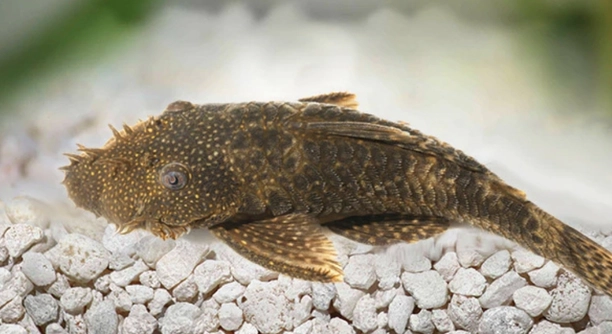
Do you enjoy observing your aquarium and the little lives within it? Bristlenose plecos are fascinating fish, often busy with their tanks. Their behavior sometimes sparks curiosity about how they perceive the world around them.
Bristlenose plecos demonstrate the ability to recognize objects within their environment. Studies suggest they use visual cues to distinguish shapes, locations, and familiar items, which aids in navigation, feeding, and interaction with their surroundings, reflecting a level of cognitive awareness.
Understanding how these fish interact with objects can enhance tank setups and care routines. Small adjustments in their environment may have a meaningful impact on their daily activities.
How Bristlenose Plecos See Their Environment
Bristlenose plecos rely heavily on sight to understand their surroundings. They are equipped with eyes that can detect movement, shapes, and light changes, allowing them to navigate their tanks efficiently. Objects like rocks, plants, and decorations are easily recognized, helping them avoid obstacles. They also use visual memory to remember locations of food and hiding spots. This recognition reduces stress, as they feel secure in a familiar setup. Observing their behavior shows they often inspect new objects carefully before interacting. Plecos may circle unfamiliar items, graze around them, or test them with their mouths. These behaviors indicate they are assessing whether the object is safe or edible. Over time, they adapt to changes in the tank, which shows flexibility in their perception. Tank owners can enhance their pleco’s environment by providing a mix of familiar and novel objects, stimulating both mental and physical activity. These small additions can improve their overall well-being.
Their visual recognition helps them learn quickly and respond to changes, making them attentive and adaptable in their environment.
Keeping track of how your pleco interacts with items in its tank can reveal its preferences and habits. Some plecos may favor smooth surfaces over rough ones, while others might hide under certain plants or rocks. This behavior is not random but based on their ability to recognize and remember objects. Introducing new decorations or rearranging existing items can stimulate exploration. Observing these responses allows you to gauge comfort levels and provide an environment that feels natural. It also supports healthy activity, reducing boredom and promoting normal grazing patterns. Over time, plecos may even associate specific locations with feeding times. Maintaining a consistent but slightly varied tank environment ensures they remain mentally engaged. Their recognition skills are subtle yet consistent, showing intelligence beyond simple instinct. The more you notice these interactions, the better you can cater to their needs while encouraging natural behavior and curiosity.
Signs Plecos Remember Objects
Bristlenose plecos often revisit areas where they previously found food or shelter, indicating memory retention.
These fish can remember specific objects for extended periods, especially those linked to survival. For instance, they recall hiding spots, feeding areas, and certain decorations. Repeated exposure to objects allows them to recognize patterns and navigate efficiently. Even after rearrangements, plecos may search for familiar items, showing spatial awareness. Their memory extends to subtle differences in objects’ shape, size, and color, which helps them differentiate between edible and non-edible items. Tank owners can use this ability by placing favorite foods in consistent locations, which reduces stress and supports natural foraging behavior. The cognitive capacity of plecos highlights that they are not purely reactive creatures; instead, they actively process and remember environmental information. Observing these behaviors reveals intelligence often underestimated in small aquarium fish, making them more than just decorative tank inhabitants. Their recognition skills provide insight into designing an enriched, safe, and stimulating environment that encourages both activity and comfort.
How Plecos React to New Objects
Bristlenose plecos often show caution when introduced to new objects. They may circle, nibble, or gently tap items before fully interacting. These reactions demonstrate careful observation and learning, helping them assess whether objects are safe, edible, or suitable for hiding.
Plecos explore new objects slowly. They may spend hours inspecting unfamiliar items, using their mouths and fins to gather information. These behaviors indicate recognition and evaluation rather than random movement. Some plecos will avoid objects that seem threatening or unfamiliar, while others gradually incorporate them into their routines. Consistent patterns emerge when they repeatedly encounter the same item, suggesting memory and cognitive processing. Watching this process reveals how they balance curiosity with caution, ensuring safety while adapting to changes in the tank environment.
Over time, plecos can integrate new objects into daily activity. They may rest beneath a newly placed rock, graze on plants near a new decoration, or swim around items in predictable paths. These responses are shaped by prior experience and environmental context. Recognizing these patterns can help maintain a stimulating habitat, offering both security and novelty. Plecos demonstrate subtle intelligence by adjusting behavior based on past interactions, which highlights their learning capacity. Understanding these responses allows tank owners to create conditions that support natural behavior while encouraging exploration and engagement.
Object Familiarity and Feeding Behavior
Bristlenose plecos tend to prefer familiar objects near feeding zones, associating them with safety and predictability.
Familiar objects play a significant role in feeding behavior. Plecos often return to areas where food is consistently placed, using visual and spatial memory to locate resources. This behavior reduces stress and allows more efficient foraging. Changes in placement can initially confuse them, but repeated exposure helps them adapt. Plecos may even use objects as reference points for grazing routines. This demonstrates their ability to recognize and remember objects while linking them to essential survival activities. Recognizing feeding cues and familiar surroundings supports mental engagement and encourages regular eating habits.
Memory and object recognition are essential for establishing structured routines. Plecos rely on their ability to differentiate shapes, textures, and locations to navigate feeding zones effectively. They remember which areas provide food, which decorations offer shelter, and which surfaces are safe to graze on. Consistent exposure to certain objects reinforces these patterns, allowing plecos to anticipate outcomes and act confidently. Subtle changes, like introducing new plants or rearranging decorations, can affect behavior temporarily, but their adaptive recognition skills help them adjust over time. Observing these interactions can guide tank organization, ensuring both comfort and stimulation. Memory-based behavior supports overall health, minimizes stress, and encourages natural exploration, revealing the sophisticated ways plecos interact with their environment.
Interaction With Tank Decorations
Bristlenose plecos often use decorations for hiding, grazing, or resting. Their behavior shows that objects are recognized as part of their environment.
They frequently circle around plants, rocks, and caves, testing textures and openings. These actions reflect awareness of safe zones and preferred resting spots, shaped by recognition and memory.
Learning Through Repetition
Plecos learn to associate specific objects with feeding and safety over time. Repeated exposure allows them to predict outcomes, such as the presence of food or a secure hiding place. This learning shows their ability to process environmental cues and adapt behaviors, reflecting both memory and object recognition.
Object Placement Matters
Strategic placement of familiar objects helps plecos feel secure and encourages normal activity patterns.
FAQ
Can bristlenose plecos remember objects long-term?
Yes, bristlenose plecos can remember objects for extended periods, especially when these objects are linked to feeding or shelter. They use visual cues and spatial memory to recognize areas where they feel safe or expect food. Repeated exposure reinforces memory, allowing them to return to familiar spots even after several days or weeks. Observing their behavior, you may notice that plecos often revisit the same hiding places, decorations, or feeding zones, indicating that memory plays a key role in their daily activity.
How do plecos react to unfamiliar objects in the tank?
When introduced to new objects, plecos usually approach cautiously. They circle, nibble, or tap items with their mouths before fully interacting. These actions help them determine whether the object is safe, edible, or a potential hiding spot. Some plecos may avoid new items initially, but with time and repeated exposure, most gradually incorporate them into their routines. This cautious approach is a combination of curiosity and survival instincts, showing that plecos evaluate objects carefully before adjusting their behavior.
Do plecos prefer certain objects over others?
Yes, plecos often show preference for specific textures, shapes, and locations. Smooth rocks, caves, or certain plants may be favored for resting or grazing. Objects associated with feeding are quickly recognized and repeatedly visited. Plecos also prefer areas that provide a sense of security, such as caves or overhangs, which mimic their natural habitats. Preference is influenced by prior experience and repeated interaction, showing that recognition is not random but purposeful. Over time, owners may notice patterns in which objects are used consistently and which are avoided.
Can rearranging tank objects confuse plecos?
Rearranging items can temporarily confuse plecos. They rely on visual memory and familiar spatial cues to navigate the tank and locate food. When familiar objects are moved, plecos may spend time exploring and adjusting to the new layout. However, their recognition skills allow them to adapt over time. Gradual changes are less stressful than sudden, complete rearrangements, and consistent exposure to relocated objects helps them reestablish routines and comfort zones.
How does object recognition affect feeding behavior?
Recognition plays a significant role in feeding efficiency. Plecos remember where food is placed and often return to those locations consistently. Familiar objects near feeding zones help reduce stress and create predictable foraging patterns. When these objects are absent or moved, plecos may hesitate or search longer for food. Using recognition to support feeding behavior encourages healthy eating habits, reduces anxiety, and ensures that plecos interact naturally with their environment.
Do plecos interact differently with objects based on size or shape?
Yes, size and shape influence interaction. Plecos often prefer caves or hiding spots that accommodate their body comfortably. Large objects may serve as barriers or resting areas, while smaller objects may be ignored or inspected briefly. Plecos test unfamiliar shapes cautiously, using both vision and tactile exploration. Their behavior demonstrates selective recognition and a capacity to evaluate objects based on practicality and safety within the tank environment.
Can object recognition help reduce stress in plecos?
Absolutely. Familiar objects create a sense of security, reducing stress and encouraging natural behaviors. Plecos use these objects for hiding, grazing, or resting, which are critical for well-being. A predictable layout helps them feel safe and confident, while sudden changes can increase anxiety. Proper placement of familiar decorations supports mental engagement and physical activity, enhancing overall health and comfort.
Is object recognition common in other fish species?
Yes, object recognition is observed in many fish species, though it varies in complexity. Species like cichlids, goldfish, and tangs show similar abilities, using visual memory to navigate, forage, and interact. The degree of recognition depends on cognitive capacity, environmental complexity, and survival needs. Bristlenose plecos display this behavior notably through cautious exploration and memory of familiar spots, demonstrating that even small fish possess sophisticated ways to interact with their environment.
How can I test if my pleco recognizes objects?
You can observe reactions to rearranged or newly introduced items. Place an object near a feeding area or hiding spot and note the pleco’s behavior over several days. Signs of recognition include repeated visits, circling, grazing around the object, or returning to the same spot after brief absence. Gradual changes help assess memory and adaptability, while sudden placement may trigger curiosity followed by cautious avoidance. Tracking these interactions gives insight into cognitive abilities and preferences.
What objects are best for stimulating pleco behavior?
Rocks, caves, driftwood, and live or artificial plants are ideal for stimulation. Objects that provide hiding, grazing, or exploration opportunities encourage natural activity. Offering a mix of familiar and novel items supports cognitive engagement and environmental enrichment. Avoid overly sharp or unstable items that could harm the fish. Regularly changing the layout slightly, without removing known safe objects, maintains stimulation while preserving comfort and security.
How often should I introduce new objects to the tank?
Introduce objects sparingly, allowing plecos to adjust before adding more. Sudden, frequent changes can create stress. Small additions every few weeks encourage exploration and mental engagement without overwhelming them. Observing responses helps determine timing and type of objects, ensuring a balance between novelty and familiarity. Gradual exposure maximizes adaptation and maintains natural behaviors.
Can object recognition improve overall tank management?
Yes, understanding plecos’ recognition skills helps optimize tank design, feeding routines, and enrichment. Knowing how they interact with objects allows better placement of hiding spots, feeding zones, and stimulation areas. This awareness reduces stress, encourages natural behaviors, and supports overall health. Careful management tailored to their cognitive abilities improves the tank environment and pleco well-being.
Do plecos recognize other fish as objects?
Bristlenose plecos distinguish tank mates by size, behavior, and movement. They may treat other fish differently than inanimate objects, often maintaining distance from aggressive species while tolerating peaceful companions. Recognition of other fish influences territory, feeding, and hiding behavior. It shows that plecos can differentiate between living and non-living elements in their environment, adapting their actions accordingly.
Can object recognition indicate pleco intelligence?
Yes, consistent recognition and memory of objects suggest cognitive abilities beyond instinct. Their capacity to recall, evaluate, and interact with items demonstrates learning, adaptability, and problem-solving. These behaviors reflect intelligence in ways often overlooked, emphasizing that even small fish like bristlenose plecos possess complex mental processes, making them more than decorative aquarium inhabitants.
Bristlenose plecos are often admired for their calm presence and interesting behaviors in the aquarium. Observing how they interact with their environment can reveal surprising levels of awareness. These fish are not only focused on basic survival needs like food and shelter but also demonstrate the ability to recognize objects, remember locations, and adapt to changes over time. Their cautious exploration of new items, repeated visits to familiar objects, and use of specific areas in the tank all suggest that memory and learning are important parts of their daily routines. This recognition allows plecos to feel more secure in their surroundings, reducing stress and supporting natural behaviors. For anyone maintaining a tank, understanding these behaviors can make caring for them both more effective and more rewarding. By paying attention to how plecos respond to different objects and layouts, tank owners can create a more enriched and comfortable environment that meets both the physical and cognitive needs of their fish.
The ability of bristlenose plecos to remember and interact with objects also highlights their intelligence in subtle but meaningful ways. While they may seem simple at first glance, careful observation shows that their behaviors are purposeful rather than random. They learn over time which objects are safe, which areas provide food, and where they can hide from potential stressors. This learning process allows them to navigate the tank efficiently, make use of resources, and maintain a sense of routine. Consistently providing familiar objects, along with occasional new items for stimulation, helps support these natural abilities. Plecos use visual and spatial cues to orient themselves, and even small changes in the environment can influence their movement and behavior. Understanding these patterns is valuable because it allows tank owners to anticipate their needs and provide an environment that encourages healthy exploration, regular feeding, and proper resting habits.
Ultimately, observing bristlenose plecos and their interactions with objects can deepen the appreciation of their behavior and intelligence. Providing a balanced environment that includes both familiar and novel items supports mental stimulation while maintaining comfort and security. Recognizing that these fish are capable of learning, memory, and object recognition adds a new dimension to aquarium care. Thoughtful tank design, careful placement of decorations, and attention to feeding zones can all enhance their overall well-being. By considering how plecos perceive and interact with their surroundings, owners can create a more engaging and supportive habitat that encourages natural behaviors. This understanding also underscores the importance of patience and observation in aquarium management, showing that even small adjustments can make a meaningful difference in the quality of life for bristlenose plecos.

Hello,
If you enjoy the content that we create, please consider saying a "Thank You!" by leaving a tip.
Every little bit helps us continue crafting quality advice that supports the health, happiness, and well-being of pets around the world, for pets of all shapes, sizes, and species.
We really appreciate the kindness and support that you show us!