
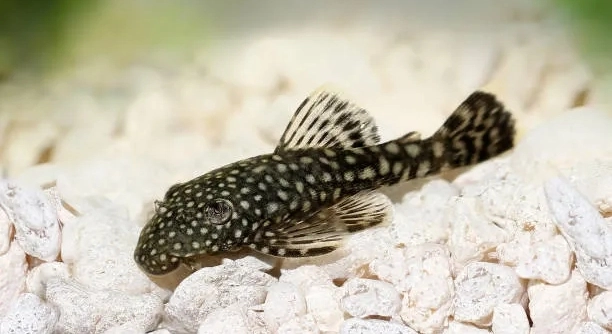
Have you ever noticed unusual behavior in your pleco that makes you think it might be preparing for eggs? Observing these changes can help you understand your fish’s reproductive cycle and overall health in your tank.
Plecos exhibit specific behaviors when ready to lay eggs, including increased hiding, nest-building, color changes, and territorial activity. Monitoring these indicators can help aquarists anticipate egg-laying and provide the appropriate environment for successful breeding.
Recognizing these subtle cues ensures your pleco remains healthy while giving you insight into its natural reproductive behavior. This knowledge is essential for maintaining a balanced and thriving aquarium environment.
Increased Hiding and Nesting Behavior
Plecos that are ready to lay eggs often spend more time hiding in caves, crevices, or under driftwood. They may appear less active during the day, preferring dark and secure areas. Nesting behavior is common, especially in males, who prepare smooth surfaces or hollow spaces to attract females. This preparation is essential for egg-laying, as plecos need a safe and clean spot to deposit eggs. Observing this behavior can signal that your pleco is entering a reproductive phase. Changes in routine can also include more time spent cleaning and patrolling its chosen area. Even small adjustments, such as moving closer to the tank walls or rearranging decorations, indicate readiness. Providing adequate hiding spaces and suitable surfaces encourages natural egg-laying behavior. Understanding these patterns helps you support healthy breeding practices while minimizing stress for your fish. Regular observation is key, as subtle cues often precede the actual laying of eggs.
Recognizing hiding and nesting behavior early ensures you can adjust tank conditions for successful breeding.
Being attentive to where your pleco spends most of its time and how it interacts with the environment provides clear insight into its readiness for reproduction. Providing proper structures like caves, driftwood, or PVC tubes encourages natural behavior. Observing these changes closely allows you to create a stress-free environment, which is essential for the female to deposit eggs safely and for the male to fertilize them. Adjustments such as water quality, temperature, and lighting can also improve the breeding environment. Understanding these behavioral patterns not only supports successful egg-laying but also helps maintain your pleco’s overall well-being. By responding to these subtle signs, you can foster a calm and secure habitat that encourages reproductive activity and healthy development of offspring.
Color Changes and Increased Activity
Plecos often show deeper or more vibrant colors when ready to lay eggs. Males may darken, while females can display subtle changes along their bellies and fins.
Color shifts in plecos are reliable indicators of reproductive readiness, reflecting hormonal changes and heightened territorial instincts.
These changes are most noticeable under consistent lighting and when the fish is observed regularly. Increased activity often accompanies color shifts, including more frequent swimming, exploration, or defensive behavior around preferred hiding spots. Males may patrol the area more aggressively, signaling both readiness and protection of potential nests. Female plecos might become more selective about resting locations or show more interest in the male’s chosen territory. Tracking these behaviors alongside color changes gives a clearer understanding of when egg-laying may occur. Environmental factors, such as stable water conditions and proper diet, support these natural behaviors. Being attentive to these visual and behavioral cues allows aquarists to intervene minimally while providing optimal conditions. This combination of observation and careful management encourages healthy reproduction and reduces stress for both male and female plecos.
Increased Territorial Behavior
Plecos ready to lay eggs often become more territorial. They defend caves, hiding spots, and specific areas in the tank more aggressively than usual.
Territorial behavior in plecos includes chasing other fish away from their preferred area, circling their nest, and occasionally ramming or nudging intruders. Males are typically more protective, ensuring the area is secure for egg-laying. This behavior is a natural instinct to safeguard potential offspring. It may also involve cleaning and maintaining the nest location to make it more appealing for the female. Observing these actions can help you identify which fish is likely to be preparing for breeding. Providing adequate space and multiple hiding spots reduces stress and allows territorial behavior without harming other tank mates. Noticing these patterns early ensures you can manage the environment effectively.
Aggressive interactions often increase slightly before eggs are laid, but this is normal and part of their reproductive cycle.
Territorial plecos will patrol consistently, using displays and physical movements to assert dominance. They mark their chosen space with cleaning activity, scraping surfaces, or circling the nest. Males may expand their patrol range as they assess potential threats, while females often observe before entering the nesting area. These behaviors indicate readiness for egg-laying and highlight the importance of maintaining calm, stable water conditions. Observing without interfering is crucial, as stress can disrupt the process. Proper tank setup, including hiding spots and smooth surfaces, allows natural territorial instincts to play out safely. Tracking territorial patterns helps you anticipate breeding, ensuring eggs have a safe environment and increasing the likelihood of successful fertilization.
Increased Appetite and Foraging
Plecos preparing to lay eggs often show an increase in appetite. They may eat more frequently and actively explore the tank for food.
An increased appetite helps plecos build energy for the egg-laying process. This heightened feeding behavior can be supported with nutrient-rich foods such as vegetables, sinking pellets, and protein sources. Monitoring changes in feeding patterns provides insight into reproductive readiness and overall health. Overfeeding should be avoided, but offering extra nutrition during this period supports natural physiological changes and encourages healthy egg production.
Foraging behavior also changes. Plecos may spend more time scavenging around the tank, inspecting decorations, and nibbling on algae or driftwood. This constant movement helps them maintain strength and prepare for the energy demands of reproduction. Observing these patterns alongside other signs, like color changes or nesting behavior, gives a clearer picture of readiness. Feeding high-quality, varied foods ensures plecos get sufficient nutrients, which can positively impact egg quantity and quality. Adjusting feeding schedules and maintaining clean water further supports their health and reproductive success.
Restlessness and Frequent Movement
Plecos ready to lay eggs often appear restless, swimming around the tank more than usual. They explore every corner, checking potential hiding spots and nesting areas.
This constant movement is linked to their instinct to find the safest place for eggs. Restlessness helps them assess the tank environment and prepare for reproduction.
Interaction with Other Fish
Plecos may change how they interact with other tank mates when preparing to lay eggs. Males often display mild aggression, while females may become selective about where they swim. This shift in behavior helps protect potential nest areas and signals readiness for reproduction. Observing these interactions allows aquarists to better manage the tank environment.
Surface Cleaning
Plecos ready to lay eggs often clean surfaces more diligently. Scraping algae or debris from smooth areas helps prepare ideal spots for egg attachment.
Subtle Behavioral Cues
Watching for minor changes, like fin flicks or brief retreats, can indicate that your pleco is ready to lay eggs. These small actions are part of their natural reproductive behavior.
FAQ
How can I tell if my pleco is male or female before egg-laying?
Identifying the sex of a pleco can be subtle. Males often have broader heads and more pronounced odontodes (small bristle-like structures) along their pectoral fins. Females tend to have rounder, fuller bellies, especially when ready to lay eggs. Observing these physical traits alongside behavior, like nest preparation or increased territorial activity, provides a clearer indication of sex. Comparing several plecos in the same tank can make differences easier to spot. Keep in mind that some species show minimal differences, so behavioral signs often complement physical observations.
What tank setup is best for plecos ready to lay eggs?
A suitable tank for breeding plecos should include smooth surfaces, caves, or PVC tubes for nesting. Hiding spots reduce stress and support territorial behavior. Clean water, stable temperature, and moderate lighting are essential. Adding driftwood encourages natural scraping and feeding behaviors. Multiple hiding areas can prevent conflicts between males and other tank mates. Ensure sufficient space for swimming and foraging, as restricted space can increase aggression. Maintaining stable water parameters is crucial because sudden changes can disrupt breeding behavior or stress the fish.
Do plecos need a special diet to prepare for egg-laying?
Yes, nutrition plays an important role. A balanced diet with vegetables like zucchini, cucumber, and spinach, along with protein-rich foods such as shrimp pellets, helps plecos build energy reserves. Supplementing with algae wafers supports overall health. Feeding smaller, frequent portions encourages consistent intake and helps maintain digestive health. Healthy plecos are more likely to display egg-laying behaviors and produce viable eggs. Avoid overfeeding to prevent water quality issues, which can negatively impact reproductive success. Monitoring appetite and adjusting the diet slightly during breeding preparation ensures optimal energy levels.
How long does it take for plecos to lay eggs after showing signs?
Once plecos display nesting behavior, increased activity, and territoriality, egg-laying can occur within several days to a week. The timing depends on species, water conditions, and the presence of suitable nesting surfaces. Males prepare the nest, and females will inspect before depositing eggs. Ensuring the environment is stable and stress-free speeds up the process. Changes in behavior, like color intensification and restlessness, often precede egg-laying. Observing your pleco carefully allows you to anticipate when eggs may appear, and providing optimal conditions during this period maximizes the chances of successful fertilization.
Can plecos lay eggs without a mate?
No, plecos require both a male and female for fertilization. While a female can deposit eggs in the tank, unfertilized eggs will not develop. Fertilized eggs depend on male presence for sperm to complete the process. Observing mating behaviors and ensuring compatible pairs increases the likelihood of successful breeding. Some species may be selective with mates, so multiple suitable options may improve results. Understanding reproductive requirements and pairing compatible individuals is critical for aquarists aiming to breed plecos.
What should I do after the eggs are laid?
Once eggs are laid, males often guard them. Maintaining stable water conditions is essential, as sudden changes can harm developing eggs. Avoid disturbing the nest or moving tank decorations. Some aquarists remove other fish temporarily to reduce stress or egg predation. Monitor water quality, feeding, and behavior without interfering with natural protective instincts. Hatching usually occurs in about a week, depending on species. After hatching, fry should be given finely crushed food or specialized fry food. Supporting both adult and young plecos ensures healthy growth and continued reproductive behavior.
How can I encourage plecos to lay eggs in a home aquarium?
Providing proper nesting areas, stable water conditions, and a nutritious diet encourages egg-laying. Observing behavioral cues like hiding, territorial displays, and color changes helps determine readiness. Gradually adjusting temperature or feeding routines can trigger reproductive behavior. Minimizing stress from aggressive tank mates or sudden environmental changes supports natural egg-laying processes. Regular monitoring ensures plecos remain healthy and that conditions remain optimal throughout preparation and egg-laying phases.
Are there signs that eggs will not survive?
Yes, unfertilized eggs or eggs exposed to stress may turn white or become fuzzy with fungus. Poor water quality, sudden temperature changes, or aggressive tank mates can reduce survival. Observing egg appearance and maintaining optimal conditions can prevent loss. Healthy eggs are typically translucent with visible embryos. Removing stressors and monitoring daily increases the chances of successful hatching.
How often can plecos lay eggs?
Plecos can lay eggs multiple times per year if conditions are favorable. Species, age, and tank conditions influence frequency. Adequate space, nutrition, and water stability help support recurring egg-laying cycles. Observing behavioral and physical signs helps predict intervals between spawning events, allowing aquarists to prepare the tank accordingly.
What is the best water temperature for breeding plecos?
Most plecos breed in slightly warmer water, generally between 78–82°F (25–28°C). Consistent temperature supports hormonal changes and nesting behaviors. Sudden fluctuations can cause stress and reduce reproductive activity. Monitoring temperature carefully ensures that plecos remain comfortable and increases the likelihood of successful egg-laying.
This FAQ provides detailed guidance for understanding pleco behavior, preparing the environment, and supporting successful breeding. Careful observation and proper tank management are key to ensuring healthy eggs and fry.
Final Thoughts
Watching a pleco prepare to lay eggs is an interesting and rewarding experience for anyone keeping these fish. Their behavior changes noticeably, from increased hiding to more active nest preparation, and these changes can help you understand your fish better. Observing these natural behaviors allows you to provide the right environment and support their reproductive process without causing unnecessary stress. It is important to pay attention to both subtle and obvious signs, including changes in appetite, color, and interactions with other fish. Understanding these patterns gives you a clearer idea of when your pleco is ready to lay eggs and what steps you can take to help.
Creating a supportive environment is key for successful breeding. Providing hiding spots, smooth surfaces, caves, or tubes encourages natural nesting behavior. Stable water conditions, moderate lighting, and a proper diet all play a role in keeping plecos healthy and ready for reproduction. Avoid sudden changes in temperature, water chemistry, or tank layout, as stress can disrupt egg-laying. Regular observation of your pleco helps you notice these environmental needs and adjust accordingly. Nutrition is another important factor, as plecos need extra energy to prepare for egg-laying. Offering a balanced diet with vegetables, protein, and algae supports their overall health and reproductive readiness. A well-maintained tank with appropriate food and hiding spaces reduces stress and creates conditions where your pleco can thrive naturally.
Paying close attention to these behaviors and conditions allows you to anticipate when eggs will be laid and how to care for them afterward. Males may guard eggs, while females focus on resting and recovering, so providing a calm, secure environment ensures the best chance for healthy development. Watching plecos during this time can be educational and help you learn more about their natural habits. Supporting their needs during the reproductive phase encourages healthy growth and may increase the chances of successfully raising fry. By observing carefully, maintaining stable conditions, and providing the right diet and environment, you help your pleco complete its reproductive cycle naturally and safely. This understanding not only benefits your pleco but also enhances your experience as an aquarist, helping you create a thriving, balanced aquarium.

Hello,
If you enjoy the content that we create, please consider saying a "Thank You!" by leaving a tip.
Every little bit helps us continue crafting quality advice that supports the health, happiness, and well-being of pets around the world, for pets of all shapes, sizes, and species.
We really appreciate the kindness and support that you show us!