
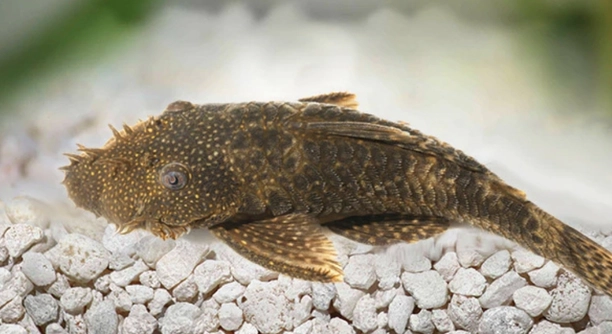
Do you ever find yourself fascinated by plecos but unsure how their breeding really works? Many fishkeepers encounter conflicting advice and stories about these armored catfish, making it tricky to know what is fact and what is myth.
Pleco breeding behavior is often misunderstood due to misinformation and anecdotal reports. Many commonly held beliefs about their mating rituals, spawning conditions, and parental care lack scientific verification and should be approached with caution to ensure proper care.
Understanding these misconceptions can improve your aquarium management and give your plecos the best chance at a healthy breeding environment.
Myth 1: Plecos Breed Only in Large Tanks
Many fishkeepers believe plecos need very large tanks to breed successfully. While tank size can influence water quality and space for hiding, it is not the only factor that triggers breeding. Plecos require stable water conditions, suitable caves or hiding spots, and proper nutrition. Even in a moderately sized tank, providing these elements can encourage spawning. Observing natural behaviors, such as territorial guarding and nest preparation, is more critical than simply offering a larger aquarium. Ensuring minimal stress and consistent environmental parameters can make a significant difference. Temperature, pH, and diet play essential roles in readiness for breeding. Overcrowding can still be a problem, but plecos often breed even in tanks smaller than commonly recommended. Understanding the balance between tank space, environmental stability, and comfort is key to supporting healthy reproduction. This approach allows aquarists to work within existing setups without unnecessary upgrades.
Tank size alone does not guarantee breeding. Focus on stability and suitable hiding spots.
Proper breeding results depend on consistent water quality, an adequate diet, and providing caves for spawning. Stress-free conditions make plecos more likely to engage in natural mating behaviors. Even a smaller, well-maintained tank can yield successful spawning events. Observing behaviors like guarding the nest, cleaning the cave, and interacting with mates provides clear indicators of breeding readiness. Ignoring these factors and relying solely on tank size often leads to frustration. Nutrition also matters; high-quality food enhances reproductive health and energy levels. By prioritizing these key elements, aquarists can improve outcomes and create a supportive environment that encourages breeding naturally. Attention to detail, patience, and observation are more effective than simply expanding tank dimensions. Proper preparation ensures both adult plecos and their offspring thrive.
Myth 2: All Pleco Species Breed the Same Way
Many assume that all plecos have identical breeding habits. While they share general traits, each species has unique preferences. Some prefer caves, others flat surfaces, and temperature requirements can vary. Understanding species-specific behaviors is crucial for successful spawning.
Species-specific research is essential. Breeding strategies cannot be universally applied across all pleco types.
Some pleco species require slightly acidic water, while others need neutral or slightly alkaline conditions. The size of the cave, the depth of the water, and even the time of year can influence breeding success. Providing the right substrate and monitoring water parameters carefully ensures that the environment suits the species’ natural preferences. Overlooking these details can prevent mating or lead to stress-related health issues. Even dietary needs differ between species; some require protein-rich foods, while others thrive on algae or vegetable matter. By tailoring care to the exact species, aquarists can increase the likelihood of successful spawning and healthy fry. Recognizing these differences allows for more precise and effective breeding management, ultimately supporting both adult fish and offspring development.
Myth 3: Plecos Always Lay Many Eggs
Plecos do not always produce large clutches. The number of eggs depends on species, age, health, and environmental conditions. Some species lay only a few dozen eggs, while others produce hundreds. Assuming every pleco will spawn abundantly can lead to disappointment.
Egg production varies greatly among plecos. Healthier, well-fed adults in optimal conditions generally lay more eggs. However, age also affects output; very young or older plecos may produce fewer eggs regardless of care. Stress or sudden changes in water parameters can reduce egg counts. Monitoring breeding behavior and maintaining consistent conditions helps maximize egg-laying potential without overestimating typical clutch sizes.
Even within a single species, egg counts are not consistent. Environmental factors like temperature, water quality, and availability of suitable hiding spots influence reproductive output. Some plecos may skip spawning entirely during unfavorable conditions. Careful observation of the adults’ behavior, such as guarding a nest or cleaning a spawning site, provides better insight into reproductive readiness than relying solely on assumptions about egg numbers. Consistent diet, minimal stress, and stable conditions are key to encouraging regular spawning.
Myth 4: Plecos Will Breed Without Proper Hiding Spaces
Plecos need secure spaces for spawning. Without caves or secluded areas, they may avoid laying eggs. Open tanks without hiding spots often prevent breeding entirely.
Providing suitable hiding spots is critical. Plecos instinctively seek protected areas to lay eggs, and a lack of such spaces can discourage mating.
Caves, tubes, or dense decorations allow plecos to feel safe while preparing nests and guarding eggs. Even if other conditions are ideal—temperature, water quality, and diet—breeding can fail without proper shelters. Different species have varying preferences for cave size, material, and location within the tank. Observing natural behaviors helps identify if hiding spaces are adequate. Plecos may explore or inspect multiple areas before choosing a nesting site. Ensuring stability, security, and comfort encourages mating activity and egg deposition. Minimal disturbances, regular water changes, and a quiet environment further support reproductive behaviors and increase the chances of successful spawning.
Myth 5: Male and Female Plecos Look the Same
Males and females often have subtle differences. Many species display size or fin variations, but these traits are not always obvious. Assuming all plecos look identical can make pairing for breeding difficult.
Observation over time helps identify sex. Males may develop broader heads, longer fins, or more pronounced odontodes depending on the species.
Myth 6: Plecos Spawn Only Once a Year
Plecos can reproduce multiple times annually if conditions are stable. Seasonal patterns may influence spawning, but proper care encourages frequent breeding opportunities.
Myth 7: Feeding High-Protein Food Guarantees Breeding
A protein-rich diet supports health but does not guarantee spawning. Balanced nutrition and stable conditions are equally important.
FAQ
How do I know if my pleco is ready to breed?
Signs of breeding readiness include increased activity around hiding spots, cleaning of caves, and guarding behaviors. Males may become more territorial, while females may appear fuller in the abdomen. Stable water conditions and consistent feeding routines also increase the likelihood that your plecos are ready to spawn.
What type of hiding spots work best for spawning?
Caves, PVC tubes, or dense decorations are ideal. The size and location should fit the species’ preferences. Plecos need secure areas to lay eggs and guard them. Observing their behavior can help you determine if the hiding spot is suitable or needs adjustment.
Do all plecos lay hundreds of eggs?
No, egg numbers vary by species, age, and health. Some plecos lay a few dozen eggs, while others produce hundreds. Environmental stability, diet, and stress levels strongly influence the quantity of eggs produced during a spawning event.
Can plecos breed in small tanks?
Yes, but tank conditions matter more than size. Even moderately sized tanks can support breeding if water quality is stable, hiding spots are available, and adults are healthy. Overcrowding or poor water conditions, regardless of tank size, can prevent successful breeding.
How often can plecos spawn?
Plecos can spawn multiple times per year under consistent care. Seasonal patterns may influence spawning frequency, but regular water changes, stable temperatures, and proper nutrition encourage repeated reproductive cycles. Individual species and environmental conditions will determine exact frequency.
How can I tell male and female plecos apart?
Sexing plecos can be tricky. Males often have broader heads, longer fins, or more pronounced odontodes. Females may appear rounder in the abdomen when carrying eggs. Observing over time and comparing adults of the same species helps identify males and females more accurately.
Does a high-protein diet guarantee breeding?
No, while protein-rich foods improve health and energy levels, they do not ensure spawning. Balanced nutrition, environmental stability, and proper hiding spaces are equally important for encouraging natural reproductive behaviors.
What water parameters are ideal for breeding?
Temperature, pH, and hardness vary by species. Most plecos thrive in slightly acidic to neutral water with stable temperature. Sudden changes or poor quality can stress fish and prevent breeding. Regular monitoring and gradual adjustments are key.
Do plecos need a separate breeding tank?
Not always. A well-maintained community tank with proper hiding spots can support breeding. However, a separate breeding tank can protect eggs and fry from predators and make it easier to manage water quality and feeding for young fish.
How long does it take for eggs to hatch?
Hatching times vary by species and water temperature. Typically, pleco eggs take anywhere from three days to two weeks. Warmer, stable temperatures accelerate development, while colder or unstable conditions may delay hatching or affect survival.
How do I care for pleco fry?
Fry need clean water, gentle filtration, and finely chopped or specialized foods. Gradually introduce them to regular diet as they grow. Consistent monitoring of water quality and careful feeding ensures healthy development and reduces the risk of disease or malnutrition.
Can plecos spawn without a partner?
No, plecos require both a male and female to reproduce. Pairing suitable mates and ensuring compatible environmental conditions are essential for successful breeding. Observing interactions can help determine if the pair is ready to spawn.
Why might eggs fail to hatch?
Egg failure can result from poor water quality, insufficient hiding spaces, stress, disease, or lack of fertilization. Regular observation, stable conditions, and careful management of adults and eggs reduce the risk of unsuccessful hatching.
Is it normal for males to guard eggs aggressively?
Yes, males often guard nests to protect eggs from predators and ensure successful hatching. Aggressive behavior is natural but should be monitored to prevent harm to the female or fry. Providing enough space and secure hiding spots helps manage aggression.
Can plecos breed in tap water?
It depends on water quality. Dechlorinated, properly conditioned tap water with stable parameters can support breeding. Sudden changes, contaminants, or inappropriate hardness and pH can stress fish and prevent reproduction. Testing and conditioning water is essential for success.
How can I increase the chances of breeding success?
Focus on stable water conditions, appropriate hiding spots, balanced nutrition, and minimal stress. Observing natural behaviors, maintaining clean tanks, and tailoring care to species-specific needs improve the likelihood of successful spawning and healthy fry development.
What should I do if plecos refuse to spawn?
Reassess water quality, tank setup, hiding spots, and diet. Stress reduction, consistent routines, and species-specific adjustments often resolve breeding reluctance. Patience is essential, as plecos may take time to adjust to conditions and exhibit natural reproductive behaviors.
Pleco breeding can seem complicated at first, but understanding the basics helps simplify the process. Many of the myths surrounding their behavior are based on assumptions rather than observations or research. Not every pleco will spawn in the same way, and tank size alone does not determine success. What really matters are consistent water conditions, proper nutrition, and suitable hiding spots. Providing a stable environment allows plecos to feel secure, which encourages natural behaviors like nest preparation and egg guarding. Observing your fish carefully over time gives insight into their readiness and preferences. Even small changes in diet, temperature, or tank setup can influence breeding outcomes, so paying attention to these details is important. By focusing on what plecos actually need rather than following common misconceptions, you can create a more effective approach to supporting their reproduction.
Understanding species differences is another key factor. Not all plecos share the same breeding habits or environmental preferences. Some species prefer caves while others use flat surfaces for spawning. Temperature, water hardness, and pH levels also vary between species, and failing to consider these differences can prevent successful breeding. Diet is equally important. While a high-protein diet supports health, it does not guarantee spawning. A balanced approach that meets the specific needs of your pleco species is necessary. Watching how your plecos interact with each other and their environment can reveal clues about their preferences and readiness. Male and female fish often display subtle physical differences, and knowing how to identify them can help in pairing fish for breeding. By tailoring care to the species you keep, you increase the likelihood of successful reproduction and healthy offspring.
Patience and observation are essential for anyone interested in breeding plecos. Rushing the process or relying on assumptions can lead to frustration or even stress for your fish. Monitoring water quality, maintaining stable conditions, and providing proper hiding spots all contribute to natural spawning behavior. Egg counts, hatching times, and parental care vary widely, so expecting uniform results is unrealistic. Successful pleco breeding requires time, attention, and an understanding of their natural habits. Even experienced fishkeepers sometimes need to adjust care routines or tank setups to accommodate the needs of their plecos. Ultimately, approaching breeding with careful observation, attention to detail, and a willingness to adapt ensures healthier adults and stronger fry. Consistency, species-specific knowledge, and patience are the most reliable tools for encouraging natural reproductive behaviors in plecos, making the experience both manageable and rewarding.

Hello,
If you enjoy the content that we create, please consider saying a "Thank You!" by leaving a tip.
Every little bit helps us continue crafting quality advice that supports the health, happiness, and well-being of pets around the world, for pets of all shapes, sizes, and species.
We really appreciate the kindness and support that you show us!