
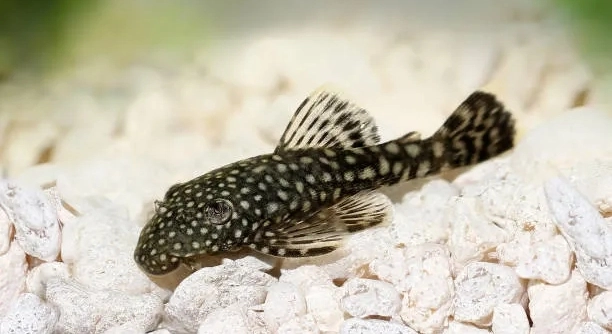
Are your plecos constantly darting around the tank or hiding in corners, seemingly startled by every movement? These peaceful fish can appear skittish, leaving many owners concerned about their wellbeing and the environment they provide.
The primary reason plecos exhibit frequent startled behavior is due to sudden changes in their surroundings or excessive stimuli. Bright lights, rapid movements, or noisy environments can trigger a stress response, causing heightened alertness and constant evasive actions.
Observing these behaviors closely can help you adjust their habitat for a calmer, healthier life in your aquarium.
Common Causes of Startled Behavior in Plecos
Plecos are naturally cautious fish, and several environmental factors can make them appear constantly alarmed. Sudden changes in water temperature, strong currents, or inconsistent lighting can trigger stress responses. Even small vibrations near the tank, like footsteps or loud conversations, may startle them. Overcrowding is another factor, as plecos prefer ample space to explore and hide. Without sufficient hiding spots, they may feel exposed and react defensively. Diet also plays a role; plecos need a balanced diet rich in vegetables and algae to maintain health and reduce stress. Additionally, tank mates that are overly active or aggressive can intimidate plecos, causing them to dart around or cling to surfaces. Proper filtration and gentle water movement help maintain a calm environment. Observing their daily behavior and identifying triggers allows you to create a setting where they feel safe and secure, reducing the frequency of startling incidents.
Stress in plecos can often be reduced with small adjustments, like adding hiding places or softening tank lighting.
Providing a stable environment, maintaining water quality, and ensuring a calm tank atmosphere are key to reducing your pleco’s startled reactions. Regular observation helps identify specific triggers and allows you to adapt the setup accordingly. Over time, plecos respond well to consistent care, gaining confidence and exhibiting calmer behavior. Simple changes like arranging rocks, driftwood, or plants to create shaded areas, minimizing sudden movements near the tank, and adjusting filtration flow can significantly improve their comfort. Monitoring water parameters such as pH, temperature, and ammonia levels ensures stress-free living conditions. Feeding a varied diet and observing social interactions with other fish further supports a healthy, low-stress environment. By paying attention to these factors, your pleco can feel secure, reducing constant startle responses while encouraging natural exploration and activity.
Creating a Safe and Calm Aquarium Environment
Adding plenty of hiding spots and dim lighting can help plecos feel secure in their tank.
Ensuring a safe environment involves more than hiding spaces. Stable water temperature, gentle filtration, and consistent feeding schedules all reduce stress. Avoid sudden changes and excessive handling, as plecos are sensitive to disturbances. Choosing compatible tank mates is also essential; active or aggressive fish can increase anxiety. A thoughtful layout with driftwood, rocks, and plants provides shelter and reduces perceived threats. Regular water tests and maintenance prevent harmful conditions that might provoke sudden reactions. Over time, these adjustments create a predictable, calm environment that plecos learn to trust. Observing their behavior allows you to fine-tune their habitat for comfort. A well-arranged tank not only minimizes startled movements but also promotes natural behaviors like grazing, hiding, and resting. This approach supports long-term health, encouraging plecos to thrive in an environment that feels safe and balanced.
Signs Your Pleco is Stressed
Frequent darting, hiding for long periods, and clinging to tank surfaces are clear signs of stress. Loss of appetite and faded colors also indicate discomfort. Monitoring these behaviors helps you respond before stress becomes harmful.
Stress in plecos can stem from several factors, including sudden water changes, poor water quality, or aggressive tank mates. Even minor disturbances like loud noises or tapping on the glass can trigger nervous reactions. A stressed pleco may also show unusual swimming patterns, such as staying near the surface or avoiding its usual hiding spots. Over time, chronic stress can affect their immune system, making them more prone to illness. Paying attention to these signs and making timely adjustments is crucial to maintain their health and reduce startling behavior.
Preventing stress involves creating a consistent, secure environment. Adjusting tank layout, providing adequate hiding spots, and maintaining stable water conditions are key strategies. Observing their daily routine and noting changes in behavior allows you to identify stress triggers. Gentle interactions and avoiding sudden disturbances help build a sense of safety. Additionally, feeding a nutritious diet supports overall health, making plecos more resilient to environmental changes. By combining these approaches, you can minimize stress and encourage calmer, more natural behavior.
Improving Tank Conditions for a Calmer Pleco
Clean water, proper filtration, and stable temperatures are essential for a calm pleco. Gentle lighting also reduces sudden reactions.
Maintaining ideal tank conditions involves regular water changes, monitoring pH and ammonia levels, and ensuring consistent filtration. Driftwood, rocks, and plants provide shelter, helping plecos feel secure. Adjusting water flow to a gentle current prevents unnecessary stress. Reducing loud noises and sudden movements near the tank further supports calm behavior.
A stable environment allows plecos to establish routines and explore without fear. Combining proper water parameters, adequate hiding spots, and minimal disturbances promotes natural grazing and resting behaviors. Observing interactions with other fish and adjusting tank mates as needed helps prevent intimidation. Regular feeding of vegetables and algae ensures nutritional needs are met, supporting overall health. Over time, these strategies create a predictable, safe habitat where plecos feel comfortable, reducing constant startled reactions and encouraging natural, relaxed activity.
Adjusting Lighting and Decorations
Bright lights can make plecos nervous, so dimming the tank or using shaded areas helps. Adding driftwood, rocks, and plants gives them secure spots to hide and reduces sudden movements.
Decorations also break open space, letting plecos feel less exposed. Dense plantings create comfort zones, helping them settle and explore calmly.
Monitoring Water Quality
Regularly test for ammonia, nitrite, nitrate, and pH levels. Stable, clean water reduces stress and keeps plecos healthy. Proper filtration and partial water changes prevent toxic buildup that can trigger startled behavior and health issues.
Feeding and Nutrition
A balanced diet of vegetables, algae, and occasional protein supplements supports health. Proper nutrition helps plecos feel secure, reduces stress, and encourages natural grazing behavior in the tank.
FAQ
Why does my pleco startle at every movement?
Plecos are naturally cautious fish, sensitive to sudden changes in their environment. Rapid movements near the tank, tapping on the glass, or loud noises can trigger their stress response. Even slight disturbances in water flow or tank setup can make them dart or cling to surfaces instinctively.
How can I reduce my pleco’s startled behavior?
Creating a calm, stable environment is essential. Dim lighting, gentle filtration, and plenty of hiding spots like driftwood and plants make plecos feel secure. Avoid sudden changes in water temperature or tank layout, and reduce noise and vibrations near the tank. Consistent feeding schedules also help them feel safe.
What tank setup is best for a nervous pleco?
A spacious tank with gentle water flow is ideal. Include driftwood, rocks, and dense plants to offer hiding areas. Avoid overcrowding and choose compatible tank mates that are calm. Ensure water quality is stable and filtration is efficient without creating strong currents that stress the fish.
Can certain tank mates make plecos more skittish?
Yes. Active or aggressive fish can intimidate plecos, causing frequent darting or hiding. Avoid fast swimmers or territorial species that chase or crowd them. Peaceful, slow-moving tank mates are best for maintaining a calm environment and reducing stress-induced behavior.
Is water quality linked to pleco stress?
Absolutely. Poor water quality can cause constant stress and health issues. Ammonia, nitrite, or nitrate spikes, fluctuating pH, or unstable temperature make plecos more sensitive to stimuli. Regular water tests and partial water changes maintain a healthy, stress-free environment.
How do hiding spots affect pleco behavior?
Hiding spots are critical for their sense of security. Driftwood, rocks, and plants provide safe zones where they can retreat when startled. Without adequate shelter, plecos feel exposed, increasing stress and jumpy movements. Properly arranged decorations help them establish comfort zones.
Does lighting impact how startled my pleco is?
Yes. Bright or inconsistent lighting can make plecos nervous. Using dim lights or creating shaded areas with plants and decorations reduces sudden reactions and allows them to settle and explore naturally. Gradual light adjustments are better than sudden changes.
Can diet influence pleco anxiety?
A proper diet supports overall health and reduces stress. Plecos thrive on vegetables, algae, and occasional protein supplements. Poor nutrition weakens their immune system, making them more sensitive to environmental changes and increasing skittish behavior. Feeding small, frequent meals encourages grazing and reduces anxiety.
How long does it take for a pleco to feel secure?
Time varies depending on environment and individual temperament. With stable water, consistent care, and adequate hiding spots, plecos gradually become calmer over weeks. Observing behavior daily helps track progress and identify remaining stress triggers. Patience is key for long-term comfort.
Are plecos naturally skittish fish?
Yes. Plecos evolved to be cautious bottom dwellers. Their nervous nature is a survival trait, making them sensitive to movements and changes in their surroundings. Recognizing this helps owners create a safe habitat that minimizes constant startled reactions and encourages normal behavior.
How can I tell if my pleco’s behavior is abnormal?
Occasional skittish movements are normal, but continuous darting, hiding excessively, or refusing to eat signals stress or health issues. Monitor water quality, tank setup, and tank mates. Consistent abnormal behavior may require adjustments or advice from an aquatic specialist to ensure the pleco’s wellbeing.
Does tank size affect pleco stress?
A small or overcrowded tank increases stress. Plecos need enough space to move, graze, and hide comfortably. Crowding or insufficient decorations restricts their natural behavior, making them more likely to startle frequently. A well-planned tank encourages calmer, healthier activity and reduces stress reactions.
Can temperature changes cause my pleco to panic?
Yes. Plecos are sensitive to sudden temperature shifts. Rapid cooling or heating can trigger a stress response, leading to erratic movements. Maintaining stable, appropriate water temperatures and avoiding abrupt changes helps keep plecos calm and reduces frequent startled behavior.
Is it normal for plecos to dart at night?
Occasionally, yes. Plecos are primarily nocturnal and may move quickly while exploring or feeding. However, constant nighttime darting can indicate stress, poor water conditions, or overcrowding. Observing patterns and maintaining proper care ensures these movements are normal rather than stress-induced.
How do I know if my pleco has adapted to its tank?
Signs of adaptation include calmer swimming, regular grazing, use of hiding spots comfortably, and consistent eating. Reduced startled reactions show they feel secure. Gradual improvements in behavior indicate your care and environment adjustments are effective, promoting long-term health and comfort.
This FAQ section covers common concerns about pleco behavior, helping you identify stressors and implement strategies to create a calm, secure environment for your fish. Proper care, patience, and observation are key to minimizing their startled tendencies and supporting overall wellbeing.
Word count: 509
Final Thoughts
Caring for plecos requires attention to detail and patience. These fish are naturally cautious, and their startled behavior is often a reflection of how they perceive their environment. A tank that feels unpredictable or threatening can cause them to dart, hide, or cling to surfaces, even if everything seems fine to us. It’s important to understand that this skittishness is part of their nature. By focusing on providing stability, gentle surroundings, and plenty of hiding spaces, you can create a habitat where plecos feel safe. Small changes, like adding driftwood or dense plants, adjusting water flow, or dimming lights, can make a significant difference. Observing how your pleco reacts to its environment allows you to make targeted adjustments that reduce stress and promote calmer behavior over time.
Water quality is another critical factor to consider. Plecos are sensitive to changes in pH, temperature, and chemical levels in the tank. Even minor fluctuations can trigger stress and constant startle responses. Maintaining a consistent water routine, testing parameters regularly, and performing partial water changes are essential steps in keeping your pleco healthy and comfortable. Proper filtration and gentle water currents also support a calmer tank atmosphere. In addition to environmental factors, diet plays a role in overall wellbeing. Providing a varied diet with vegetables, algae, and occasional protein supplements ensures your pleco receives the nutrition it needs, which in turn helps reduce stress. When their nutritional and environmental needs are met, plecos are more likely to explore, graze, and behave naturally rather than react nervously to minor disturbances.
Consistency and patience are key when caring for plecos. Changes in behavior won’t happen overnight, and it may take time for them to adjust to a new setup or routine. Observing their daily activity and understanding their normal behavior helps you spot potential issues early. Reducing loud noises, limiting sudden movements near the tank, and ensuring compatible tank mates can all contribute to a calmer, more secure environment. Over time, plecos that feel safe and well-cared-for will display less startled behavior, showing more confidence and natural activity. Focusing on stability, proper care, and careful observation allows you to create a tank that supports your pleco’s health and comfort, making their environment enjoyable not only for them but also rewarding for you as a caretaker.
Word count: 407

Hello,
If you enjoy the content that we create, please consider saying a "Thank You!" by leaving a tip.
Every little bit helps us continue crafting quality advice that supports the health, happiness, and well-being of pets around the world, for pets of all shapes, sizes, and species.
We really appreciate the kindness and support that you show us!